
If left untreated, an ingrown toenail can lead to more serious concerns, such as an infection. Knowing proper nail care can help in the prevention of an ingrown toenail. Give us a call, and get treated!
If left untreated, an ingrown toenail can lead to more serious concerns, such as an infection. Knowing proper nail care can help in the prevention of an ingrown toenail. Give us a call, and get treated!

Toe pain can arise from several common conditions that affect comfort and mobility. Bunions occur when the joint at the base of the big toe becomes enlarged and at the top of the toe leans toward the smaller toes, resulting in soreness and swelling. Gout is a form of arthritis caused by uric acid buildup that triggers sudden, intense pain and redness, often in the big toe. An ingrown toenail develops when the nail grows into the surrounding skin, causing tenderness and possible infection. A podiatrist can diagnose the cause of toe pain through examination, imaging, and lab testing, offering treatments such as medication, custom orthotics, or performing minor procedures. If you have persistent toe pain, it is suggested that you consult a podiatrist who can accurately diagnose what is going on, and guide you toward effective treatment solutions.
Toe pain can disrupt your daily activities. If you have any concerns, contact one of our podiatrists of New Jersey Foot & Ankle Centers. Our doctors can provide the care you need to keep you pain-free and on your feet.
What Causes Toe Pain?
Most severe toe pain is caused due to a sports injury, trauma from dropping something heavy on the toe, or bumping into something rigid. Other problems can develop over time for various reasons.
Toe pain can be caused by one or more ailments. The most common include:
When to See a Podiatrist
Diagnosis
In many cases the cause of toe pain is obvious, but in others, a podiatrist may want to use more advanced methods to determine the problem. These can range from simple visual inspections and sensation tests to X-rays and MRI scans. Prior medical history, family medical history, and any recent physical traumatic events will all be taken into consideration for a proper diagnosis.
Treatment
Treatments for toe pain and injuries vary and may include shoe inserts, padding, taping, medicines, injections, and in some cases, surgery. If you believe that you have broken a toe, please see a podiatrist as soon as possible.
If you have any questions please contact our office located in Oradell, NJ . We offer the newest diagnostic and treatment technologies for all your foot and ankle needs.

Bunions in adolescents can cause pain, swelling, and difficulty finding comfortable shoes. When conservative care such as padding, footwear changes, and orthotics does not provide relief, a precise surgical approach may be considered. Advances in minimally invasive foot surgery now allow podiatrists to correct the alignment of the big toe through very small incisions. Using specialized instruments, the bone can be gently repositioned to restore proper balance and relieve pressure on surrounding joints. This technique typically results in less discomfort, minimal scarring, and a faster recovery compared to traditional procedures. Each case is carefully evaluated to ensure the best outcome while allowing for continued growth and activity. If you are a young person or the parent or a young person struggling with bunion pain or deformity, it is suggested that you consult a podiatrist experienced in minimally invasive foot correction who can determine if this type of foot surgery is right for you.
Foot surgery is sometimes necessary to treat a foot ailment. To learn more, contact one of our podiatrists of New Jersey Foot & Ankle Centers. Our doctors will assist you with all of your foot and ankle needs.
When Is Surgery Necessary?
Foot and ankle surgery is generally reserved for cases in which less invasive, conservative procedures have failed to alleviate the problem. Some of the cases in which surgery may be necessary include:
What Types of Surgery Are There?
The type of surgery you receive will depend on the nature of the problem you have. Some of the possible surgeries include:
Benefits of Surgery
Although surgery is usually a last resort, it can provide more complete pain relief compared to non-surgical methods and may allow you to finally resume full activity.
Surgical techniques have also become increasingly sophisticated. Techniques like endoscopic surgery allow for smaller incisions and faster recovery times.
If you have any questions, please feel free to contact our office located in Oradell, NJ . We offer the newest diagnostic and treatment technologies for all your foot care needs.
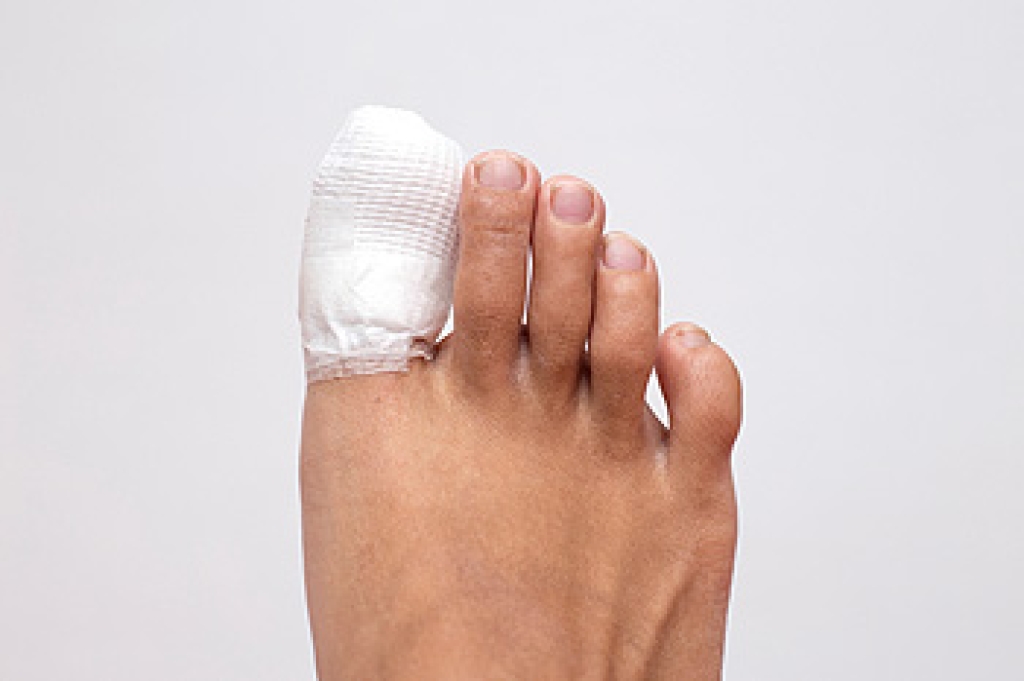 Patients who have endured a broken toe often notice daily activities can be difficult to accomplish. Many people fracture their toe from trauma, such as dropping something heavy on it, or by stubbing it against a piece of furniture. The symptoms often experienced with this type of injury include severe pain and discomfort, swelling, and the affected area may appear to be bruised. Minor fractures can be treated effectively by using the buddy taping method. This consists of taping the broken toe to the toe next to it, and this is often helpful in providing the necessary support as the healing process begins. It is beneficial to rest and elevate the affected foot, and this may help to diminish any existing swelling. If you have broken your toe, it is suggested that you schedule an appointment with a podiatrist, who can perform a proper diagnosis and begin the best course of treatment.
Broken toes may cause a lot of pain and should be treated as soon as possible. If you have any concerns about your feet, contact one of our podiatrists from New Jersey Foot & Ankle Centers. Our doctors will treat your foot and ankle needs.
What Is a Broken Toe?
A broken toe occurs when one or more of the toe bones of the foot are broken after an injury. Injuries such as stubbing your toe or dropping a heavy object on it may cause a toe fracture.
Symptoms of a Broken Toe
Although the injured toe should be monitored daily, it is especially important to have a podiatrist look at your toe if you have severe symptoms. Some of these symptoms include worsening or new pain that is not relieved with medication, sores, redness, or open wounds near the toe.
If you have any questions please feel free to contact our office located in Oradell, NJ . We offer the newest diagnostic tools and technology to treat your foot and ankle needs.
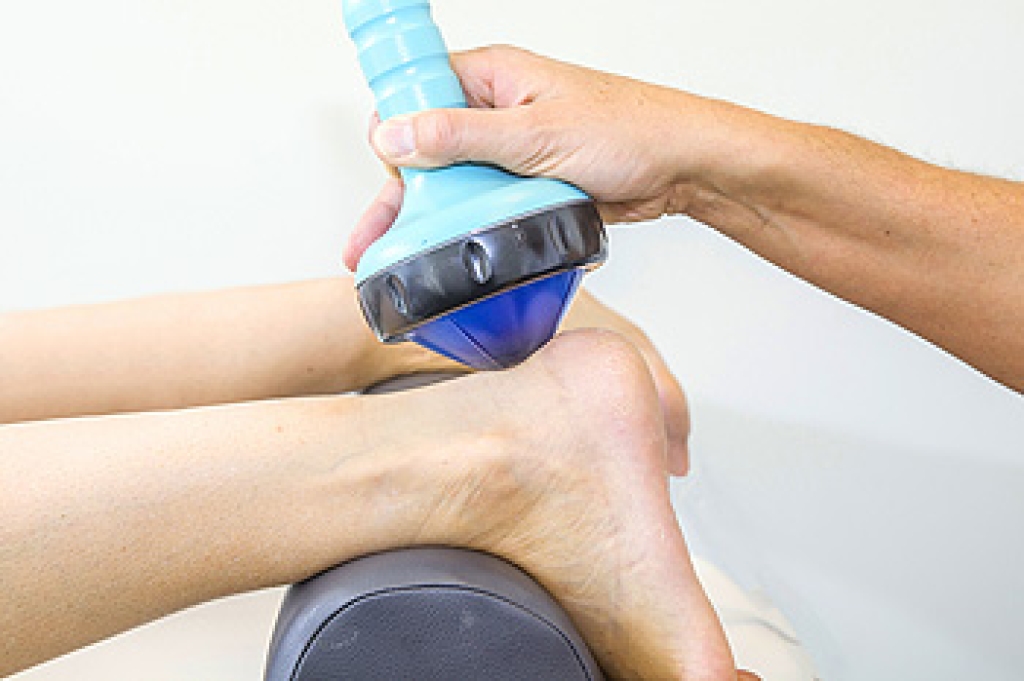 Patients who undergo shockwave therapy may notice how simple and effective this type of treatment can be. It is administered by sending wave pulses to the affected area of the foot, and this may be helpful in reducing existing inflammation. Shockwave therapy can be used in treating specific foot conditions that can include Achilles tendonitis, plantar fasciitis, or ligament injuries. It is known to stimulate the formation of new blood vessels, which is helpful in promoting healing. The benefit of choosing this type of treatment can include the short amount of time necessary to complete the treatments. The need for surgery may even be eliminated. If you would like additional information on how shockwave therapy can treat certain foot conditions, please confer with a podiatrist.
Shockwave therapy is a treatment commonly used to treat various injuries and conditions, particularly plantar fasciitis in the feet. To learn more, consult with one of our podiatrists from New Jersey Foot & Ankle Centers. Our doctors can provide the care you need to keep you pain-free and on your feet.
Shockwave Therapy
Shockwave therapy is a new treatment option designed to treat bone conditions such as tennis elbow, shoulder pain, and others. Shockwave therapy uses high intensity sound waves that are directed to the affected tissues of the body with pinpoint accuracy. The effects are very beneficial, leading to a production of collagen fibers, eliminating inflammation.
Who Benefits from Shockwave?
Shockwave is recommended for patients suffering from heel pain and associated problems. Heel pain is a common condition which can be caused by obesity, overexertion, and spending a substantial amount of time on hard floors with your feet exposed and unsupported.
Fast and Easy
The therapy is actually a simple process that can leave patients feeling better the very next day. Shockwave therapy is not as dramatic as it sounds. It enables more blood flow to effected areas, addressing the source of the problem and allowing treatment to last for a long time.
Treatment & Recovery Time
Shockwave treatment will enable your feet to recover quickly. This is especially important since surgery is not required. It is cost effective and does not require the use of anesthesia. This treatment is a better option to surgery, since it is proven safe.
If you have any questions, please feel free to contact our office located in Oradell, NJ . We offer the newest diagnostic and treatment technologies for all your foot care needs.
Connect With Us
