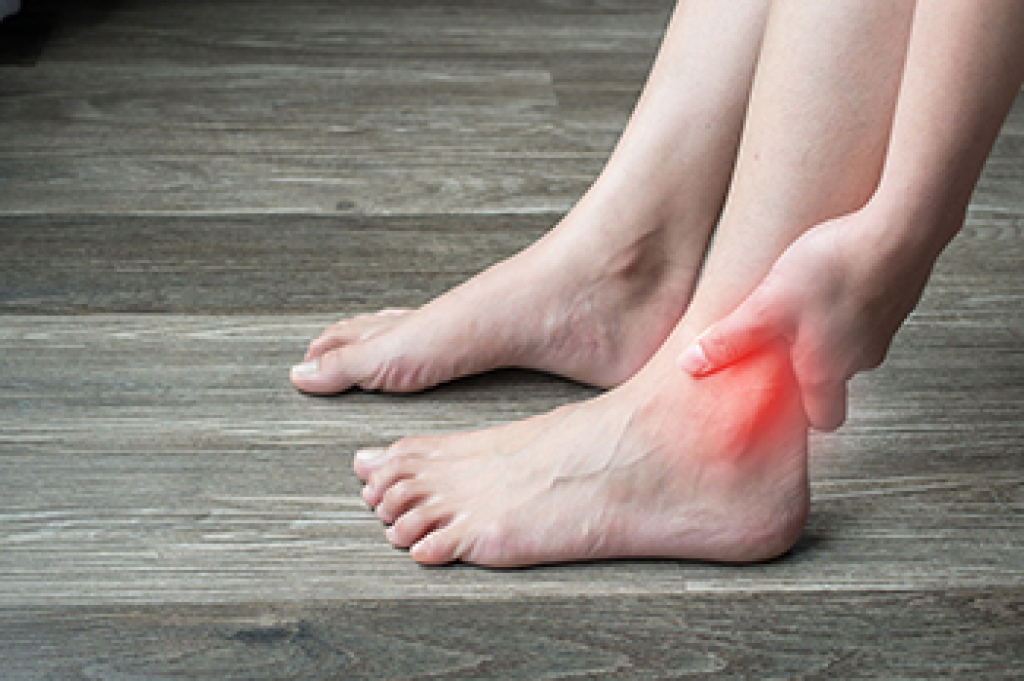
Sinus Tarsi Syndrome and Outer Ankle Pain

Sinus tarsi syndrome causes pain and discomfort in a small space on the outside of the ankle called the sinus tarsi. This area is located between the ankle and heel bones and contains important ligaments and soft tissues that help support ankle stability. Sinus tarsi syndrome often develops after an ankle sprain or repeated stress that affects the structures within this space. Symptoms may include pain on the outer ankle, tenderness, and a feeling of instability. Discomfort may become worse when walking on uneven surfaces, standing, or participating in physical activity.

Several factors can contribute to sinus tarsi syndrome. A previous ankle sprain may damage or stretch supporting ligaments and create ongoing instability. Flat feet can also change how the foot and ankle move, increasing stress around the sinus tarsi. Repetitive activities that involve running, jumping, or uneven terrain may further irritate the area. Risk factors include previous ankle injuries, unstable ankles, and activities that place repeated stress on the lower extremities. Some people develop symptoms gradually, while others notice pain after a specific injury.

A podiatrist can evaluate the ankle and determine whether sinus tarsi syndrome is causing the symptoms. The examination may include reviewing injury history, checking tenderness, and assessing ankle stability. Imaging tests may be recommended when a more detailed evaluation is needed. Treatment depends on the underlying cause and may include activity modification and supportive footwear. Other measures designed to improve stability and reduce irritation may be suggested.

Persistent outer ankle pain should not be ignored, especially when it affects balance or confidence while walking. Addressing the underlying mechanical problem can help reduce stress on the sinus tarsi and support more comfortable movement. If you have symptoms of sinus tarsi syndrome or consistent pain on the outside of your ankle, it is suggested that you consult a podiatrist for effective relief and treatment solutions. 

Ankle pain can have many different causes and the pain may potentially be serious. If you have ankle pain, consult with one of our podiatrists from New Jersey Foot & Ankle Centers. Our doctors will assess your condition and provide you with quality foot and ankle treatment.

Ankle pain is any condition that causes pain in the ankle. Due to the fact that the ankle consists of tendons, muscles, bones, and ligaments, ankle pain can come from a number of different conditions.

Causes

The most common causes of ankle pain include:

  • Types of arthritis (rheumatoid, osteoarthritis, and gout)
  • Ankle sprains
  • Broken ankles
  • Achilles tendinitis
  • Achilles tendon rupture
  • Stress fractures
  • Tarsal tunnel syndrome
  • Plantar fasciitis

Symptoms

Symptoms of ankle injury vary based upon the condition. Pain may include general pain and discomfort, swelling, aching, redness, bruising, burning or stabbing sensations, and/or loss of sensation.

Diagnosis

Due to the wide variety of potential causes of ankle pain, podiatrists will utilize a number of different methods to properly diagnose ankle pain. This can include asking for personal and family medical histories and of any recent injuries. Further diagnosis may include sensation tests, a physical examination, and potentially x-rays or other imaging tests.

Treatment

Just as the range of causes varies widely, so do treatments. Some more common treatments are rest, ice packs, keeping pressure off the foot, orthotics and braces, medication for inflammation and pain, and surgery.

If you have any questions please feel free to contact our office located in Oradell, NJ . We offer the newest diagnostic tools and technology to treat your foot and ankle needs.
Read more about Various Causes of Ankle Pain

Foot Blisters and Their Causes

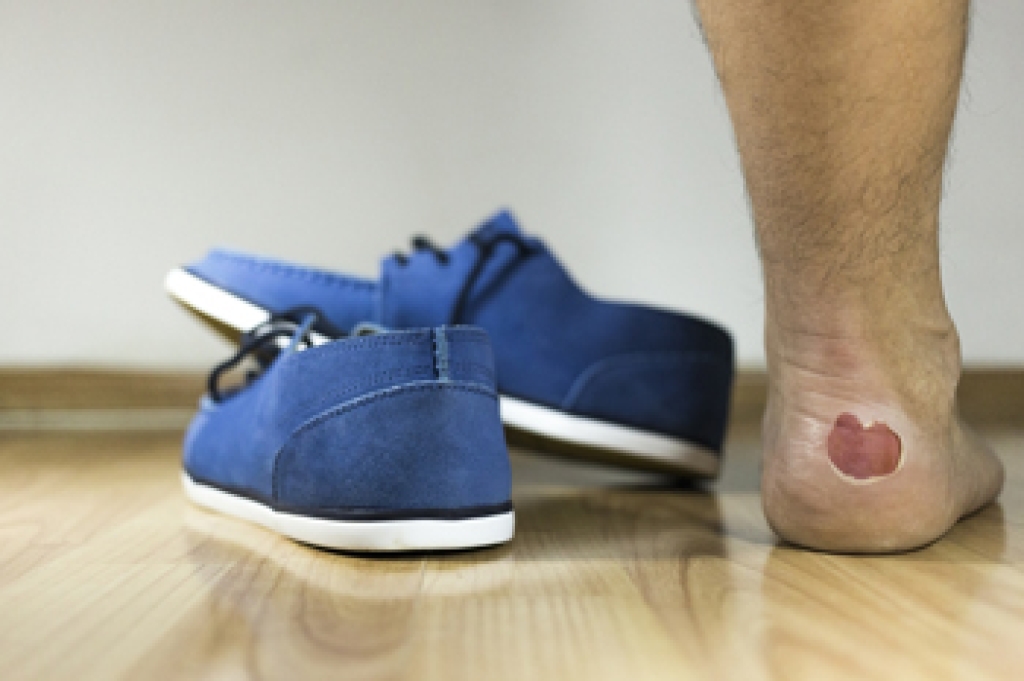
A foot blister is a small pocket of fluid that forms between layers of skin after irritation or injury. Blisters commonly develop on the heels, toes, or soles when repeated rubbing damages the skin. They can make walking uncomfortable. Although friction from shoes is common, blisters can also develop after burns, contact dermatitis, or insect bites. Knowing the cause can help protect your feet. Early care can protect damaged skin.

Friction is more likely when shoes are too tight, too loose, or poorly fitted. Heat and moisture can increase irritation. Burns may cause blisters after contact with hot surfaces or liquids. Contact dermatitis can trigger itching, redness, and fluid-filled areas after exposure to an irritating substance. An allergic reaction may cause swelling and itchy blisters. Insect bites can also produce localized swelling and blistering. Sensitive skin and sweaty feet may increase risk. 

Symptoms depend on the cause, but often include a raised area filled with clear fluid, tenderness, or itching. Pressure can increase pain. If the skin breaks, bacteria can enter and cause infection. A podiatrist can examine the blister and surrounding skin to identify the likely cause. Treatment may include protecting the area with a dressing, reducing pressure, and carefully draining a large or painful blister, when appropriate. Footwear changes may prevent recurrence. The exam can also check early for infection.

Do not intentionally pop a blister unless a podiatrist recommends it. Keep the area clean and protected while it heals. Seek prompt medical attention for spreading redness, warmth, or fever because these symptoms may indicate infection. Persistent blisters may need evaluation. If you have frequent or painful blisters on your feet, it is suggested that you consult a podiatrist for effective relief and management tips.

Blisters are prone to making everyday activities extremely uncomfortable. If your feet are hurting, contact one of our podiatrists of New Jersey Foot & Ankle Centers. Our doctors can provide the care you need to keep you pain-free and on your feet.

Foot Blisters

Foot blisters develop as a result of constantly wearing tight or ill-fitting footwear. This happens due to the constant rubbing from the shoe, which can often lead to pain.

What Are Foot Blisters?

A foot blister is a small fluid-filled pocket that forms on the upper-most layer of the skin. Blisters are filled with clear fluid and can lead to blood drainage or pus if the area becomes infected.

How Do Blisters Form?

Blisters on the feet are often the result of constant friction of skin and material, usually by shoe rubbing. Walking in sandals, boots, or shoes that don’t fit properly for long periods of time can result in a blister. Having consistent foot moisture and humidity can easily lead to blister formation.

Prevention & Treatment

It is important to properly care for the affected area in order to prevent infection and ease the pain. Do not lance the blister and use a Band-Aid to provide pain relief. Also, be sure to keep your feet dry and wear proper fitting shoes. If you see blood or pus in a blister, seek assistance from a podiatrist.

If you have any questions, please feel free to contact our office located in Oradell, NJ . We offer the newest diagnostic and treatment technologies for all your foot care needs.

Read more about Blisters

Risk Factors for Athlete’s Foot

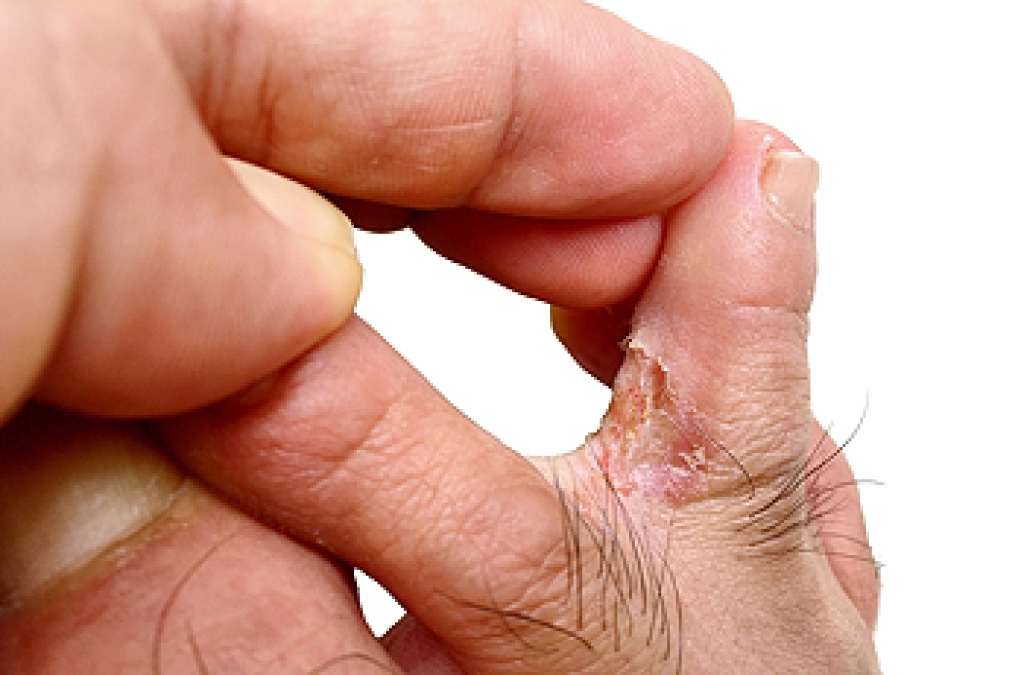
Athlete's foot, medically known as tinea pedis, is a common fungal infection that affects the skin of the feet. It typically develops in warm, moist environments where fungi thrive. This condition often begins between the toes, but can spread to other areas of the foot if not treated. Athlete’s foot is contagious and can be transmitted through direct contact or by walking on contaminated surfaces such as locker rooms or pool areas. Understanding the definition and causes of this infection is essential for prevention and proper care.

Symptoms of athlete’s foot include itching, burning, and stinging sensations on the skin. The affected area may appear red, scaly, or cracked. In some cases, peeling skin and small blisters may develop. The infection can also spread to the toenails, causing discoloration or thickening. These symptoms may worsen in damp conditions and can lead to discomfort during daily activities. Early recognition can help limit the spread and severity of the infection.


Several risk factors increase the likelihood of developing athlete’s foot. Wet or sweaty feet create an ideal environment for fungal growth. Wearing plastic-lined shoes or footwear that does not allow airflow can trap moisture and promote infection. Individuals with toenail injuries or compromised skin barriers may also be more susceptible. Additionally, walking barefoot in shared spaces increases exposure to fungi. These factors contribute to the widespread nature of this condition.


Preventing athlete’s foot involves keeping the feet clean and dry, wearing breathable footwear, and avoiding shared surfaces without protection. Changing socks regularly and allowing shoes to air out can reduce moisture buildup. Using protective footwear in public areas can also lower risk. Prompt treatment can prevent complications and spread. If you have athlete's foot, it is suggested that you consult a podiatrist for effective relief and treatment solutions, which may include prescribed medication. 

Athlete’s foot is an inconvenient condition that can be easily reduced with the proper treatment. If you have any concerns about your feet and ankles, contact one of our podiatrists from New Jersey Foot & Ankle Centers.  Our doctors will treat your foot and ankle needs.

Athlete’s Foot: The Sole Story

Athlete's foot, also known as tinea pedis, can be an extremely contagious foot infection. It is commonly contracted in public changing areas and bathrooms, dormitory style living quarters, around locker rooms and public swimming pools, or anywhere your feet often come into contact with other people.

Solutions to Combat Athlete’s Foot

  • Hydrate your feet by using lotion
  • Exfoliate
  • Buff off nails
  • Use of anti-fungal products
  • Examine your feet and visit your doctor if any suspicious blisters or cuts develop

Athlete’s foot can cause many irritating symptoms such as dry and flaking skin, itching, and redness. Some more severe symptoms can include bleeding and cracked skin, intense itching and burning, and even pain when walking. In the worst cases, Athlete’s foot can cause blistering as well. Speak to your podiatrist for a better understanding of the different causes of Athlete’s foot, as well as help in determining which treatment options are best for you.

If you have any questions please feel free to contact our office located in Oradell, NJ . We offer the newest diagnostic and treatment technologies for all your foot and ankle needs.

Read more about Athlete's Foot

Connect With Us

Book Online

Advanced Podiatric Procedures & Services in the Oradell, NJ 07649 area