Do You Have Athlete’s Foot?

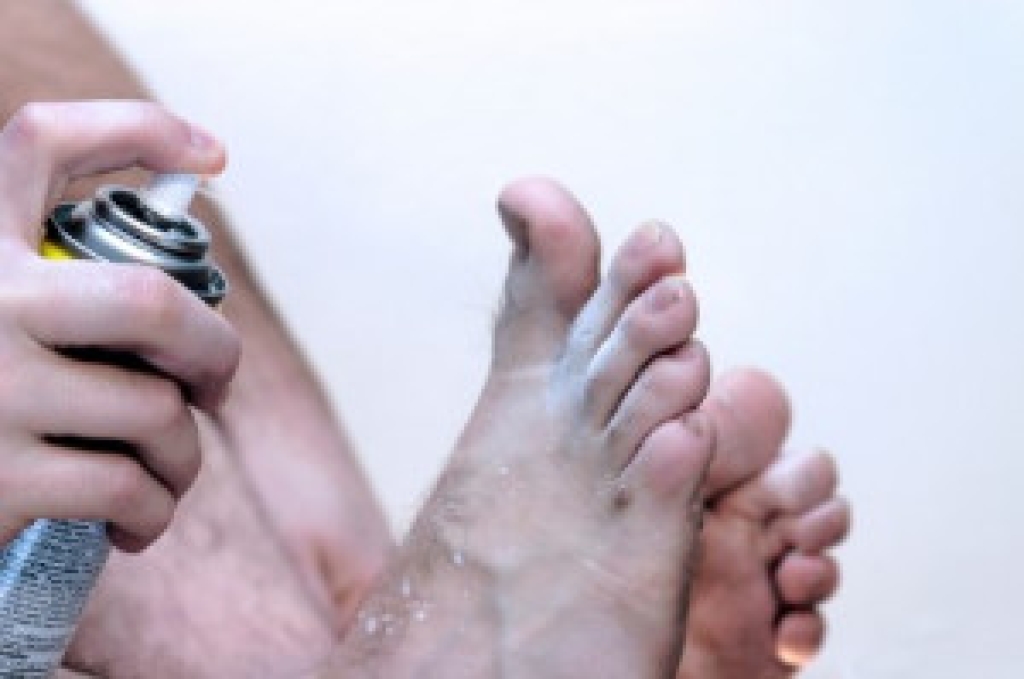
If you notice a rash on the skin of your feet, mainly between the toes, that is red, itchy, scaly or dry, it may be a sign of a fungal infection known as athlete’s foot. Athlete’s foot can cause other symptoms such as a foul odor, cracked and peeling skin, and a burning sensation. The fungi that cause athlete’s foot often thrive in warm and moist environments which means that it often spreads in areas such as communal showers or public pools.  Other ways athlete’s foot can spread include sharing items that touch the feet, as well as touching the infected area directly. Patients who believe that they may have athlete’s foot should consult with a podiatrist for treatment in order to clear the infection and prevent it from spreading. 

Athlete’s Foot

Athlete’s foot is often an uncomfortable condition to experience. Thankfully, podiatrists specialize in treating athlete’s foot and offer the best treatment options. If you have any questions about athlete’s foot, consult with one of our podiatrists from New Jersey Foot & Ankle Centers. Our doctors will assess your condition and provide you with quality treatment.

What Is Athlete’s Foot?

Tinea pedis, more commonly known as athlete’s foot, is a non-serious and common fungal infection of the foot. Athlete’s foot is contagious and can be contracted by touching someone who has it or infected surfaces. The most common places contaminated by it are public showers, locker rooms, and swimming pools. Once contracted, it grows on feet that are left inside moist, dark, and warm shoes and socks.

Prevention

The most effective ways to prevent athlete’s foot include:

  • Thoroughly washing and drying feet
  • Avoid going barefoot in locker rooms and public showers
  • Using shower shoes in public showers
  • Wearing socks that allow the feet to breathe
  • Changing socks and shoes frequently if you sweat a lot

Symptoms

Athlete’s foot initially occurs as a rash between the toes. However, if left undiagnosed, it can spread to the sides and bottom of the feet, toenails, and if touched by hand, the hands themselves. Symptoms include:

  • Redness
  • Burning
  • Itching
  • Scaly and peeling skin

Diagnosis and Treatment

Diagnosis is quick and easy. Skin samples will be taken and either viewed under a microscope or sent to a lab for testing. Sometimes, a podiatrist can diagnose it based on simply looking at it. Once confirmed, treatment options include oral and topical antifungal medications.

If you have any questions, please feel free to contact our office located in Oradell, NJ . We offer the newest diagnostic and treatment technologies for all your foot care needs.

Read more about Athlete’s Foot

Is Standing All Day Bad?

You may have once heard that it is better to stand than sit, however, this may not be entirely accurate. While it might be true that sitting too much can have ill effects on your overall health, standing all day is also not great. Standing for prolonged periods of time has been linked to muscle strain, fatigue, swelling, varicose veins, leg cramps, joint problems, plantar fasciitis, bunions, calluses, and corns. If you must stand for long periods of time, it is suggested that you frequently change the position you stand in, wear comfortable and supportive shoes, walk around and stretch your feet, and take occasional breaks to sit and rest. If you are suffering from foot pain, please seek the care of a podiatrist. 

While working on the feet, it is important to take the proper care of them. For more information about working on your feet, contact one of our podiatrists from New Jersey Foot & Ankle Centers. Our doctors will treat your foot and ankle needs.

Working on Your Feet

Standing on your feet for long periods of time can cause stress and pain in your feet. Your whole body may experience change in terms of posture, back pain, bunions, callouses and or plantar warts. There are ways to avoid these conditions with proper foot care, smart choices and correct posture.

Positive Changes

Negative heeled shoe – Choosing this shoe type places the heel slightly lower than the ball of the foot. These are great for overall foot health. Find shoes that fit you correctly.

Go barefoot – Our feet were not designed to be enclosed for all hours of the day. Try to periodically expose your feet to air.

Eliminate Pain

Foot Exercises – Performing simple exercises, incorporating yoga and doing stretches are beneficial. This will allow increased blood flow to the area and muscles of the foot.

Achilles tendon – Stretching the foot out flat on the floor will relax the calf muscles and tendon. These exercises can be performed almost anywhere. Make sure you add these exercises to your daily regimen. 

With a little bit of this information and knowing more about foot health, you will notice changes. Foot stretches and proper footwear will help with pain and prevent further issues.

If you have any questions please contact our office located in Oradell, NJ . We offer the newest diagnostic and treatment technologies for all your foot and ankle needs.

Read more about How to Handle a Long Work Day on Your Feet

How to Care For an Ankle Sprain After Leaving the Doctor’s Office

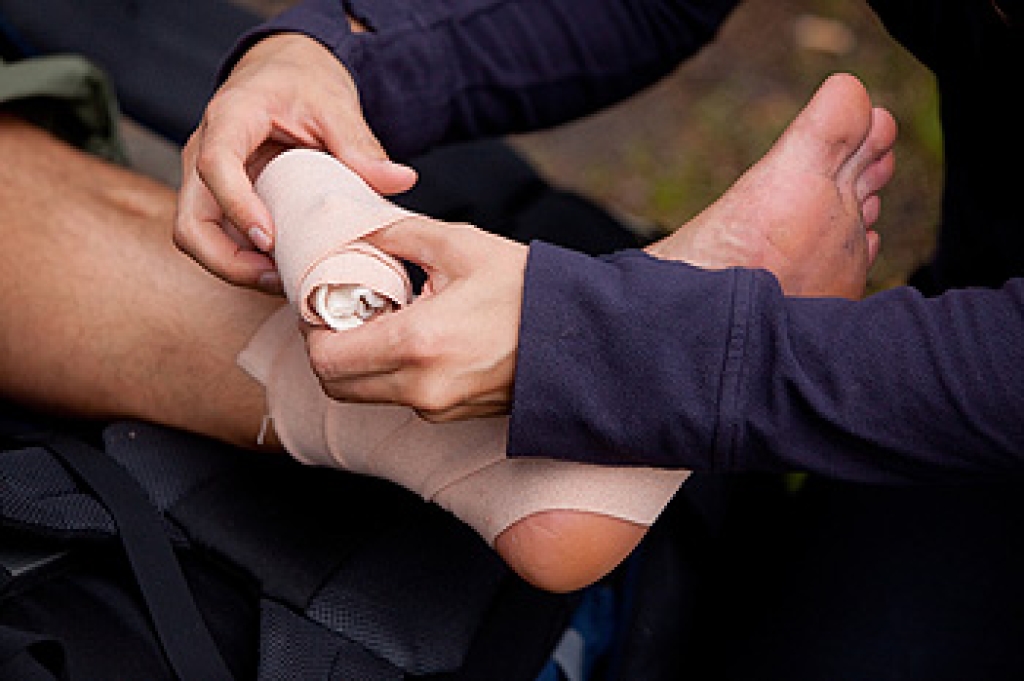
If you have sprained your ankle it is very important to seek the care of a podiatrist who can diagnose and treat your injury. But treatment does not begin and end at the doctor’s office. There are many things that you may need to do at home to ensure that your ankle heals properly. You should try to keep weight off of your injured ankle by keeping it elevated by propping it up on a pillow in order to reduce swelling. Put ice on your injured ankle periodically for three days following your injury to control swelling. Take any pain medications and wear splints, braces, or other orthotics as prescribed. For more information about caring for a sprained ankle, please consult with your podiatrist. 

Ankle sprains are common but need immediate attention. If you need your feet checked, contact one of our podiatrists from New Jersey Foot & Ankle Centers. Our doctors can provide the care you need to keep you pain-free and on your feet.

How Does an Ankle Sprain Occur?

Ankle sprains take place when the ligaments in your ankle are torn or stretched beyond their limits. There are multiple ways that the ankle can become injured, including twisting or rolling over onto your ankle, putting undue stress on it, or causing trauma to the ankle itself.

What Are the Symptoms?

  • Mild to moderate bruising
  • Limited mobility
  • Swelling
  • Discoloration of the skin (depending on severity)

Preventing a Sprain

  • Wearing appropriate shoes for the occasion
  • Stretching before exercises and sports
  • Knowing your limits

Treatment of a Sprain

Treatment of a sprain depends on the severity.  Many times, people are told to rest and remain off their feet completely, while others are given an air cast. If the sprain is very severe, surgery may be required.

If you have suffered an ankle sprain previously, you may want to consider additional support such as a brace and regular exercises to strengthen the ankle.

If you have any questions please feel free to contact our office located in Oradell, NJ . We offer the newest diagnostic tools and technology to treat your foot and ankle needs.

Read more about Ankle Sprains

Understanding and Diagnosing Vascular Disease

Vascular diseases affect the circulatory system and can involve blood disorders or abnormalities in the arteries, veins, or lymph vessels. Peripheral Artery Disease (PAD) is a type of vascular disease which causes a narrowing or blockage in the arteries that prevents their capacity to carry oxygen-rich blood away from the heart to the legs and feet. PAD can cause leg pain when walking (claudication), numbness, tingling, coldness, or an inability for wounds to heal in the legs or feet. Left untreated, PAD may also be a precursor to life-threatening issues such as a heart attack or stroke. If you are experiencing any of these symptoms in your legs or feet, schedule an appointment with a podiatrist who can help diagnose and treat PAD. They will perform a physical examination and may even suggest that tests be performed to help assess the presence and severity of vascular disease, such as a Computed Tomography Angiography (CTA) and Magnetic Resonance Angiography (MRA). CTA uses a type of X-ray scan, while MRA uses radio wave technology. Both tests produce 3D imaging and typically involve inserting a contrasting material (dye) in the blood vessels which makes them easier to visualize.

Vascular testing plays an important part in diagnosing disease like peripheral artery disease. If you have symptoms of peripheral artery disease, or diabetes, consult with one of our podiatrists from New Jersey Foot & Ankle Centers. Our doctors will assess your condition and provide you with quality foot and ankle treatment.

What Is Vascular Testing?

Vascular testing checks for how well blood circulation is in the veins and arteries. This is most often done to determine and treat a patient for peripheral artery disease (PAD), stroke, and aneurysms. Podiatrists utilize vascular testing when a patient has symptoms of PAD or if they believe they might. If a patient has diabetes, a podiatrist may determine a vascular test to be prudent to check for poor blood circulation.

How Is it Conducted?

Most forms of vascular testing are non-invasive. Podiatrists will first conduct a visual inspection for any wounds, discoloration, and any abnormal signs prior to a vascular test.

 The most common tests include:

  • Ankle-Brachial Index (ABI) examination
  • Doppler examination
  • Pedal pulses

These tests are safe, painless, and easy to do. Once finished, the podiatrist can then provide a diagnosis and the best course for treatment.

If you have any questions please contact our office located in Oradell, NJ . We offer the newest diagnostic and treatment technologies for all your foot and ankle needs.

Read more about Vascular Testing in Podiatry

Connect With Us

Book Online