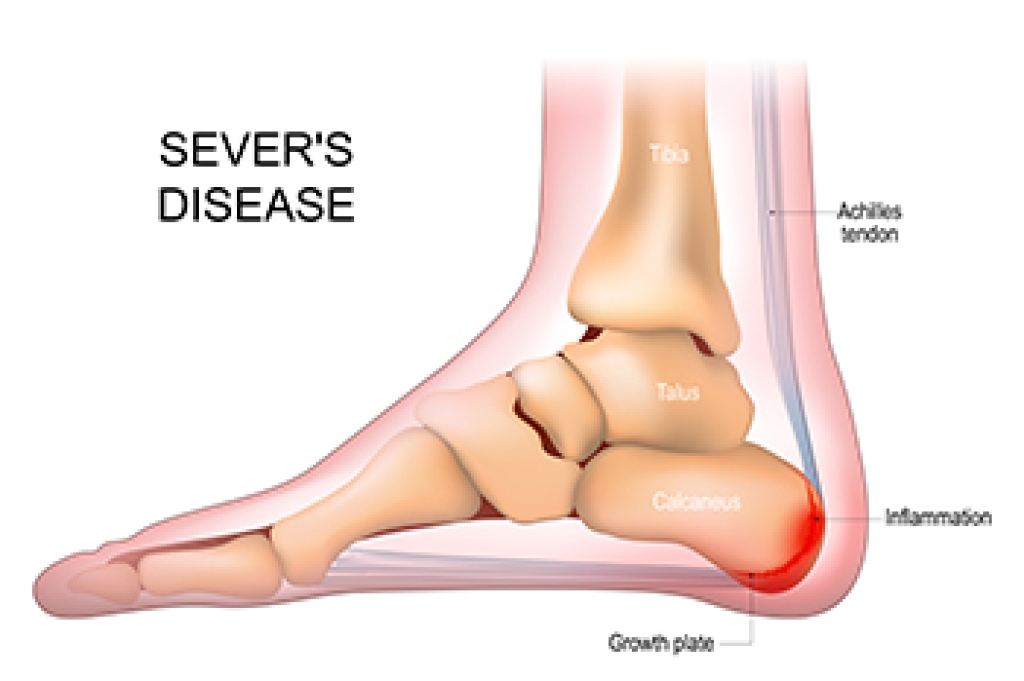
Recognizing Symptoms of Sever’s Disease

Sever's disease, despite its name, is not an illness but a common heel condition affecting growing children, particularly those engaged in sports or activities that involve repetitive stress on the heel bone. Commonly observed in children aged 8 to 14, Sever's disease arises from the inflammation of the growth plate in the heel, where the Achilles tendon attaches. Recognizing the symptoms is vital for early intervention. Affected children may experience heel pain, swelling, and tenderness, especially during or after physical activity. As bones grow faster than muscles and tendons during this age range, the tightness and strain on the heel's growth plate become more pronounced. Factors such as rapid growth, high-impact sports, or wearing inadequate footwear contribute to vulnerability. Understanding Sever's disease and its symptoms equips parents, coaches, and young athletes to navigate this temporary, but uncomfortable condition with informed care and appropriate preventive measures. If your active child has heel pain, it is strongly suggested that he or she is under the care of a podiatrist who can effectively diagnose and treat this condition.

Sever's disease often occurs in children and teens. If your child is experiencing foot or ankle pain, see one of our podiatrists from New Jersey Foot & Ankle Centers. Our doctors can treat your child’s foot and ankle needs.

Sever’s Disease

Sever’s disease is also known as calcaneal apophysitis, which is a medical condition that causes heel pain I none or both feet. The disease is known to affect children between the ages of 8 and 14.

Sever’s disease occurs when part of the child’s heel known as the growth plate (calcaneal epiphysis) is attached to the Achilles tendon. This area can suffer injury when the muscles and tendons of the growing foot do not keep pace with bone growth. Therefore, the constant pain which one experiences at the back of the heel will make the child unable to put any weight on the heel. The child is then forced to walk on their toes.

Symptoms

Acute pain – Pain associated with Sever’s disease is usually felt in the heel when the child engages in physical activity such as walking, jumping and or running.

Highly active – Children who are very active are among the most susceptible in experiencing Sever’s disease, because of the stress and tension placed on their feet.

If you have any questions, please feel free to contact our office located in Oradell, NJ . We offer the newest diagnostic and treatment technologies for all your foot care needs.

Read more about Sever's Disease

Causes of Heel Spurs

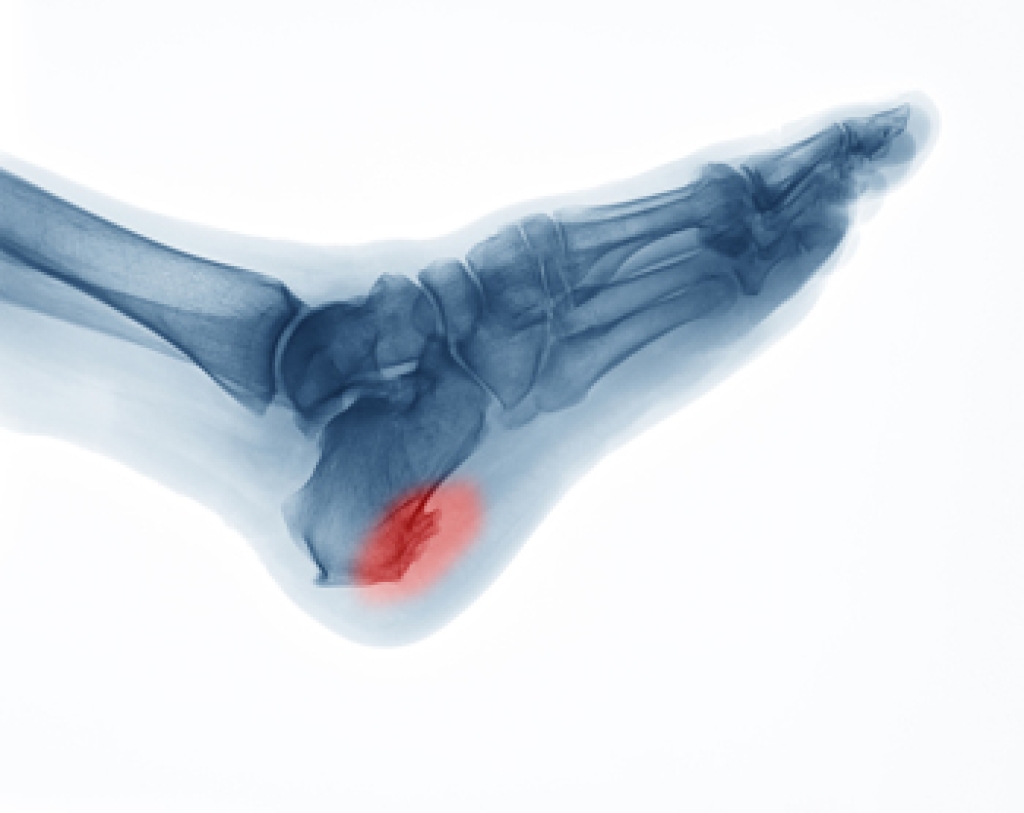
Heel bone spurs, or calcaneal spurs, are abnormal bone growths that look like hard lumps on the back of or underneath the heel. These formations are caused by persistent irritation or stress on the heel bone. This prompts the cells responsible for bone growth to produce excess calcium deposits over time. One of the causes of heel spurs is tightness in soft tissues like ligaments, muscles, and tendons. When these tissues are under increased tension, they exert excessive force on the attached bone, leading to inflammation and the development of bone spurs. Conditions such as plantar fasciitis, characterized by heightened tension in the plantar fascia under the sole of the foot, can also be a factor. Wearing shoes that are too tight, lack support, or have an improper shape create repetitive friction on different foot areas. The back of the heel is particularly susceptible to this friction, resulting in the accumulation of calcium deposits and the subsequent formation of calcaneal bone spurs. Women, who frequently wear tight fitting shoes that have high heels or pointed toes, are at a higher risk of developing such heel bone spurs. If you believe you may have developed a heel bone spur, it is suggested that you make an appointment with a podiatrist for a comprehensive evaluation. 

Heel spurs can be incredibly painful and sometimes may make you unable to participate in physical activities. To get medical care for your heel spurs, contact one of our podiatrists from New Jersey Foot & Ankle Centers. Our doctors will do everything possible to treat your condition.

Heels Spurs

Heel spurs are formed by calcium deposits on the back of the foot where the heel is. This can also be caused by small fragments of bone breaking off one section of the foot, attaching onto the back of the foot. Heel spurs can also be bone growth on the back of the foot and may grow in the direction of the arch of the foot.

Older individuals usually suffer from heel spurs and pain sometimes intensifies with age. One of the main condition's spurs are related to is plantar fasciitis.

Pain

The pain associated with spurs is often because of weight placed on the feet. When someone is walking, their entire weight is concentrated on the feet. Bone spurs then have the tendency to affect other bones and tissues around the foot. As the pain continues, the feet will become tender and sensitive over time.

Treatments

There are many ways to treat heel spurs. If one is suffering from heel spurs in conjunction with pain, there are several methods for healing. Medication, surgery, and herbal care are some options.

If you have any questions, please feel free to contact our office located in Oradell, NJ . We offer the newest diagnostic and treatment technologies for all your foot care needs.
Read more about How to Treat Heel Spurs

Tips to Prevent Jogging and Running Injuries

Running and jogging are fantastic ways to stay active and maintain physical fitness, but they also come with potential injury risks. To ensure you can enjoy these activities safely and remain injury- free, consider these key strategies. Firstly, invest in the right footwear. Proper running shoes provide essential support, cushioning, and shock absorption to minimize the risk of injuries. It is important to make sure they fit well and match your gait. Always prioritize warm up and cool down routines. Dynamic stretches before your run and static stretches afterward can improve flexibility and reduce the risk of muscle strains. Progressive training is vital. Gradually increasing the intensity and duration of your runs can allow your body to adapt and reduce the risk of overuse injuries. Lastly, mix up your running surfaces to reduce the impact on your joints. Incorporating grass, trails, and tracks into your routine can help prevent overuse injuries on harder surfaces. By following these guidelines, you can minimize the risk of running and jogging injuries, making these activities enjoyable and sustainable parts of your fitness regimen. For more information on effective running injury prevention techniques, it is suggested that you contact a podiatrist who can provide you with this knowledge. 

All runners should take extra precaution when trying to avoid injury. If you have any concerns about your feet, contact one of our podiatrists of New Jersey Foot & Ankle Centers. Our doctors will treat your foot and ankle needs.

How to Prevent Running Injuries

There are a lot of mistakes a runner can make prior to a workout that can induce injury. A lot of athletes tend to overstretch before running, instead of saving those workouts for a post-run routine. Deep lunges and hand-to-toe hamstring pulls should be performed after a workout instead of during a warmup. Another common mistake is jumping into an intense routine before your body is physically prepared for it. You should try to ease your way into long-distance running instead of forcing yourself to rush into it.

More Tips for Preventing Injury

  • Incorporate Strength Training into Workouts - This will help improve the body’s overall athleticism
  • Improve and Maintain Your Flexibility – Stretching everyday will help improve overall performance
  • “Warm Up” Before Running and “Cool Down” Afterward – A warm up of 5-10 minutes helps get rid of lactic acid in the muscles and prevents delayed muscle soreness
  • Cross-Training is Crucial
  • Wear Proper Running Shoes
  • Have a Formal Gait Analysis – Poor biomechanics can easily cause injury

If you have any questions, please feel free to contact our office located in Oradell, NJ . We offer the newest diagnostic and treatment technologies for all your foot care needs.

Read more about How to Prevent Running Injuries

Infections and Ankle Pain

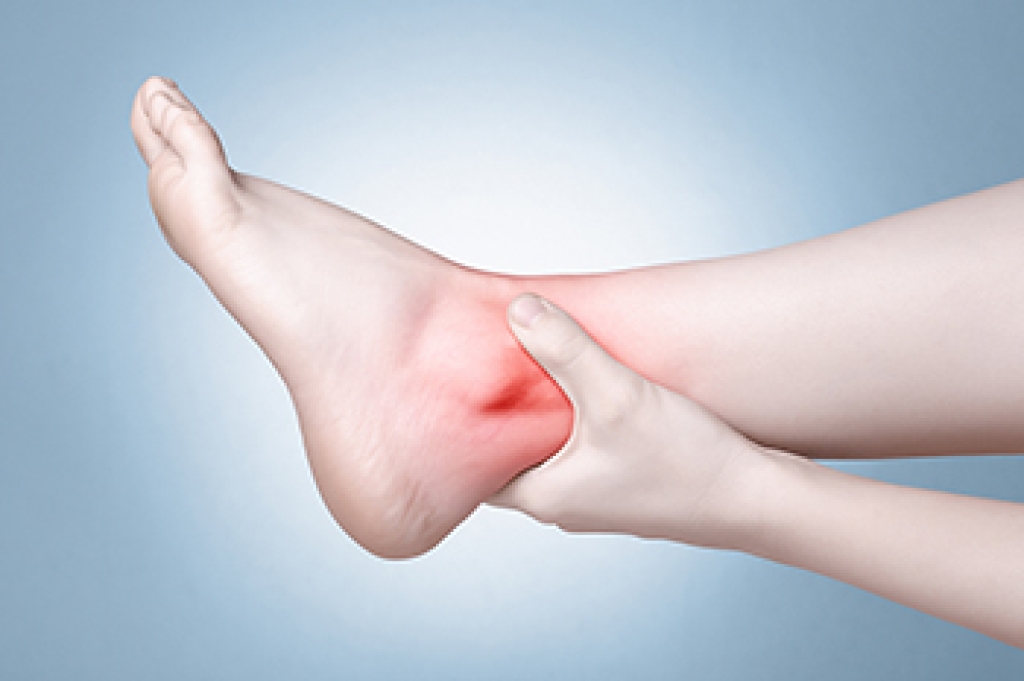
An infection in the ankle can lead to swelling and discomfort. One common type of skin infection on the ankle is cellulitis. People with diabetes are particularly susceptible to foot and ankle infections, making regular inspections for bruises, cuts, and scrapes crucial. When someone with diabetes leaves a foot or leg infection untreated, it can progress to gangrene. Gangrene is a serious condition that causes tissues to die, possibly resulting in a severe infection or reduced blood supply. Treatment for ankle infections varies depending on their type and severity. In cases of bacterial infections, a podiatrist will prescribe antibiotics to combat the infection. However, if the infection has advanced to gangrene, surgical intervention may be necessary to remove the damaged tissue and prevent further complications. Early detection and appropriate treatment are essential in managing these infections. If you have ankle pain and a brewing infection in this area, it is strongly suggested that you see a podiatrist as quickly as possible for a proper diagnosis and immediate treatment.

Ankle pain can be caused by a number of problems and may be potentially serious. If you have ankle pain, consult with one of our podiatrists from New Jersey Foot & Ankle Centers. Our doctors will assess your condition and provide you with quality foot and ankle treatment.

Ankle pain is any condition that causes pain in the ankle. Due to the fact that the ankle consists of tendons, muscles, bones, and ligaments, ankle pain can come from a number of different conditions.

Causes

The most common causes of ankle pain include:

  • Types of arthritis (rheumatoid, osteoarthritis, and gout)
  • Ankle sprains
  • Broken ankles
  • Achilles tendonitis
  • Achilles tendon rupture
  • Stress fractures
  • Bursitis
  • Tarsal tunnel syndrome
  • Plantar fasciitis

Symptoms

Symptoms of ankle injury vary based upon the condition. Pain may include general pain and discomfort, swelling, aching, redness, bruising, burning or stabbing sensations, and/or loss of sensation.

Diagnosis

Due to the wide variety of potential causes of ankle pain, podiatrists will utilize a number of different methods to properly diagnose ankle pain. This can include asking for personal and family medical histories and of any recent injuries. Further diagnosis may include sensation tests, a physical examination, and potentially x-rays or other imaging tests.

Treatment

Just as the range of causes varies widely, so do treatments. Some more common treatments are rest, ice packs, keeping pressure off the foot, orthotics and braces, medication for inflammation and pain, and surgery.

If you have any questions please feel free to contact our office located in Oradell, NJ . We offer the newest diagnostic tools and technology to treat your foot and ankle needs.

Read more about Various Causes of Ankle Pain

Get Professional Care for a Broken Foot or Ankle

Constant care and regular evaluation are important for a foot or ankle fracture. If left untreated, foot or ankle fractures can worsen over time and create more serious problems.

Don't wait to be examined if you believe you've experienced a foot or ankle fracture.

Connect With Us

Book Online