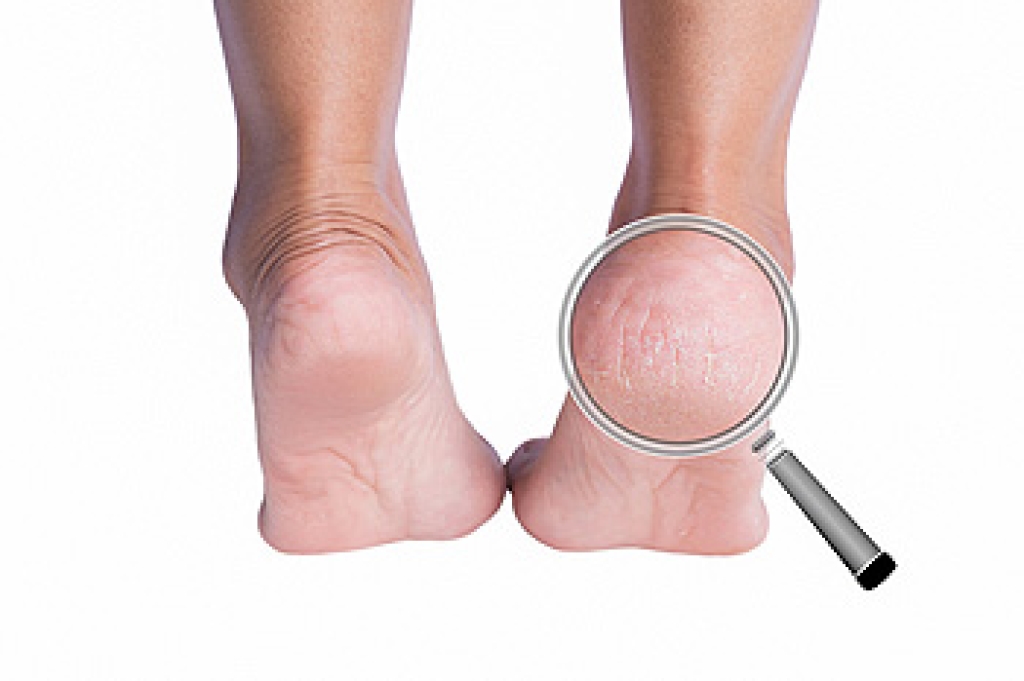
Podiatric Treatment for Cracked Heels

Cracked heels develop when the skin around the heel becomes dry, thick, and less flexible. Extra pressure on this skin can cause it to split, creating cracks that are also called heel fissures. Small cracks can cause mild discomfort, while deeper cracks can become painful or bleed. Symptoms include dry skin, thickened areas, and visible splits around the heel. Standing for long periods of time can place additional pressure on the heel. Wearing open-backed shoes can also contribute because they allow the heel to spread outward. Cold, dry weather and certain skin conditions can make the problem worse.

Several health conditions can contribute to dry, cracked heels. Athlete's foot can cause dry or irritated skin, while other conditions can affect the skin's ability to hold moisture. A podiatrist can examine the heels to determine the severity of the cracks and look for signs of infection. The examination can also help identify pressure patterns or another foot problem that contributes to cracking. Redness, warmth, or drainage can signal an infection and require prompt attention. Patients with diabetes should have cracked heels professionally evaluated because breaks in the skin can increase the risk of serious foot complications.

Podiatric treatment for cracked heels focuses on restoring healthier skin and protecting areas that have split. A podiatrist can carefully remove thick, hardened skin through a procedure called debridement. Treatment can also include prescription-strength creams, protective dressings, or medical skin glue for certain cracks. Shoe inserts can redistribute pressure across the heel and reduce stress on damaged skin. A podiatrist can determine which treatment is appropriate based on the depth of the cracks and the patient's overall foot health. Professional treatment is especially important when cracks are painful, bleeding, or showing signs of infection. Addressing the cause can help protect the skin and improve comfort while standing or walking. If you have racked heels, it is suggested that you schedule an appointment with a podiatrist for effective relief and treatment solutions, which may include  prescribed  medication.

Cracked heels are unsightly and can cause further damage to your shoes and feet. If you have any concerns, contact one of our podiatrists from New Jersey Foot & Ankle Centers. Our doctors can provide the care you need to keep you pain-free and on your feet.

Cracked Heels

Cracked heels appear unappealing and can make it harder for you walk around in sandals. Aside from looking unpleasant, cracked heels can also tear stockings, socks, and wear out your shoes. There are several methods to help restore a cracked heel and prevent further damage.

How Do You Get Them?

Dry skin is the number one culprit in creating cracked heels. Many athletes, walkers, joggers, and even swimmers suffer from cracked heels. Age and skin oil production play a role to getting cracked heels as well.

Promote Healing

Over the counter medicines can help, especially for those that need instant relief or who suffer from chronic dry feet.

Wear Socks – Wearing socks with medicated creams helps lock in moisture.

Moisturizers – Applying both day and night will help alleviate dryness which causes cracking.

Pumice Stones – These exfoliate and remove dead skin, which allows for smoother moisturizer application and better absorption into the skin. 

Change in Diet

Eating healthy with a well-balanced diet will give the skin a fresh and radiant look. Your body responds to the kinds of food you ingest. Omega-3 fatty acids and zinc supplements can also revitalize skin tissue.

Most importantly, seek professional help if unsure how to proceed in treating cracked heels. A podiatrist will help you with any questions or information needed. 

If you have any questions, please feel free to contact our office located in Oradell, NJ . We offer the newest diagnostic and treatment technologies for all your foot care needs.
Read more about Solutions for Cracked Heels

Understanding Congenital Foot Problems

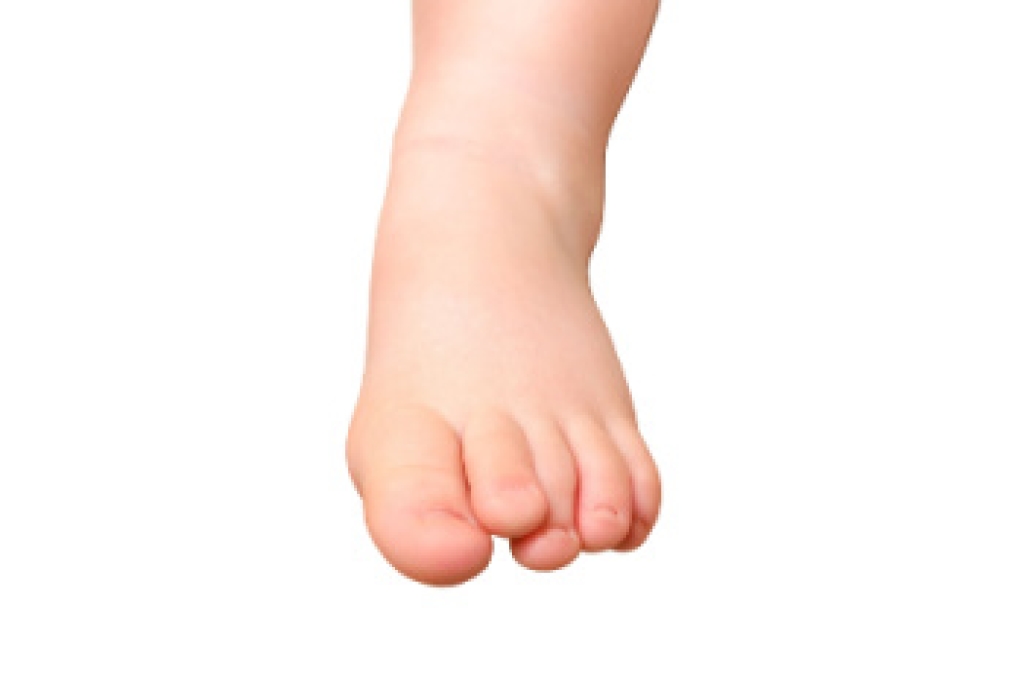
Congenital foot problems are abnormalities in foot structure or alignment that develop before birth. These conditions may affect how a child's feet look, move, or support body weight. Some abnormalities are noticeable immediately after birth, while others become more apparent as children begin standing and walking. One common congenital foot problem is clubfoot, which causes the foot to turn inward and downward. Another is metatarsus adductus, where the front portion of the foot curves inward. Congenital vertical talus is a less common deformity that creates a rigid, unusually rounded sole. These conditions vary in severity and may affect one or both feet. Genetic factors and developmental changes during pregnancy may contribute to certain foot abnormalities. Understanding these differences is important because some conditions improve naturally, while others require early treatment to support healthy foot development.


The effects of congenital foot problems depend on the type of deformity and how severely the foot is affected. Children with mild, flexible abnormalities may experience few difficulties as they grow. However, more serious deformities may interfere with standing, walking, or maintaining balance. Clubfoot involves changes in the position of the bones and surrounding soft tissues, which may limit normal foot movement. Without appropriate treatment, the child may have difficulty placing the foot flat against the ground. Metatarsus adductus often improves during infancy, particularly when the foot remains flexible. More rigid abnormalities may persist and require additional care. Certain congenital foot problems may also be associated with underlying neurological or developmental conditions. Early identification helps determine whether the foot is developing normally and whether treatment is necessary. Recognizing these differences supports appropriate decisions during important stages of childhood growth.


Podiatric care focuses on evaluating foot structure, alignment, and movement in children with congenital foot abnormalities. A podiatrist examines the position of the feet, checks joint flexibility, and reviews the child's developmental history. This evaluation helps determine the severity of the deformity and identify appropriate treatment options. Depending on the condition, treatment may involve monitoring foot development, specialized casting, or supportive bracing. Clubfoot often requires a series of casts to gradually correct alignment, followed by bracing to maintain the improvement. More complex abnormalities may require surgical correction when other approaches are insufficient. Treatment plans depend on the child's age and specific foot structure. If your child has signs of a congenital foot problem, it is suggested that you consult a podiatrist for an evaluation and appropriate treatment options.

Congenital foot problems require immediate attention to avoid future complications. If you have any concerns, contact one of our podiatrists of New Jersey Foot & Ankle Centers. Our doctors can provide the care you need to keep you pain-free and on your feet.

Congenital foot problems are deformities affecting the feet, toes, and/or ankles that children are born with. Some of these conditions have a genetic cause while others just happen. Some specific foot ailments that children may be born with include clubfeet, polydactyly/macrodactyly, and cleft foot. There are several other foot anomalies that can occur congenitally. What all of these conditions have in common is that a child may experience difficulty walking or performing everyday activities, as well as trouble finding footwear that fits their foot deformity. Some of these conditions are more serious than others. Consulting with a podiatrist as early as possible will help in properly diagnosing a child’s foot condition while getting the necessary treatment underway.

What are Causes of Congenital Foot Problem?

A congenital foot problem is one that happens to a child at birth. These conditions can be caused by a genetic predisposition, developmental or positional abnormalities during gestation, or with no known cause.

What are Symptoms of Congenital Foot Problems?

Symptoms vary by the congenital condition. Symptoms may consist of the following:

  • Clubfoot, where tendons are shortened, bones are shaped differently, and the Achilles tendon is tight, causing the foot to point in and down. It is also possible for the soles of the feet to face each other.
  • Polydactyly, which usually consists of a nubbin or small lump of tissue without a bone, a toe that is partially formed but has no joints, or an extra toe.
  • Vertical talus, where the talus bone forms in the wrong position causing other bones in the foot to line up improperly, the front of the foot to point up, and the bottom of the foot to stiffen, with no arch, and to curve out.
  • Tarsal coalition, when there is an abnormal connection of two or more bones in the foot leading to severe, rigid flatfoot.
  • Cleft foot, where there are missing toes, a V-shaped cleft, and other anatomical differences.
  • Macrodactyly, when the toes are abnormally large due to overgrowth of the underlying bone or soft tissue.

Treatment and Prevention

While there is nothing one can do to prevent congenital foot problems, raising awareness and receiving neonatal screenings are important. Early detection by taking your child to a podiatrist leads to the best outcome possible.

If you have any questions, please feel free to contact our office located in Oradell, NJ . We offer the newest diagnostic and treatment technologies for all your foot care needs.

Read more about Congenital Foot Problems

When to See a Podiatrist for Athlete’s Foot

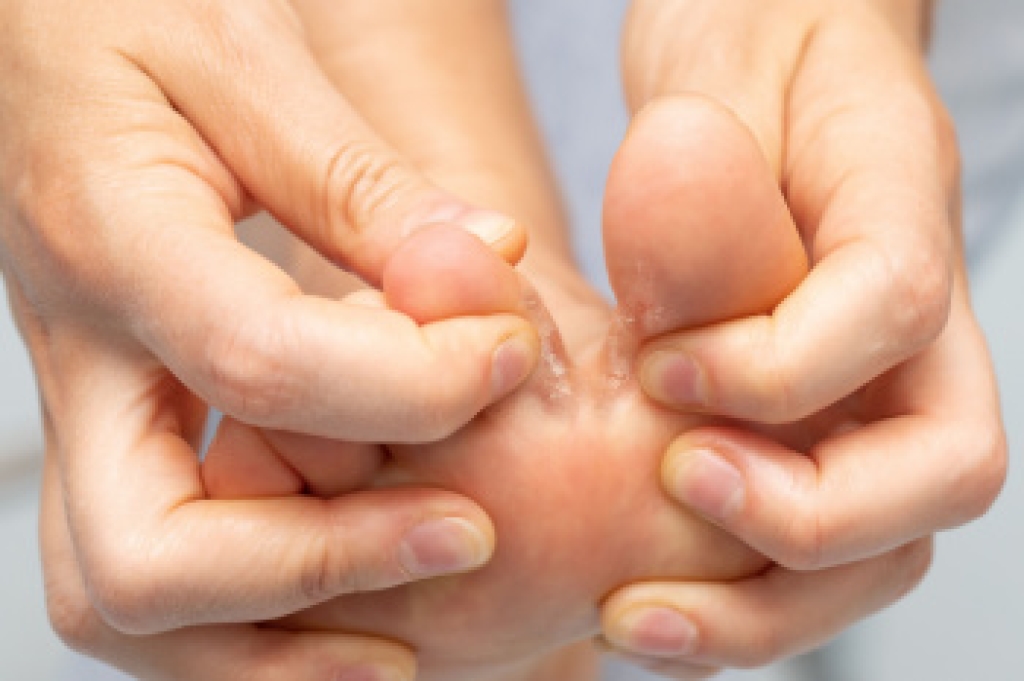
An itch between the toes might seem minor, but it could signal athlete’s foot, a fungal infection that affects the skin. Despite its name, this infection also affects people who never play sports. The fungus thrives in warm, damp places like shared showers and locker rooms. Contact with contaminated floors or infected skin allows it to spread. Sweaty feet and shoes that trap moisture create conditions that encourage fungal growth. The rash frequently starts between the fourth and fifth toes. It also affects the soles or sides of the feet, where dry, scaly skin sometimes resembles ordinary dryness.

Symptoms include itching, burning, and peeling skin. Some patients develop blisters or painful cracks that make walking uncomfortable. Skin between the toes might look white and softened, while other areas appear inflamed. Redness is sometimes less noticeable on darker skin. Scratching damages the skin and increases the risk of spreading the infection to other areas. Untreated athlete’s foot sometimes spreads to the toenails, making treatment more difficult. Breaks in the skin also provide an opening for bacteria. Patients with diabetes or poor circulation face greater risks from skin injuries and should seek prompt assessment. Spreading redness, warmth, or increasing pain requires urgent medical attention. 

A podiatrist examines the affected skin and asks about symptoms to identify the likely cause. Because eczema and other skin conditions resemble athlete’s foot, a small skin scraping helps confirm a fungal infection when the diagnosis is uncertain. Treatment targets the fungus and depends on the infection’s extent and severity. A podiatrist selects appropriate antifungal treatment and explains the expected recovery period. Follow-up visits help assess healing and address persistent symptoms. The podiatrist also checks for nail involvement and evaluates factors contributing to repeated infections. This helps guide treatment when symptoms return. If you have symptoms of an athlete’s foot infection, it is suggested that you schedule an appointment with a podiatrist for a diagnosis and appropriate treatment, which may include prescribed medication.

Athlete’s Foot

Athlete’s foot is often an uncomfortable condition to experience. Thankfully, podiatrists specialize in treating athlete’s foot and offer the best treatment options. If you have any questions about athlete’s foot, consult with one of our podiatrists from New Jersey Foot & Ankle Centers. Our doctors will assess your condition and provide you with quality treatment.

What Is Athlete’s Foot?

Tinea pedis, more commonly known as athlete’s foot, is a non-serious and common fungal infection of the foot. Athlete’s foot is contagious and can be contracted by touching someone who has it or infected surfaces. The most common places contaminated by it are public showers, locker rooms, and swimming pools. Once contracted, it grows on feet that are left inside moist, dark, and warm shoes and socks.

Prevention

The most effective ways to prevent athlete’s foot include:

  • Thoroughly washing and drying feet
  • Avoid going barefoot in locker rooms and public showers
  • Using shower shoes in public showers
  • Wearing socks that allow the feet to breathe
  • Changing socks and shoes frequently if you sweat a lot

Symptoms

Athlete’s foot initially occurs as a rash between the toes. However, if left undiagnosed, it can spread to the sides and bottom of the feet, toenails, and if touched by hand, the hands themselves. Symptoms include:

  • Redness
  • Burning
  • Itching
  • Scaly and peeling skin

Diagnosis and Treatment

Diagnosis is quick and easy. Skin samples will be taken and either viewed under a microscope or sent to a lab for testing. Sometimes, a podiatrist can diagnose it based on simply looking at it. Once confirmed, treatment options include oral and topical antifungal medications.

If you have any questions, please feel free to contact our office located in Oradell, NJ . We offer the newest diagnostic and treatment technologies for all your foot care needs.

Read more about Athlete’s Foot
scroll to top

Book Online