
If you are suffering from tenderness, pain, or stiffness in the joints of your feet or ankles, call us to schedule an appointment.
If you are suffering from tenderness, pain, or stiffness in the joints of your feet or ankles, call us to schedule an appointment.
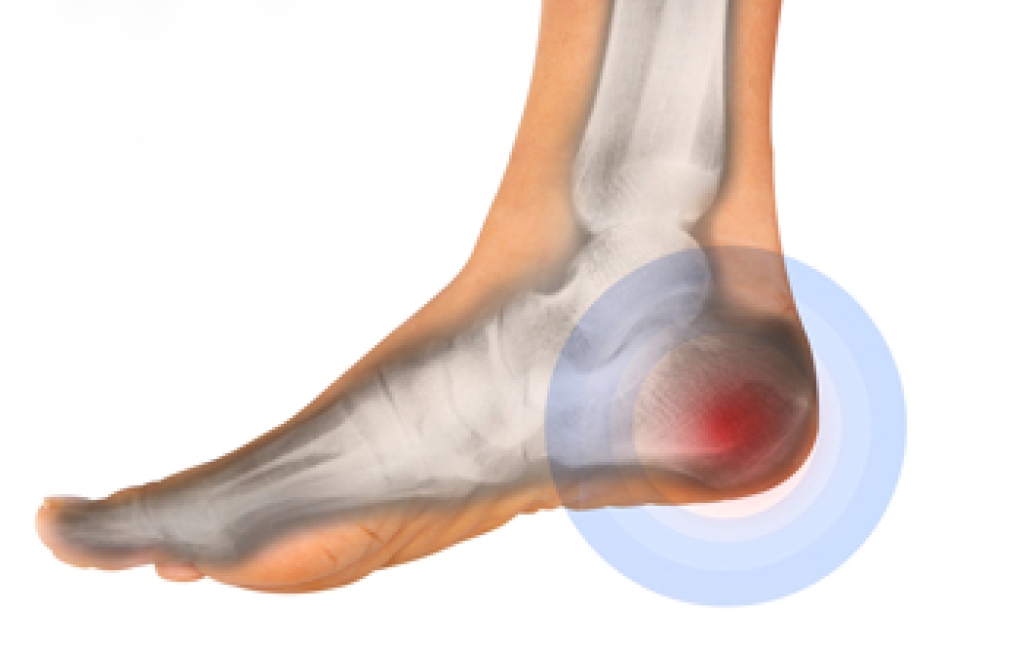
Baxter’s nerve entrapment is a cause of heel pain that is sometimes mistaken for plantar fasciitis. It occurs when a small nerve along the inside of the heel becomes compressed or irritated. This nerve helps supply feeling to part of the heel and foot muscles. Pain is usually felt on the inner side of the heel and may worsen with standing or walking for long periods of time. Some people notice burning, tingling, or aching rather than sharp pain. The discomfort may increase as the day goes on instead of being worse with first steps in the morning. Flat feet, swelling, muscle enlargement, or foot structure changes can increase pressure on the nerve. Because symptoms can overlap with other conditions, proper evaluation is important. If heel pain feels burning or persistent, it is suggested that you see a podiatrist for an accurate diagnosis and appropriate treatment.
Many people suffer from bouts of heel pain. For more information, contact one of our podiatrists of New Jersey Foot & Ankle Centers. Our doctors can provide the care you need to keep you pain-free and on your feet.
Causes of Heel Pain
Heel pain is often associated with plantar fasciitis. The plantar fascia is a band of tissues that extends along the bottom of the foot. A rip or tear in this ligament can cause inflammation of the tissue.
Achilles tendonitis is another cause of heel pain. Inflammation of the Achilles tendon will cause pain from fractures and muscle tearing. Lack of flexibility is also another symptom.
Heel spurs are another cause of pain. When the tissues of the plantar fascia undergo a great deal of stress, it can lead to ligament separation from the heel bone, causing heel spurs.
Why Might Heel Pain Occur?
Treatments
Heel pain should be treated as soon as possible for immediate results. Keeping your feet in a stress-free environment will help. If you suffer from Achilles tendonitis or plantar fasciitis, applying ice will reduce the swelling. Stretching before an exercise like running will help the muscles. Using all these tips will help make heel pain a condition of the past.
If you have any questions, please feel free to contact our office located in Oradell, NJ . We offer the newest diagnostic and treatment technologies for all your foot care needs.

Foot infections can affect the skin, nails, and deeper tissues of the toes, soles, and ankles when bacteria or fungi enter small breaks in the skin. Fungal infections involve athlete’s foot, which affects the skin between or under the toes, and onychomycosis, which causes thickened, discolored toenails. Bacterial infections include cellulitis, where redness and swelling spread through the skin and abscesses that form painful pockets of fluid. Erythrasma is a bacterial infection that develops between the toes, often appearing as reddish or brown, mildly scaly skin that can resemble a fungal infection. Infections can worsen circulation, limit walking, and increase the risk of joint or bone involvement that sometimes requires surgery to prevent limb loss. A podiatrist can identify the infection type, evaluate its severity, and determine appropriate treatment. If you have developed a foot infection, it is suggested that you make an appointment with a podiatrist for a diagnosis and options for treatment.
When dealing with systemic disease of the feet, it is extremely important to check the affected areas routinely so that any additional problems are caught quickly. If you have any concerns about your feet and ankles contact one of our podiatrists from New Jersey Foot & Ankle Centers. Our doctors will assist you with all of your podiatric needs.
Systemic Diseases of the Feet
Systemic diseases affect the whole body, and symptoms usually are displayed in the feet. This condition can make a patient’s ability to walk unbearable. Systemic diseases include gout, diabetes mellitus, neurological disorders, and arthritis.
Gout – is caused by an excess of uric acid in the body. Common symptoms include pain, inflammation, and redness at the metatarsal/phalangeal joint of the base big toe. Gout can be treated by NSAIDs to relieve pain and inflammation, and other drugs that lower the acid levels in the body.
Diabetes mellitus – is an increase in the level of blood sugar that the body cannot counteract with its own insulin. Failure to produce enough insulin is a factor in Diabetes.
Diabetes of the Feet
Diabetic Neuropathy – may lead to damaged nerves and affect the feet through numbness and loss of sensation.
Peripheral Vascular Disease – can restrict the blood flow to the feet, and often times lead to amputation of the feet.
If you have any questions please contact our office located in Oradell, NJ . We offer the newest diagnostic and treatment technologies for all your foot and ankle needs.

Arthritis in the toes affects the joints and can make everyday movement uncomfortable. It often develops with increased age as joint cartilage naturally wears down. Being overweight places added pressure on the toe joints, while genetics may increase the likelihood of developing this condition. Common symptoms include persistent pain, stiffness, swelling and reduced flexibility in the toes which may worsen with walking or standing. Some people notice tenderness, redness or difficulty wearing shoes comfortably. A podiatrist can help by evaluating joint health and recommending personalized treatment, such as supportive footwear, custom orthotics, targeted exercises, and pain management strategies. Early care can slow progression and improve function. If toe pain or stiffness is limiting your lifestyle, it is suggested that you consult a podiatrist who can offer effective relief and management tips.
Arthritis can be a difficult condition to live with. If you are seeking treatment, contact one of our podiatrists from New Jersey Foot & Ankle Centers. Our doctors can provide the care you need to keep you pain-free and on your feet.
Arthritic Foot Care
Arthritis is a joint disorder that involves the inflammation of different joints in your body, such as those in your feet. Arthritis is often caused by a degenerative joint disease and causes mild to severe pain in all affected areas. In addition to this, swelling and stiffness in the affected joints can also be a common symptom of arthritis.
In many cases, wearing ill-fitting shoes can worsen the effects and pain of arthritis. Wearing shoes that have a lower heel and extra room can help your feet feel more comfortable. In cases of rheumatoid arthritis, the arch in your foot may become problematic. Buying shoes with proper arch support that contour to your feet can help immensely.
Alleviating Arthritic Pain
It is best to see your doctor for the treatment that is right for your needs and symptoms. Conditions vary, and a podiatrist can help you determine the right method of care for your feet.
If you have any questions please feel free to contact our office located in Oradell, NJ . We offer the newest diagnostic tools and technology to treat your foot and ankle needs.

Rheumatoid arthritis is an autoimmune condition in which the body mistakenly attacks its own joints, and the small joints of the toes are often among the first to show signs of trouble. Early signs may include stiffness in the morning, swelling that makes shoes feel tight, or tenderness when pushing off during walking. As the condition progresses, the joints can lose stability, causing the toes to drift, curl, or feel less flexible than before. Some people develop pressure beneath the ball of the foot as alignment shifts, which can lead to discomfort with even short periods of standing. These changes can make movement more tiring and limit comfortable footwear choices. A podiatrist can assess the joints, recommend supportive shoes, provide inserts that improve alignment, and offer targeted treatments that ease irritation. If your toes are changing or becoming painful due to rheumatoid arthritis, it is suggested that you see a podiatrist for effective relief and management tips.
Because RA affects more than just your joints, including the joints in your feet and ankles, it is important to seek early diagnosis from your podiatrist if you feel like the pain in your feet might be caused by RA. For more information, contact one of our podiatrists of New Jersey Foot & Ankle Centers. Our doctors will assist you with all of your podiatric concerns.
What Is Rheumatoid Arthritis?
Rheumatoid Arthritis (RA) is an autoimmune disorder in which the body’s own immune system attacks the membranes surrounding the joints. Inflammation of the lining and eventually the destruction of the joint’s cartilage and bone occur, causing severe pain and immobility.
Rheumatoid Arthritis of the Feet
Although RA usually attacks multiple bones and joints throughout the entire body, almost 90 percent of cases result in pain in the foot or ankle area.
Symptoms
Diagnosis
Quick diagnosis of RA in the feet is important so that the podiatrist can treat the area effectively. Your doctor will ask you about your medical history, occupation, and lifestyle to determine the origin of the condition. Rheumatoid Factor tests help to determine if someone is affected by the disease.
If you have any questions, please feel free to contact our office located in Oradell, NJ . We offer the newest diagnostic and treatment technologies for all your foot care needs.
Connect With Us
