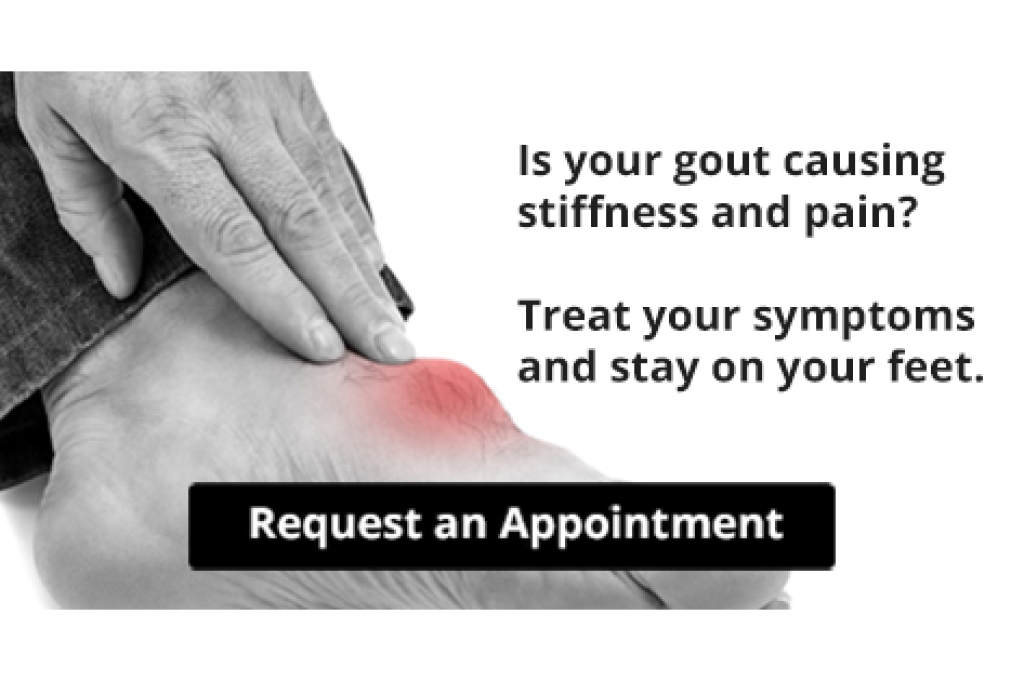
Gout is a painful, inflammatory form of arthritis. Those affected will typically feel an intense stiffness in the joints of their feet, particularly in the big toe. Schedule a visit to learn about how gout can be managed and treated.
Gout is a painful, inflammatory form of arthritis. Those affected will typically feel an intense stiffness in the joints of their feet, particularly in the big toe. Schedule a visit to learn about how gout can be managed and treated.
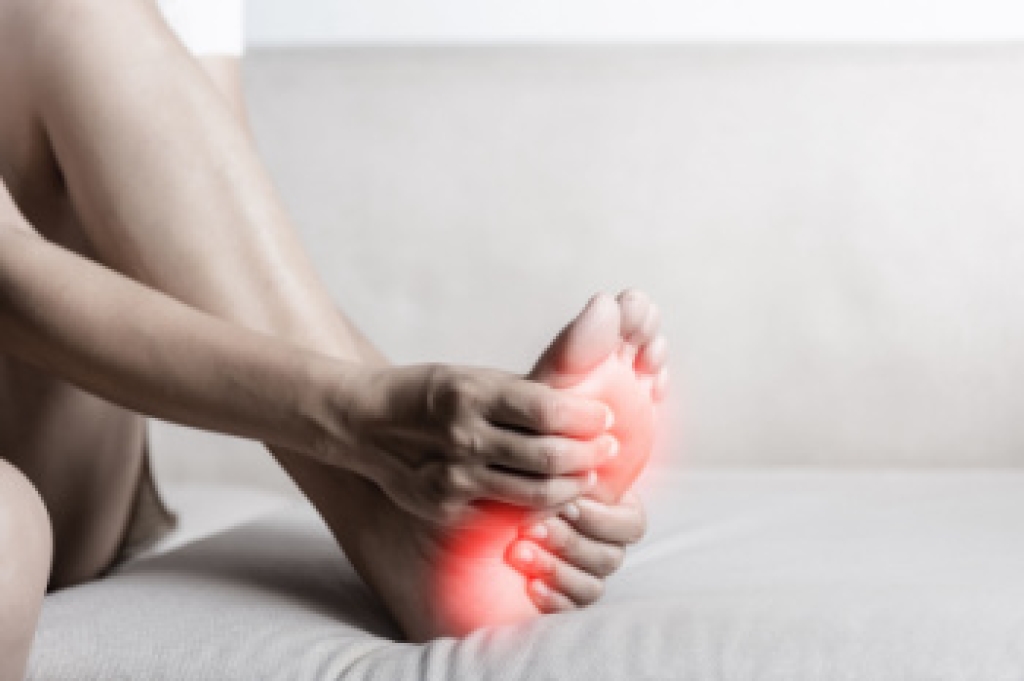
Pain in the ball of the foot can develop when nerves between the toes become irritated from pressure, stretching, or repeated friction. These nerves run between the long bones in the front of the foot and can enlarge over time, creating a thickened area called a neuroma. Most people notice a mild ache near the third or fourth toe that progresses to burning or tingling. Wearing narrow shoes, high heels, and flip-flops can increase pressure on the front of the foot, and some people feel as if a pebble is stuck under the toes. As nerve irritation progresses, closed-toe shoes often become difficult to wear. A podiatrist can examine the foot, assess posture, and recommend proper footwear or pads. In some cases, injections or surgery are considered to relieve pain. If you are experiencing pain in the ball of the foot, it is suggested that you schedule an appointment with a podiatrist for a diagnosis and appropriate treatment.
Neuropathy
Neuropathy can be a potentially serious condition, especially if it is left undiagnosed. If you have any concerns that you may be experiencing nerve loss in your feet, consult with one of our podiatrists from New Jersey Foot & Ankle Centers. Our doctors will assess your condition and provide you with quality foot and ankle treatment for neuropathy.
What Is Neuropathy?
Neuropathy is a condition that leads to damage to the nerves in the body. Peripheral neuropathy, or neuropathy that affects your peripheral nervous system, usually occurs in the feet. Neuropathy can be triggered by a number of different causes. Such causes include diabetes, infections, cancers, disorders, and toxic substances.
Symptoms of Neuropathy Include:
Those with diabetes are at serious risk due to being unable to feel an ulcer on their feet. Diabetics usually also suffer from poor blood circulation. This can lead to the wound not healing, infections occurring, and the limb may have to be amputated.
Treatment
To treat neuropathy in the foot, podiatrists will first diagnose the cause of the neuropathy. Figuring out the underlying cause of the neuropathy will allow the podiatrist to prescribe the best treatment, whether it be caused by diabetes, toxic substance exposure, infection, etc. If the nerve has not died, then it’s possible that sensation may be able to return to the foot.
Pain medication may be issued for pain. Electrical nerve stimulation can be used to stimulate nerves. If the neuropathy is caused from pressure on the nerves, then surgery may be necessary.
If you have any questions, please feel free to contact our office located in Oradell, NJ . We offer the newest diagnostic and treatment technologies for all your foot care needs.
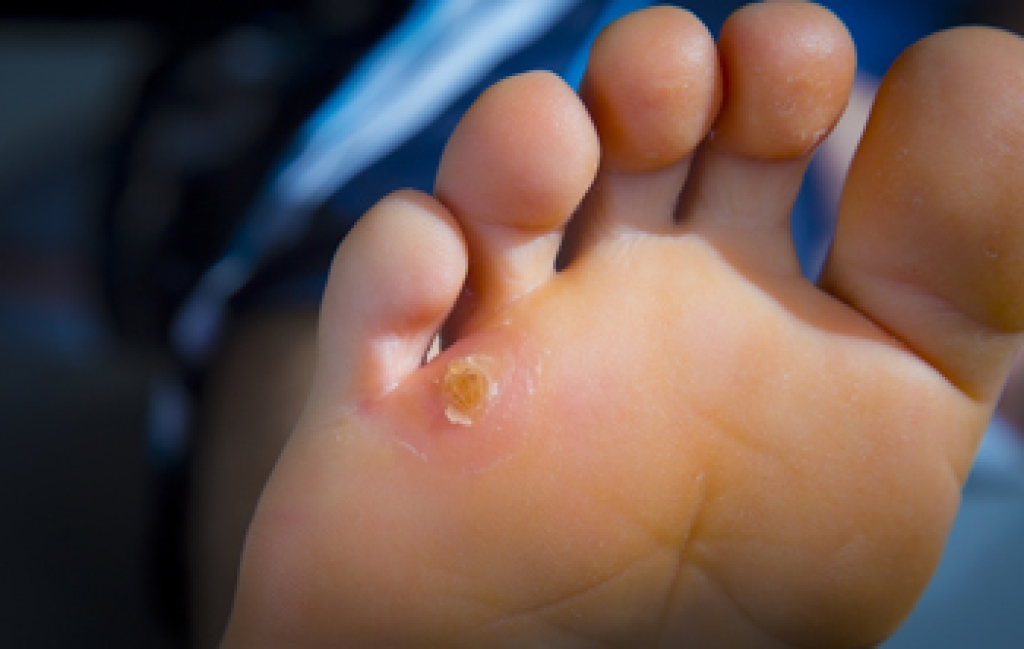
A foot corn is a common foot problem that develops when thickened skin forms in response to repeated pressure or friction. Corns often appear on toes or areas that rub against tight or poorly fitted shoes, leading to pain, tenderness, and irritation. They can become more uncomfortable over time if the pressure continues. Preventing corns starts with choosing comfortable shoes that fit well and do not create the same pressure spots. Soft insoles and protective pads can also reduce friction. A podiatrist can safely remove thickened skin, evaluate the cause of the pressure, and recommend footwear or orthotics to stop corns from returning. If you have ongoing foot discomfort or think you may have developed a corn, it is suggested that you schedule a visit with a podiatrist for expert care and relief.
If you have any concerns regarding your feet and ankles, contact one of our podiatrists of New Jersey Foot & Ankle Centers. Our doctors will treat your foot and ankle needs.
Corns: What Are They? and How Do You Get Rid of Them?
Corns can be described as areas of the skin that have thickened to the point of becoming painful or irritating. They are often layers and layers of the skin that have become dry and rough, and are normally smaller than calluses.
Ways to Prevent Corns
There are many ways to get rid of painful corns such as wearing:
Treating Corns
Treatment of corns involves removing the dead skin that has built up in the specific area of the foot. Consult with Our doctors to determine the best treatment option for your case of corns.
If you have any questions, please feel free to contact our office located in Oradell, NJ . We offer the newest diagnostic and treatment technologies for all your foot care needs.

An Achilles tendon rupture often occurs suddenly and may feel like a sharp snap or pop in the back of the lower leg. Many people describe an immediate sense of being kicked or struck, followed by difficulty putting weight on the foot. Pain can be intense at first, then shift to a deep aching sensation. Swelling, bruising, and weakness often develop quickly, and pointing the toes downward may feel difficult or impossible. Some individuals notice a small gap or soft spot along the tendon where the tear occurred. Daily movements such as walking, climbing stairs, or pushing off the ball of the foot become challenging. Quick recognition is important because early treatment supports healing and helps protect long-term function. If you have sudden pain, weakness, or loss of movement in the back of the leg, it is suggested that you see a podiatrist for a proper diagnosis and appropriate treatment.
Achilles tendon injuries need immediate attention to avoid future complications. If you have any concerns, contact one of our podiatrists of New Jersey Foot & Ankle Centers. Our doctors can provide the care you need to keep you pain-free and on your feet.
What Is the Achilles Tendon?
The Achilles tendon is a tendon that connects the lower leg muscles and calf to the heel of the foot. It is the strongest tendon in the human body and is essential for making movement possible. Because this tendon is such an integral part of the body, any injuries to it can create immense difficulties and should immediately be presented to a doctor.
What Are the Symptoms of an Achilles Tendon Injury?
There are various types of injuries that can affect the Achilles tendon. The two most common injuries are Achilles tendinitis and ruptures of the tendon.
Achilles Tendinitis Symptoms
Rupture Symptoms
Treatment and Prevention
Achilles tendon injuries are diagnosed by a thorough physical evaluation, which can include an MRI. Treatment involves rest, physical therapy, and in some cases, surgery. However, various preventative measures can be taken to avoid these injuries, such as:
If you have any questions please feel free to contact our office located in Oradell, NJ . We offer the newest diagnostic tools and technology to treat your foot and ankle needs.
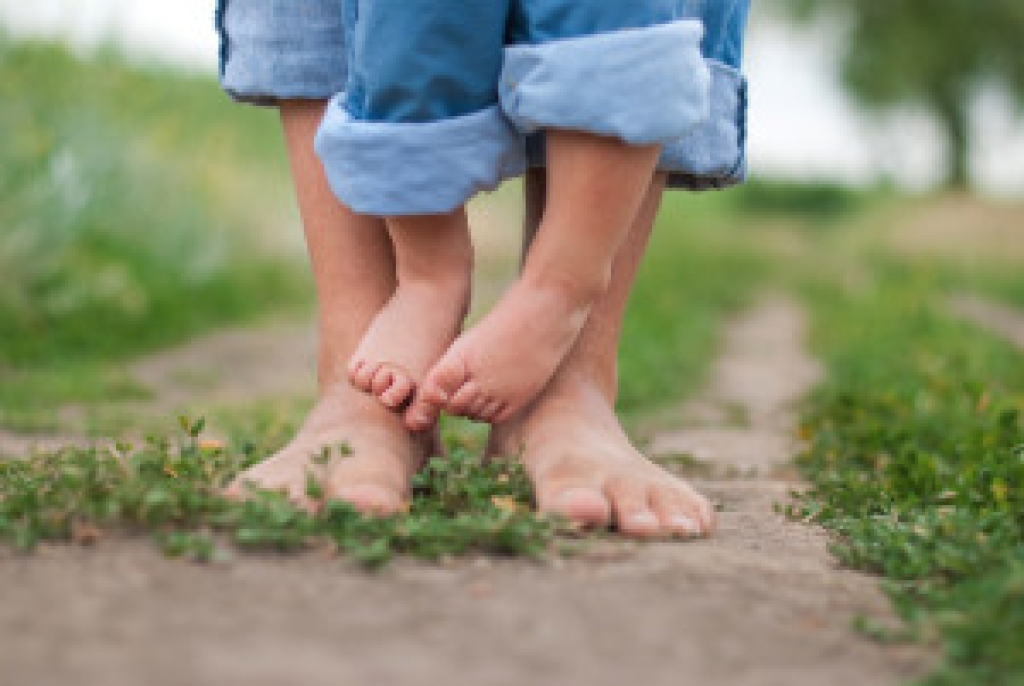
Babies do not need shoes when they are learning to crawl, pull up, or take early steps. Bare feet help them feel the ground, strengthen their muscles, and improve balance. Once a child begins walking confidently outdoors, shoes become important for protection from rough surfaces, heat, cold, and sharp objects. While indoors, it is still best for little ones to stay barefoot or wear soft, flexible socks with grips so their feet can continue developing naturally. When choosing a child’s first shoes, look for a lightweight, flexible sole that bends easily, a wide toe box for natural movement, and a secure fit that does not squeeze or rub. Avoid stiff or thick soles that limit foot motion. Healthy foot development lays the foundation for strength, balance, and comfort as children grow. If you notice unusual walking patterns, frequent tripping, or foot discomfort, it is suggested that you see a podiatrist for expert guidance.
The health of a child’s feet is vital to their overall well-being. If you have any questions regarding foot health, contact one of our podiatrists of New Jersey Foot & Ankle Centers. Our doctors can provide the care you need to keep you pain-free and on your feet.
Tips for Keeping Children's Feet Healthy
If you have any questions, please feel free to contact our office located in Oradell, NJ . We offer the newest diagnostic and treatment technologies for all your foot care needs.
Connect With Us
