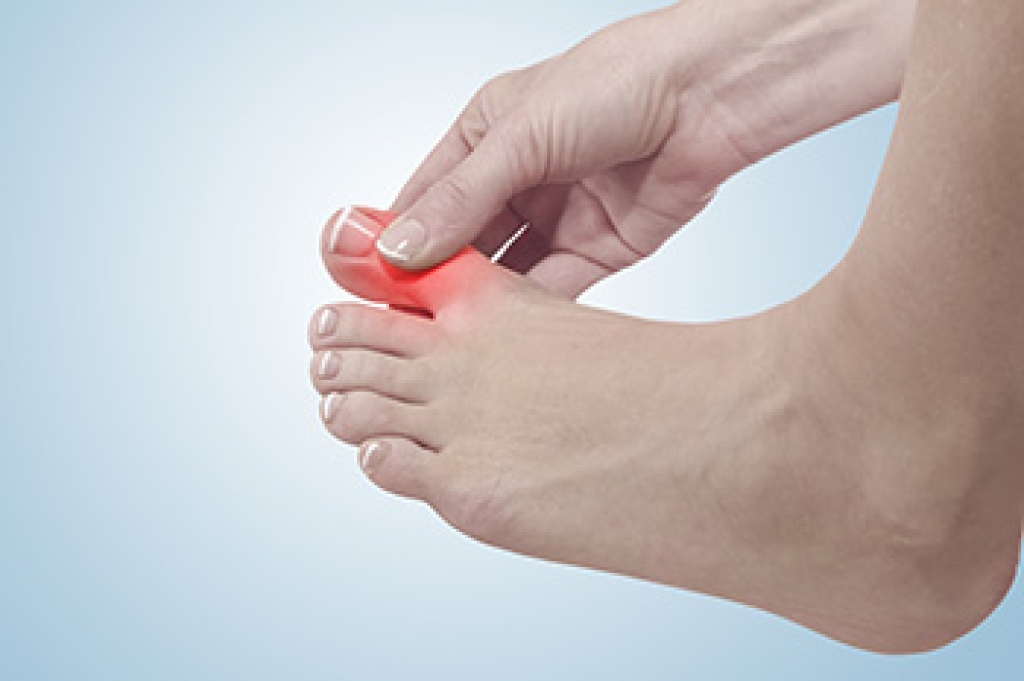
Managing Gout Attacks That Affect the Toes

Gout is a form of arthritis that often leads to sudden pain and swelling in certain joints. Gout attacks commonly affect the big toe, as well as other joints like ankles, knees, and wrists. During an attack that affects the toes, resting and elevating the foot can help manage the pain. Staying hydrated and avoiding foods high in purines, including certain meats and seafood, may reduce the risk of future flare-ups. Incorporating certain low-impact exercise can also help combat gout attacks, but it is to be avoided during painful flare-ups. Other treatment options, which a podiatrist may recommend, include medication, cortisone injections, or surgery for more severe cases. If you are experiencing painful gout attacks in the toe joints, it is suggested that you consult a podiatrist who can offer personalized treatment options. 

Gout is a painful condition that can be treated. If you are seeking treatment, contact one of our podiatrists from New Jersey Foot & Ankle Centers. Our doctors will treat your foot and ankle needs.

What Is Gout?

Gout is a form of arthritis that is characterized by sudden, severe attacks of pain, redness, and tenderness in the joints. The condition usually affects the joint at the base of the big toe. A gout attack can occur at any random time, such as the middle of the night while you are asleep.

Symptoms

  • Intense Joint Pain - Usually around the large joint of your big toe, and it most severe within the first four to twelve hours
  • Lingering Discomfort - Joint discomfort may last from a few days to a few weeks
  • Inflammation and Redness -Affected joints may become swollen, tender, warm and red
  • Limited Range of Motion - May experience a decrease in joint mobility

Risk Factors

  • Genetics - If family members have gout, you’re more likely to have it
  • Medications - Diuretic medications can raise uric acid levels
  • Gender/Age - Gout is more common in men until the age of 60. It is believed that estrogen protects women until that point
  • Diet - Eating red meat and shellfish increases your risk
  • Alcohol - Having more than two alcoholic drinks per day increases your risk
  • Obesity - Obese people are at a higher risk for gout

Prior to visiting your podiatrist to receive treatment for gout, there are a few things you should do beforehand. If you have gout you should write down your symptoms--including when they started and how often you experience them, important medical information you may have, and any questions you may have. Writing down these three things will help your podiatrist in assessing your specific situation so that he or she may provide the best route of treatment for you.

If you have any questions, please feel free to contact our office located in Oradell, NJ . We offer the newest diagnostic and treatment technologies for all your foot care needs.
Read more about Gout

Closed Reduction Repair for Broken Toes

Closed reduction repair is a common procedure used to realign and stabilize broken toes, providing relief and facilitating healing. When a toe sustains a fracture, whether due to trauma, impact, or repetitive stress, it can cause pain, swelling, and limited mobility. Closed reduction involves manipulating the broken bone fragments back into their proper alignment without the need for surgery. During the procedure, a podiatrist carefully applies manual pressure and manipulation to return the fractured bones to their correct position. Following successful realignment, the toe is immobilized using a splint, tape, or buddy taping technique to maintain stability and support during the healing process. Closed reduction repair offers several benefits, including reduced risk of infection, minimal scarring, and faster recovery compared to surgical interventions. However, it is essential to follow post-procedure instructions carefully, including rest and elevation to promote optimal healing and prevent complications. If you have endured a broken toe, it is suggested that you consult a podiatrist who can determine if this is a correct treatment method for you.

Broken toes may cause a lot of pain and should be treated as soon as possible. If you have any concerns about your feet, contact one of our podiatrists from New Jersey Foot & Ankle Centers. Our doctors will treat your foot and ankle needs.

What Is a Broken Toe?

A broken toe occurs when one or more of the toe bones of the foot are broken after an injury. Injuries such as stubbing your toe or dropping a heavy object on it may cause a toe fracture.

Symptoms of a Broken Toe

  • Swelling
  • Pain (with/without wearing shoes)
  • Stiffness
  • Nail Injury

Although the injured toe should be monitored daily, it is especially important to have a podiatrist look at your toe if you have severe symptoms. Some of these symptoms include worsening or new pain that is not relieved with medication, sores, redness, or open wounds near the toe.

If you have any questions please feel free to contact our office located in Oradell, NJ . We offer the newest diagnostic tools and technology to treat your foot and ankle needs.

Read more about What to Know About a Broken Toe

Burning Foot Pain May Signal Morton’s Neuroma

If you've been experiencing a burning sensation in your feet that extends into your toes, it could be a sign of Morton's neuroma. This is a condition characterized by a fibrous enlargement of the plantar nerve in the forefoot, most commonly the area between your third and fourth toes. It is often caused by compression from tight shoes, and women who wear high heels are particularly susceptible to Morton’s neuroma. The compression from footwear leads to inflammation and discomfort, which is made worse during activities like running or walking. A podiatrist can conduct an examination of your feet to determine whether you have Morton’s neuroma. Diagnosis typically involves ultrasound imaging to locate the neuroma, followed by cortisone injections to reduce inflammation, with surgery reserved for severe cases due to the risk of complications. With proper treatment, you can find relief from the discomfort and get back to enjoying your activities. If you believe you may have Morton’s neuroma, it is suggested that you make an appointment with a podiatrist.

Morton’s neuroma is a very uncomfortable condition to live with. If you think you have Morton’s neuroma, contact one of our podiatrists of New Jersey Foot & Ankle Centers. Our doctors will attend to all of your foot care needs and answer any of your related questions.  

Morton’s Neuroma

Morton's neuroma is a painful foot condition that commonly affects the areas between the second and third or third and fourth toe, although other areas of the foot are also susceptible. Morton’s neuroma is caused by an inflamed nerve in the foot that is being squeezed and aggravated by surrounding bones.

What Increases the Chances of Having Morton’s Neuroma?

  • Ill-fitting high heels or shoes that add pressure to the toe or foot
  • Jogging, running or any sport that involves constant impact to the foot
  • Flat feet, bunions, and any other foot deformities

Morton’s neuroma is a very treatable condition. Orthotics and shoe inserts can often be used to alleviate the pain on the forefront of the feet. In more severe cases, corticosteroids can also be prescribed. In order to figure out the best treatment for your neuroma, it’s recommended to seek the care of a podiatrist who can diagnose your condition and provide different treatment options.

If you have any questions, please feel free to contact our office located in Oradell, NJ . We offer the newest diagnostic and treatment technologies for all your foot care needs.
Read more about Morton's Neuroma

Weight and Gait

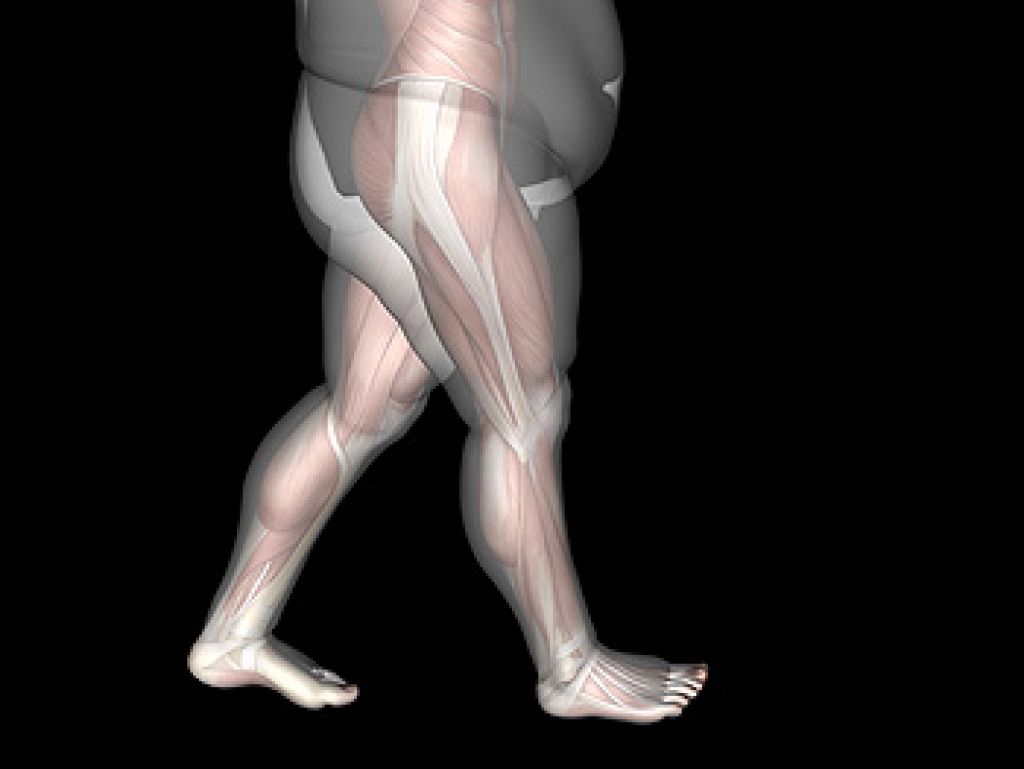
There is a growing concern regarding the prevalence of being overweight or obese among individuals aged 60 and older. Excess weight not only elevates the risk of chronic diseases but also poses a significant threat to physical performance in older adults, potentially leading to dependency. Being overweight or obese in later life is closely linked to adverse outcomes, including a higher risk of falls and an increased likelihood of developing walking limitations compared to those maintaining a normal weight. These challenges are compounded by factors such as low muscle strength, reduced cardiorespiratory capacity, and the elevated energy cost of walking. If you are older and overweight and it is impacting your mobility, it is suggested that you schedule an appointment with a podiatrist to discuss strategies that might help with improved functioning.

Obesity has become very problematic at this point in time and can have extremely negative effects on the feet. If you’re an obese individual and are concerned about your feet, contact one of our podiatrists from New Jersey Foot & Ankle Centers. Our doctors can provide the care you need to keep you pain-free and on your feet.

Obesity and Your Feet

Since your feet are what support your entire weight when standing, any additional weight can result in pain and swelling. Being overweight is one of the main contributors to foot complications.

Problems & Complications

Extra Weight – Even putting on just a few extra pounds could create serious complications for your feet. As your weight increases, your balance and body will shift, creating new stresses on your feet. This uneven weight distribution can cause pain, even while doing the simplest tasks, such as walking.

Diabetes – People who are overweight are at serious risk of developing type-2 diabetes, which has a drastic impact on the health of your feet. As you get older, your diabetes might worsen, which could lead to loss of feeling in your feet, sores, and bruises. You could also become more prone to various infections.

Plantar fasciitis – Pressure and stress that is placed on muscles, joints, and tendons can trigger plantar fasciitis, which is an inflammation of tissue that forms along the bottom of the foot. 

If you have any questions, please feel free to contact our office located in Oradell, NJ . We offer the newest diagnostic and treatment technologies for all your foot care needs.

Read more about How Obesity Affects Your Feet

Do Your Child's Feet Hurt?

Have your child's feet been examined lately? Healthy feet are happy feet. If your child is complaining of foot pain, it may be a sign of underlying problems.

Connect With Us

Book Online