Risk Factors and Causes of Plantar Fasciitis

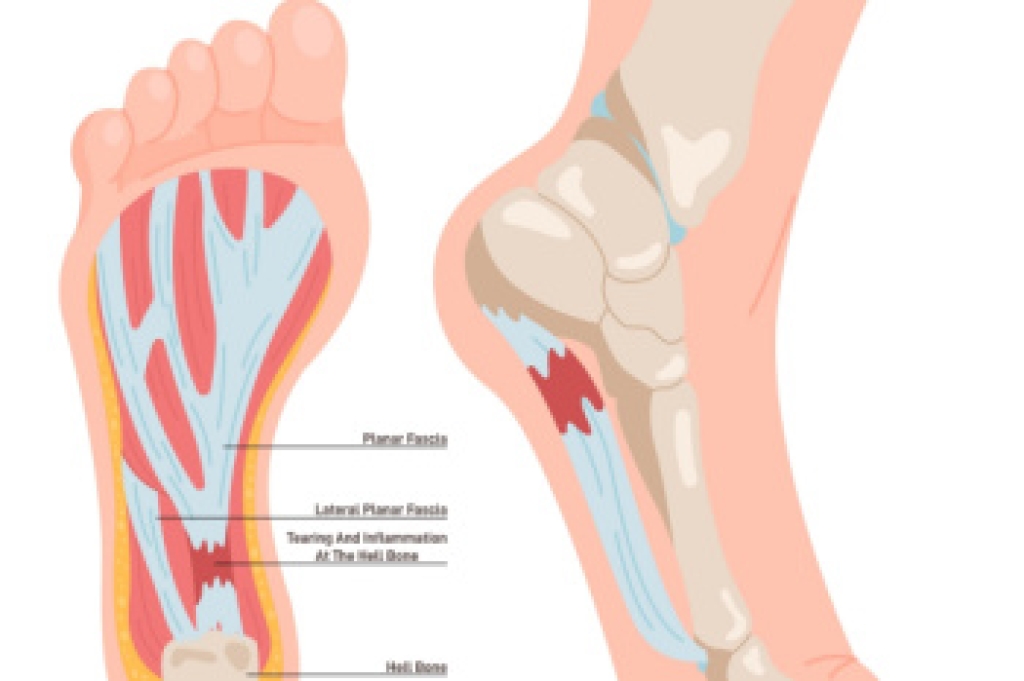
Plantar fasciitis is caused by inflammation of the plantar fascia, a thick band of tissue that supports the arch and connects the heel to the toes. It develops when excessive strain creates small tears in the tissue. The most noticeable symptom is heel pain, especially with the first steps in the morning or after periods of rest. Discomfort may improve with movement, but often returns after prolonged standing or activity. Risk factors include flat feet, high arches, obesity, improper footwear, and occupations that require long hours of standing on hard surfaces. A podiatrist can diagnose the condition and provide customized treatment to reduce pain and promote healing. If you have heel pain, it is suggested that you consult a podiatrist who can diagnose the problem and offer appropriate treatment.

Plantar fasciitis can be very painful and inconvenient. If you are experiencing heel pain or symptoms of plantar fasciitis, contact one of our podiatrists  from New Jersey Foot & Ankle Centers. Our doctors can provide the care you need to keep you pain-free and on your feet.

What Is Plantar Fasciitis?

Plantar fasciitis is the inflammation of the thick band of tissue that runs along the bottom of your foot, known as the plantar fascia, and causes mild to severe heel pain.

What Causes Plantar Fasciitis?

  • Excessive running
  • Non-supportive shoes
  • Overpronation
  • Repeated stretching and tearing of the plantar fascia

How Can It Be Treated?

  • Conservative measures – anti-inflammatories, ice packs, stretching exercises, physical therapy, orthotic devices
  • Shockwave therapy – sound waves are sent to the affected area to facilitate healing and are usually used for chronic cases of plantar fasciitis
  • Surgery – usually only used as a last resort when all else fails. The plantar fascia can be surgically detached from the heel

While very treatable, plantar fasciitis is definitely not something that should be ignored. Especially in severe cases, speaking to your doctor right away is highly recommended to avoid complications and severe heel pain. Your podiatrist can work with you to provide the appropriate treatment options tailored to your condition.

If you have any questions, please feel free to contact our office located in Oradell, NJ . We offer the newest diagnostic and treatment technologies for all your foot care needs.

Read more about Plantar Fasciitis

Causes of Sharp Pain in the Big Toe

Sharp pain in the big toe can result from several underlying conditions that affect joints, bones, and soft tissues. Gout is an inflammatory arthritis caused by uric acid buildup in the joint, leading to sudden and intense pain. Sesamoiditis is irritation of the two small bones beneath the big toe joint, often due to repetitive pressure or overuse. Turf toe is a sprain of the big toe joint caused by forced upward bending, commonly seen in active individuals. Additionally, toe lumps may form from joint changes, cysts, or soft tissue swelling and can create pressure and discomfort. A podiatrist can accurately diagnose the cause of pain in the big toe, provide targeted treatment, and help prevent further damage. If you have pain in this part of your foot, it is suggested that you consult a podiatrist who can accurately diagnose and treat what may be going on. 

Toe pain can disrupt your daily activities. If you have any concerns, contact one of our podiatrists of New Jersey Foot & Ankle Centers. Our doctors can provide the care you need to keep you pain-free and on your feet.

What Causes Toe Pain?

Most severe toe pain is caused due to a sports injury, trauma from dropping something heavy on the toe, or bumping into something rigid. Other problems can develop over time for various reasons.

Toe pain can be caused by one or more ailments. The most common include:

  • Trauma
  • Sports injury
  • Wearing shoes that are too tight
  • Arthritis
  • Gout
  • Corns and calluses
  • Hammertoe
  • Bunions
  • Blisters
  • Ingrown toenails
  • Sprains
  • Fractures (broken bones)
  • Dislocations

When to See a Podiatrist

  • Severe pain
  • Persistent pain that lasts more than a week
  • Signs of infection
  • Continued swelling
  • Pain that prevents walking

Diagnosis

In many cases the cause of toe pain is obvious, but in others, a podiatrist may want to use more advanced methods to determine the problem. These can range from simple visual inspections and sensation tests to X-rays and MRI scans. Prior medical history, family medical history, and any recent physical traumatic events will all be taken into consideration for a proper diagnosis.

Treatment

Treatments for toe pain and injuries vary and may include shoe inserts, padding, taping, medicines, injections, and in some cases, surgery. If you believe that you have broken a toe, please see a podiatrist as soon as possible.

If you have any questions please contact our office located in Oradell, NJ . We offer the newest diagnostic and treatment technologies for all your foot and ankle needs.

Read more about Toe Pain

Understanding Athlete’s Foot and How It Is Treated

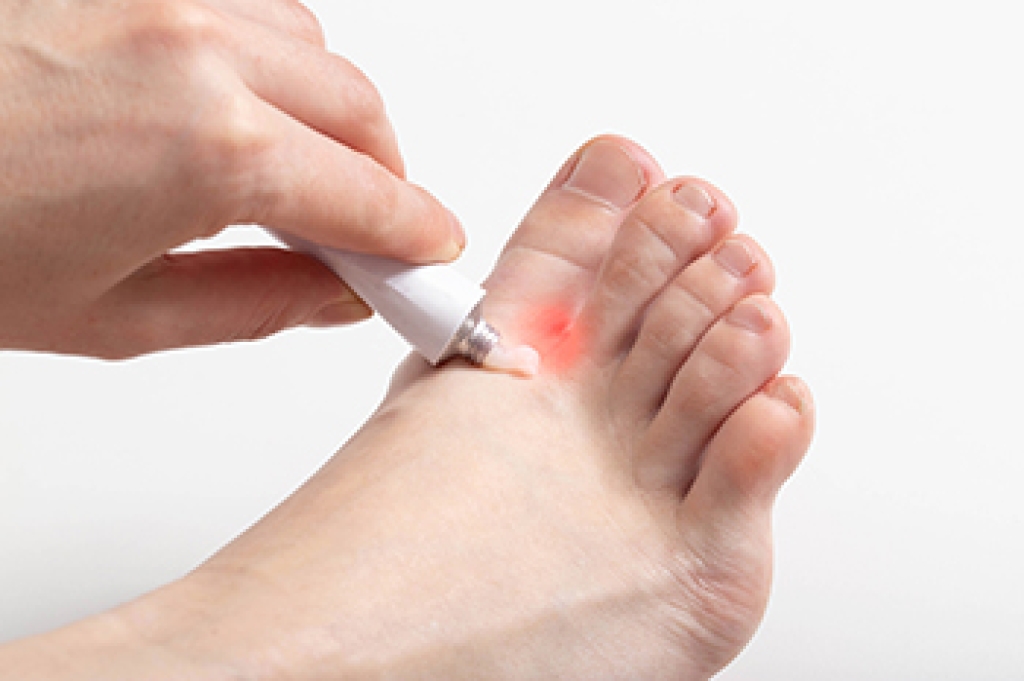
Athlete’s foot is a common fungal skin infection that affects the feet, especially between the toes. It thrives in warm, moist environments such as sweaty shoes, and public places like locker rooms and public showers. Symptoms may include itching, burning, redness, scaling, cracking, or peeling skin. Some cases cause painful fissures or blisters. Treatment focuses on eliminating the fungus and keeping skin dry. Topical antifungal medications are commonly effective, while more stubborn infections may require prescription therapy. Good hygiene, breathable footwear, and regular sock changes help prevent recurrence. Untreated infections can spread to nails or other skin areas. Chronic moisture exposure, wearing tight shoes, weakened immunity, and shared surfaces increase risk, making early treatment important for comfort, skin integrity, and overall foot health and mobility. If symptoms persist or worsen, it is suggested that you see a podiatrist for an accurate diagnosis and appropriate treatment.

Athlete’s foot is an inconvenient condition that can be easily reduced with the proper treatment. If you have any concerns about your feet and ankles, contact one of our podiatrists from New Jersey Foot & Ankle Centers.  Our doctors will treat your foot and ankle needs.

Athlete’s Foot: The Sole Story

Athlete's foot, also known as tinea pedis, can be an extremely contagious foot infection. It is commonly contracted in public changing areas and bathrooms, dormitory style living quarters, around locker rooms and public swimming pools, or anywhere your feet often come into contact with other people.

Solutions to Combat Athlete’s Foot

  • Hydrate your feet by using lotion
  • Exfoliate
  • Buff off nails
  • Use of anti-fungal products
  • Examine your feet and visit your doctor if any suspicious blisters or cuts develop

Athlete’s foot can cause many irritating symptoms such as dry and flaking skin, itching, and redness. Some more severe symptoms can include bleeding and cracked skin, intense itching and burning, and even pain when walking. In the worst cases, Athlete’s foot can cause blistering as well. Speak to your podiatrist for a better understanding of the different causes of Athlete’s foot, as well as help in determining which treatment options are best for you.

If you have any questions please feel free to contact our office located in Oradell, NJ . We offer the newest diagnostic and treatment technologies for all your foot and ankle needs.

Read more about Athlete’s Foot

When Diabetic Feet Feel Uncomfortable, Puffy, or Out of Balance

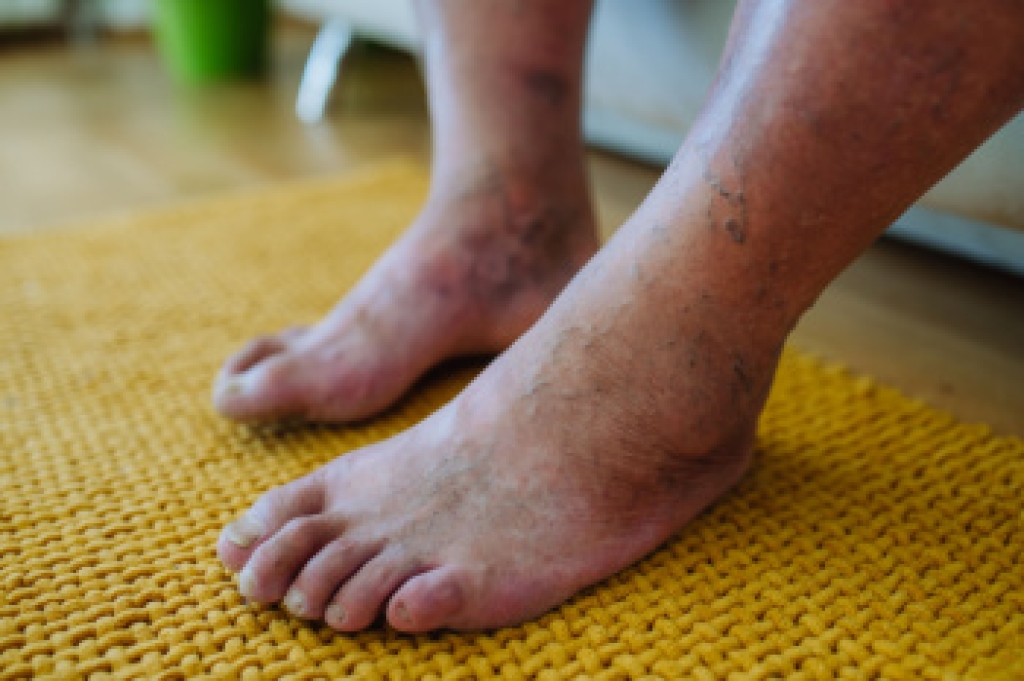
Diabetic feet can reveal a great deal about overall health, especially when they feel unusually cool, look enlarged, or develop rough, flaky skin. Changes in temperature may point to circulation concerns, while altered sensation can be related to nerve function. A puffy appearance around the feet or ankles often reflects fluid buildup, which may occur after long periods of standing or sitting, or in connection with vascular, heart, or medication-related issues. Skin that feels tight or irritated may signal reduced moisture, impaired blood flow, or environmental exposure. These signs often appear together because circulation, nerves, skin, and soft tissues are closely connected. If these changes are persistent, uncomfortable, or worsening, it is suggested that you see a podiatrist who can help identify the cause and guide appropriate treatment.

Diabetic foot care is important in preventing foot ailments such as ulcers. If you are suffering from diabetes or have any other concerns about your feet, contact one of our podiatrists from New Jersey Foot & Ankle Centers. Our doctors can provide the care you need to keep you pain-free and on your feet.

Diabetic Foot Care

Diabetes affects millions of people every year. The condition can damage blood vessels in many parts of the body, especially the feet. Because of this, taking care of your feet is essential if you have diabetes, and having a podiatrist help monitor your foot health is highly recommended.

The Importance of Caring for Your Feet

  • Routinely inspect your feet for bruises or sores.
  • Wear socks that fit your feet comfortably.
  • Wear comfortable shoes that provide adequate support.

Patients with diabetes should have their doctor monitor their blood levels, as blood sugar levels play such a huge role in diabetic care. Monitoring these levels on a regular basis is highly advised.

It is always best to inform your healthcare professional of any concerns you may have regarding your feet, especially for diabetic patients. Early treatment and routine foot examinations are keys to maintaining proper health, especially because severe complications can arise if proper treatment is not applied.

If you have any questions, please feel free to contact our office located in Oradell, NJ . We offer the newest diagnostic and treatment technologies for all your foot care needs.
Read more about Diabetic Foot Conditions

Connect With Us

Book Online