Do Your Feet Change Shape as You Age?

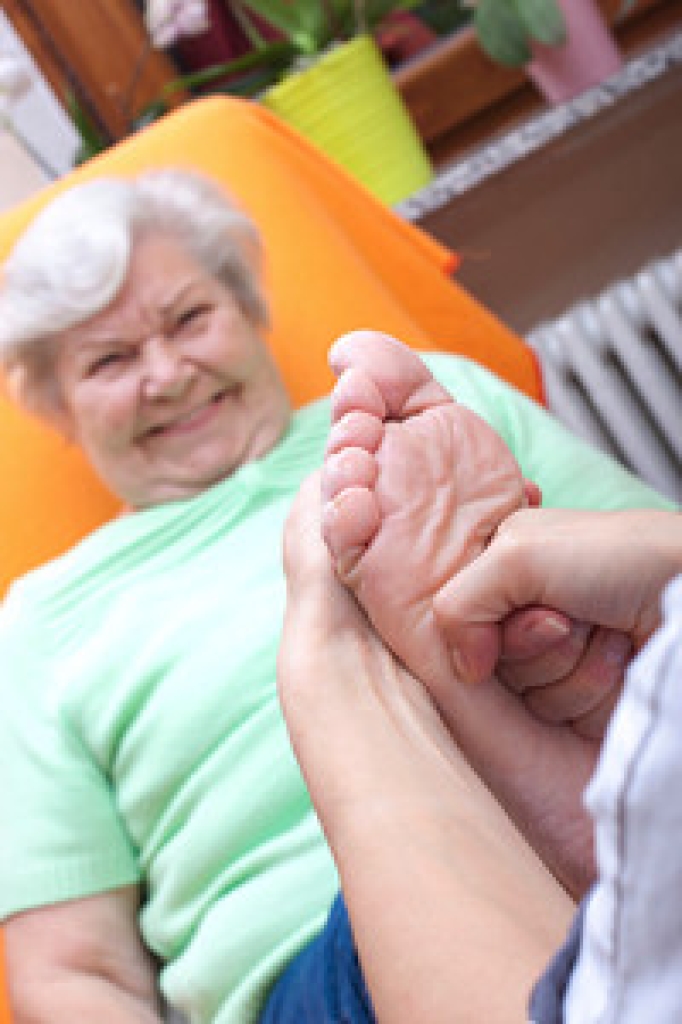
Elderly people may have difficulty in practicing daily foot care. This can be a result of the inability to bend, which can make properly trimming the toenails quite hard. Additionally, the skin generally loses cushioning as the aging process occurs, and this may lead to cracked heels. It is beneficial to keep the feet clean and dry, as this may help to prevent toenail fungus and athlete’s foot from developing. The feet typically feel better when a moisturizing lotion is frequently applied, and this can be done by a caregiver, if needed. Research has indicated the feet gradually change shape, which is why it is important to wear shoes that fit correctly. The proper size can be determined when the feet  are often measured, and shoes that are chosen have ample room for the toes to move freely in. If you would like additional information about how to care for elderly feet, it’s suggested that you consult with a podiatrist.

Proper foot care is something many older adults forget to consider. If you have any concerns about your feet and ankles, contact one of our podiatrists from New Jersey Foot & Ankle Centers. Our doctors can provide the care you need to keep you pain-free and on your feet.

The Elderly and Their Feet

As we age we start to notice many changes in our body, but the elder population may not notice them right away. Medical conditions may prevent the elderly to take notice of their foot health right away. Poor vision is a lead contributor to not taking action for the elderly.

Common Conditions 

  • Neuropathy – can reduce feeling in the feet and can hide many life-threatening medical conditions.
  • Reduced flexibility – prevents the ability of proper toenail trimming, and foot cleaning. If left untreated, it may lead to further medical issues.
  • Foot sores – amongst the older population can be serious before they are discovered. Some of the problematic conditions they may face are:
  • Gouging toenails affecting nearby toe
  • Shoes that don’t fit properly
  • Pressure sores
  • Loss of circulation in legs & feet
  • Edema & swelling of feet and ankles

Susceptible Infections

Diabetes and poor circulation can cause general loss of sensitivity over the years, turning a simple cut into a serious issue.

If you have any questions, please feel free to contact our office located in Oradell, NJ . We offer the newest diagnostic and treatment technologies for all your foot care needs.

Read more about Elderly Foot Care

An Inflamed Plantar Fascia May Lead To Plantar Fasciitis

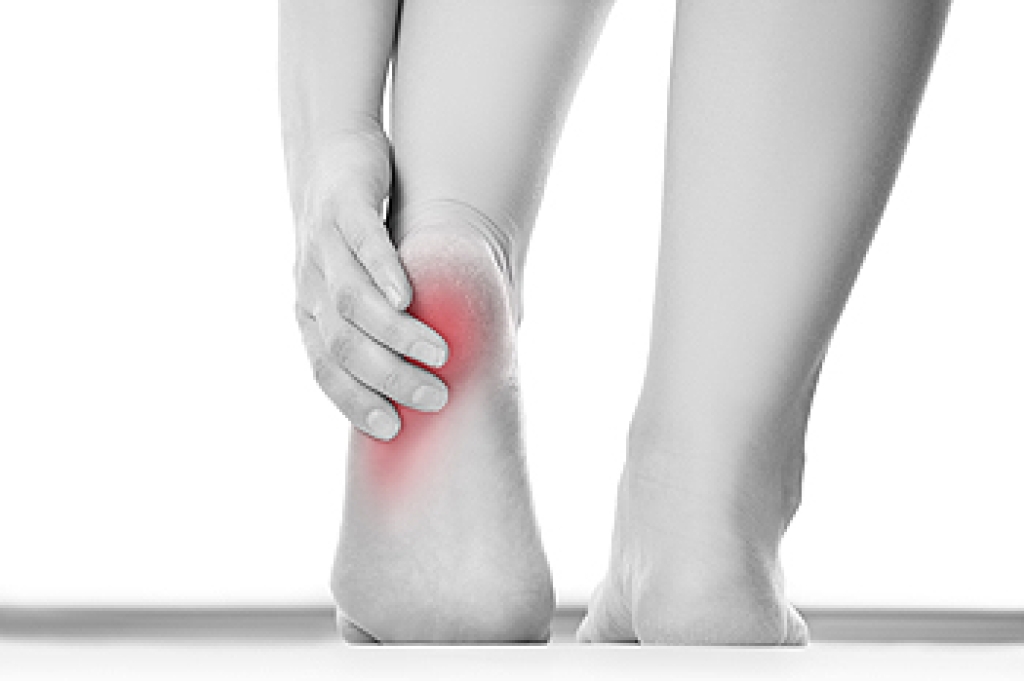
A common foot condition that is referred to as plantar fasciitis can cause considerable pain to the heel and arch areas of the foot. This may occur as a result of an inflamed plantar fascia. This is the portion of tissue that is located on the bottom of the foot, and connects the heel to the toes. Patients who have this condition often experience pain that is felt in the morning after arising, and it may become worse throughout the day. This condition can develop from wearing shoes that do not fit correctly, or from standing on hard surfaces for the majority of the day. Mild relief may be found when the affected area of the foot is stretched. For more severe cases, surgery may be an option for permanent relief. If you have pain in this part of your foot, it is suggested that you consult with a podiatrist who can properly diagnose and treat plantar fasciitis.

Plantar fasciitis is a common foot condition that is often caused by a strain injury. If you are experiencing heel pain or symptoms of plantar fasciitis, contact one of our podiatrists from New Jersey Foot & Ankle Centers. Our doctors can provide the care you need to keep you pain-free and on your feet.

What Is Plantar Fasciitis?

Plantar fasciitis is one of the most common causes of heel pain. The plantar fascia is a ligament that connects your heel to the front of your foot. When this ligament becomes inflamed, plantar fasciitis is the result. If you have plantar fasciitis you will have a stabbing pain that usually occurs with your first steps in the morning. As the day progresses and you walk around more, this pain will start to disappear, but it will return after long periods of standing or sitting.

What Causes Plantar Fasciitis?

  • Excessive running
  • Having high arches in your feet
  • Other foot issues such as flat feet
  • Pregnancy (due to the sudden weight gain)
  • Being on your feet very often

There are some risk factors that may make you more likely to develop plantar fasciitis compared to others. The condition most commonly affects adults between the ages of 40 and 60. It also tends to affect people who are obese because the extra pounds result in extra stress being placed on the plantar fascia.

Prevention

  • Take good care of your feet – Wear shoes that have good arch support and heel cushioning.
  • Maintain a healthy weight
  • If you are a runner, alternate running with other sports that won’t cause heel pain

There are a variety of treatment options available for plantar fasciitis along with the pain that accompanies it. Additionally, physical therapy is a very important component in the treatment process. It is important that you meet with your podiatrist to determine which treatment option is best for you.

If you have any questions, please feel free to contact our office located in Oradell, NJ . We offer the newest diagnostic and treatment technologies for all your foot care needs.
 

Read more about Plantar Fasciitis

Stretching Correctly May Help to Prevent Running Injuries

There are a few different types of running injuries that can occur. These often include plantar fasciitis, Achilles tendonitis, and the ankle can endure a fracture or sprain. The plantar fascia connects the toes to the heel, and may become inflamed if the patient frequently runs. This can be prevented by wearing shoes that fit correctly, and performing stretches that are designed to stretch the Achilles tendon before and after completing a run. If the ankle is twisted while running and becomes sprained, it may help to wrap an elastic bandage around it for additional support. This type of injury may be prevented by incorporating flexibility and strength training exercises into a daily workout routine. If you would like additional information about how to prevent running injuries, please consult with a podiatrist.

Exercising your feet regularly with the proper foot wear is a great way to prevent injuries. If you have any concerns about your feet, contact one of our podiatrists of New Jersey Foot & Ankle Centers. Our doctors will treat your foot and ankle needs.

How to Prevent Running Injuries

Many common running injuries are caused by overuse and overtraining. When the back of the kneecap starts wearing out and starts causing pain in your knee, this is commonly referred to as runner’s knee. Runner’s knee is a decrease in strength in your quadriceps and can occur if you’re not wearing properly fitted or supporting shoes. To prevent runner’s knee, focusing on hip strengthening is a good idea, as well as strengthening your quads to keep the kneecaps aligned.

What Are Some Causes of Running Injuries? 
- One cause of a common running injury is called iliotibial band syndrome.
- Plantar fasciitis is also another common injury.
- Stress fractures can occur from overtraining, lack of calcium, or even your running style.

Best Ways to Prevent Running Injuries
- Wear footwear that fits properly and suits your running needs.
- Running shoes are the only protective gear that runners have to safeguard them from injury.
- Make a training schedule. Adding strengthening exercises as well as regular stretching can help keep you strong and limber and can lessen the possibility of injuries.
- Stretching keeps muscles limber; this will help you gain better flexibility.

If you have any questions, please feel free to contact our office located in Oradell, NJ . We offer the newest diagnostic and treatment technologies for all your foot care needs.

Read more about How to Prevent Running Injuries

Diabetic Patients and Their Feet

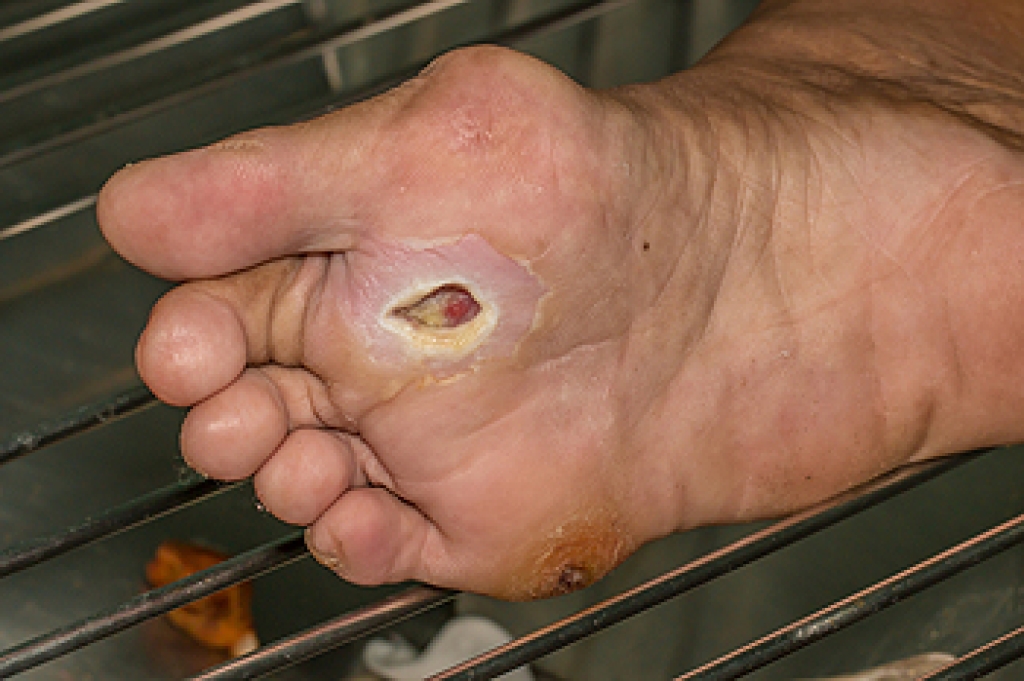
The medical condition that is referred to as diabetes may affect the feet. This ailment can slow the healing process, and wounds on the feet can lead to further complications. Many diabetic patients experience neuropathy. Common symptoms of this can include a burning sensation, tingling, and it may be difficult to feel sensations in the feet. This can occur as a result of restricted blood flow, which may weaken the feet. Calluses can form in diabetic patients, which will become thick if not properly trimmed. This can possibly lead to foot ulcers, infection, gangrene, and possibly amputation. If you have diabetes, it is strongly advised that you are under the care of a podiatrist who can provide you with professional care and treatment. 

Diabetic foot care is important in preventing foot ailments such as ulcers. If you are suffering from diabetes or have any other concerns about your feet, contact one of our podiatrists from New Jersey Foot & Ankle Centers. Our doctors can provide the care you need to keep you pain-free and on your feet.

Diabetic Foot Care

Diabetes affects millions of people every year. The condition can damage blood vessels in many parts of the body, especially the feet. Because of this, taking care of your feet is essential if you have diabetes, and having a podiatrist help monitor your foot health is highly recommended.

The Importance of Caring for Your Feet

  • Routinely inspect your feet for bruises or sores.
  • Wear socks that fit your feet comfortably.
  • Wear comfortable shoes that provide adequate support.

Patients with diabetes should have their doctor monitor their blood levels, as blood sugar levels play such a huge role in diabetic care. Monitoring these levels on a regular basis is highly advised.

It is always best to inform your healthcare professional of any concerns you may have regarding your feet, especially for diabetic patients. Early treatment and routine foot examinations are keys to maintaining proper health, especially because severe complications can arise if proper treatment is not applied.

If you have any questions, please feel free to contact our office located in Oradell, NJ . We offer the newest diagnostic and treatment technologies for all your foot care needs.

Read more about Diabetic Foot Care

Connect With Us

Book Online