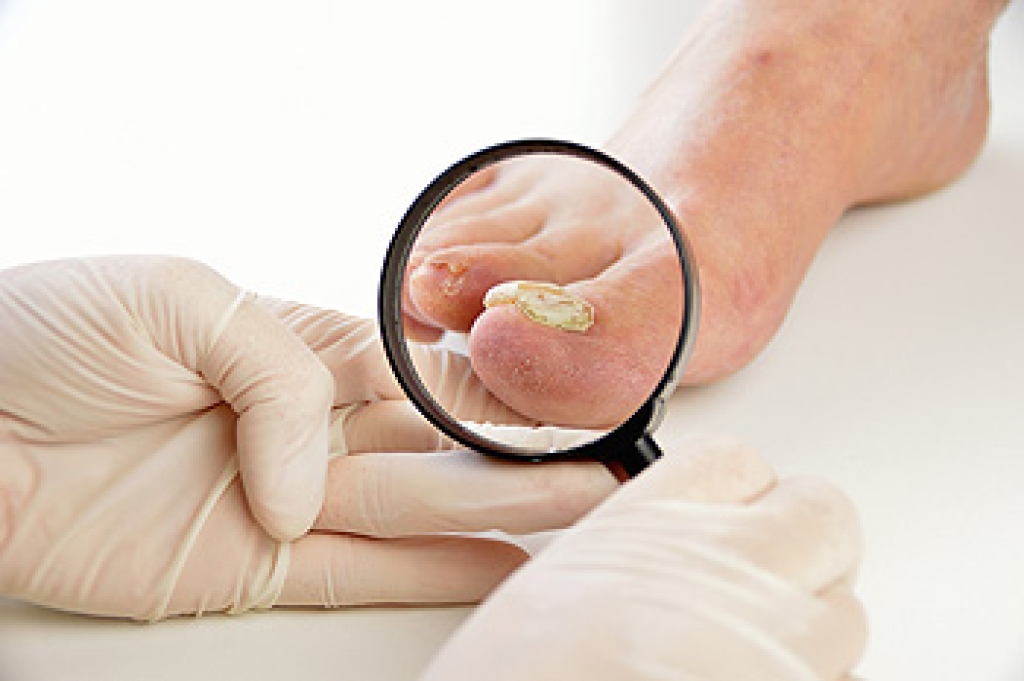
Stages of Toenail Fungus

Toenail fungus, also known as onychomycosis, is a common infection that develops when fungi invade the nail through small cracks or separation from the nail bed. In the early stage, the nail may show mild discoloration or small white or yellow spots. As it progresses to a moderate stage, thickening, brittleness, and increased discoloration become more noticeable. In advanced stages, the nail may become severely thickened, distorted, painful, or separate from the nail bed. Causes include warm moist environments, minor nail trauma, and exposure in public areas. Risk factors include diabetes, poor circulation, aging, and weakened immunity. A podiatrist can diagnose the condition and provide effective treatment options. If you have symptoms of toenail fungus, it is suggested that you consult a podiatrist who can offer effective treatment, which may include prescribed medication.

If left untreated, toenail fungus may spread to other toenails, skin, or even fingernails. If you suspect you have toenail fungus it is important to seek treatment right away. For more information about treatment, contact one of our podiatrists of New Jersey Foot & Ankle Centers. Our doctors can provide the care you need to keep you pain-free and on your feet.

Symptoms

  • Warped or oddly shaped nails
  • Yellowish nails
  • Loose/separated nail
  • Buildup of bits and pieces of nail fragments under the nail
  • Brittle, broken, thickened nail

Treatment

If self-care strategies and over-the-counter medications does not help your fungus, your podiatrist may give you a prescription drug instead. Even if you find relief from your toenail fungus symptoms, you may experience a repeat infection in the future.

Prevention

In order to prevent getting toenail fungus in the future, you should always make sure to wash your feet with soap and water. After washing, it is important to dry your feet thoroughly especially in between the toes. When trimming your toenails, be sure to trim straight across instead of in a rounded shape. It is crucial not to cover up discolored nails with nail polish because that will prevent your nail from being able to “breathe”.

In some cases, surgical procedure may be needed to remove the toenail fungus. Consult with your podiatrist about the best treatment options for your case of toenail fungus.  

If you have any questions please contact our office located in Oradell, NJ . We offer the newest diagnostic and treatment technologies for all your foot and ankle needs.

Read more about How to Treat Your Toenail Fungus

When Foot Structure Matters With Recurring Ingrown Toenails

Ingrown toenails are often blamed on trimming habits or wearing tight shoes, but underlying foot structure can sometimes influence how often the problem returns. In most cases, changes to overall foot alignment are not needed to prevent or manage this condition. Many people develop ingrown nails despite having otherwise typical foot mechanics. There are situations, however, where a flattened arch changes how pressure is distributed across the forefoot. This altered loading can increase stress along the edges of the toenails, especially while walking or standing for long periods of time. Gradually, that added pressure may worsen nail irritation or make healing more difficult after treatment. Addressing footwear, nail care, and pressure relief usually remains the primary focus, but structural factors may be considered in select cases. If ingrown toenails are persistent or painful, it is suggested that you see a podiatrist for a proper diagnosis and appropriate treatment.

Ingrown toenails can become painful if they are not treated properly. For more information about ingrown toenails, contact one of our podiatrists of New Jersey Foot & Ankle Centers. Our doctors can provide the care you need to keep you pain-free and on your feet.

Ingrown Toenails

Ingrown toenails occur when a toenail grows sideways into the bed of the nail, causing pain, swelling, and possibly infection.

Causes

  • Bacterial infections
  • Improper nail cutting such as cutting it too short or not straight across
  • Trauma to the toe, such as stubbing, which causes the nail to grow back irregularly
  • Ill-fitting shoes that bunch the toes too close together
  • Genetic predisposition

Prevention

Wearing proper fitting shoes and using proper cutting techniques will also help decrease your risk of developing ingrown toenails.

Treatment

Ingrown toenails are a very treatable foot condition. In minor cases, soaking the affected area in salt or antibacterial soaps will not only help with the ingrown nail itself, but also help prevent any infections from occurring. In more severe cases, surgery is an option. In either case, speaking to your podiatrist about this condition will help you get a better understanding of specific treatment options that are right for you.

If you have any questions, please feel free to contact our office located in Oradell, NJ . We offer the newest diagnostic and treatment technologies for all your foot care needs.

Read more about Ingrown Toenail Care

Plantar Warts Can Be Treated!

Plantar warts are small growths that develop on parts of the feet that bear weight. They're typically found on the bottom of the foot. Don't live with plantar warts, and call us today!

Connect With Us

Book Online