
You don't need an excuse to have beautiful nails. Step outside without worrying about the appearance of your feet.
You don't need an excuse to have beautiful nails. Step outside without worrying about the appearance of your feet.
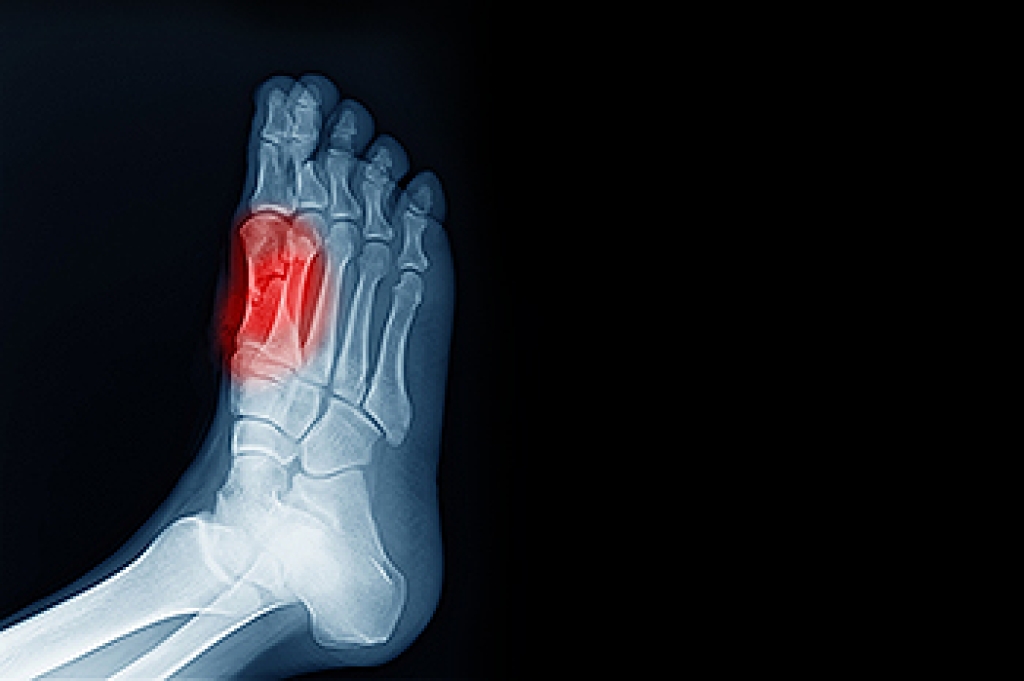
Sesamoiditis is a painful condition involving inflammation of two small bones located beneath the big toe joint. These bones help absorb pressure and assist with movement during walking and running. The condition often develops from repeated stress, especially in runners, dancers, or people who spend long hours on their feet. Pain is usually felt under the ball of the foot and may worsen with activity or pushing off the toes. Treatment often begins with non-surgical care aimed at reducing pressure and inflammation. A podiatrist may recommend activity changes, supportive footwear, custom orthotics, anti-inflammatory treatment, or temporary immobilization to allow healing. Early treatment can help prevent the condition from becoming more severe or leading to chronic pain. If you have pain beneath the big toe joint that worsens with walking or activity, it is suggested that you consult a podiatrist for effective relief and treatment solutions.
Sesamoiditis is an unpleasant foot condition characterized by pain in the balls of the feet. If you think you’re struggling with sesamoiditis, contact one of our podiatrists of New Jersey Foot & Ankle Centers. Our doctors will treat your condition thoroughly and effectively.
Sesamoiditis
Sesamoiditis is a condition of the foot that affects the ball of the foot. It is more common in younger people than it is in older people. It can also occur with people who have begun a new exercise program, since their bodies are adjusting to the new physical regimen. Pain may also be caused by the inflammation of tendons surrounding the bones. It is important to seek treatment in its early stages because if you ignore the pain, this condition can lead to more serious problems such as severe irritation and bone fractures.
Causes of Sesamoiditis
Treatment for sesamoiditis is non-invasive and simple. Doctors may recommend a strict rest period where the patient forgoes most physical activity. This will help give the patient time to heal their feet through limited activity. For serious cases, it is best to speak with your doctor to determine a treatment option that will help your specific needs.
If you have any questions, please feel free to contact our office located in Oradell, NJ . We offer the newest diagnostic and treatment technologies for all your foot care needs.

Running with plantar fasciitis can be difficult because it puts stress on the bottom of the foot. The plantar fascia is a strong band of tissue that supports the arch and absorbs impact during movement. When this tissue becomes irritated, runners may feel sharp heel pain or soreness along the foot. Continuing to run without proper precautions can increase strain and delay healing. A podiatrist can examine foot structure, walking patterns, and running form to find the source of stress. Imaging may be used to confirm the condition and rule out other problems. Suggestions for running with plantar fasciitis include custom orthotics, better footwear support, and a plan to improve strength and flexibility in the foot and ankle. If you are a runner with symptoms of plantar fasciitis, it is suggested that you schedule an appointment with a podiatrist for a diagnosis and a safe activity plan.
Plantar fasciitis is a common foot condition that is often caused by a strain injury. If you are experiencing heel pain or symptoms of plantar fasciitis, contact one of our podiatrists from New Jersey Foot & Ankle Centers. Our doctors can provide the care you need to keep you pain-free and on your feet.
What Is Plantar Fasciitis?
Plantar fasciitis is one of the most common causes of heel pain. The plantar fascia is a ligament that connects your heel to the front of your foot. When this ligament becomes inflamed, plantar fasciitis is the result. If you have plantar fasciitis you will have a stabbing pain that usually occurs with your first steps in the morning. As the day progresses and you walk around more, this pain will start to disappear, but it will return after long periods of standing or sitting.
What Causes Plantar Fasciitis?
There are some risk factors that may make you more likely to develop plantar fasciitis compared to others. The condition most commonly affects adults between the ages of 40 and 60. It also tends to affect people who are obese because the extra pounds result in extra stress being placed on the plantar fascia.
Prevention
There are a variety of treatment options available for plantar fasciitis along with the pain that accompanies it. Additionally, physical therapy is a very important component in the treatment process. It is important that you meet with your podiatrist to determine which treatment option is best for you.
If you have any questions, please feel free to contact our office located in Oradell, NJ . We offer the newest diagnostic and treatment technologies for all your foot care needs.
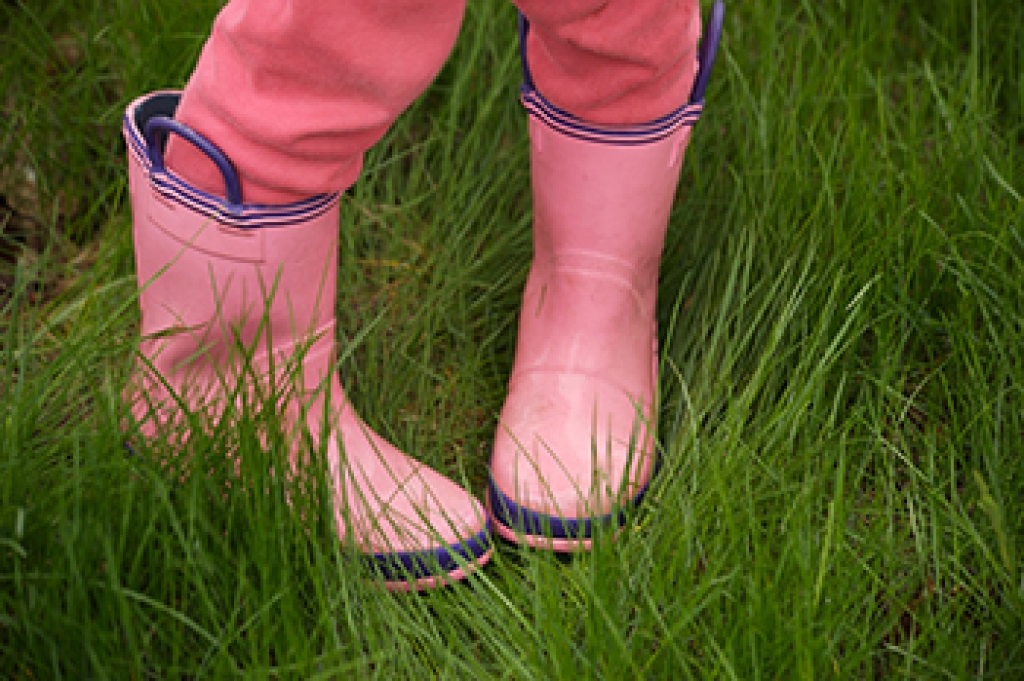
When a child’s feet turn inward while walking, this is called in-toeing. It often happens because the bones in the leg are slightly rotated, causing the toes to point inward instead of straight ahead. This is common in toddlers and young children, and is often part of normal growth. Some children may trip more often, while others have no pain or trouble staying active. In-toeing can come from the shin bone, called the tibia, or the thigh bone, called the femur, turning inward. A podiatrist can examine how your child walks, check foot and leg alignment, and determine if the condition is likely to improve with growth or if further care is needed. In rare cases, imaging or surgery may be discussed if the problem is severe. If your child is in-toeing, it is suggested that you schedule an appointment with a podiatrist for a diagnosis, appropriate treatment, and effective management of this condition.
Making sure that your children maintain good foot health is very important as they grow. If you have any questions, contact one of our podiatrists of New Jersey Foot & Ankle Centers. Our doctors can provide the care you need to keep you pain-free and on your feet.
Keeping Children's Feet Healthy
Having healthy feet during childhood can help prevent medical problems later in life, namely in the back and legs. As children grow, their feet require different types of care. Here are some things to consider...
Although babies do not walk yet, it is still very important to take care of their feet.
Avoid putting tight shoes or socks on his or her feet.
Allow the baby to stretch and kick his or her feet to feel comfortable.
As a toddler, kids are now on the move and begin to develop differently. At this age, toddlers are getting a feel for walking, so don’t be alarmed if your toddler is unsteady or ‘walks funny’.
As your child gets older, it is important to teach them how to take care of their feet.
Show them proper hygiene to prevent infections such as fungus.
Be watchful for any pain or injury.
Have all injuries checked by a doctor as soon as possible.
Comfortable, protective shoes should always be worn, especially at play.
If you have any questions, please feel free to contact our office located in Oradell, NJ . We offer the newest diagnostic and treatment technologies for all your foot care needs.
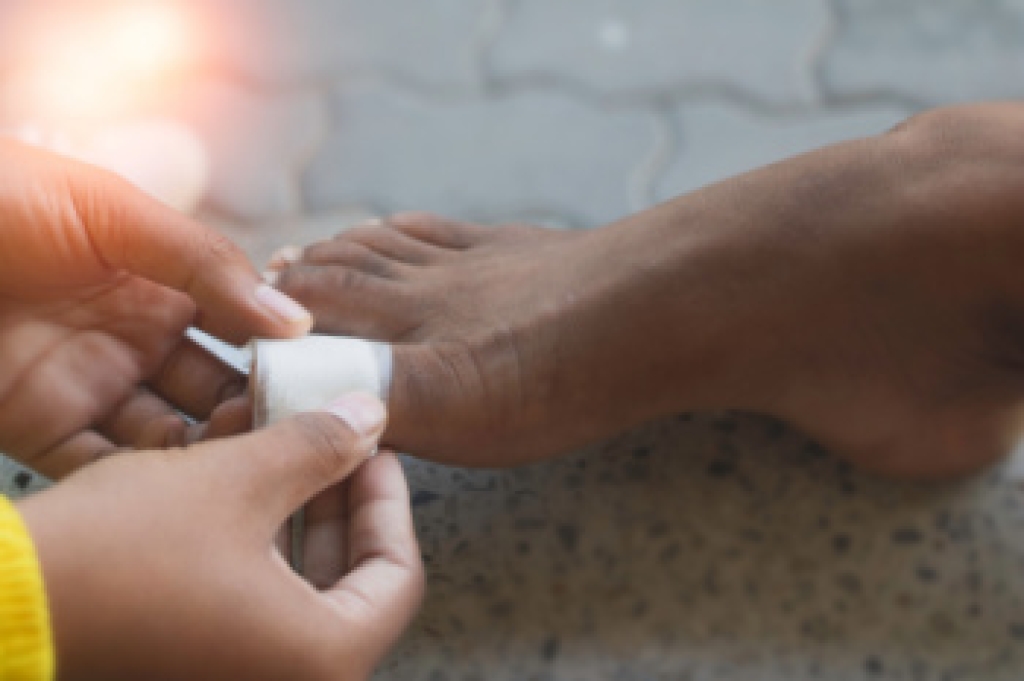
Foot blisters can develop from a surprising range of factors beyond simple rubbing. Wearing poorly fitting footwear often creates pressure points, while damp conditions from sweat or external moisture soften the skin and make it more vulnerable. Increased activity, especially when breaking in new shoes, can quickly irritate sensitive areas. Certain skin issues, including fungal infections, dermatitis, or reactions to materials, may also trigger blister formation. Environmental extremes such as heat or cold can damage the skin and lead to fluid-filled pockets. Changes in foot shape or walking patterns can shift pressure to unfamiliar areas, increasing risk. While some blisters heal on their own, others may become painful or infected without proper care. If you notice recurring issues with blisters on your feet or slow healing, it is wise to seek professional advice. It is suggested that you schedule a visit with a podiatrist to keep your feet healthy, comfortable, and ready for daily activity.
Blisters are prone to making everyday activities extremely uncomfortable. If your feet are hurting, contact one of our podiatrists of New Jersey Foot & Ankle Centers. Our doctors can provide the care you need to keep you pain-free and on your feet.
Foot Blisters
Foot blisters develop as a result of constantly wearing tight or ill-fitting footwear. This happens due to the constant rubbing from the shoe, which can often lead to pain.
What Are Foot Blisters?
A foot blister is a small fluid-filled pocket that forms on the upper-most layer of the skin. Blisters are filled with clear fluid and can lead to blood drainage or pus if the area becomes infected.
How Do Blisters Form?
Blisters on the feet are often the result of constant friction of skin and material, usually by shoe rubbing. Walking in sandals, boots, or shoes that don’t fit properly for long periods of time can result in a blister. Having consistent foot moisture and humidity can easily lead to blister formation.
Prevention & Treatment
It is important to properly care for the affected area in order to prevent infection and ease the pain. Do not lance the blister and use a Band-Aid to provide pain relief. Also, be sure to keep your feet dry and wear proper fitting shoes. If you see blood or pus in a blister, seek assistance from a podiatrist.
If you have any questions, please feel free to contact our office located in Oradell, NJ . We offer the newest diagnostic and treatment technologies for all your foot care needs.
Connect With Us
