Care and Treatment of Bunions

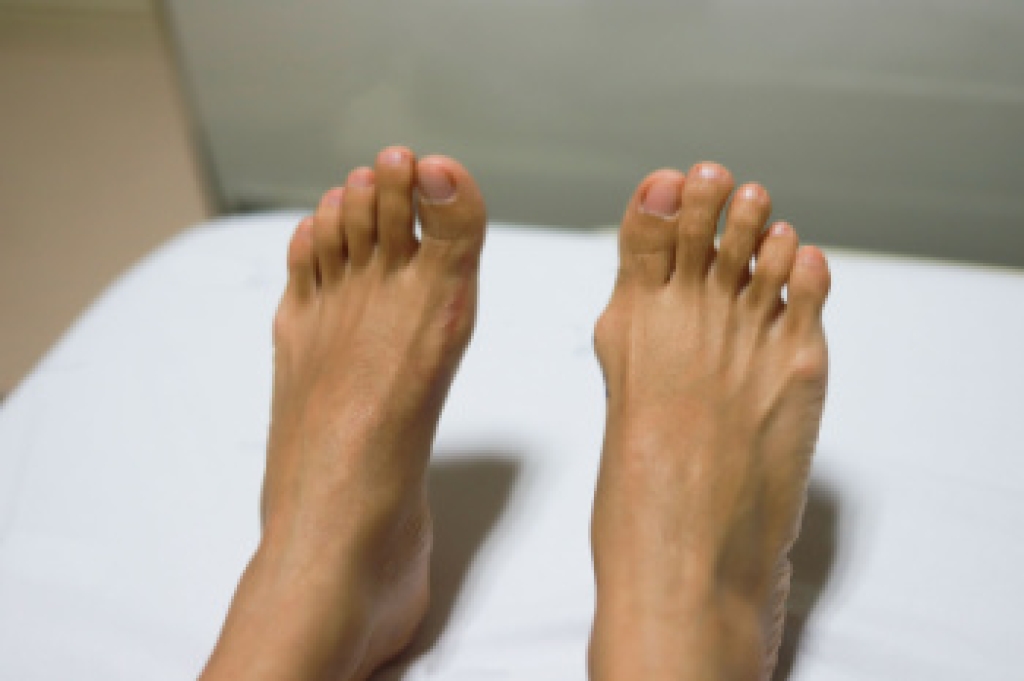
Bunions are a common foot problem, particularly prevalent among women. These bony bumps form on the joint at the base of the big toe, causing the big toe to lean towards the others. They develop due to genetic factors, foot structure, and wearing tight or ill-fitting shoes. Conditions such as arthritis can also contribute to bunion formation. Bunions can cause significant discomfort, including pain, swelling, and redness surrounding the affected joint. The skin over the bunion may become thickened and sore, making it difficult to walk or wear certain shoes, and often leading to embarrassment when wearing open-toe shoes. Caring for bunions involves wearing comfortable, well-fitting shoes with ample toe space, and avoiding high heels. Using padded shoe inserts or bunion pads can alleviate pressure and reduce pain. Taking pain relievers can help manage symptoms. In severe cases, bunions can lead to arthritis, and surgery may be necessary to correct the deformity. For persistent pain or severe bunions, it is suggested that you visit a podiatrist for professional treatment options.

If you are suffering from bunion pain, contact one of our podiatrists of New Jersey Foot & Ankle Centers. Our doctors can provide the care you need to keep you pain-free and on your feet.

What Is a Bunion?

Bunions are painful bony bumps that usually develop on the inside of the foot at the joint of the big toe. As the deformity increases over time, it may become painful to walk and wear shoes. Women are more likely to exacerbate existing bunions since they often wear tight, narrow shoes that shift their toes together. Bunion pain can be relieved by wearing wider shoes with enough room for the toes.

Causes

  • Genetics – some people inherit feet that are more prone to bunion development
  • Inflammatory Conditions - rheumatoid arthritis and polio may cause bunion development

Symptoms

  • Redness and inflammation
  • Pain and tenderness
  • Callus or corns on the bump
  • Restricted motion in the big toe

In order to diagnose your bunion, your podiatrist may ask about your medical history, symptoms, and general health. Your doctor might also order an x-ray to take a closer look at your feet. Nonsurgical treatment options include orthotics, padding, icing, changes in footwear, and medication. If nonsurgical treatments don’t alleviate your bunion pain, surgery may be necessary.

If you have any questions, please feel free to contact our office located in Oradell, NJ . We offer the newest diagnostic and treatment technologies for all your foot care needs.
Read more about Bunions

Key Facts About Poor Foot Circulation

Poor foot circulation is a condition where blood flow to the feet is reduced, leading to various health issues. It often results in symptoms such as cold feet, numbness, and swelling. Common causes include diabetes, peripheral artery disease, and prolonged inactivity. Smoking and high cholesterol levels can also contribute to this condition. Poor circulation can delay healing of wounds and increase the risk of infections due to inadequate blood supply. Regular exercise, such as walking or stretching, can improve circulation by stimulating blood flow. Wearing compression socks can also help manage symptoms by promoting venous return. Maintaining a healthy diet and managing underlying conditions is essential for preventing poor foot circulation. Having poor foot circulation can be uncomfortable, and the causes often need to be identified before starting treatment. If you have poor foot circulation, it is suggested that you consult with a podiatrist who can properly diagnose this condition and offer appropriate relief solutions.

While poor circulation itself isn’t a condition; it is a symptom of another underlying health condition you may have. If you have any concerns with poor circulation in your feet contact one of our podiatrists of New Jersey Foot & Ankle Centers. Our doctors will treat your foot and ankle needs.

Poor Circulation in the Feet

Peripheral artery disease (PAD) can potentially lead to poor circulation in the lower extremities. PAD is a condition that causes the blood vessels and arteries to narrow. In a linked condition called atherosclerosis, the arteries stiffen up due to a buildup of plaque in the arteries and blood vessels. These two conditions can cause a decrease in the amount of blood that flows to your extremities, therefore resulting in pain.

Symptoms

Some of the most common symptoms of poor circulation are:

  • Numbness
  • Tingling
  • Throbbing or stinging pain in limbs
  • Pain
  • Muscle Cramps

Treatment for poor circulation often depends on the underlying condition that causes it. Methods for treatment may include insulin for diabetes, special exercise programs, surgery for varicose veins, or compression socks for swollen legs.

As always, see a podiatrist as he or she will assist in finding a regimen that suits you. A podiatrist can also prescribe you any needed medication. 

If you have any questions, please feel free to contact our office located in Oradell, NJ . We offer the newest diagnostic and treatment technologies for all your foot care needs.

Read more about Causes Symptoms and Treatment for Poor Circulation in the Feet

Symptoms and Causes of Plantar Fasciitis

Foot pain can significantly disrupt daily activities and diminish quality of life, and plantar fasciitis is one of the main culprits. The plantar fascia is a thick band of tissue that stretches from the heel to the toes, supporting the foot’s arch and helping with movement. When this tissue becomes inflamed, it results in plantar fasciitis. This causes sharp heel pain that is especially noticeable with the first steps in the morning or after long periods of inactivity. Common causes of plantar fasciitis include biomechanical issues like flat feet or high arches, and overuse from activities such as running. Wearing shoes that lack proper support, tight calf muscles, and additional stress from excess body weight are other causes. Managing plantar fasciitis typically involves stretching exercises to relieve tension, wearing supportive footwear, and using orthotic inserts. Preventive measures focus on proper footwear and maintaining flexibility in the lower legs through regular stretching. If you are suffering from persistent heel pain, it’s suggested that you schedule an appointment with a podiatrist for an exam and suggestions for treatment, which can begin your journey to recovery and improved foot health.

Plantar fasciitis can be very painful and inconvenient. If you are experiencing heel pain or symptoms of plantar fasciitis, contact one of our podiatrists  from New Jersey Foot & Ankle Centers. Our doctors can provide the care you need to keep you pain-free and on your feet.

What Is Plantar Fasciitis?

Plantar fasciitis is the inflammation of the thick band of tissue that runs along the bottom of your foot, known as the plantar fascia, and causes mild to severe heel pain.

What Causes Plantar Fasciitis?

  • Excessive running
  • Non-supportive shoes
  • Overpronation
  • Repeated stretching and tearing of the plantar fascia

How Can It Be Treated?

  • Conservative measures – anti-inflammatories, ice packs, stretching exercises, physical therapy, orthotic devices
  • Shockwave therapy – sound waves are sent to the affected area to facilitate healing and are usually used for chronic cases of plantar fasciitis
  • Surgery – usually only used as a last resort when all else fails. The plantar fascia can be surgically detached from the heel

While very treatable, plantar fasciitis is definitely not something that should be ignored. Especially in severe cases, speaking to your doctor right away is highly recommended to avoid complications and severe heel pain. Your podiatrist can work with you to provide the appropriate treatment options tailored to your condition.

If you have any questions, please feel free to contact our office located in Oradell, NJ . We offer the newest diagnostic and treatment technologies for all your foot care needs.

Read more about Plantar Fasciitis

Taking Care of Children’s Feet as They Grow

Children's foot health is imperative as they grow, with different stages requiring specific care and attention. Babies have soft and pliable feet that gradually develop bone structure and muscle strength. During the toddler years, as children begin to walk, their feet undergo significant changes, necessitating support and wearing well-fitted shoes to aid proper development. Choosing the right shoes is vital. They should be flexible, have a wide toe box, and provide adequate arch support without being too tight. Common foot problems in children include flat feet, in-toeing, out-toeing, and excessive pronation, which can affect gait and posture. Early detection and intervention are key to preventing long-term issues. Regular foot inspections, proper hygiene, and encouraging barefoot play when safe can promote healthy foot development. If any abnormalities or persistent issues arise, visit a podiatrist for a thorough assessment and appropriate guidance on maintaining optimal foot health as children grow.

Making sure that your children maintain good foot health is very important as they grow. If you have any questions, contact one of our podiatrists of New Jersey Foot & Ankle Centers. Our doctors can provide the care you need to keep you pain-free and on your feet.

Keeping Children's Feet Healthy

Having healthy feet during childhood can help prevent medical problems later in life, namely in the back and legs. As children grow, their feet require different types of care. Here are some things to consider...

Although babies do not walk yet, it is still very important to take care of their feet.

Avoid putting tight shoes or socks on his or her feet.

Allow the baby to stretch and kick his or her feet to feel comfortable.

As a toddler, kids are now on the move and begin to develop differently. At this age, toddlers are getting a feel for walking, so don’t be alarmed if your toddler is unsteady or ‘walks funny’. 

As your child gets older, it is important to teach them how to take care of their feet.

Show them proper hygiene to prevent infections such as fungus.

Be watchful for any pain or injury.

Have all injuries checked by a doctor as soon as possible.

Comfortable, protective shoes should always be worn, especially at play.

If you have any questions, please feel free to contact our office located in Oradell, NJ . We offer the newest diagnostic and treatment technologies for all your foot care needs.

Read more about How to Care for Your Child's Feet

Gout Pain Can Be Managed

Gout is a painful, inflammatory form of arthritis. Those affected will typically feel an intense stiffness in the joints of their feet, particularly in the big toe. Schedule a visit to learn about how gout can be managed and treated.

Connect With Us

Book Online