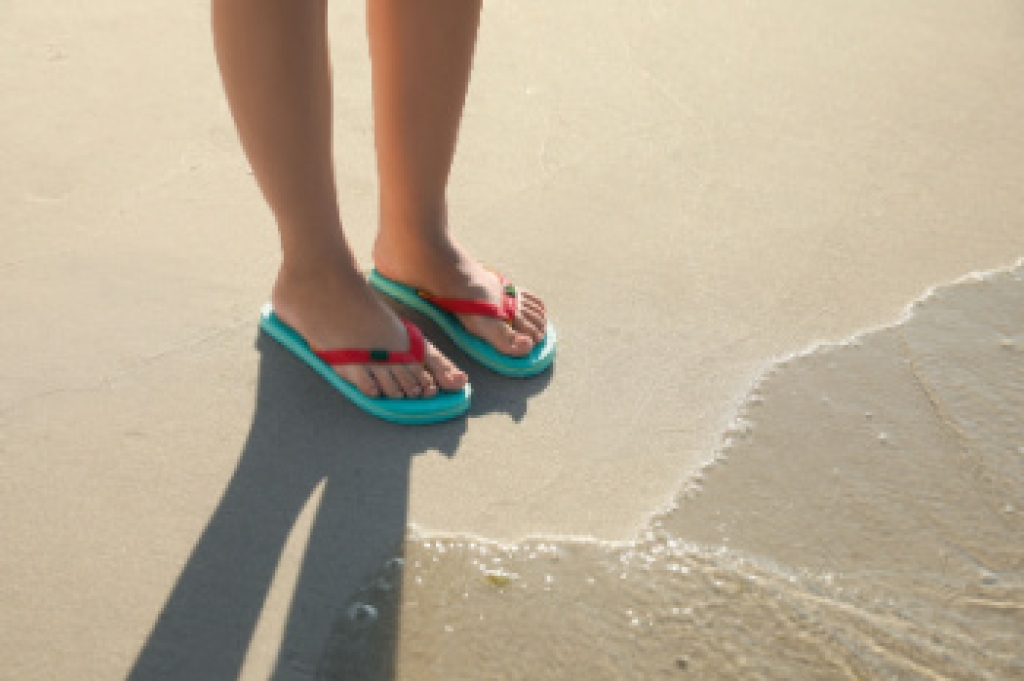
The Hidden Risks of Wearing Flip-Flops

Flip-flops are a popular choice for casual wear, but they can cause serious foot problems over time. Most flip-flops offer little to no arch or heel support, which can lead to strain on the feet and ankles. Wearing them for extended periods of time may contribute to plantar fasciitis, heel pain, tendonitis, and flat feet. The lack of stability can also increase the risk of trips and falls. A podiatrist can assess foot health, recommend supportive footwear, and treat pain or injury caused by improper shoe choices. If you are experiencing foot discomfort from wearing flip-flops, it is suggested that you visit a podiatrist who can treat various foot conditions and guide you on appropriate flip-flop choices.

Flip-flops can cause a lot of problems for your feet. If you have any concerns about your feet or ankles, contact one of our podiatrists from New Jersey Foot & Ankle Centers. Our doctors will assist you with all of your foot and ankle needs.

Flip-Flops and Feet

Flip-flops have managed to become a summer essential for a lot of people. While the shoes may be stylish and easy to slip on and off, they can be dangerous to those who wear them too often. These shoes might protect you from fungal infections such as athlete’s foot, but they can also give you foot pain and sprained ankles if you trip while wearing them.

When Are They Okay to Wear?

Flip-flops should only be worn for very short periods of time. They can help protect your feet in places that are crawling with fungi, such as gym locker rooms. Athlete’s foot and plantar warts are two common fungi that flip-flops may help protect your feet against.

Why Are They Bad for My Feet?

These shoes do not offer any arch support, so they are not ideal for everyday use. They also do not provide shock absorption or heel cushioning which can be problematic for your feet. Additionally, you may suffer from glass cuts, puncture wounds, and stubbed toes since they offer little protection for your feet.

More Reasons Why They Are Bad for Your Feet

  • They Slow You Down
  • May Cause Blisters and Calluses
  • Expose Your Feet to Bacteria

If you have any questions, please feel free to contact our office located in Oradell, NJ . We offer the newest diagnostic and treatment technologies for all your foot care needs.
Read more about Flip Flops and Your Feet

Causes and Podiatric Solutions for Cracked Heels

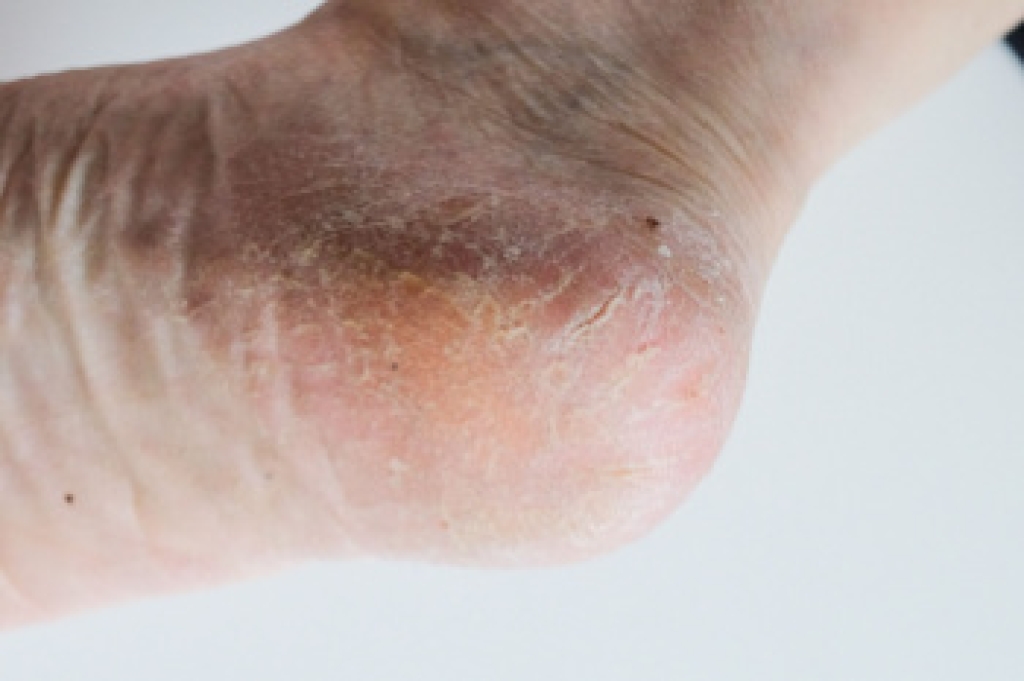
Cracked heels are a common foot concern where the skin surrounding the heel becomes dry, thick, and split due to pressure or dehydration. This condition may result from prolonged standing, wearing open-backed footwear, obesity, or skin disorders such as eczema. Risk factors include aging, poor hydration, and medical conditions like diabetes or thyroid issues. Symptoms often involve dry, rough skin with visible cracks, discomfort, and sometimes bleeding or infection. A podiatrist can treat cracked heels by removing hardened skin, applying healing treatments, and recommending moisturizers or custom orthotics. If you are experiencing pain or difficulty from dry, split heels, it is suggested that you consult a podiatrist for relief and appropriate treatment solutions.

Cracked heels are unsightly and can cause further damage to your shoes and feet. If you have any concerns, contact one of our podiatrists from New Jersey Foot & Ankle Centers. Our doctors can provide the care you need to keep you pain-free and on your feet.

Cracked Heels

Cracked heels appear unappealing and can make it harder for you walk around in sandals. Aside from looking unpleasant, cracked heels can also tear stockings, socks, and wear out your shoes. There are several methods to help restore a cracked heel and prevent further damage.

How Do You Get Them?

Dry skin is the number one culprit in creating cracked heels. Many athletes, walkers, joggers, and even swimmers suffer from cracked heels. Age and skin oil production play a role to getting cracked heels as well.

Promote Healing

Over the counter medicines can help, especially for those that need instant relief or who suffer from chronic dry feet.

Wear Socks – Wearing socks with medicated creams helps lock in moisture.

Moisturizers – Applying both day and night will help alleviate dryness which causes cracking.

Pumice Stones – These exfoliate and remove dead skin, which allows for smoother moisturizer application and better absorption into the skin. 

Change in Diet

Eating healthy with a well-balanced diet will give the skin a fresh and radiant look. Your body responds to the kinds of food you ingest. Omega-3 fatty acids and zinc supplements can also revitalize skin tissue.

Most importantly, seek professional help if unsure how to proceed in treating cracked heels. A podiatrist will help you with any questions or information needed. 

If you have any questions, please feel free to contact our office located in Oradell, NJ . We offer the newest diagnostic and treatment technologies for all your foot care needs.
Read more about Solutions for Cracked Heels

How to Manage Corns on the Feet

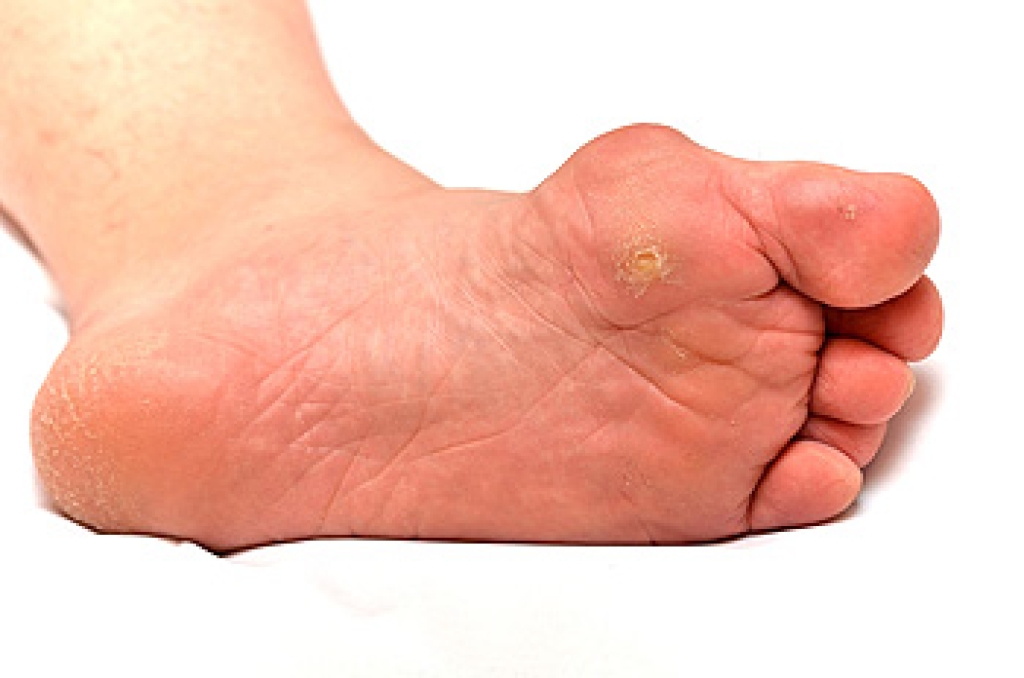
Corns are thickened areas of skin that develop from repeated pressure or friction. They are often caused by wearing ill-fitting shoes, abnormal gait, or underlying foot deformities. Corns typically appear on the top or sides of toes and may look like small, raised bumps with a hard center. While common symptoms include tenderness and discomfort during walking, untreated corns can dig deeper into the skin, causing intense pain, inflammation, and even ulceration, especially in people with diabetes or poor circulation. Some corns may become infected, leading to redness, swelling, and drainage. A podiatrist can accurately diagnose and safely remove corns without risking further damage to the skin. They also address the root cause, whether it is improper footwear, structural imbalances, or walking patterns. Custom orthotics, padding, and footwear advice can help prevent recurrence and relieve pressure points. If you have developed a painful corn, it is suggested that you schedule an appointment with a podiatrist for appropriate relief solutions.

Corns can make walking very painful and should be treated immediately. If you have questions regarding your feet and ankles, contact one of our podiatrists of New Jersey Foot & Ankle Centers. Our doctors will treat your foot and ankle needs.

Corns: What Are They? And How Do You Get Rid of Them?
Corns are thickened areas on the skin that can become painful. They are caused by excessive pressure and friction on the skin. Corns press into the deeper layers of the skin and are usually round in shape.

Ways to Prevent Corns
There are many ways to get rid of painful corns such as:

  • Wearing properly fitting shoes that have been measured by a professional
  • Wearing shoes that are not sharply pointed or have high heels
  • Wearing only shoes that offer support

Treating Corns

Although most corns slowly disappear when the friction or pressure stops, this isn’t always the case. Consult with your podiatrist to determine the best treatment option for your case of corns.

If you have any questions, please feel free to contact our office located in Oradell, NJ . We offer the newest diagnostic and treatment technologies for all your foot care needs.

Read more about Corns and Calluses

Finding Relief From Heel Pain

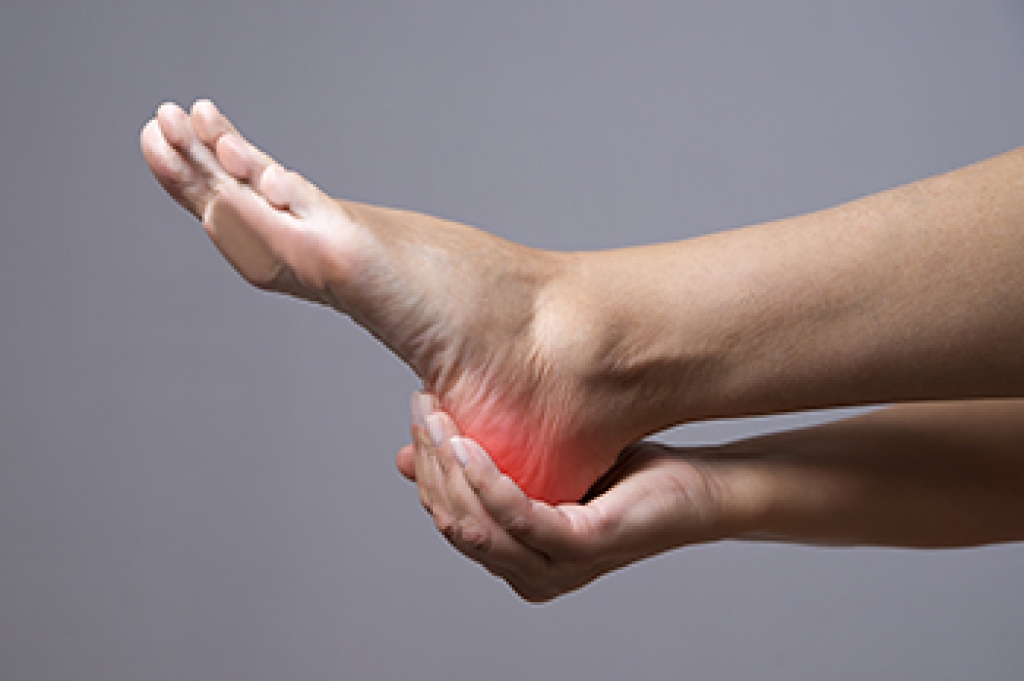
Heel pain can interfere with your ability to walk comfortably and stay active. It often develops from overuse, wearing poor footwear, or an underlying condition such as plantar fasciitis. The discomfort may appear gradually or suddenly, especially after periods of rest. Choosing supportive shoes with proper cushioning can reduce strain on the heel. Stretching exercises for the calf muscles and the bottom of the foot may also help improve flexibility and ease tension. Resting the foot is a common first step when pain appears. In some cases, custom orthotics or other conservative treatments may be necessary to address the root cause. Persistent or worsening heel pain should not be ignored, as it can affect your balance and overall mobility. If heel pain is interfering with your daily activities, it is suggested that you see a podiatrist for a diagnosis and appropriate treatment.

Many people suffer from bouts of heel pain. For more information, contact one of our podiatrists of New Jersey Foot & Ankle Centers. Our doctors can provide the care you need to keep you pain-free and on your feet.

Causes of Heel Pain

Heel pain is often associated with plantar fasciitis. The plantar fascia is a band of tissues that extends along the bottom of the foot. A rip or tear in this ligament can cause inflammation of the tissue.

Achilles tendonitis is another cause of heel pain. Inflammation of the Achilles tendon will cause pain from fractures and muscle tearing. Lack of flexibility is also another symptom.

Heel spurs are another cause of pain. When the tissues of the plantar fascia undergo a great deal of stress, it can lead to ligament separation from the heel bone, causing heel spurs.

Why Might Heel Pain Occur?

  • Wearing ill-fitting shoes                
  • Wearing non-supportive shoes
  • Weight change           
  • Excessive running

Treatments

Heel pain should be treated as soon as possible for immediate results. Keeping your feet in a stress-free environment will help. If you suffer from Achilles tendonitis or plantar fasciitis, applying ice will reduce the swelling. Stretching before an exercise like running will help the muscles. Using all these tips will help make heel pain a condition of the past.

If you have any questions, please feel free to contact our office located in Oradell, NJ . We offer the newest diagnostic and treatment technologies for all your foot care needs.

Read more about Heel Pain

Do You Suffer From Painful Feet?

Painful deformities, such as hammertoes, can be treated. Stop living with foot pain, and have beautiful feet again!

Connect With Us

Book Online