
Do you work on your feet all day and find your feet in pain? Don't go to work in pain each day. Your foot pain can be treated, and we can help.
Do you work on your feet all day and find your feet in pain? Don't go to work in pain each day. Your foot pain can be treated, and we can help.

Toenail fungus, also known as a fungal toenail infection, is a common condition that affects the appearance and health of the nails. It develops when fungi enter the nail through small cracks, nail damage, or openings around the nail bed. The infection often progresses slowly and may become more noticeable over time. Without proper care, toenail fungus can cause changes in nail texture, color, and strength. Understanding the causes and symptoms of this condition can help individuals seek early treatment and protect their foot health.
Symptoms of toenail fungus often include white or yellow discoloration of the nail. As the infection progresses, the toenail may become thick, brittle, and difficult to trim. Many individuals notice that the nail breaks easily or becomes rough and uneven along the edges. In some cases, the nail may separate from the nail bed or develop an unpleasant odor. These changes can cause discomfort, especially when wearing shoes or placing pressure on the toes.
Several causes can contribute to the development of toenail fungus. Fungi thrive in environments that are constantly warm and damp, making sweaty shoes and enclosed footwear common contributors. Poor foot hygiene can increase the likelihood of fungal growth. Toenail damage caused by injury or improper trimming may create an entry point for infection. A weakened immune system can also make it more difficult for the body to fight off fungal organisms.
Risk factors include wearing tight-fitting shoes, frequent exposure to moist areas such as locker rooms, and allowing feet to remain damp for extended periods. Individuals with previous nail injuries or certain health conditions may also have a higher risk of developing toenail fungus. Preventive measures include keeping feet clean and dry, wearing breathable footwear, and maintaining proper nail care habits. If you have symptoms of toenail fungus, it is suggested that you consult a podiatrist for effective treatment solutions, which may include prescribed medication.
If left untreated, toenail fungus may spread to other toenails, skin, or even fingernails. If you suspect you have toenail fungus it is important to seek treatment right away. For more information about treatment, contact one of our podiatrists of New Jersey Foot & Ankle Centers. Our doctors can provide the care you need to keep you pain-free and on your feet.
Symptoms
Treatment
If self-care strategies and over-the-counter medications does not help your fungus, your podiatrist may give you a prescription drug instead. Even if you find relief from your toenail fungus symptoms, you may experience a repeat infection in the future.
Prevention
In order to prevent getting toenail fungus in the future, you should always make sure to wash your feet with soap and water. After washing, it is important to dry your feet thoroughly especially in between the toes. When trimming your toenails, be sure to trim straight across instead of in a rounded shape. It is crucial not to cover up discolored nails with nail polish because that will prevent your nail from being able to “breathe”.
In some cases, surgical procedure may be needed to remove the toenail fungus. Consult with your podiatrist about the best treatment options for your case of toenail fungus.
If you have any questions please contact our office located in Oradell, NJ . We offer the newest diagnostic and treatment technologies for all your foot and ankle needs.
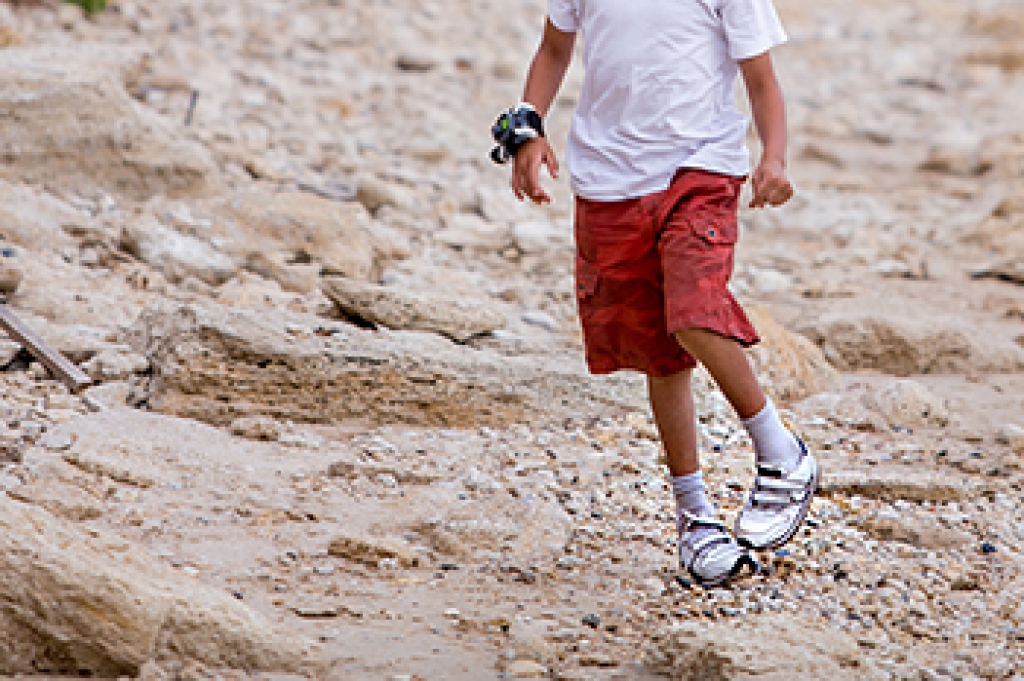
Congenital foot problems are present at birth and affect the shape, position, or movement of a baby's foot. Some conditions are easy to recognize soon after delivery, while others become more noticeable as a child begins standing or walking. Common examples include clubfoot, which turns the foot inward and downward, and metatarsus adductus, where the front of the foot curves inward. In some cases a child has trouble placing the foot flat on the ground or has one foot that appears different from the other. Early evaluation is important because proper development of the feet supports healthy balance, posture, and movement throughout childhood.
Some congenital foot problems are mild, while others affect the bones, joints, and muscles more significantly. A child might walk with an unusual gait, seem unsteady, or avoid putting weight on one foot. Shoes can fit poorly because of the foot's shape. A podiatrist carefully examines the feet, watches how the child stands and walks, and determines how flexible the affected foot is. Imaging tests, like X-rays, also help confirm the diagnosis when necessary. Prompt care helps identify whether the condition is likely to improve with guided treatment or requires closer monitoring. Early diagnosis also lowers the chance of long-term problems with walking and foot development.
A podiatrist creates a treatment plan based on the child's age and the type of congenital foot problem. Care includes gentle correction methods, custom orthotics, or special casts that gradually improve foot position. Some children benefit from braces that support healthy alignment as they grow. When the condition is more severe, surgery provides the best opportunity to improve foot function and comfort. Regular follow-up visits allow the podiatrist to monitor progress and adjust treatment as the child develops. If your child was born with a foot problem, it is suggested that you are under the care of a podiatrist who can guide you toward effective management solutions.
Congenital foot problems require immediate attention to avoid future complications. If you have any concerns, contact one of our podiatrists of New Jersey Foot & Ankle Centers. Our doctors can provide the care you need to keep you pain-free and on your feet.
Congenital foot problems are deformities affecting the feet, toes, and/or ankles that children are born with. Some of these conditions have a genetic cause while others just happen. Some specific foot ailments that children may be born with include clubfeet, polydactyly/macrodactyly, and cleft foot. There are several other foot anomalies that can occur congenitally. What all of these conditions have in common is that a child may experience difficulty walking or performing everyday activities, as well as trouble finding footwear that fits their foot deformity. Some of these conditions are more serious than others. Consulting with a podiatrist as early as possible will help in properly diagnosing a child’s foot condition while getting the necessary treatment underway.
What are Causes of Congenital Foot Problem?
A congenital foot problem is one that happens to a child at birth. These conditions can be caused by a genetic predisposition, developmental or positional abnormalities during gestation, or with no known cause.
What are Symptoms of Congenital Foot Problems?
Symptoms vary by the congenital condition. Symptoms may consist of the following:
Treatment and Prevention
While there is nothing one can do to prevent congenital foot problems, raising awareness and receiving neonatal screenings are important. Early detection by taking your child to a podiatrist leads to the best outcome possible.
If you have any questions, please feel free to contact our office located in Oradell, NJ . We offer the newest diagnostic and treatment technologies for all your foot care needs.

Athlete's foot is a fungal infection that affects the skin of the feet, especially between the toes. The fungus grows best in warm, damp places. This makes sweaty feet and shared locker rooms or pool areas common places where it spreads. Early signs include itching, burning, and peeling skin between the toes. The skin can also become flaky or cracked. In some cases, the affected area becomes sore or develops small fluid-filled blisters. The infection can spread to the soles or sides of the feet. Without proper treatment, it can also spread to the toenails, making the nails thicker, discolored, and more difficult to treat.
Other skin conditions can look similar, so getting the correct diagnosis is important. A podiatrist can examine the affected skin and determine whether athlete's foot is the cause of the symptoms. Delaying treatment allows the infection to spread more easily to nearby skin and increases the chance of repeated flare-ups that become more difficult to eliminate completely. A podiatrist can also identify whether the infection has reached the toenails or whether a different foot problem is contributing to ongoing irritation. Treatment focuses on clearing the infection, reducing discomfort, and helping prevent it from returning. Patients with diabetes or poor circulation should seek prompt evaluation because skin infections can lead to more serious foot problems.
Good foot health also plays an important role in lowering the chance of repeated athlete’s foot infections. Keeping the feet clean and dry helps reduce the moisture that allows fungus to grow. Changing socks regularly also helps. Choosing shoes that fit properly and allow air to circulate can reduce excessive moisture. A podiatrist can recommend ways to protect your skin and reduce conditions that encourage fungal growth. Regular foot examinations also help detect problems before they become more difficult to treat. If you have symptoms of athlete's foot, it is suggested that you schedule an appointment with a podiatrist for effective relief and treatment solutions.
Athlete’s Foot
Athlete’s foot is often an uncomfortable condition to experience. Thankfully, podiatrists specialize in treating athlete’s foot and offer the best treatment options. If you have any questions about athlete’s foot, consult with one of our podiatrists from New Jersey Foot & Ankle Centers. Our doctors will assess your condition and provide you with quality treatment.
What Is Athlete’s Foot?
Tinea pedis, more commonly known as athlete’s foot, is a non-serious and common fungal infection of the foot. Athlete’s foot is contagious and can be contracted by touching someone who has it or infected surfaces. The most common places contaminated by it are public showers, locker rooms, and swimming pools. Once contracted, it grows on feet that are left inside moist, dark, and warm shoes and socks.
Prevention
The most effective ways to prevent athlete’s foot include:
Symptoms
Athlete’s foot initially occurs as a rash between the toes. However, if left undiagnosed, it can spread to the sides and bottom of the feet, toenails, and if touched by hand, the hands themselves. Symptoms include:
Diagnosis and Treatment
Diagnosis is quick and easy. Skin samples will be taken and either viewed under a microscope or sent to a lab for testing. Sometimes, a podiatrist can diagnose it based on simply looking at it. Once confirmed, treatment options include oral and topical antifungal medications.
If you have any questions, please feel free to contact our office located in Oradell, NJ . We offer the newest diagnostic and treatment technologies for all your foot care needs.
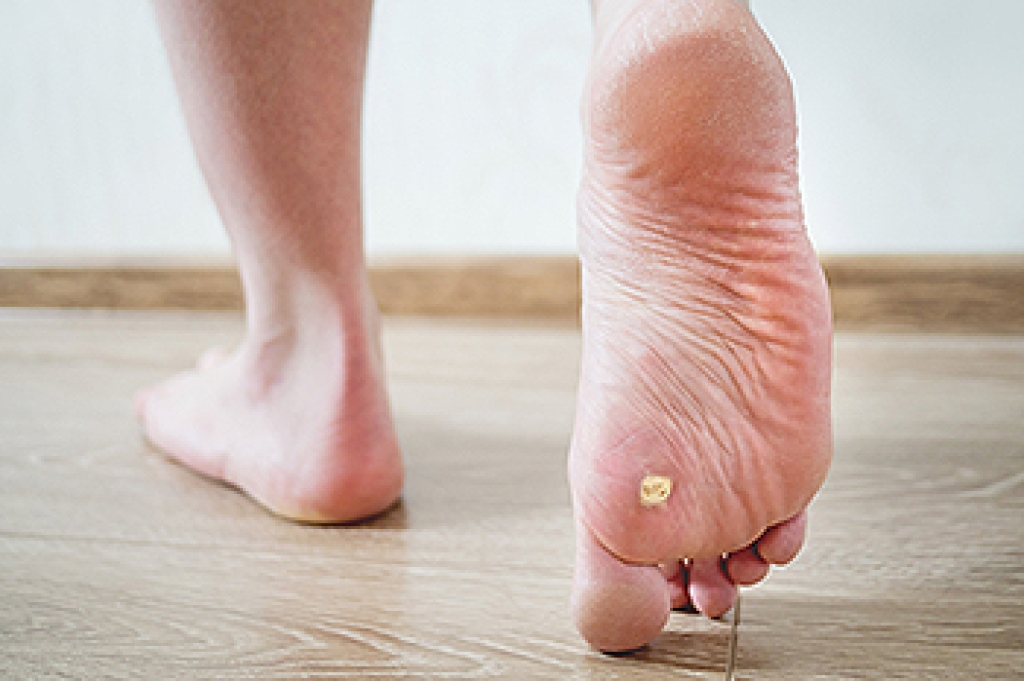
Plantar warts are caused by the human papillomavirus, or HPV, which enters the skin through tiny cuts or abrasions. These warts develop on the bottom of the foot, often in weight-bearing areas, such as the heel or ball of the foot. Unlike warts on other parts of the body, plantar warts grow inward due to pressure from walking and standing. This inward growth can make them painful and difficult to ignore. Understanding the cause and early signs of plantar warts is essential for preventing spread and seeking timely treatment.
Symptoms of plantar warts vary depending on their size and location. Many people notice a rough, grainy lesion on the sole of the foot. Some contain small black dots that are clotted blood vessels. Pain may feel like stepping on a small stone, especially while walking or applying pressure. The skin surrounding the wart can become thickened or callus-like. Some warts remain small and isolated, while others may multiply and spread across the foot, if left untreated.
There are two primary types of plantar warts: solitary and mosaic. A solitary wart appears as a single, well-defined lesion that may grow deeper into the skin over time. It often becomes more painful as it enlarges. Mosaic warts, on the other hand, develop as clusters of smaller warts grouped together in a patch. These are usually more superficial but can cover a larger area, making them more difficult to treat. Both types are caused by the same virus but differ in appearance and growth pattern, which can influence treatment decisions.
Risk factors for plantar warts include walking barefoot in public swimming pool areas, locker rooms, and communal showers. This is because the virus thrives in warm, moist environments. Individuals with a weakened immune system are more susceptible to infection and may experience more persistent or widespread warts. Minor skin injuries also increase the risk by providing entry points for the virus. Maintaining proper foot hygiene and wearing protective footwear can reduce exposure. If you have symptoms of a plantar wart, it is strongly suggested that you consult a podiatrist for effective relief and treatment solutions.
Plantar warts can be very uncomfortable. If you need your feet checked, contact one of our podiatrists from New Jersey Foot & Ankle Centers. Our doctors will assist you with all of your foot and ankle needs.
About Plantar Warts
Plantar warts are the result of HPV, or human papillomavirus, getting into open wounds on the feet. They are mostly found on the heels or balls of the feet.
While plantar warts are generally harmless, those experiencing excessive pain or those suffering from diabetes or a compromised immune system require immediate medical care. Plantar warts are easily diagnosed, usually through scraping off a bit of rough skin or by getting a biopsy.
Symptoms
Treatment
To help prevent developing plantar warts, avoid walking barefoot over abrasive surfaces that can cause cuts or wounds for HPV to get into. Avoiding direct contact with other warts, as well as not picking or rubbing existing warts, can help prevent the further spread of plantar warts. However, if you think you have developed plantar warts, speak to your podiatrist. He or she can diagnose the warts on your feet and recommend the appropriate treatment options.
If you have any questions, please feel free to contact our office located in Oradell, NJ . We offer the newest diagnostic and treatment technologies for all your foot care needs.
Connect With Us
