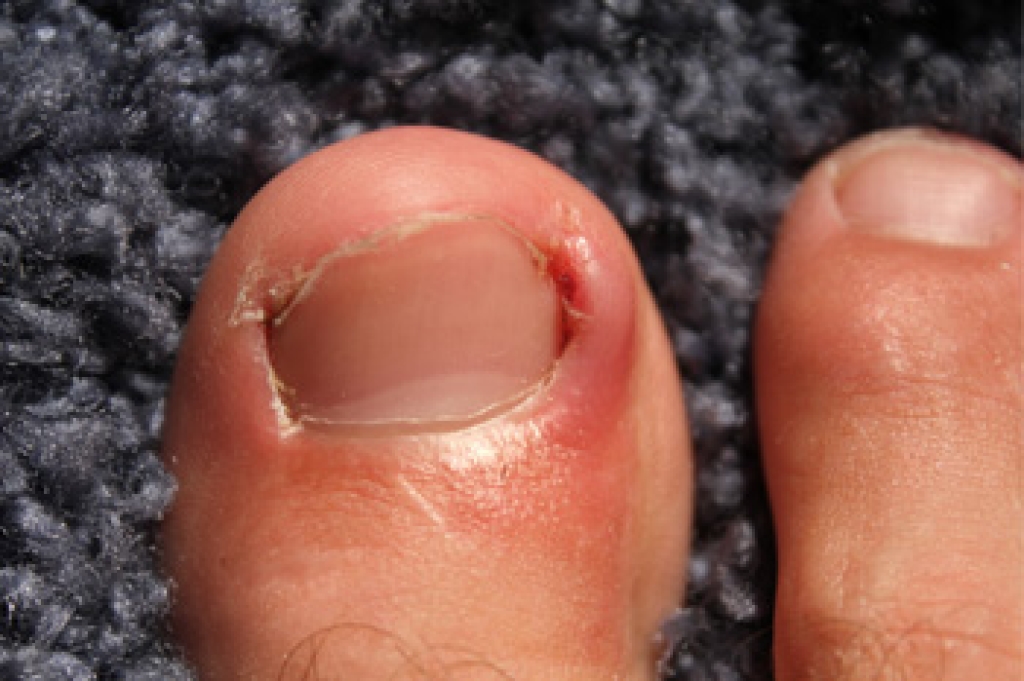
Causes of Ingrown Toenails

A condition that is referred to as ingrown toenails commonly develops as a result of the toenails being trimmed incorrectly. This occurs when the corners of the nail grow into the skin, often producing pain and discomfort. There are several symptoms that may lead to the conclusion that an ingrown toenail has begun to form including redness and swelling around the affected area or a liquid discharge that comes from the nail. If the shoes that are worn fit poorly, this condition may begin to develop in addition to specific repeated activity, in which the toe consistently kicks a ball. The patient may find moderate relief by soaking the toe in warm salt water frequently throughout the day, in addition to inserting a small piece of dry cotton under the affected area. It’s strongly advised to consult with a podiatrist for correct treatment remedies that are right for you.

Ingrown toenails can become painful if they are not treated properly. For more information about ingrown toenails, contact one of our podiatrists of New Jersey Foot & Ankle Centers. Our doctors can provide the care you need to keep you pain-free and on your feet.

Ingrown Toenails

Ingrown toenails occur when a toenail grows sideways into the bed of the nail, causing pain, swelling, and possibly infection.

Causes

  • Bacterial infections
  • Improper nail cutting such as cutting it too short or not straight across
  • Trauma to the toe, such as stubbing, which causes the nail to grow back irregularly
  • Ill-fitting shoes that bunch the toes too close together
  • Genetic predisposition

Prevention

Because ingrown toenails are not something found outside of shoe-wearing cultures, going barefoot as often as possible will decrease the likeliness of developing ingrown toenails. Wearing proper fitting shoes and using proper cutting techniques will also help decrease your risk of developing ingrown toenails.

Treatment

Ingrown toenails are a very treatable foot condition. In minor cases, soaking the affected area in salt or antibacterial soaps will not only help with the ingrown nail itself, but also help prevent any infections from occurring. In more severe cases, surgery is an option. In either case, speaking to your podiatrist about this condition will help you get a better understanding of specific treatment options that are right for you.

If you have any questions, please feel free to contact our office located in Oradell, NJ . We offer the newest diagnostic and treatment technologies for all your foot care needs.

Read more about Ingrown Toenails

Effective Ways to Prevent Falling

Recent research has shown that approximately 30 to 40 percent of seniors fall at least once per year. Many injuries may occur from the unnatural act of falling, including breaking a foot or spraining an ankle, in addition to possibly affecting the overall health of the body. There are simple steps that may be implemented to avoid falling, and as a result, the chances of a serious fall from occurring may be diminished. It’s important to choose shoes that fit correctly and it is beneficial if they have a non-slip sole. For those seniors who exercise regularly, their strong muscles and tendons may aid in providing the necessary strength to prevent a fall from occurring. Additionally, living in a clean and uncluttered environment may help older people to walk without tripping. It may be helpful to obtain regular medical checkups, which may include an eye exam and a reevaluation of any medications that are taken.

Preventing falls among the elderly is very important. If you are older and have fallen or fear that you are prone to falling, consult with one of our podiatrists from New Jersey Foot & Ankle Centers. Our doctors will assess your condition and provide you with quality advice and care.

Every 11 seconds, an elderly American is being treated in an emergency room for a fall related injury. Falls are the leading cause of head and hip injuries for those 65 and older. Due to decreases in strength, balance, senses, and lack of awareness, elderly persons are very susceptible to falling. Thankfully, there are a number of things older persons can do to prevent falls.

How to Prevent Falls

Some effective methods that older persons can do to prevent falls include:

  • Enrolling in strength and balance exercise program to increase balance and strength
  • Periodically having your sight and hearing checked
  • Discuss any medications you have with a doctor to see if it increases the risk of falling
  • Clearing the house of falling hazards and installing devices like grab bars and railings
  • Utilizing a walker or cane
  • Wearing shoes that provide good support and cushioning
  • Talking to family members about falling and increasing awareness

Falling can be a traumatic and embarrassing experience for elderly persons; this can make them less willing to leave the house, and less willing to talk to someone about their fears of falling. Doing such things, however, will increase the likelihood of tripping or losing one’s balance. Knowing the causes of falling and how to prevent them is the best way to mitigate the risk of serious injury.  

If you have any questions, please feel free to contact our office located in Oradell, NJ . We offer the newest diagnostic and treatment technologies for all your foot care needs.

Read more about Falls Prevention

The Symptoms Associated with an Achilles Tendon Injury

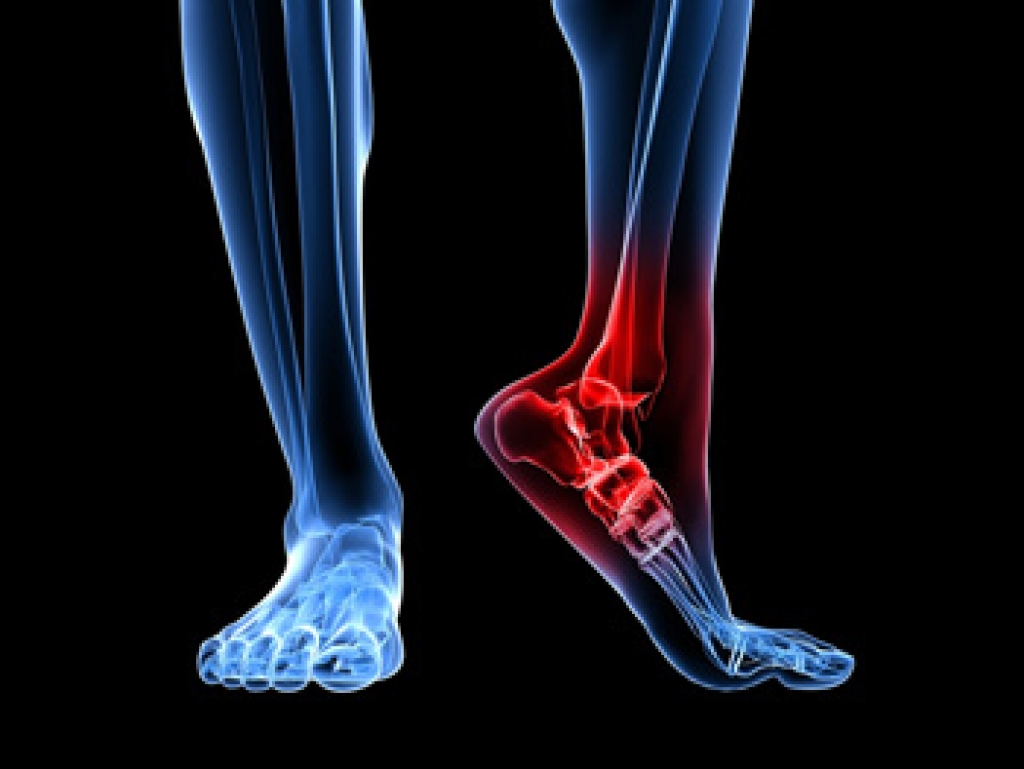
The symptoms associated with Achilles tendon injuries typically include intense pain in the bottom portion of the calf, and difficulty in pointing and flexing the foot. This particular type of injury may occur as a result of weakness in the ligaments and tendons in the lower leg, and this may be due to excessive strain. When the Achilles tendon remains strong, it can bear the force of running that may be equal to ten times the weight of the body. When a rupture occurs, the tendon weakens and is unable to bend the way it needs to in order to walk or run. Treatment options may include wearing a cast or boot to allow the tendon to heal on its own, or surgery for more severe Achilles tendon injuries. If you have incurred this type of injury, it’s important to speak with a podiatrist as quickly as possible to receive proper diagnosis and information on the best treatments available.

Achilles tendon injuries need immediate attention to avoid future complications. If you have any concerns, contact one of our podiatrists of New Jersey Foot & Ankle Centers. Our doctors can provide the care you need to keep you pain-free and on your feet.

What Is the Achilles Tendon?

The Achilles tendon is a tendon that connects the lower leg muscles and calf to the heel of the foot. It is the strongest tendon in the human body and is essential for making movement possible. Because this tendon is such an integral part of the body, any injuries to it can create immense difficulties and should immediately be presented to a doctor.

What Are the Symptoms of an Achilles Tendon Injury?

There are various types of injuries that can affect the Achilles tendon. The two most common injuries are Achilles tendinitis and ruptures of the tendon.

Achilles Tendinitis Symptoms

  • Inflammation
  • Dull to severe pain
  • Increased blood flow to the tendon
  • Thickening of the tendon

Rupture Symptoms

  • Extreme pain and swelling in the foot
  • Total immobility

Treatment and Prevention

Achilles tendon injuries are diagnosed by a thorough physical evaluation, which can include an MRI. Treatment involves rest, physical therapy, and in some cases, surgery. However, various preventative measures can be taken to avoid these injuries, such as:

  • Thorough stretching of the tendon before and after exercise
  • Strengthening exercises like calf raises, squats, leg curls, leg extensions, leg raises, lunges, and leg presses

If you have any questions please feel free to contact our office located in Oradell, NJ . We offer the newest diagnostic tools and technology to treat your foot and ankle needs.

Read more about Achilles Tendon Injuries

Symptoms of Neuropathy in the Feet

The medical condition referred to as neuropathy is often associated with diabetic patients. This may be a consequence of the inability to control normal insulin levels, and may become more severe in patients who experience high blood pressure. Possible nerve damage may be a result of a vitamin B deficiency, and this may be a contributing factor in developing neuropathy. Research has shown there are common symptoms that are associated with this ailment. These may include a numbness or tingling sensation that often begins in the feet and may gradually extend to the center of the body. An increase in clumsiness or falling may occur, which may possibly be a result of an extended loss of feeling. When neuropathy affects the feet, it may become debilitating, and may often influence the lack of completion of daily activities. Please consult with a podiatrist for a proper diagnosis and how this condition can be treated.

Neuropathy

Neuropathy can be a potentially serious condition, especially if it is left undiagnosed. If you have any concerns that you may be experiencing nerve loss in your feet, consult with one of our podiatrists from New Jersey Foot & Ankle Centers. Our doctors will assess your condition and provide you with quality foot and ankle treatment for neuropathy.

What Is Neuropathy?

Neuropathy is a condition that leads to damage to the nerves in the body. Peripheral neuropathy, or neuropathy that affects your peripheral nervous system, usually occurs in the feet. Neuropathy can be triggered by a number of different causes. Such causes include diabetes, infections, cancers, disorders, and toxic substances.

Symptoms of Neuropathy Include:

  • Numbness
  • Sensation loss
  • Prickling and tingling sensations
  • Throbbing, freezing, burning pains
  • Muscle weakness

Those with diabetes are at serious risk due to being unable to feel an ulcer on their feet. Diabetics usually also suffer from poor blood circulation. This can lead to the wound not healing, infections occurring, and the limb may have to be amputated.

Treatment

To treat neuropathy in the foot, podiatrists will first diagnose the cause of the neuropathy. Figuring out the underlying cause of the neuropathy will allow the podiatrist to prescribe the best treatment, whether it be caused by diabetes, toxic substance exposure, infection, etc. If the nerve has not died, then it’s possible that sensation may be able to return to the foot.

Pain medication may be issued for pain. Electrical nerve stimulation can be used to stimulate nerves. If the neuropathy is caused from pressure on the nerves, then surgery may be necessary.

If you have any questions, please feel free to contact our office located in Oradell, NJ . We offer the newest diagnostic and treatment technologies for all your foot care needs.
Read more about Neuropathy

What is a Heel Spur?

The definition of a heel spur is a bony protrusion that comes from the heel of the foot and grows into the arch. This condition is often the result of tears in the plantar fasciitis which is a thick band of tissue that runs along the sole of the foot. General symptoms may include pain and discomfort under the heel which may be worse in the morning and experiencing a tender feeling when the heel is touched. There may be several causes for heel spurs to develop, including excess weight the heel endures from being obese, certain sporting activities that puts pressure on the heels, and wearing shoes that do not fit correctly. Research has shown that reducing the activities that may cause this condition may aid in the treatment of heel spurs. Please consult with a podiatrist for treatment options which may include being fitted for custom made orthotics and night splints.

Heel spurs can be incredibly painful and sometimes may make you unable to participate in physical activities. To get medical care for your heel spurs, contact one of our podiatrists from New Jersey Foot & Ankle Centers. Our doctors will do everything possible to treat your condition.

Heels Spurs

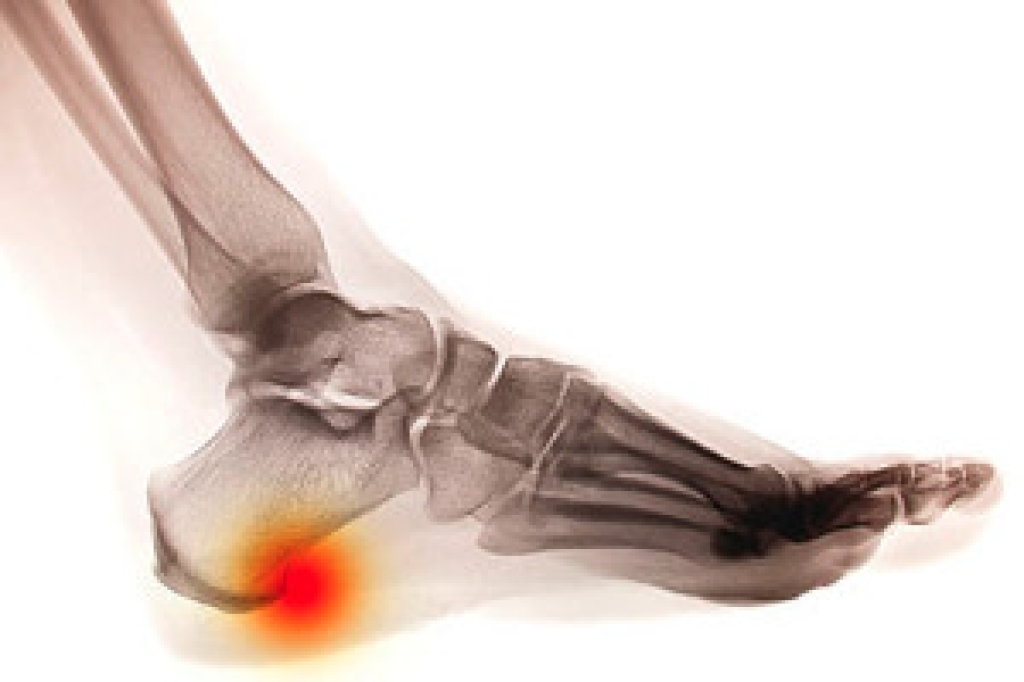
Heel spurs are formed by calcium deposits on the back of the foot where the heel is. This can also be caused by small fragments of bone breaking off one section of the foot, attaching onto the back of the foot. Heel spurs can also be bone growth on the back of the foot and may grow in the direction of the arch of the foot.

Older individuals usually suffer from heel spurs and pain sometimes intensifies with age. One of the main condition's spurs are related to is plantar fasciitis.

Pain

The pain associated with spurs is often because of weight placed on the feet. When someone is walking, their entire weight is concentrated on the feet. Bone spurs then have the tendency to affect other bones and tissues around the foot. As the pain continues, the feet will become tender and sensitive over time.

Treatments

There are many ways to treat heel spurs. If one is suffering from heel spurs in conjunction with pain, there are several methods for healing. Medication, surgery, and herbal care are some options.

If you have any questions, please feel free to contact our office located in Oradell, NJ . We offer the newest diagnostic and treatment technologies for all your foot care needs.

Read more about How to Treat Heel Spurs

Connect With Us

Book Online