
Ingrown toenails can be painful and can make wearing shoes or walking uncomfortable. Seek professional help if you believe you've developed an ingrown toenail and be treated safely.
Ingrown toenails can be painful and can make wearing shoes or walking uncomfortable. Seek professional help if you believe you've developed an ingrown toenail and be treated safely.
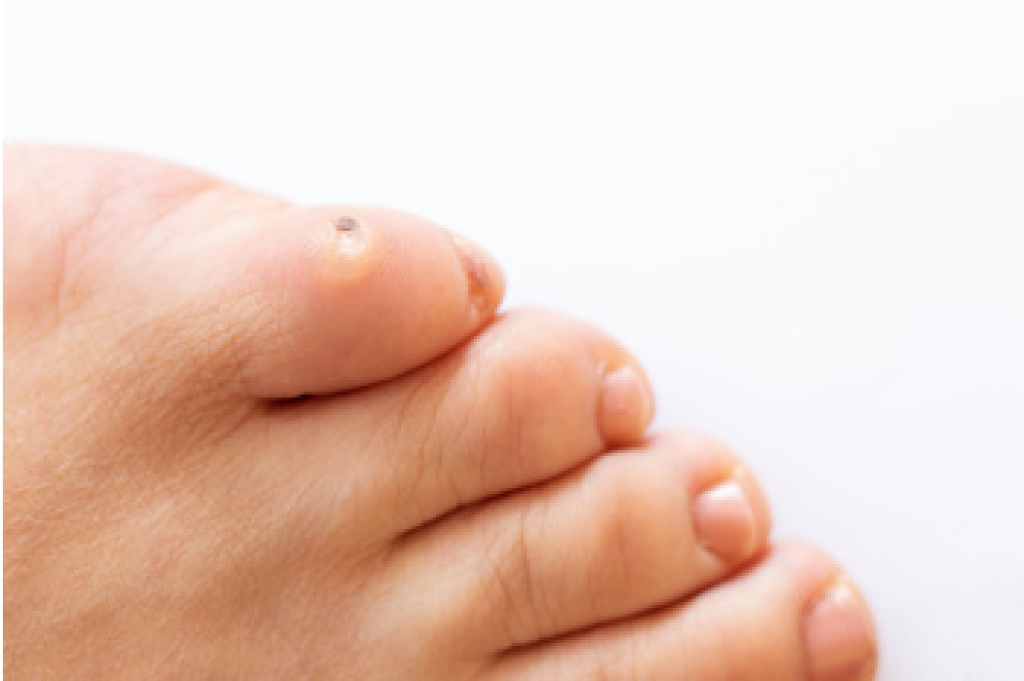
Foot corns are concentrated areas of thickened skin that develop in response to consistent pressure or friction. They most often form on the tops of toes, between toes, or on the outer edges of the foot, such as the pinky toe, where shoes rub repeatedly. These areas are prone to pressure due to their position against footwear or neighboring toes. Corns develop as a protective mechanism, but they can become painful and interfere with normal walking. Their central core can press inward, making even light contact uncomfortable.
Symptoms of foot corns include a firm, raised bump with a hard center and surrounding inflamed skin. The area may feel tender when touched or when pressure is applied during movement. Some corns develop between the toes and remain softer due to moisture, while others become dry and hardened. Individuals may notice redness, irritation, or a sensation of pressure within the affected area. Pain can increase when wearing tight shoes or during extended periods of standing or walking.
Several risk factors contribute to the formation of corns. Wearing ill-fitting shoes is one of the most common causes, particularly styles that crowd the toes or create uneven pressure. Foot deformities such as hammertoes or misaligned joints can increase friction points. Walking barefoot on hard surfaces or wearing shoes without proper cushioning may also elevate risk. Repetitive activities that place stress on the same areas of the foot can lead to the gradual development of corns.
Corns form because of repeated pressure that triggers the skin to thicken in a localized area. This protective response can become problematic when the thickened skin presses into deeper tissues. Managing pressure through wearing proper footwear and foot care is essential for prevention. Corns can be painful, and cause difficulty in completing daily activities. If this applies to you, it is strongly suggested that you consult a podiatrist who can offer effective relief solutions and prevention tips.
Corns can make walking very painful and should be treated immediately. If you have questions regarding your feet and ankles, contact one of our podiatrists of New Jersey Foot & Ankle Centers. Our doctors will treat your foot and ankle needs.
Corns: What Are They? And How Do You Get Rid of Them?
Corns are thickened areas on the skin that can become painful. They are caused by excessive pressure and friction on the skin. Corns press into the deeper layers of the skin and are usually round in shape.
Ways to Prevent Corns
There are many ways to get rid of painful corns such as:
Treating Corns
Although most corns slowly disappear when the friction or pressure stops, this isn’t always the case. Consult with your podiatrist to determine the best treatment option for your case of corns.
If you have any questions, please feel free to contact our office located in Oradell, NJ . We offer the newest diagnostic and treatment technologies for all your foot care needs.
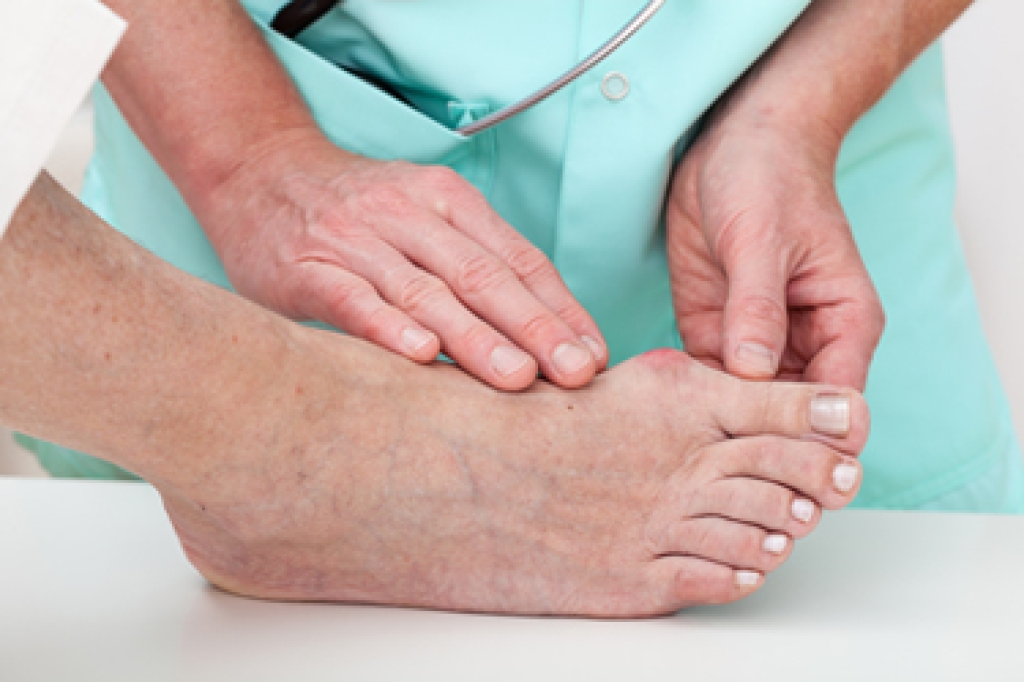
Bunions are a common foot condition that develop when the joint at the base of the big toe becomes enlarged and shifts out of alignment. This creates a visible bump on the side of the foot when the big toe angles toward the other toes. Bunions often result from structural imbalances in the foot, combined with pressure from wearing tight or narrow footwear. This misalignment can lead to discomfort and difficulty with walking. Understanding the definition and causes of bunions can help guide proper care and prevention strategies.
Symptoms of bunions include pain, swelling, redness, and restricted movement in the big toe joint. The skin over the bump may become irritated from friction, especially when wearing ill-fitting shoes. Risk factors include genetics, flat feet, wearing improper footwear, and occupations that require prolonged standing. These factors place stress on the forefoot and contribute to joint misalignment.
Bunion exercises can play an important role in managing symptoms by helping align, strengthen, and increase range of motion in the big toe. Big toe circles are performed by gently rotating the big toe in slow, controlled circles while seated, which helps improve flexibility and joint mobility. Toe spread-outs involve placing the foot flat on the ground and spreading the toes apart as far as possible, then holding the position briefly to strengthen surrounding muscles. Additionally, toe curl and point exercises require curling the toes inward and then extending them outward, which supports muscle control and coordination in the forefoot.
The benefits of these exercises include improved alignment, reduced stiffness, and enhanced muscle support for the big toe joint. Maintaining foot strength and flexibility is key to overall foot health. If you have bunion pain or changes in toe alignment, it is suggested that you consult a podiatrist for effective relief and management tips, which may include guidance on additional foot exercises.
Exercising your feet regularly with the proper foot wear is a great way to prevent injuries and build strength. If you have any concerns about your feet, contact one of our podiatrists from New Jersey Foot & Ankle Centers. Our doctors can provide the care you need to keep you pain-free and on your feet.
Exercise for Your Feet
Exercise for your feet can help you gain strength, mobility and flexibility in your feet. They say that strengthening your feet can be just as rewarding as strengthening another part of the body. Your feet are very important, and we often forget about them in our daily tasks. But it is because of our feet that are we able to get going and do what we need to. For those of us fortunate enough to not have any foot problems, it is an important gesture to take care of them to ensure good health in the long run.
Some foot health exercises can include ankle pumps, tip-toeing, toe rises, lifting off the floor doing reps and sets, and flexing the toes. It is best to speak with Our doctors to determine an appropriate regimen for your needs. Everyone’s needs and bodies are different, and the activities required to maintain strength in the feet vary from individual to individual.
Once you get into a routine of doing regular exercise, you may notice a difference in your feet and how strong they may become.
If you have any questions, please feel free to contact our office located in Oradell, NJ . We offer the newest diagnostic and treatment technologies for all your foot care needs.

Falls in seniors are a leading cause of injury and often result from a loss of balance or coordination. A fall occurs when the body is unable to maintain stability during movement or standing. Age-related changes in the muscles and joints can affect balance and increase the chance of falling. Reduced physical activity and underlying health conditions may also contribute. Understanding fall prevention strategies is key to protecting long term mobility and safety.
Common symptoms associated with fall risk include dizziness, instability, and difficulty maintaining posture. Seniors may feel unsure when walking on uneven surfaces or when changing direction. After a fall, individuals may experience pain in the feet, ankles, or other parts of the body. Swelling and limited movement can interfere with daily activities. Identifying these symptoms early can help reduce the likelihood of repeated falls.
Risk factors include poor physical conditioning, weak muscles, and lack of balance training. Social isolation and limited activity may lead to reduced strength and coordination. Foot problems, such as pain or improper footwear, can affect stability and increase fall risk. Environmental factors like poor lighting or cluttered walkways may also contribute. Falls often result from a combination of physical and environmental issues that affect safe movement.
Preventing falls involves improving balance and maintaining an active lifestyle. Exercises such as tai chi, pilates, and yoga can strengthen muscles and enhance coordination. Practicing balance techniques like walking in a straight line can improve stability. Wearing supportive footwear and regular foot care are also important for safe movement. If you have sustained a foot or ankle injury after a fall, it is suggested that you consult a podiatrist for effective relief and treatment solutions, and additional fall prevention tips.
Preventing falls among the elderly is very important. If you are older and have fallen or fear that you are prone to falling, consult with one of our podiatrists from New Jersey Foot & Ankle Centers. Our doctors will assess your condition and provide you with quality advice and care.
Every 11 seconds, an elderly American is being treated in an emergency room for a fall related injury. Falls are the leading cause of head and hip injuries for those 65 and older. Due to decreases in strength, balance, senses, and lack of awareness, elderly persons are very susceptible to falling. Thankfully, there are a number of things older persons can do to prevent falls.
How to Prevent Falls
Some effective methods that older persons can do to prevent falls include:
Falling can be a traumatic and embarrassing experience for elderly persons; this can make them less willing to leave the house, and less willing to talk to someone about their fears of falling. Doing such things, however, will increase the likelihood of tripping or losing one’s balance. Knowing the causes of falling and how to prevent them is the best way to mitigate the risk of serious injury.
If you have any questions, please feel free to contact our office located in Oradell, NJ . We offer the newest diagnostic and treatment technologies for all your foot care needs.
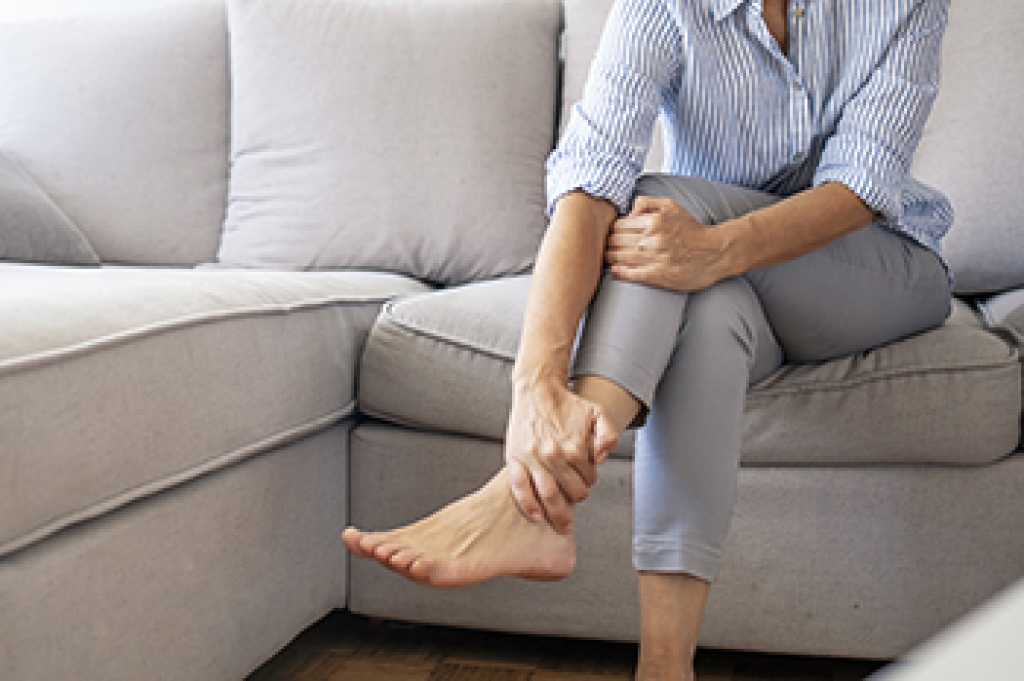
Arthritis can affect the joints of the foot and ankle, making everyday movement more difficult and uncomfortable. Healthy joints contain smooth cartilage that allows bones to move easily against one another. When this protective tissue wears down or becomes damaged, pain, stiffness, and inflammation may develop. Arthritis in the foot can affect walking, climbing stairs, and standing for long periods. Some people notice symptoms gradually, while others experience worsening discomfort over time. Because the foot contains many joints that work together during movement, arthritis can significantly affect balance and mobility. A professional evaluation is important to identify the affected joints and determine the most appropriate treatment. Early foot care may also help preserve joint function and reduce the impact of arthritis on daily activities.
Symptoms of foot arthritis vary depending on the joints involved and the severity of the condition. Many people experience joint pain, swelling, or stiffness that becomes more noticeable after periods of activity. Others develop tenderness or difficulty moving the affected joint through its normal range of motion. As arthritis progresses, walking may become more painful, and everyday activities may require greater effort. Some individuals also notice changes in the shape of the foot because of joint damage over time. Prompt evaluation can help determine the source of pain and support treatment before symptoms continue to worsen.
A podiatrist specializes in diagnosing and treating arthritis that affects the feet and ankles. During an examination, the podiatrist evaluates joint function, reviews symptoms, and determines which areas are contributing to pain before developing an individualized treatment plan. Treatment focuses on reducing discomfort, improving mobility, and helping patients maintain better foot function. Early podiatry care may also help slow the progression of joint problems and improve overall quality of life. If you are experiencing foot pain, joint stiffness, or swelling related to arthritis, it is suggested that you consult a podiatrist for an evaluation and appropriate treatment options.
Arthritis can be a difficult condition to live with. If you are seeking treatment, contact one of our podiatrists from New Jersey Foot & Ankle Centers. Our doctors can provide the care you need to keep you pain-free and on your feet.
Arthritic Foot Care
Arthritis is a term that is commonly used to describe joint pain. The condition itself can occur to anyone of any age, race, or gender, and there are over 100 types of it. Nevertheless, arthritis is more commonly found in women compared to men, and it is also more prevalent in those who are overweight. The causes of arthritis vary depending on which type of arthritis you have. Osteoarthritis for example, is often caused by injury, while rheumatoid arthritis is caused by a misdirected immune system.
Symptoms
Arthritic symptoms range in severity, and they may come and go. Some symptoms stay the same for several years but could potentially get worse with time. Severe cases of arthritis can prevent its sufferers from performing daily activities and make walking difficult.
Risk Factors
If you suspect your arthritis is affecting your feet, it is crucial that you see a podiatrist immediately. Your doctor will be able to address your specific case and help you decide which treatment method is best for you.
If you have any questions please feel free to contact our office located in Oradell, NJ . We offer the newest diagnostic tools and technology to treat your foot and ankle needs.
Connect With Us
