
Heel pain can negatively affect your day-to-day life. Simple activities like walking can become incredibly uncomfortable or painful due to heel pain.
Don’t live with heel pain and get treated.
Heel pain can negatively affect your day-to-day life. Simple activities like walking can become incredibly uncomfortable or painful due to heel pain.
Don’t live with heel pain and get treated.
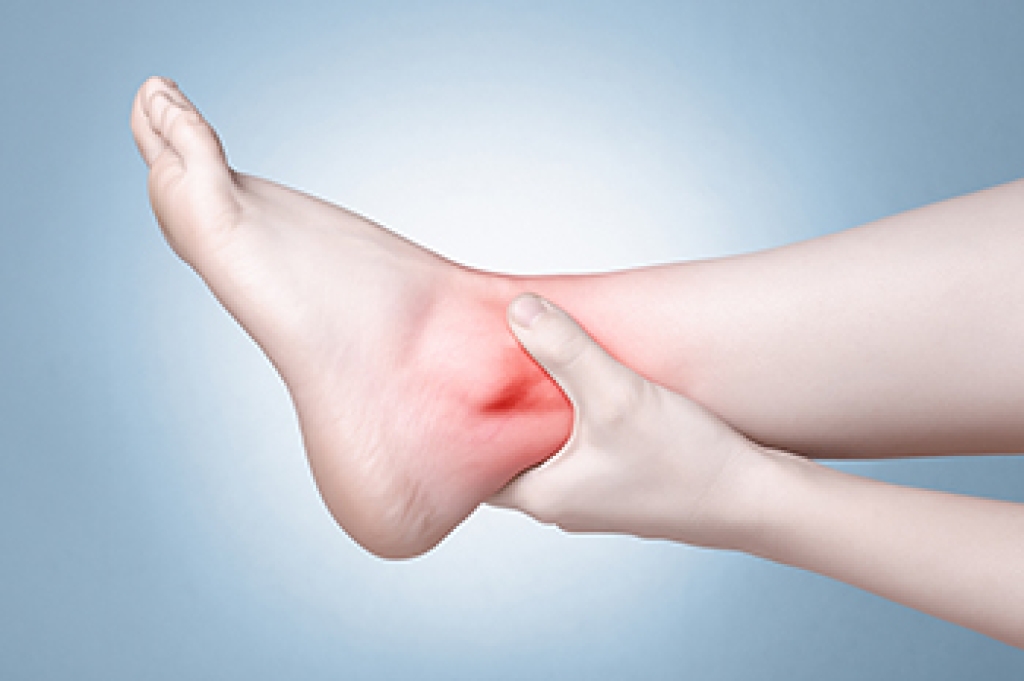
Ankle pain can affect one or both ankles, and can make standing, walking, or physical activity uncomfortable. A sprain is one frequent cause. This injury happens when one or more ligaments, the strong bands that connect bones, are stretched or torn. An ankle that twists inward can damage ligaments and lead to swelling or bruising. Pain can also come from irritated tendons, which connect muscles to bones. Arthritis, joint infection, and nerve problems are other possible causes.
A podiatrist can evaluate ankle pain and determine whether the problem involves bones, joints, or surrounding tissues. The examination can include checking swelling, tenderness, and range of motion. A podiatrist can also evaluate the patient's ability to place weight on the ankle during the physical examination. Imaging tests can be used when a fracture or another injury is suspected. Severe pain after an injury deserves prompt attention, especially when the ankle looks deformed or cannot support weight. Significant swelling or an inability to move the ankle also requires medical evaluation. Redness, warmth, and fever can point to an infection and should be evaluated promptly.
Treatment for ankle pain depends on its cause and the amount of damage present. A podiatrist can provide treatment to protect the ankle and support proper healing. Care can include a brace, walking boot, or other form of support. The podiatrist can also recommend supervised exercises to improve strength, balance, and ankle movement when appropriate for the condition. Some injuries require additional medical treatment or surgery. A podiatrist can monitor recovery and determine when returning to normal activities is appropriate. Persistent ankle pain should not be ignored because different conditions can cause similar symptoms. An accurate diagnosis allows treatment to address the source of the problem rather than the discomfort alone. If you have ankle pain, it is suggested that you schedule an appointment with a podiatrist for a diagnosis and appropriate treatment.
Ankle pain can be caused by a number of problems and may be potentially serious. If you have ankle pain, consult with one of our podiatrists from New Jersey Foot & Ankle Centers. Our doctors will assess your condition and provide you with quality foot and ankle treatment.
Ankle pain is any condition that causes pain in the ankle. Due to the fact that the ankle consists of tendons, muscles, bones, and ligaments, ankle pain can come from a number of different conditions.
Causes
The most common causes of ankle pain include:
Symptoms
Symptoms of ankle injury vary based upon the condition. Pain may include general pain and discomfort, swelling, aching, redness, bruising, burning or stabbing sensations, and/or loss of sensation.
Diagnosis
Due to the wide variety of potential causes of ankle pain, podiatrists will utilize a number of different methods to properly diagnose ankle pain. This can include asking for personal and family medical histories and of any recent injuries. Further diagnosis may include sensation tests, a physical examination, and potentially x-rays or other imaging tests.
Treatment
Just as the range of causes varies widely, so do treatments. Some more common treatments are rest, ice packs, keeping pressure off the foot, orthotics and braces, medication for inflammation and pain, and surgery.
If you have any questions please feel free to contact our office located in Oradell, NJ . We offer the newest diagnostic tools and technology to treat your foot and ankle needs.
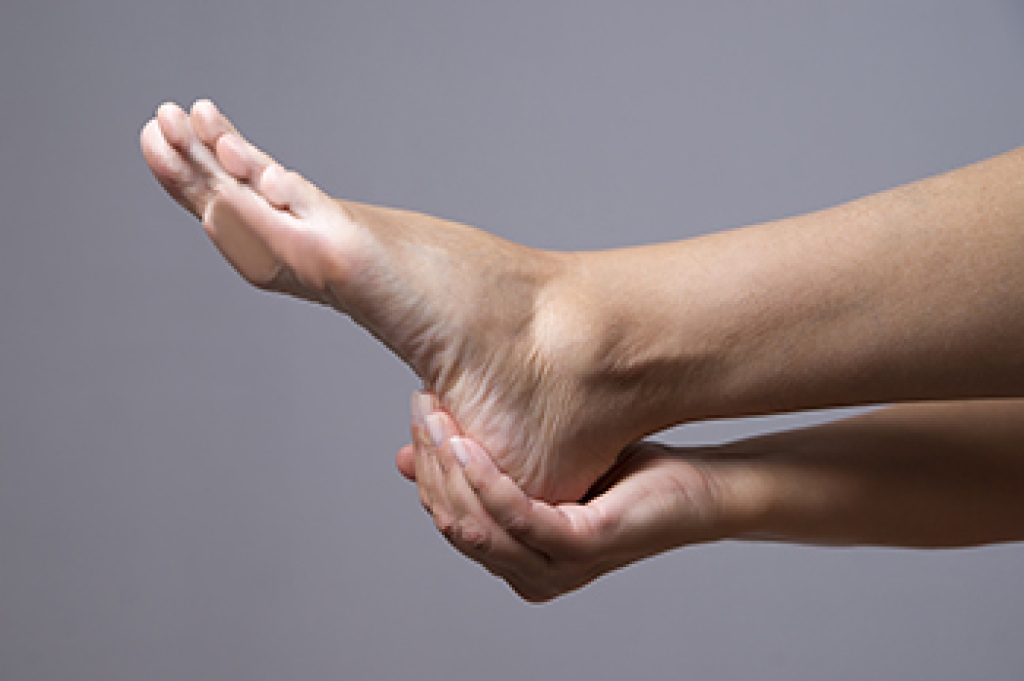
The arch of the foot helps absorb shock, support body weight, and keep the body balanced. Pain in this area can make standing or walking uncomfortable. It can develop suddenly after an injury or begin gradually from repeated strain. The pain can feel sharp, aching, or burning. It may stay in the arch or spread toward the heel and ankle. Some patients notice worse pain with their first steps in the morning. Others feel it after long periods of standing, running, or other weight-bearing activity.
Plantar fasciitis is a frequent cause of arch pain. It affects the strong band of tissue that runs from the heel to the toes and supports the arch. Other causes include flat feet, high arches, and a strained tendon. A tendon is a firm cord that connects muscle to bone. Pain can also result from a stress fracture, which is a small crack in a bone caused by repeated pressure. Sudden increases in activity and shoes that lack proper support can raise the risk. Swelling, tenderness, or changes in foot shape can help point to the underlying problem.
A podiatrist can examine the foot, review when the pain began, and check how the patient stands and walks. The evaluation can also include tests of strength, movement, and balance. It may also reveal areas receiving too much pressure. X-rays or other imaging tests can help identify a fracture or damage to soft tissue. Treatment depends on the cause and severity of the pain. A podiatrist can provide custom orthotics to improve support and reduce strain. Care can also include bracing or a walking boot. Severe problems that do not improve with conservative care may require surgery. Early diagnosis can prevent the condition from worsening and help patients return to comfortable movement. If you have pain in the arch of your foot, it is suggested that you schedule an appointment with a podiatrist for a diagnosis and appropriate treatment.
If you have any concerns about your feet, contact one of our podiatrists from New Jersey Foot & Ankle Centers. Our doctors can provide the care you need to keep you pain-free and on your feet.
Biomechanics in Podiatry
Podiatric biomechanics is a particular sector of specialty podiatry with licensed practitioners who are trained to diagnose and treat conditions affecting the foot, ankle and lower leg. Biomechanics deals with the forces that act against the body, causing an interference with the biological structures. It focuses on the movement of the ankle, the foot and the forces that interact with them.
A History of Biomechanics
Modern technological improvements are based on past theories and therapeutic processes that provide a better understanding of podiatric concepts for biomechanics. Computers can provide accurate information about the forces and patterns of the feet and lower legs.
Understanding biomechanics of the feet can help improve and eliminate pain, stopping further stress to the foot.
If you have any questions please feel free to contact our office located in Oradell, NJ . We offer the newest diagnostic and treatment technologies for all your foot and ankle needs.

Pickleball places unique demands on the lower extremities because players frequently move forward, backward, and from side to side. Quick reactions and repeated court movements can contribute to foot and ankle injuries. A sports-related injury may affect a tendon, ligament, or bone. Symptoms include localized pain, swelling, or bruising. Tenderness, or difficulty placing weight on the affected foot are also common. Some problems develop immediately, while others appear gradually after repeated play.
Risk factors include increasing playing time too quickly, skipping warm-ups, and using footwear that does not provide enough stability. Players returning after a long break may also experience problems when their bodies have not adjusted to repeated court activity. Previous injuries can increase susceptibility, particularly when strength, flexibility, or balance has not fully returned. Poor movement patterns and repeated high-impact activity may place additional strain on the feet and ankles during games.
Common pickleball injuries include ankle sprains, Achilles tendon problems, and plantar fasciitis. An ankle sprain can happen when the foot rolls during a sudden change in direction. Achilles tendon irritation may cause pain near the back of the heel and ankle, especially during pushing off. Plantar fasciitis typically causes discomfort beneath the heel and may become noticeable after activity or during the first steps after rest. Additionally, stress fractures can also occur from repetitive loading.
A podiatrist begins care by examining the injured area and evaluating movement, strength, and stability. X-rays or other imaging may be recommended when a bone injury is suspected. Treatment may involve temporary activity changes, and wearing supportive footwear. Follow-up appointments allow the podiatrist to monitor progress and determine when returning to pickleball is appropriate. If pickleball has left you with ongoing foot or ankle pain, it is suggested that you consult a podiatrist for an effective relief, treatment and guidance on when to return to this popular sport.
Sports related foot and ankle injuries require proper treatment before players can go back to their regular routines. For more information, contact one of our podiatrists of New Jersey Foot & Ankle Centers. Our doctors can provide the care you need to keep you pain-free and on your feet.
Sports Related Foot and Ankle Injuries
Foot and ankle injuries are a common occurrence when it comes to athletes of any sport. While many athletes dismiss the initial aches and pains, the truth is that ignoring potential foot and ankle injuries can lead to serious problems. As athletes continue to place pressure and strain the area further, a mild injury can turn into something as serious as a rupture and may lead to a permanent disability. There are many factors that contribute to sports related foot and ankle injuries, which include failure to warm up properly, not providing support or wearing bad footwear. Common injuries and conditions athletes face, including:
Sports related injuries are commonly treated using the RICE method. This includes rest, applying ice to the injured area, compression and elevating the ankle. More serious sprains and injuries may require surgery, which could include arthroscopic and reconstructive surgery. Rehabilitation and therapy may also be required in order to get any recovering athlete to become fully functional again. Any unusual aches and pains an athlete sustains must be evaluated by a licensed, reputable medical professional.
If you have any questions please contact our office located in Oradell, NJ . We offer the newest diagnostic and treatment technologies for all your foot and ankle needs.
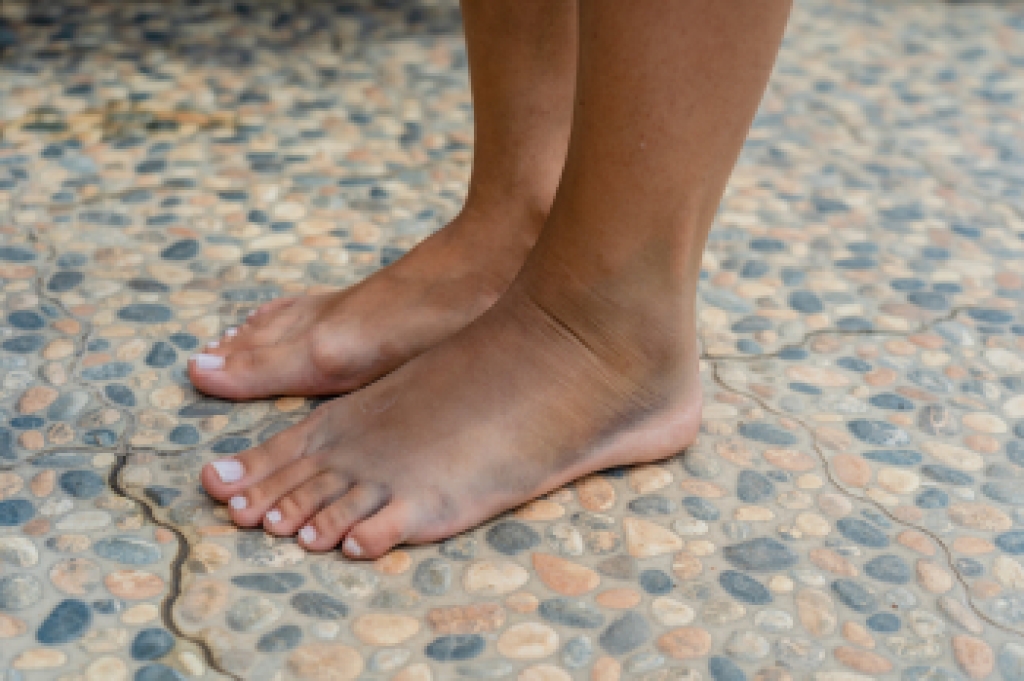
Foot bruises are common injuries that occur when small blood vessels beneath the skin break due to direct impact or repeated stress. This condition, also known as a contusion, can affect different parts of the foot including the toes, heels, and arches. Foot bruises may develop from everyday activities, such as walking long distances, participating in sports, or wearing poorly fitted shoes. Understanding how bruises form helps individuals recognize early signs and take proper action to protect foot health and mobility.
Symptoms of a foot bruise often include discoloration, swelling, and localized pain. The affected area may appear red, purple, or blue depending on the severity of the injury. Many people experience tenderness when pressure is applied, along with limited range of motion in the foot or toes. Weakness and discomfort can make walking difficult, especially if the heel or forefoot is involved. These symptoms may worsen if the injury is not given proper time to heal or if additional stress is placed on the area.
Several causes and risk factors contribute to foot bruises. Direct trauma such as dropping a heavy object on the foot or sudden impact during sports is a common cause. Repetitive stress from running or jumping can also lead to bruising over time. Wearing tight or unsupportive footwear increases pressure on certain areas, making bruises more likely. Individuals with active lifestyles or occupations that involve prolonged standing may face a higher risk of developing foot contusions or minor sprains.
Preventing foot bruises involves wearing supportive shoes, avoiding repetitive strain, and allowing time for recovery after physical activity. Early care such as rest and reducing pressure can help manage symptoms and promote healing. If foot bruises persist or worsen, it is suggested that you consult a podiatrist for effective relief and treatment solutions.
Foot Pain
Foot pain can be extremely painful and debilitating. If you have a foot pain, consult with one of our podiatrists from New Jersey Foot & Ankle Centers. Our doctors will assess your condition and provide you with quality foot and ankle treatment.
Causes
Foot pain is a very broad condition that could be caused by one or more ailments. The most common include:
Diagnosis
To figure out the cause of foot pain, podiatrists utilize several different methods. This can range from simple visual inspections and sensation tests to X-rays and MRI scans. Prior medical history, family medical history, and any recent physical traumatic events will all be taken into consideration for a proper diagnosis.
Treatment
Treatment depends upon the cause of the foot pain. Whether it is resting, staying off the foot, or having surgery; podiatrists have a number of treatment options available for foot pain.
If you have any questions, please feel free to contact our office located in Oradell, NJ . We offer the newest diagnostic and treatment technologies for all your foot care needs.
Connect With Us
