Foot or ankle pain can negatively affect your day-to-day life and can occur due to several different conditions. Pain can also be an indicator of a more serious underlying condition, which is why you should seek professional help as soon as you notice any abnormalities in your feet.
While occasional tiptoe walking is normal in toddlers who are exploring their bodies, persistent tiptoe walking may signal underlying issues that require attention from a podiatrist. One common cause is idiopathic toe walking, as sometimes children walk on tiptoe without any apparent reason. This condition usually resolves by the time the child is three years old, but persistent cases may require evaluation. Another potential cause is a tight Achilles tendon, as a shortened Achilles tendon can make it uncomfortable for a child to place their heels on the ground. Some children with sensory processing disorders may prefer tiptoe walking due to heightened sensitivity in their feet. Tiptoe walking can lead to muscle imbalances and joint issues in the long run, which may affect a child's balance and coordination, potentially leading to falls and injuries. If you notice that your child is frequently walking on tiptoe, it is suggested that you make an appointment with a podiatrist for a thorough evaluation and appropriate treatment. Early intervention can help your child develop a healthier, more comfortable gait.
The health of a child’s feet is vital to their overall well-being. If you have any questions regarding foot health, contact one of our podiatrists of New Jersey Foot & Ankle Centers. Our doctors can provide the care you need to keep you pain-free and on your feet.
Tips for Keeping Children's Feet Healthy
Make sure their shoes fit properly
Look for any signs of in-toeing or out-toeing
Check to see if they have Clubfoot (condition that affects your child’s foot and ankle, twisting the heel and toes inward) which is one of the most common nonmajor birth defects.
Lightly cover your baby’s feet (Tight covers may keep your baby from moving their feet freely, and could prevent normal development)
Allow your toddler to go shoeless (Shoes can be restricting for a young child’s foot)
Cut toenails straight across to avoid ingrown toenails
Keep your child’s foot clean and dry
Cover cuts and scrapes. Wash any scratches with soap and water and cover them with a bandage until they’ve healed.
If you have any questions, please feel free to contact our office located in Oradell, NJ. We offer the newest diagnostic and treatment technologies for all your foot care needs.
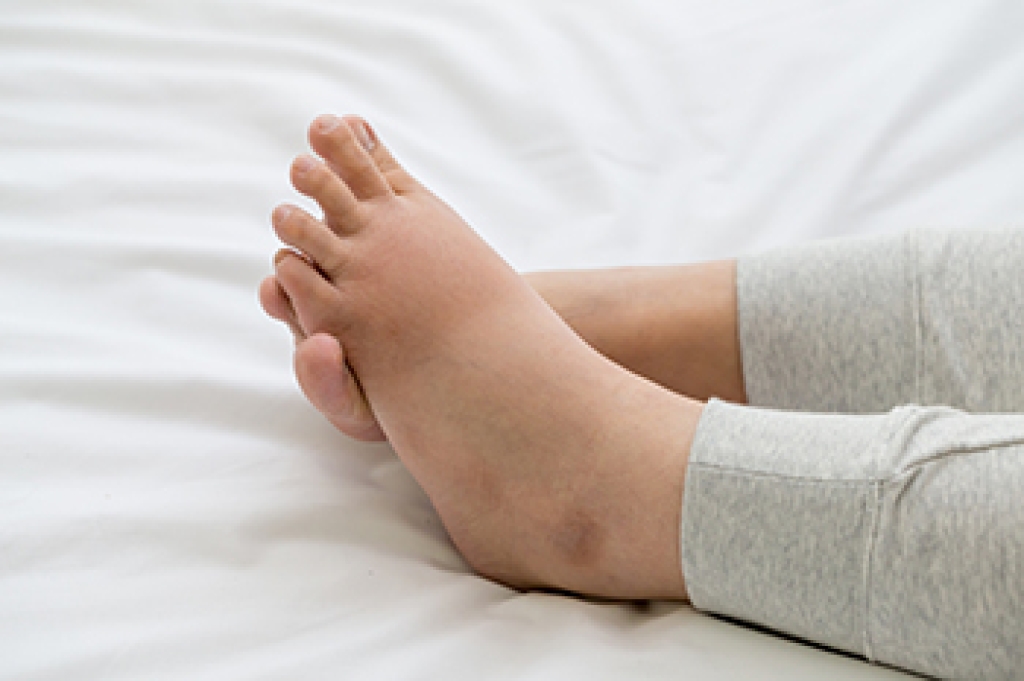
Swollen feet, a common issue that affects people of all ages, can be uncomfortable and concerning. To find relief, it is essential first to understand the underlying causes. One of the leading causes of swollen feet is fluid retention, often attributed to a sedentary lifestyle, excessive salt intake, or hormonal changes. Prolonged sitting or standing can also impede proper blood circulation, leading to swelling. Certain medical conditions, such as heart, kidney, or liver problems, can contribute to fluid buildup in the lower extremities. Another common factor is inflammation, which can result from injuries, infections, or chronic conditions such as arthritis. In some cases, medications or pregnancy may lead to incurring swollen feet. To relieve swollen feet, elevate your legs whenever possible, ideally above heart level, to encourage fluid drainage. Regular exercise, such as walking or ankle rotations, can help improve circulation. Reducing salt intake, wearing compression stockings, and staying hydrated are valuable preventive measures. If swelling persists or worsens, it is suggested that you consult a podiatrist to rule out any underlying medical conditions and explore additional treatment options.
Swollen feet can be a sign of an underlying condition. If you have any concerns, contact one of our podiatrists of New Jersey Foot & Ankle Centers. Our doctors can provide the care you need to keep you pain-free and on your feet.
Swollen feet are a common ailment among pregnant women and people who stand or sit for extended periods. Aging may increase the possibility of swollen feet and patients who are obese often notice when their feet are swelling too. There may be medical reasons why swollen feet occur:
Phlebitis - A condition that causes the veins to become inflamed and can also cause leg pain.
Liver disease - This may lead to low blood levels of albumin which is a protein. This can cause fluid in the blood to pass into the tissues and several areas of the body can become swollen.
Heart failure - When the heart doesn’t pump properly the blood that is normally pumped back to the heart can pool in the veins of the legs causing swollen feet.
Kidney disease - One of the main functions of the kidneys is releasing excess fluid in the body. This type of condition can make it difficult for the kidneys to function properly, and as a result the feet may become swollen.
Deep-vein thrombosis (DVT)- This is a serious condition where blood clots form in the veins of the legs. They can block the return of blood from the legs to the heart which may cause the feet to swell. It is important to be treated by a podiatrist if this condition is present.
Swollen feet can also be caused by bone and tendon conditions, including fractures, arthritis, and tendinitis. Additionally, there may be skin and toenail conditions and an infection may cause the feet to swell. Patients who take medicine to treat high blood pressure may be prone to getting swollen feet.
Many patients elevate their feet to help relieve the swelling and this is generally a temporary remedy. When a podiatrist is consulted the reason behind the swelling can be uncovered and subsequently treated.
If you have any questions please contact our office located in Oradell, NJ. We offer the newest diagnostic and treatment technologies for all your foot and ankle needs.
Running is thought to be a good way to stay fit and healthy, but it also comes with risks. Foot and ankle injuries are all too common among runners. Overuse is a prevalent issue, usually stemming from pushing your body too hard or increasing your mileage too quickly. These actions can lead to problems like plantar fasciitis, Achilles tendonitis, and stress fractures. Poor footwear choices also play a significant role in causing foot or ankle injuries. Worn-out or ill-fitting shoes fail to provide the necessary support and cushioning, increasing the risk of injuries. Ensuring your shoes are the right fit for your feet and running style is important. Inadequate warm-up routines can strain the muscles and ligaments, making them more susceptible to injuries. In addition, running on uneven terrain can increase the likelihood of twisting an ankle. Biomechanical issues, such as overpronation or supination, can place extra stress on your feet and ankles, making them prone to injury. If you experience persistent pain or discomfort as a result of your running activity, it is suggested that you consult a podiatrist for an exam, diagnosis, and treatment options.
Exercising your feet regularly with the proper foot wear is a great way to prevent injuries. If you have any concerns about your feet, contact one of our podiatrists of New Jersey Foot & Ankle Centers. Our doctors will treat your foot and ankle needs.
How to Prevent Running Injuries
Many common running injuries are caused by overuse and overtraining. When the back of the kneecap starts wearing out and starts causing pain in your knee, this is commonly referred to as runner’s knee. Runner’s knee is a decrease in strength in your quadriceps and can occur if you’re not wearing properly fitted or supporting shoes. To prevent runner’s knee, focusing on hip strengthening is a good idea, as well as strengthening your quads to keep the kneecaps aligned.
What Are Some Causes of Running Injuries? - One cause of a common running injury is called iliotibial band syndrome. - Plantar fasciitis is also another common injury. - Stress fractures can occur from overtraining, lack of calcium, or even your running style.
Best Ways to Prevent Running Injuries - Wear footwear that fits properly and suits your running needs. - Running shoes are the only protective gear that runners have to safeguard them from injury. - Make a training schedule. Adding strengthening exercises as well as regular stretching can help keep you strong and limber and can lessen the possibility of injuries. - Stretching keeps muscles limber; this will help you gain better flexibility.
If you have any questions, please feel free to contact our office located in Oradell, NJ. We offer the newest diagnostic and treatment technologies for all your foot care needs.
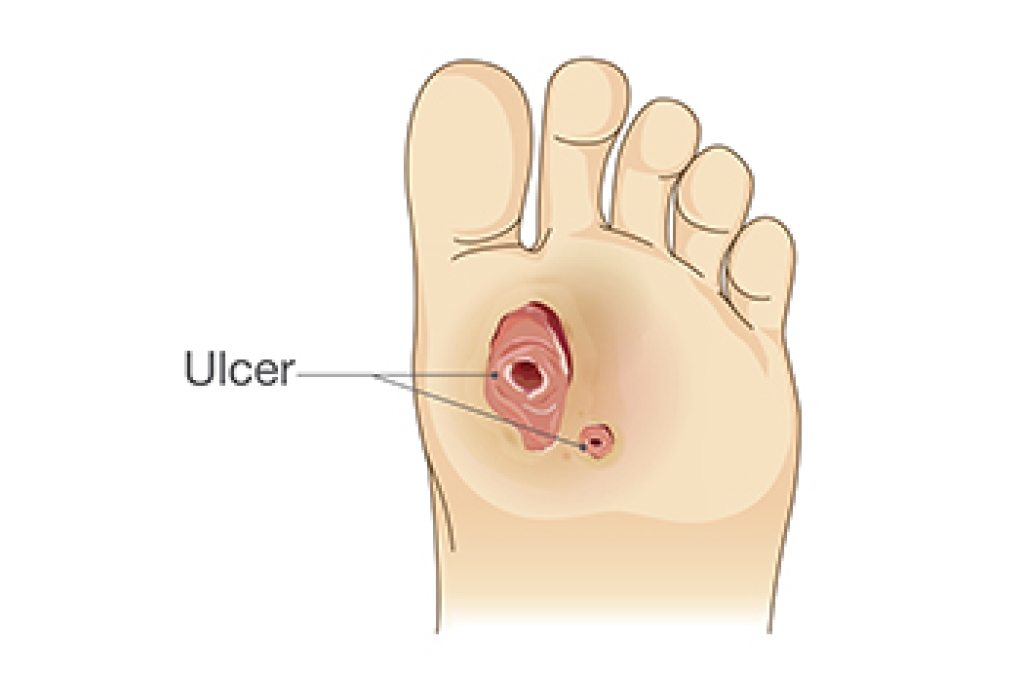
One of the most concerning complications of diabetes is the development of diabetic foot ulcers. A primary culprit behind diabetic foot ulcers is peripheral neuropathy, a condition where nerve damage impairs the ability to feel sensations in your feet. Without pain awareness, you may not notice the pressure your feet experience during everyday activities. This can lead to developing blisters, lesions, or sores. If these injuries are not attended to, they may evolve into foot ulcers. Another significant factor in the development of diabetic foot ulcers is poor blood flow, which can happen as a result of conditions such as peripheral arterial disease. Inadequate blood supply can hinder proper wound healing, making minor injuries prone to infections. Diabetic foot ulcers are a serious concern, and understanding the causes, in addition to taking preventive measures, can significantly reduce the risk. If you have diabetes, it is strongly suggested that you schedule regular check ups with a podiatrist who can both monitor and treat any foot problems as they arise.
Diabetic foot care is important in preventing foot ailments such as ulcers. If you are suffering from diabetes or have any other concerns about your feet, contact one of our podiatrists from New Jersey Foot & Ankle Centers. Our doctors can provide the care you need to keep you pain-free and on your feet.
Diabetic Foot Care
Diabetes affects millions of people every year. The condition can damage blood vessels in many parts of the body, especially the feet. Because of this, taking care of your feet is essential if you have diabetes, and having a podiatrist help monitor your foot health is highly recommended.
The Importance of Caring for Your Feet
Routinely inspect your feet for bruises or sores.
Wear socks that fit your feet comfortably.
Wear comfortable shoes that provide adequate support.
Patients with diabetes should have their doctor monitor their blood levels, as blood sugar levels play such a huge role in diabetic care. Monitoring these levels on a regular basis is highly advised.
It is always best to inform your healthcare professional of any concerns you may have regarding your feet, especially for diabetic patients. Early treatment and routine foot examinations are keys to maintaining proper health, especially because severe complications can arise if proper treatment is not applied.
If you have any questions, please feel free to contact our office located in Oradell, NJ. We offer the newest diagnostic and treatment technologies for all your foot care needs.
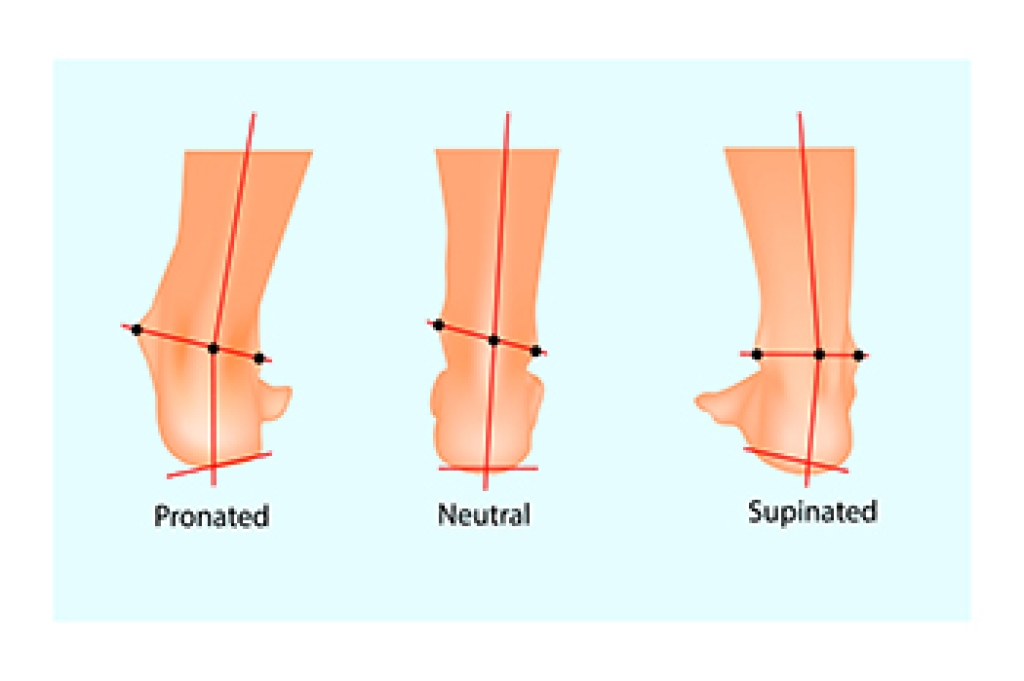
Pronation is a natural foot movement that occurs when you walk or run. As you take a step, your foot lands on the outer heel and subsequently rolls inward to distribute weight and absorb impact. Too much pronation, known as overpronation, amplifies this movement and can cause the foot to roll inward too far. This results in excessive weight being forced onto the inner part of the sole, which strains ligaments, muscles, and tendons and increases the risk of pain, injury, and foot ailments. Loose joints and ligaments are thought to be the main cause of overpronation. Numerous conditions can arise due to this problem, including plantar fasciitis, bunions, and Achilles tendonitis. Heel spurs, sprains, and pain in other body parts can also result from overpronation. Genetic factors, pregnancy, excessive weight, and specific foot deformities may also be factors. Diagnosing overpronation can involve a gait analysis to assess walking and running patterns, but many other solutions to manage and alleviate overpronation are available. Included are stabilizing shoes and orthotics that can offer extra arch support, help to curb excessive movement, and reduce lower body stress. If you have foot pain that may be caused by overpronation, it is suggested that you make an appointment with a podiatrist.
Podiatric biomechanics is a particular sector of specialty podiatry with licensed practitioners who are trained to diagnose and treat conditions affecting the foot, ankle and lower leg. Biomechanics deals with the forces that act against the body, causing an interference with the biological structures. It focuses on the movement of the ankle, the foot and the forces that interact with them.
A History of Biomechanics
Biomechanics dates back to the BC era in Egypt where evidence of professional foot care has been recorded.
In 1974, biomechanics gained a higher profile from the studies of Merton Root, who claimed that by changing or controlling the forces between the ankle and the foot, corrections or conditions could be implemented to gain strength and coordination in the area.
Modern technological improvements are based on past theories and therapeutic processes that provide a better understanding of podiatric concepts for biomechanics. Computers can provide accurate information about the forces and patterns of the feet and lower legs.
Understanding biomechanics of the feet can help improve and eliminate pain, stopping further stress to the foot.
If you have any questions please feel free to contact our office located in Oradell, NJ. We offer the newest diagnostic and treatment technologies for all your foot and ankle needs.
Have your feet inspected by a professional before starting a new sport or physical activity. Taking charge of your foot health will keep you in good physical condition and can help you avoid a potential injury, such as a fracture or sprained ankle.
In recent years, minimally invasive surgery has garnered increasing attention as a potential solution for correcting foot and ankle deformities. Unlike traditional open procedures that require large incisions, minimally invasive surgery involves small, precise incisions. The anticipated advantages of this type of surgery include the preservation of blood supply, reduced harm to adjacent soft tissues, and a decreased incidence of wound complications. Minimally invasive surgical techniques can be performed for deformities such as flat feet, bunions, and hammertoe surgeries. If you have foot or ankle deformities, it is suggested that you make an appointment with a podiatrist to discuss whether minimally invasive surgery can help you.
Foot and ankle surgery is generally reserved for cases in which less invasive, conservative procedures have failed to alleviate the problem. Some of the cases in which surgery may be necessary include:
Removing foot deformities like bunions and bone spurs
Severe arthritis that has caused bone issues
Cosmetic reconstruction
What Types of Surgery Are There?
The type of surgery you receive will depend on the nature of the problem you have. Some of the possible surgeries include:
Bunionectomy for painful bunions
Surgical fusion for realignment of bones
Neuropathy decompression surgery to treat nerve damage
Benefits of Surgery
Although surgery is usually a last resort, it can provide more complete pain relief compared to non-surgical methods and may allow you to finally resume full activity.
Surgical techniques have also become increasingly sophisticated. Techniques like endoscopic surgery allow for smaller incisions and faster recovery times.
If you have any questions, please feel free to contact our office located in Oradell, NJ. We offer the newest diagnostic and treatment technologies for all your foot care needs.
As children gleefully skip and run, their feet become the unsung heroes of their adventures. A child’s foot is not fully developed at birth, and will gradually mature as the growing process occurs. Flat feet, often seen in toddlers, emerge as a result of developing arches. The right shoes for tiny feet are paramount, supporting their natural formation. Interestingly, children have more sweat glands per square inch on their feet as compared to adults, making it understandable to crawl or walk without socks. When children’s feet are observed, their evolving balance and coordination skills can be noticed. So, next time you witness a hop, a skip, or a jump, remember, those feet are crafting a tale of growth, exploration, and endless childhood delight. If you would like additional knowledge about children’s feet, it is suggested that you confer with a podiatrist.
Making sure that your children maintain good foot health is very important as they grow. If you have any questions, contact one of our podiatrists of New Jersey Foot & Ankle Centers. Our doctors can provide the care you need to keep you pain-free and on your feet.
Keeping Children's Feet Healthy
Having healthy feet during childhood can help prevent medical problems later in life, namely in the back and legs. As children grow, their feet require different types of care. Here are some things to consider...
Although babies do not walk yet, it is still very important to take care of their feet.
Avoid putting tight shoes or socks on his or her feet.
Allow the baby to stretch and kick his or her feet to feel comfortable.
As a toddler, kids are now on the move and begin to develop differently. At this age, toddlers are getting a feel for walking, so don’t be alarmed if your toddler is unsteady or ‘walks funny’.
As your child gets older, it is important to teach them how to take care of their feet.
Show them proper hygiene to prevent infections such as fungus.
Be watchful for any pain or injury.
Have all injuries checked by a doctor as soon as possible.
Comfortable, protective shoes should always be worn, especially at play.
If you have any questions, please feel free to contact our office located in Oradell, NJ. We offer the newest diagnostic and treatment technologies for all your foot care needs.
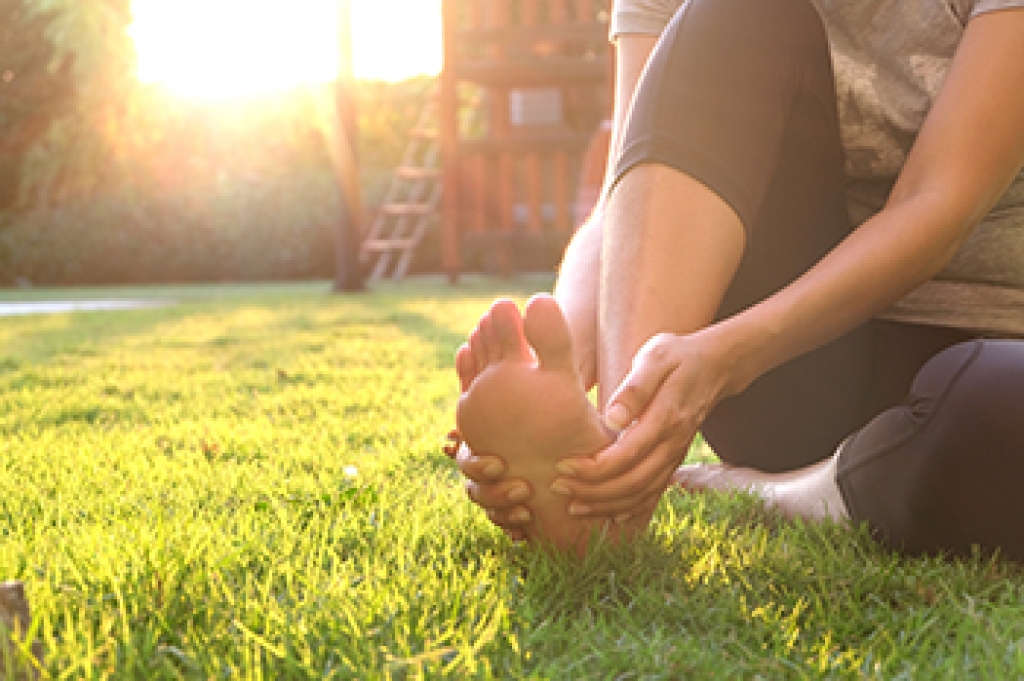
Foot pain can significantly impact your quality of life, making it difficult to complete your daily activities. One common cause of foot pain is improper footwear, as wearing ill-fitting shoes or high heels can lead to foot disorders and discomfort. In addition, injuries sustained during high-impact exercises or sports activities, such as running or aerobics, may result in foot pain. This includes sprains, strains, fractures, and tears in ligaments, tendons, or muscles. Another cause of foot pain is osteoarthritis, which results from the overuse of cartilage surrounding the joints, particularly affecting the big toe. Rheumatoid arthritis also can lead to pain, stiffness, and swelling in the joints of the feet and ankles. For patients with diabetes, nerve damage, and reduced blood flow, foot ulcers may develop and cause persistent foot pain. Apart from these primary causes, various specific conditions can lead to foot pain, such as plantar fasciitis, corns, calluses, bunions, and ingrown toenails. Flat feet, heel spurs, tarsal tunnel syndrome, and Sever's disease are other causes of foot pain. If you are experiencing foot pain, it is suggested that you make an appointment with a podiatrist who can determine the cause and offer the appropriate treatment options.
Foot Pain
Foot pain can be extremely painful and debilitating. If you have a foot pain, consult with one of our podiatrists from New Jersey Foot & Ankle Centers. Our doctors will assess your condition and provide you with quality foot and ankle treatment.
Causes
Foot pain is a very broad condition that could be caused by one or more ailments. The most common include:
Bunions
Hammertoes
Plantar Fasciitis
Bone Spurs
Corns
Tarsal Tunnel Syndrome
Ingrown Toenails
Arthritis (such as Gout, Rheumatoid, and Osteoarthritis)
To figure out the cause of foot pain, podiatrists utilize several different methods. This can range from simple visual inspections and sensation tests to X-rays and MRI scans. Prior medical history, family medical history, and any recent physical traumatic events will all be taken into consideration for a proper diagnosis.
Treatment
Treatment depends upon the cause of the foot pain. Whether it is resting, staying off the foot, or having surgery; podiatrists have a number of treatment options available for foot pain.
If you have any questions, please feel free to contact our office located in Oradell, NJ. We offer the newest diagnostic and treatment technologies for all your foot care needs.