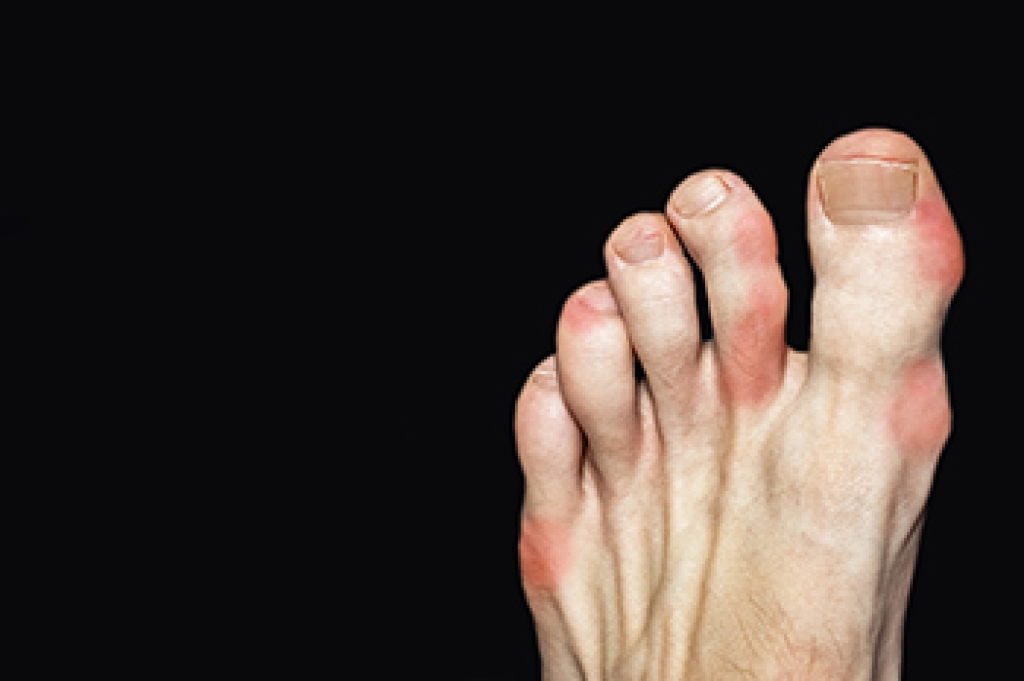
Gout Is More Prevalent Among Men

People worldwide can develop the painful foot condition that is known as gout. However, research has shown it is more prevalent among men. It is an ailment that happens as a result of excess uric acid levels in the blood, and it can come from the foods that are eaten. These can include red meats, shellfish, and drinks that are made with large amounts of sugar. Additionally, it may happen for genetic reasons, or if there has been an organ transplant. The excess uric acid will form into crystals in the joints of the big toe, and this can cause debilitating pain. Gout attacks may be limited or avoided when healthy lifestyle changes are implemented. These can consist of drinking plenty of water daily and engaging in a gentle exercise program. Additionally, it is beneficial to eat regular servings of fruits and vegetables, and update existing medications that may increase the risk of getting gout. If you suffer from this condition, it is strongly urged that you are under the care of a podiatrist who can help you to manage it.

Gout is a painful condition that can be treated. If you are seeking treatment, contact one of our podiatrists from New Jersey Foot & Ankle Centers. Our doctors will treat your foot and ankle needs.

What Is Gout?

Gout is a form of arthritis that is characterized by sudden, severe attacks of pain, redness, and tenderness in the joints. The condition usually affects the joint at the base of the big toe. A gout attack can occur at any random time, such as the middle of the night while you are asleep.

Symptoms

  • Intense Joint Pain - Usually around the large joint of your big toe, and it most severe within the first four to twelve hours
  • Lingering Discomfort - Joint discomfort may last from a few days to a few weeks
  • Inflammation and Redness -Affected joints may become swollen, tender, warm and red
  • Limited Range of Motion - May experience a decrease in joint mobility

Risk Factors

  • Genetics - If family members have gout, you’re more likely to have it
  • Medications - Diuretic medications can raise uric acid levels
  • Gender/Age - Gout is more common in men until the age of 60. It is believed that estrogen protects women until that point
  • Diet - Eating red meat and shellfish increases your risk
  • Alcohol - Having more than two alcoholic drinks per day increases your risk
  • Obesity - Obese people are at a higher risk for gout

Prior to visiting your podiatrist to receive treatment for gout, there are a few things you should do beforehand. If you have gout you should write down your symptoms--including when they started and how often you experience them, important medical information you may have, and any questions you may have. Writing down these three things will help your podiatrist in assessing your specific situation so that he or she may provide the best route of treatment for you.

If you have any questions, please feel free to contact our office located in Oradell, NJ . We offer the newest diagnostic and treatment technologies for all your foot care needs.
Read more about Gout

Reminder: When Was the Last Time...?

Custom orthotics, or shoe inserts, should be periodically replaced. Orthotics must fit properly to give you the best results. Protect your feet and ankles!

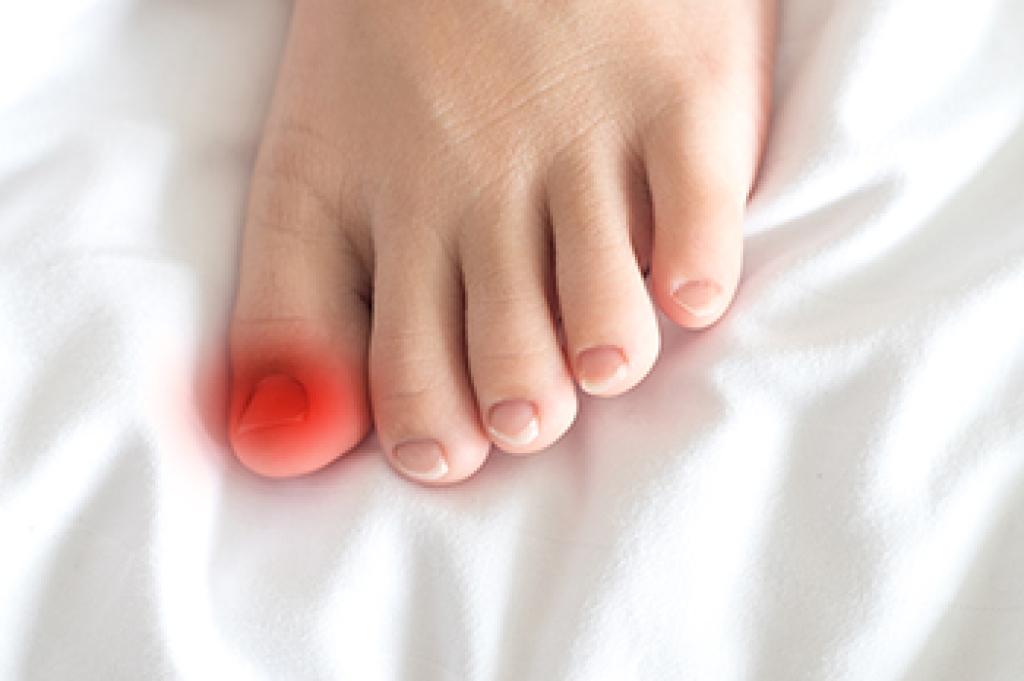
Symptoms of an Ingrown Toenail

Ingrown toenails are generally painful and can become infected when medical attention from a podiatrist is not promptly sought. Ingrown toenails can develop from wearing shoes that do not fit correctly, or when the toenails are trimmed improperly. An ingrown toenail is defined as a toenail that grows into the skin instead of over it. The symptoms many people experience include the surrounding skin becoming red and tender, in addition to pus oozing from the toenail once it becomes infected. Some patients have found mild relief when the affected toe is soaked in warm water, followed by using a small piece of cotton to gently pull the nail away from the skin, however, these are temporary solutions. If you have developed an ingrown toenail, please schedule an appointment with a podiatrist who is qualified to perform minor surgery for complete healing.

Ingrown toenails may initially present themselves as a minor discomfort, but they may progress into an infection in the skin without proper treatment. For more information about ingrown toenails, contact one of our podiatrists of New Jersey Foot & Ankle Centers. Our doctors can provide the care you need to keep you pain-free and on your feet.

Ingrown Toenails

Ingrown toenails are caused when the corner or side of a toenail grows into the soft flesh surrounding it. They often result in redness, swelling, pain, and in some cases, infection. This condition typically affects the big toe and may recur if it is not treated properly.

Causes

  • Improper toenail trimming
  • Genetics
  • Improper shoe fitting
  • Injury from pedicures or nail picking
  • Abnormal gait
  • Poor hygiene

You are more likely to develop an ingrown toenail if you are obese, have diabetes, arthritis, or have any fungal infection in your nails. Additionally, people who have foot or toe deformities are at a higher risk of developing an ingrown toenail.

Symptoms

Some symptoms of ingrown toenails are redness, swelling, and pain. In rare cases, there may be a yellowish drainage coming from the nail.

Treatment

Ignoring an ingrown toenail can have serious complications. Infections of the nail border can progress to a deeper soft-tissue infection, which can then turn into a bone infection. You should always speak with your podiatrist if you suspect you have an ingrown toenail, especially if you have diabetes or poor circulation.

If you have any questions, please feel free to contact our office located in Oradell, NJ . We offer the newest diagnostic and treatment technologies for all your foot care needs.
Read more about Ingrown Toenails

3 Types of Ankle Sprains

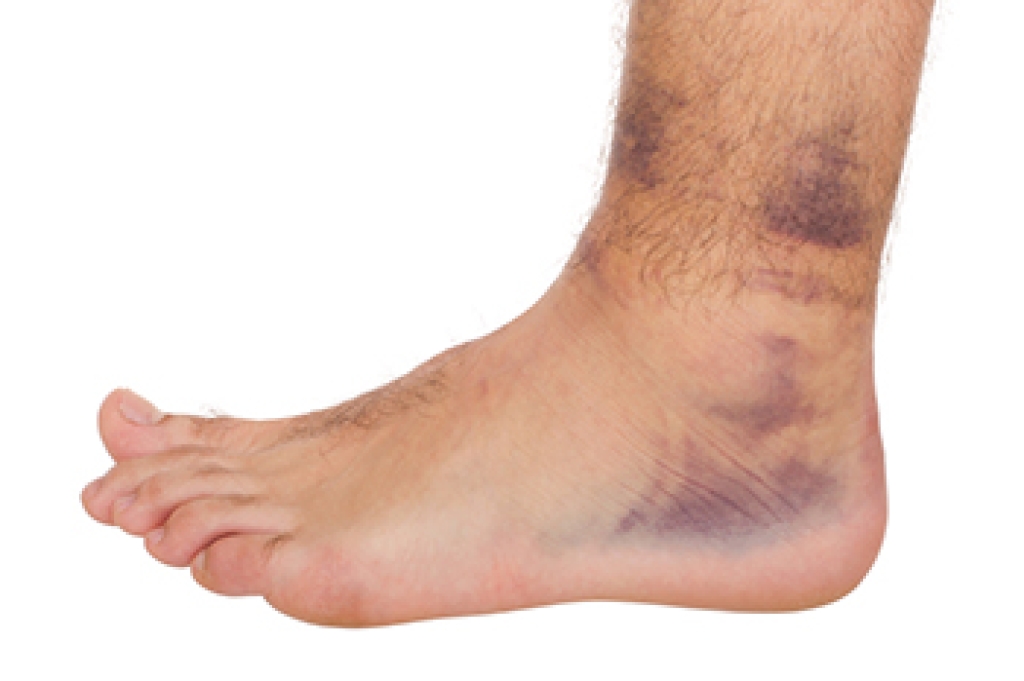
Ankle sprains can vary in severity and type. The most common type of ankle sprain is known as the inversion sprain and happens when the ankle rolls out while the foot turns in. The ligaments can easily be stretched or torn with this type of sprain and are generally painful. The opposite kind of sprain can occur when the ankle rolls inward, as the foot turns outward. The ligaments on the inside of the ankle can become torn with this sprain which is called the eversion sprain. Patients who have experienced a high ankle sprain may endure more discomfort, and this happens when the foot is planted on the ground, and the leg moves toward the inside of the foot. This is considered to be the least common type of sprain and often requires immediate medical attention. If you have sprained your ankle, please visit a podiatrist who can determine which kind of sprain you have, and offer the best treatment advice for you.

Ankle sprains are common but need immediate attention. If you need your feet checked, contact one of our podiatrists from New Jersey Foot & Ankle Centers. Our doctors can provide the care you need to keep you pain-free and on your feet.

How Does an Ankle Sprain Occur?

Ankle sprains take place when the ligaments in your ankle are torn or stretched beyond their limits. There are multiple ways that the ankle can become injured, including twisting or rolling over onto your ankle, putting undue stress on it, or causing trauma to the ankle itself.

What Are the Symptoms?

  • Mild to moderate bruising
  • Limited mobility
  • Swelling
  • Discoloration of the skin (depending on severity)

Preventing a Sprain

  • Wearing appropriate shoes for the occasion
  • Stretching before exercises and sports
  • Knowing your limits

Treatment of a Sprain

Treatment of a sprain depends on the severity.  Many times, people are told to rest and remain off their feet completely, while others are given an air cast. If the sprain is very severe, surgery may be required.

If you have suffered an ankle sprain previously, you may want to consider additional support such as a brace and regular exercises to strengthen the ankle.

If you have any questions please feel free to contact our office located in Oradell, NJ . We offer the newest diagnostic tools and technology to treat your foot and ankle needs.

Read more about Ankle Sprains

Simple Methods That May Ensure Good Foot Care

Many people across the globe do not pay as much attention to their feet as advised. It takes a small but persistent amount of time to have feet that look and feel good. An important thing to do is to trim the toenails correctly, approximately once per week. This is an effective method in keeping the toenails strong and healthy. It is beneficial to trim the toenails straight across, followed by filing them to ensure a finished appearance. The feet will feel better when they are frequently moisturized, which may help to prevent cracked heels from developing. When shoes are purchased, it is important that they fit correctly from the moment they are tried on, and they should not have to be broken in. Additionally, it is helpful to shop for shoes at the end of the day when the feet are at their largest. Toenail fungus and athlete's foot may be avoided when the feet are kept as dry as possible, and it is helpful to refrain from wearing shoes without socks. If you would like to have more information on everyday foot care tips, please consult a podiatrist who can provide you with the correct knowledge.

Everyday foot care is very important to prevent infection and other foot ailments. If you need your feet checked, contact one of our podiatrists from New Jersey Foot & Ankle Centers. Our doctors can provide the care you need to keep you pain-free and on your feet.

Everyday Foot Care

Often, people take care of their bodies, face and hair more so than they do for their feet. But the feet are a very important aspect of our bodies, and one that we should pay more attention to. Without our feet, we would not be able to perform most daily tasks.

It is best to check your feet regularly to make sure there are no new bruises or cuts that you may not have noticed before. For dry feet, moisturizer can easily be a remedy and can be applied as often as necessary to the affected areas. Wearing shoes that fit well can also help you maintain good foot health, as well as making it easier to walk and do daily activities without the stress or pain of ill-fitting shoes, high heels, or even flip flops. Wearing clean socks with closed shoes is important to ensure that sweat and bacteria do not accumulate within the shoe. Clean socks help to prevent Athlete’s foot, fungi problems, bad odors, and can absorb sweat.

If you have any questions, please feel free to contact our office located in Oradell, NJ . We offer the newest diagnostic and treatment technologies for all your foot care needs.
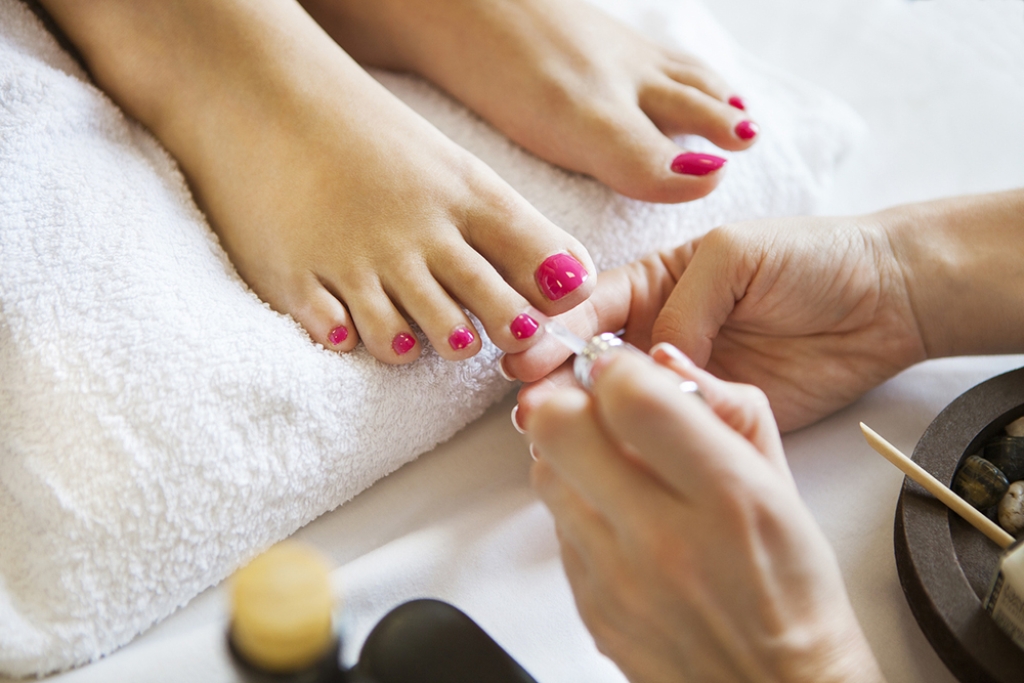
Read more about Everyday Foot Care

Connect With Us

Book Online