
Types of Foot Therapy

Patients who have foot pain can benefit from different types of foot therapy. When the feet are soaked in warm water, mild relief may be found. This is helpful in relaxing sore foot muscles. Additionally, having foot massages performed can aid in reducing tension in the body, improving circulation, and may ease any pain that is present. When the toes are spread apart, the muscles that lie underneath are stretched, and this may help to strengthen the entire foot. There are some patients who find it beneficial to use topical treatments which include eucalyptus oil.This provides a different sensation, and may help in relieving existing foot pain. If you would like to learn of additional types of foot therapy, it is advised to schedule a consultation with a podiatrist who can properly guide you.

Foot therapy is often necessary for those recovering from either foot deformities or foot injuries. If you have concerns regarding therapy, consult with one of our podiatrists from New Jersey Foot & Ankle Centers. Our doctors can provide the care you need to keep you pain-free and on your feet.

Most Common Injuries

People who are active or athletes are prone to a variety of injuries. Therefore, it is often important to take part in physical therapy in order to quickly get back on the right track. 

What to Do When Injured

Physical Therapy – This specialized treatment will focus on the affected area, speeding up recovery and the overall healing process. It is a proven method that has helped millions of people return from any injury.

During physical therapy you will undergo regimented training to get back into full form. Training is often very difficult, especially at first when the foot feels weak. Physical therapy often involves:

Basic stretching and twisting exercises – getting the feet’s mobility and flexibility up.

Massaging – the therapist will massage the injured area in order to activate the muscles and relax them.

Strengthening Exercises – this allows the muscles in the affected area to regain their full strength, a vital step towards full recovery.

If you have any questions, please feel free to contact our office located in Oradell, NJ . We offer the newest diagnostic and treatment technologies for all your foot care needs.

Read more about Foot Therapy for Sports Injuries

Obesity and Plantar Fasciitis

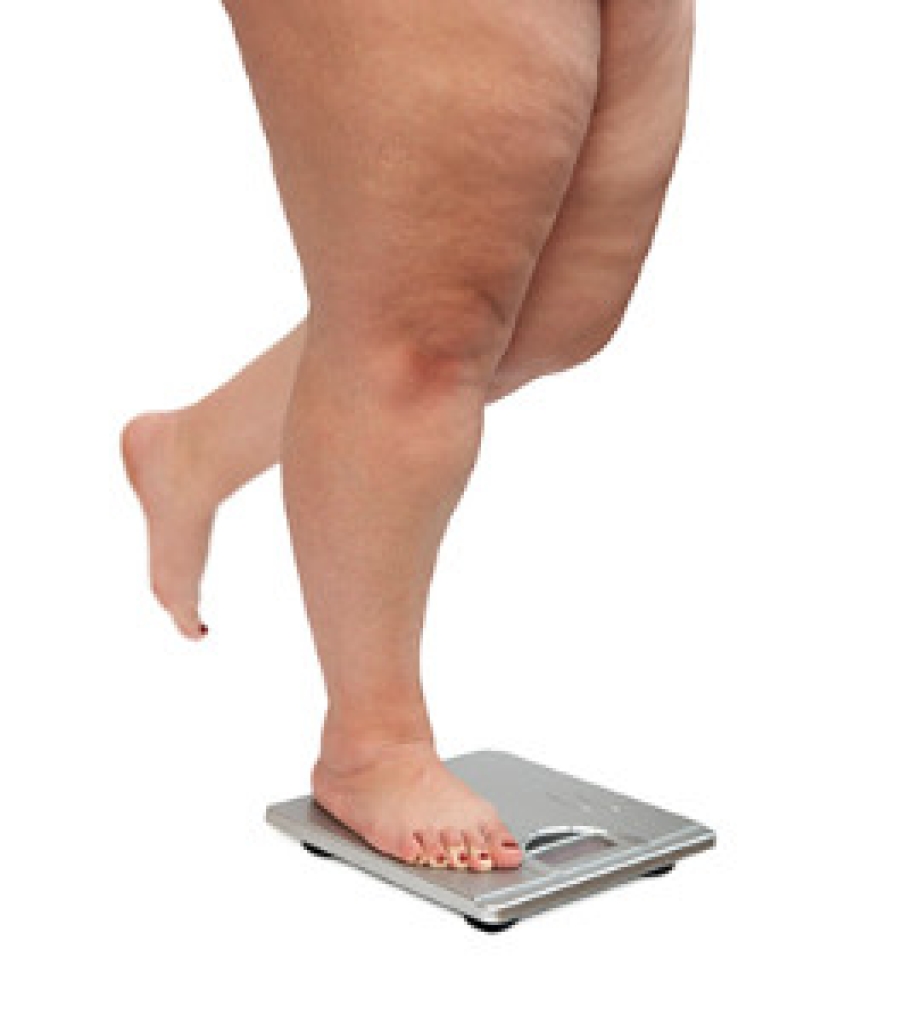
Obesity may cause pain in the majority of the foot. This is caused by extra weight the feet endure while daily activities are being performed. Many patients who are overweight notice they have heel pain, and this can lead to a condition this is known as plantar fasciitis. This is a result of a tear in the plantar fascia, which connects the heel to the toes. Relief is typically found if additional weight is lost, and when a mild exercise routine is frequently practiced. Many obese patients find it difficult to implement stretching and exercise techniques, and this is often because of the added weight that is carried around. If you are overweight and have foot pain, please speak with a podiatrist who can guide you toward implementing healthy lifestyle habits.

Obesity has become very problematic at this point in time and can have extremely negative effects on the feet. If you’re an obese individual and are concerned about your feet, contact one of our podiatrists from New Jersey Foot & Ankle Centers. Our doctors can provide the care you need to keep you pain-free and on your feet.

Obesity and Your Feet

Since your feet are what support your entire weight when standing, any additional weight can result in pain and swelling. Being overweight is one of the main contributors to foot complications.

Problems & Complications

Extra Weight – Even putting on just a few extra pounds could create serious complications for your feet. As your weight increases, your balance and body will shift, creating new stresses on your feet. This uneven weight distribution can cause pain, even while doing the simplest tasks, such as walking.

Diabetes – People who are overweight are at serious risk of developing type-2 diabetes, which has a drastic impact on the health of your feet. As you get older, your diabetes might worsen, which could lead to loss of feeling in your feet, sores, and bruises. You could also become more prone to various infections.

Plantar fasciitis – Pressure and stress that is placed on muscles, joints, and tendons can trigger plantar fasciitis, which is an inflammation of tissue that forms along the bottom of the foot. 

If you have any questions, please feel free to contact our office located in Oradell, NJ . We offer the newest diagnostic and treatment technologies for all your foot care needs.
Read more about How Obesity Affects Your Feet

Reminder: When Was the Last Time...?

Custom orthotics, or shoe inserts, should be periodically replaced. Orthotics must fit properly to give you the best results. Protect your feet and ankles!

What Causes a Stress Fracture?

Consistent overuse of the muscles in the foot often produces a condition that is known as a stress fracture. Repeated impact that comes from running or jumping activities can cause the muscles to lose shock absorption, and the result may be a small fracture in the bone. It is possible that stress fractures can be prevented when the feet are strong. This can be accomplished by incorporating a healthy diet into your lifestyle, wearing shoes that fit correctly, and gradually increasing the power of your workout. The symptoms that are associated with stress fractures include pain while walking or completing daily activities, tenderness if the foot is touched, or possible bruising. If you feel you have a stress fracture, it is suggested to consult with a podiatrist who can guide you toward proper treatment options.

Activities where too much pressure is put on the feet can cause stress fractures. To learn more, contact one of our podiatrists from New Jersey Foot & Ankle Centers. Our doctors can provide the care you need to keep your pain free and on your feet.

Dealing with Stress Fractures of the Foot and Ankle

Stress fractures occur in the foot and ankle when muscles in these areas weaken from too much or too little use.  The feet and ankles then lose support when walking or running from the impact of the ground. Since there is no protection, the bones receive the full impact of each step. Stress on the feet can cause cracks to form in the bones, thus creating stress fractures.

What Are Stress Fractures?

Stress fractures occur frequently in individuals whose daily activities cause great impact on the feet and ankles. Stress factors are most common among:

  • Runners                                
  • People affected with Osteoporosis
  • Tennis or basketball players
  • Gymnasts
  • High impact workouts

Symptoms

Pain from the fractures occur in the area of the fractures and can be constant or intermittent. It will often cause sharp or dull pain with swelling and tenderness. Engaging in any kind of activity which involves high impact will aggravate pain.

If you have any questions please contact our office located in Oradell, NJ . We offer the newest diagnostic and treatment technologies for all your foot and ankle needs.

Read more about Dealing with Stress Fractures of the Foot and Ankle

Possible Reasons Poor Circulation May Develop

There are numerous symptoms that are associated with poor circulation. Many patients may experience leg cramps, difficulty in healing, or the absence of a pulse in the feet. The condition known as peripheral artery disease (PAD) may be a reason for poor circulation to develop. This condition may gradually produce additional symptoms, including nerve or tissue damage, numbness, or a tingling sensation. Patients who have diabetes may have difficulty sensing foot pain caused by poor circulation. People who are overweight may sit for extended periods of time, and this may lead to the onset of this ailment. If you have any of these symptoms, it is strongly suggested to speak with a podiatrist who can guide you toward proper treatment.

Poor circulation is a serious condition and needs immediate medical attention. If you have any concerns with poor circulation in your feet contact one of our podiatrists of New Jersey Foot & Ankle Centers. Our doctors will treat your foot and ankle needs.

Poor Circulation in the Feet

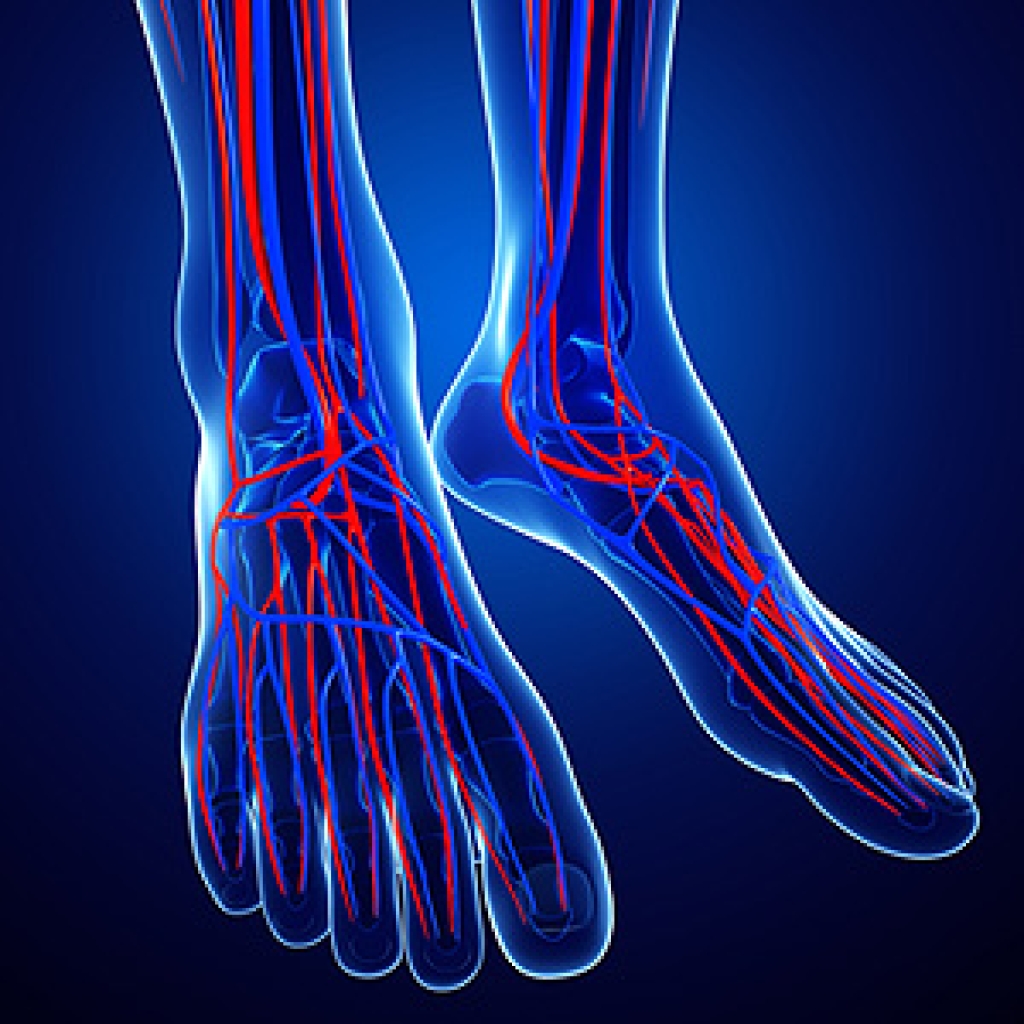
Poor blood circulation in the feet and legs is can be caused by peripheral artery disease (PAD), which is the result of a buildup of plaque in the arteries.

Plaque buildup or atherosclerosis results from excess calcium and cholesterol in the bloodstream. This can restrict the amount of blood which can flow through the arteries. Poor blood circulation in the feet and legs are sometimes caused by inflammation in the blood vessels, known as vasculitis.

Causes

Lack of oxygen and oxygen from poor blood circulation restricts muscle growth and development. It can also cause:

  • Muscle pain, stiffness, or weakness 
  • Numbness or cramping in the legs
  • Skin discoloration
  • Slower nail & hair growth
  • Erectile dysfunction

Those who have diabetes or smoke are at greatest risk for poor circulation, as are those who are over 50. If you have poor circulation in the feet and legs it may be caused by PAD and is important to make changes to your lifestyle in order to reduce risk of getting a heart attack or stroke. Exercise and maintaining a healthy lifestyle will dramatically improve conditions.

As always, see a podiatrist as he or she will assist in finding a regimen that suits you. A podiatrist can also prescribe you any needed medication. 

If you have any questions, please feel free to contact our office located in Oradell, NJ . We offer the newest diagnostic and treatment technologies for all your foot care needs.
Read more about Causes, Symptoms, and Treatment of Poor Blood Circulation in the Feet

Connect With Us

Book Online