How Peripheral Neuropathy Affects the Feet

Peripheral neuropathy affects the feet by damaging the nerves that carry signals to the lower extremities. Such nerve damage can result in numbness, tingling, burning sensations, and pain, which often begins in the toes. As peripheral neuropathy progresses, people may experience a loss of sensation in their lower extremities. This makes it difficult to detect injuries or temperature changes and can increase the risk of foot sores or ulcers. Muscle weakness or balance issues may develop, leading to instability or difficulty walking. A podiatrist can provide a thorough evaluation, which may include nerve conduction studies, electromyography, or a physical exam. In this way, a treatment plan to manage peripheral neuropathy symptoms, prevent further complications, and improve foot health, can be developed. If you experience foot problems related to neuropathy, it is suggested that you schedule an appointment with a podiatrist.

Neuropathy

Neuropathy can be a potentially serious condition, especially if it is left undiagnosed. If you have any concerns that you may be experiencing nerve loss in your feet, consult with one of our podiatrists from New Jersey Foot & Ankle Centers. Our doctors will assess your condition and provide you with quality foot and ankle treatment for neuropathy.

What Is Neuropathy?

Neuropathy is a condition that leads to damage to the nerves in the body. Peripheral neuropathy, or neuropathy that affects your peripheral nervous system, usually occurs in the feet. Neuropathy can be triggered by a number of different causes. Such causes include diabetes, infections, cancers, disorders, and toxic substances.

Symptoms of Neuropathy Include:

  • Numbness
  • Sensation loss
  • Prickling and tingling sensations
  • Throbbing, freezing, burning pains
  • Muscle weakness

Those with diabetes are at serious risk due to being unable to feel an ulcer on their feet. Diabetics usually also suffer from poor blood circulation. This can lead to the wound not healing, infections occurring, and the limb may have to be amputated.

Treatment

To treat neuropathy in the foot, podiatrists will first diagnose the cause of the neuropathy. Figuring out the underlying cause of the neuropathy will allow the podiatrist to prescribe the best treatment, whether it be caused by diabetes, toxic substance exposure, infection, etc. If the nerve has not died, then it’s possible that sensation may be able to return to the foot.

Pain medication may be issued for pain. Electrical nerve stimulation can be used to stimulate nerves. If the neuropathy is caused from pressure on the nerves, then surgery may be necessary.

If you have any questions, please feel free to contact our office located in Oradell, NJ . We offer the newest diagnostic and treatment technologies for all your foot care needs.


Read more about Neuropathy

It's Time for Beautiful Feet

You don't need an excuse to have beautiful nails. Step outside without worrying about the appearance of your feet.

Managing Diabetic Foot Blisters

Diabetic foot blisters, or diabetic bullae, are fluid-filled pockets that can develop on the skin of the feet. Diabetic blisters, which resemble those caused by burns but without the accompanying pain, are often harmless but can become problematic if they become infected. People with diabetes, particularly those who have peripheral neuropathy or poor circulation, may not feel the blister form and may overlook it. Common causes include wearing poorly fitting shoes that create friction on the feet, as well as high blood sugar levels that compromise skin integrity. A podiatrist can assess the severity of diabetic blisters and help prevent complications, such as infections that can arise if they are not properly managed. Regular monitoring of foot health, wearing well-fitted shoes, and managing blood sugar levels are important steps in preventing foot blisters. If you have foot blisters related to diabetes, it is suggested that you schedule an appointment with a podiatrist for treatment of blisters and other foot complications.

Blisters may appear as a single bubble or in a cluster. They can cause a lot of pain and may be filled with pus, blood, or watery serum. If your feet are hurting, contact one of our podiatrists of New Jersey Foot & Ankle Centers. Our doctors can provide the care you need to keep you pain-free and on your feet.

Foot Blisters

Foot blisters are often the result of friction. This happens due to the constant rubbing from shoes, which can lead to pain.

What Are Foot Blisters?

A foot blister is a small fluid-filled pocket that forms on the upper-most layer of the skin. Blisters are filled with clear fluid and can lead to blood drainage or pus if the area becomes infected.

Symptoms

(Blister symptoms may vary depending on what is causing them)

  • Bubble of skin filled with fluid
  • Redness
  • Moderate to severe pain
  • Itching

Prevention & Treatment

In order to prevent blisters, you should be sure to wear comfortable shoes with socks that cushion your feet and absorb sweat. Breaking a blister open may increase your chances of developing an infection. However, if your blister breaks, you should wash the area with soap and water immediately and then apply a bandage to the affected area. If your blisters cause severe pain it is important that you call your podiatrist right away.

If you have any questions, please feel free to contact our office located in Oradell, NJ . We offer the newest diagnostic and treatment technologies for all your foot care needs.
Read more about Blisters

Methods of Treating Toenail Fungus

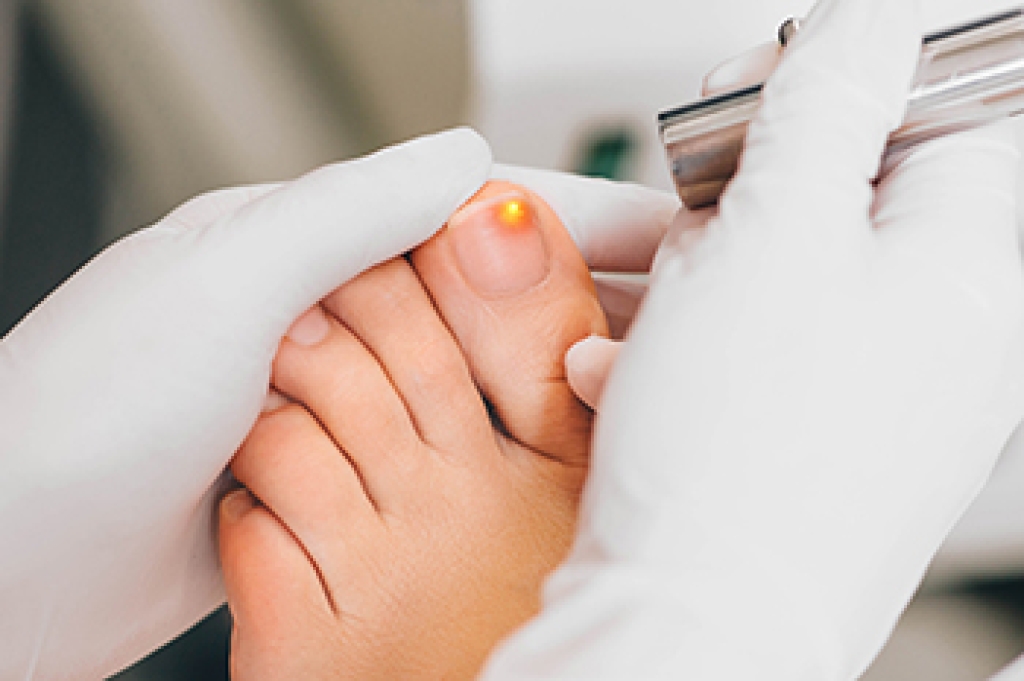
Toenail fungal infections, or onychomycosis, can be treated through a variety of methods that focus on eliminating the fungus and improving the appearance of the affected nails. A podiatrist can provide guidance on nail care, suggest preventive measures, and recommend custom treatment plans based on the infection’s severity. Topical antifungal treatments, including medicated nail lacquers, may be recommended for mild to moderate cases. These products are applied directly to the nail but can take several months to show results. Oral antifungal medication may be prescribed for more severe infections, as they work systemically to target the fungus. However, there may be side effects, so the medication should only be taken under the supervision of a podiatrist. Laser therapy is another option for treating fungal toenails. This treatment involves using concentrated light to destroy fungal cells within the nail. If you have developed a toenail fungus, it is suggested that you schedule an appointment with a podiatrist for a diagnosis and treatment.

If left untreated, toenail fungus may spread to other toenails, skin, or even fingernails. If you suspect you have toenail fungus it is important to seek treatment right away. For more information about treatment, contact one of our podiatrists of New Jersey Foot & Ankle Centers. Our doctors can provide the care you need to keep you pain-free and on your feet.

Symptoms

  • Warped or oddly shaped nails
  • Yellowish nails
  • Loose/separated nail
  • Buildup of bits and pieces of nail fragments under the nail
  • Brittle, broken, thickened nail

Treatment

If self-care strategies and over-the-counter medications does not help your fungus, your podiatrist may give you a prescription drug instead. Even if you find relief from your toenail fungus symptoms, you may experience a repeat infection in the future.

Prevention

In order to prevent getting toenail fungus in the future, you should always make sure to wash your feet with soap and water. After washing, it is important to dry your feet thoroughly especially in between the toes. When trimming your toenails, be sure to trim straight across instead of in a rounded shape. It is crucial not to cover up discolored nails with nail polish because that will prevent your nail from being able to “breathe”.

In some cases, surgical procedure may be needed to remove the toenail fungus. Consult with your podiatrist about the best treatment options for your case of toenail fungus.  

If you have any questions please contact our office located in Oradell, NJ . We offer the newest diagnostic and treatment technologies for all your foot and ankle needs.

Read more about Toenail Fungus

Facts About Morton’s Neuroma

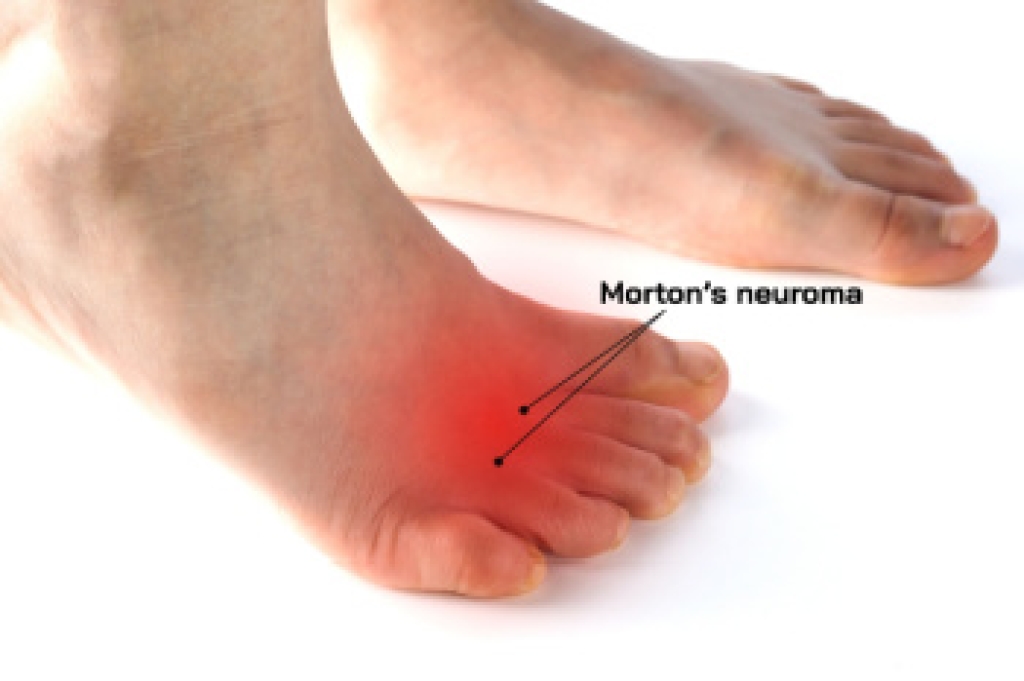
Morton's neuroma involves the thickening of a nerve in the foot, most often found between the third and fourth toes. It results from persistent pressure and irritation, which can lead to pain, numbness, or tingling in the toes and the ball of the foot. Symptoms of Morton’s neuroma include a burning sensation or the feeling of a small lump under the foot. Women are more commonly affected, likely due to wearing narrow, high-heeled shoes that force the bones of the feet into unnatural positions. Being overweight can also increase the risk. A podiatrist can diagnose Morton's neuroma by examining the foot and evaluating the pain’s location and severity. They can offer such treatment solutions as custom orthotics, changes in footwear, or in some cases, injections to reduce inflammation. If conservative approaches are not effective, surgery may be considered. If you have symptoms that may indicate Morton's neuroma, it is suggested that you schedule an appointment with a podiatrist.

Morton’s neuroma is a very uncomfortable condition to live with. If you think you have Morton’s neuroma, contact one of our podiatrists of New Jersey Foot & Ankle Centers. Our doctors will attend to all of your foot care needs and answer any of your related questions.  

Morton’s Neuroma

Morton's neuroma is a painful foot condition that commonly affects the areas between the second and third or third and fourth toe, although other areas of the foot are also susceptible. Morton’s neuroma is caused by an inflamed nerve in the foot that is being squeezed and aggravated by surrounding bones.

What Increases the Chances of Having Morton’s Neuroma?

  • Ill-fitting high heels or shoes that add pressure to the toe or foot
  • Jogging, running or any sport that involves constant impact to the foot
  • Flat feet, bunions, and any other foot deformities

Morton’s neuroma is a very treatable condition. Orthotics and shoe inserts can often be used to alleviate the pain on the forefront of the feet. In more severe cases, corticosteroids can also be prescribed. In order to figure out the best treatment for your neuroma, it’s recommended to seek the care of a podiatrist who can diagnose your condition and provide different treatment options.

If you have any questions, please feel free to contact our office located in Oradell, NJ . We offer the newest diagnostic and treatment technologies for all your foot care needs.
Read more about What is Morton's Neuroma?

Facts About Heel Spur Surgery

Heel spur surgery is often considered when conservative treatments fail to alleviate persistent pain caused by heel spurs. Heel spurs develop when calcium deposits form on the heel bone, leading to discomfort during walking or standing. Two common surgical procedures are inferior heel spur resection and posterior heel spur resection. The former targets spurs on the bottom of the heel, while the latter addresses spurs located at the back of the heel. Surgery is typically recommended for individuals experiencing severe pain that hinders daily activities or those who have not responded to medications or orthotics. However, certain individuals may not be ideal candidates for surgery, including those with underlying health issues or infections. If you have a heel spur, it is suggested that you are under the care of a podiatrist who can determine if heel spur surgery is right for you.

Foot surgery is sometimes necessary to treat a foot ailment. To learn more, contact one of our podiatrists of New Jersey Foot & Ankle Centers. Our doctors will assist you with all of your foot and ankle needs.

When Is Surgery Necessary?

Foot and ankle surgery is generally reserved for cases in which less invasive, conservative procedures have failed to alleviate the problem. Some of the cases in which surgery may be necessary include:

  • Removing foot deformities like bunions and bone spurs
  • Severe arthritis that has caused bone issues
  • Cosmetic reconstruction

What Types of Surgery Are There?

The type of surgery you receive will depend on the nature of the problem you have. Some of the possible surgeries include:

  • Bunionectomy for painful bunions
  • Surgical fusion for realignment of bones
  • Neuropathy decompression surgery to treat nerve damage

Benefits of Surgery

Although surgery is usually a last resort, it can provide more complete pain relief compared to non-surgical methods and may allow you to finally resume full activity.

Surgical techniques have also become increasingly sophisticated. Techniques like endoscopic surgery allow for smaller incisions and faster recovery times.

If you have any questions, please feel free to contact our office located in Oradell, NJ . We offer the newest diagnostic and treatment technologies for all your foot care needs.

Read more about Foot and Ankle Surgery

Heel Pain Can Be Treated!

Do you suffer from heel pain when you get up in the morning? If so, you should seek professional help and have a proper diagnosis performed. Heel pain can be caused by several different foot-related conditions.

Symptoms and Prevention of Bunions and Bunionettes

Bunions and bunionettes are common foot conditions that can cause significant discomfort. A bunion is a bony bump that forms at the base of the big toe, causing the toe to angle inward, resulting in pain and swelling. Conversely, a bunionette, also known as a tailor's bunion, develops on the outside of the foot near the little toe. Both conditions can lead to inflammation and difficulty in wearing certain types of shoes. Symptoms include swelling, redness, and tenderness surrounding the affected areas. To prevent these issues, it is important to wear properly fitting shoes with adequate room in the toe box. Regularly performing foot exercises and maintaining a healthy weight can also help reduce the risk. If you have either one of these foot conditions, it is suggested that you consult a podiatrist who can offer effective relief and treatment solutions.

If you are suffering from bunions, contact one of our podiatrists of New Jersey Foot & Ankle Centers. Our doctors can provide the care you need to keep you pain-free and on your feet.

What Is a Bunion?

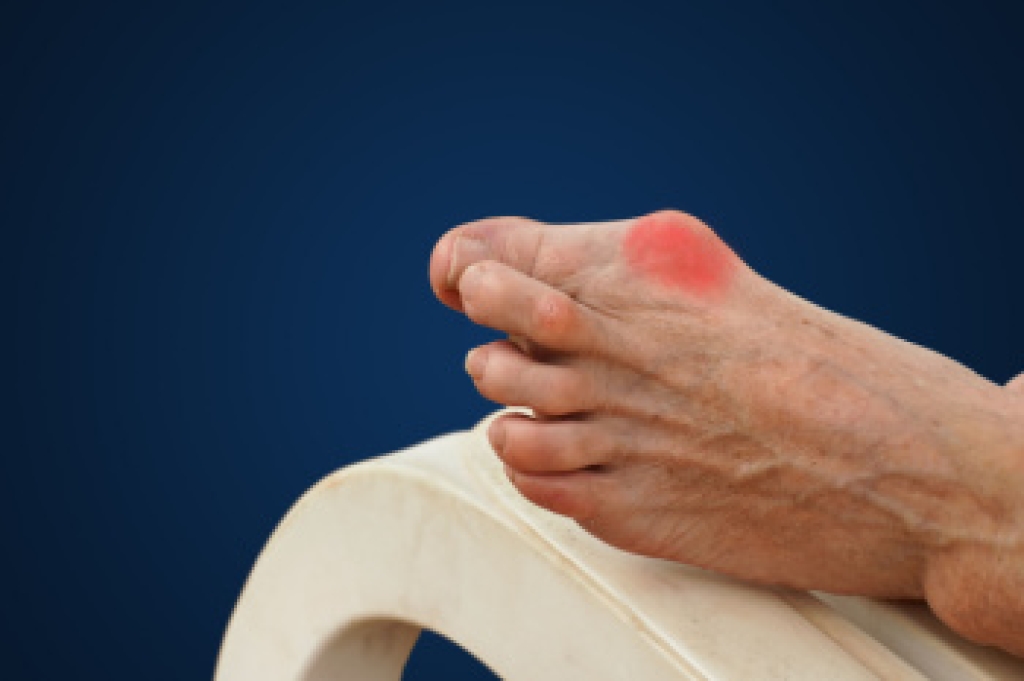
A bunion is formed of swollen tissue or an enlargement of boney growth, usually located at the base joint of the toe that connects to the foot. The swelling occurs due to the bones in the big toe shifting inward, which impacts the other toes of the foot. This causes the area around the base of the big toe to become inflamed and painful.

Why Do Bunions Form?

Genetics – Susceptibility to bunions are often hereditary

Stress on the feet – Poorly fitted and uncomfortable footwear that places stress on feet, such as heels, can worsen existing bunions

How Are Bunions Diagnosed?

Doctors often perform two tests – blood tests and x-rays – when trying to diagnose bunions, especially in the early stages of development. Blood tests help determine if the foot pain is being caused by something else, such as arthritis, while x-rays provide a clear picture of your bone structure to your doctor.

How Are Bunions Treated?

  • Refrain from wearing heels or similar shoes that cause discomfort
  • Select wider shoes that can provide more comfort and reduce pain
  • Anti-inflammatory and pain management drugs
  • Orthotics or foot inserts
  • Surgery

If you have any questions, please feel free to contact our office located in Oradell, NJ . We offer the newest diagnostic and treatment technologies for all your foot care needs.

Read more about Bunions

Dealing With the Effects of Flat Feet

Flat feet, or fallen arches, occur when the arch of the foot is low or completely flattened, causing the entire sole to make contact with the ground. Having flat feet can affect the natural alignment of the body, potentially leading to pain in the feet, ankles, knees, or lower back. While flat feet do not always cause symptoms, common signs include foot pain, fatigue, and uneven shoe wear. This condition can arise from a failure of the arches to develop properly during childhood, or it can develop later in life due to aging, injury, or certain medical conditions like arthritis or diabetes. Treatment often focuses on reducing pain and improving foot function through the use of custom orthotics or supportive shoes, which help redistribute weight and improve alignment. In more severe cases, where pain persists or mobility is affected, surgery may be considered to reconstruct the arch or correct deformities. If you have persistent foot pain as a result of flat feet, it is suggested that you make an appointment with a podiatrist for treatment options.

Flatfoot is a condition many people suffer from. If you have flat feet, contact one of our podiatrists from New Jersey Foot & Ankle Centers. Our doctors will treat your foot and ankle needs.

What Are Flat Feet?

Flatfoot is a condition in which the arch of the foot is depressed and the sole of the foot is almost completely in contact with the ground. About 20-30% of the population generally has flat feet because their arches never formed during growth.

Conditions & Problems:

Having flat feet makes it difficult to run or walk because of the stress placed on the ankles.

Alignment – The general alignment of your legs can be disrupted, because the ankles move inward which can cause major discomfort.

Knees – If you have complications with your knees, flat feet can be a contributor to arthritis in that area.  

Symptoms

  • Pain around the heel or arch area
  • Trouble standing on the tip toe
  • Swelling around the inside of the ankle
  • Flat look to one or both feet
  • Having your shoes feel uneven when worn

Treatment

If you are experiencing pain and stress on the foot you may weaken the posterior tibial tendon, which runs around the inside of the ankle. 

If you have any questions, please feel free to contact our office located in Oradell, NJ . We offer the newest diagnostic and treatment technologies for all your foot care needs.
Read more about Flatfoot

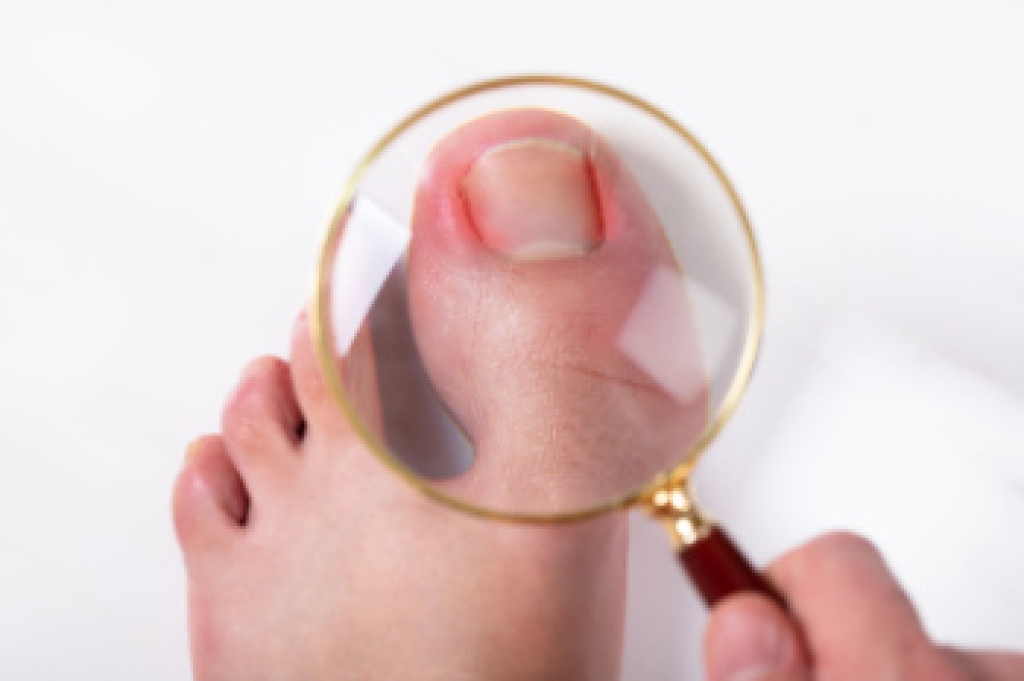
Managing Ingrown Toenails

Ingrown toenails occur when the edge of the toenail grows into the surrounding skin, causing pain and discomfort. This condition commonly affects the big toe and can result from improper nail trimming, wearing tight shoes, or genetic predisposition. Early symptoms include redness, swelling, and tenderness along the nail edges. If left untreated, ingrown toenails can lead to infection, abscesses, and chronic pain, which may complicate walking or lead to more severe health issues. Individuals with poor nail-cutting habits, wearing tight footwear, or certain foot deformities are at higher risk. Diagnosis typically involves a physical examination, during which a podiatrist will assess the nail and surrounding tissues. In some cases, an X-ray may be used to rule out other conditions. To address persistent ingrown toenails and prevent complications, it is suggested you schedule an appointment with a podiatrist for proper treatment and care.

Ingrown toenails may initially present themselves as a minor discomfort, but they may progress into an infection in the skin without proper treatment. For more information about ingrown toenails, contact one of our podiatrists of New Jersey Foot & Ankle Centers. Our doctors can provide the care you need to keep you pain-free and on your feet.

Ingrown Toenails

Ingrown toenails are caused when the corner or side of a toenail grows into the soft flesh surrounding it. They often result in redness, swelling, pain, and in some cases, infection. This condition typically affects the big toe and may recur if it is not treated properly.

Causes

  • Improper toenail trimming
  • Genetics
  • Improper shoe fitting
  • Injury from pedicures or nail picking
  • Abnormal gait
  • Poor hygiene

You are more likely to develop an ingrown toenail if you are obese, have diabetes, arthritis, or have any fungal infection in your nails. Additionally, people who have foot or toe deformities are at a higher risk of developing an ingrown toenail.

Symptoms

Some symptoms of ingrown toenails are redness, swelling, and pain. In rare cases, there may be a yellowish drainage coming from the nail.

Treatment

Ignoring an ingrown toenail can have serious complications. Infections of the nail border can progress to a deeper soft-tissue infection, which can then turn into a bone infection. You should always speak with your podiatrist if you suspect you have an ingrown toenail, especially if you have diabetes or poor circulation.

If you have any questions, please feel free to contact our office located in Oradell, NJ . We offer the newest diagnostic and treatment technologies for all your foot care needs.
Read more about Ingrown Toenails

Connect With Us

Book Online