
How to Manage Blisters on the Feet

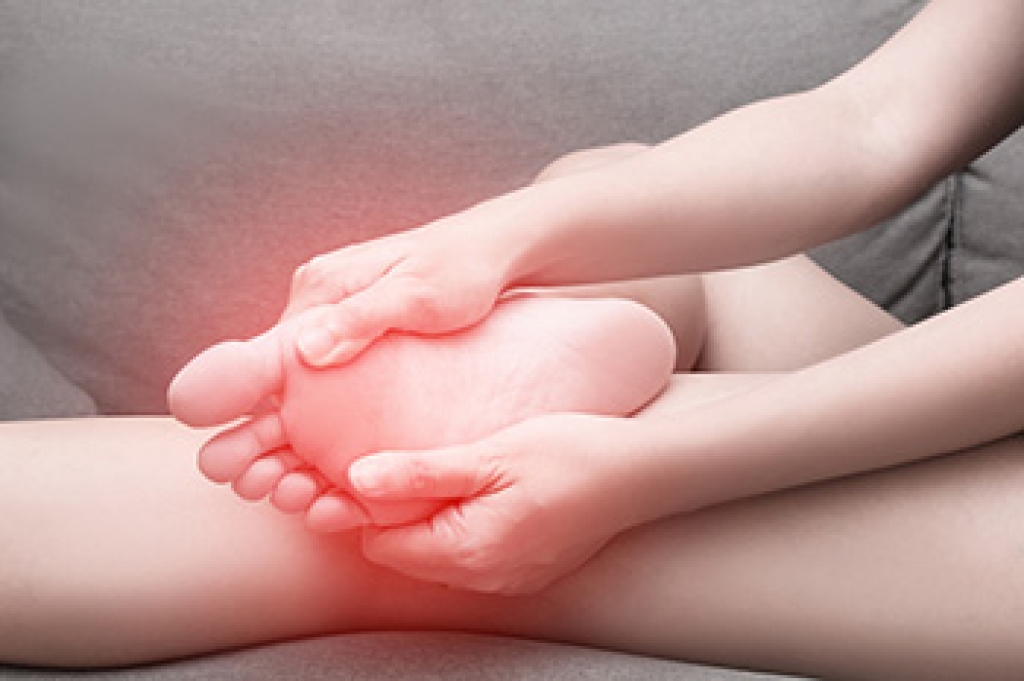
Blisters on the feet can be painful and bothersome. They are often caused by friction inside a shoe or from prolonged activity, such as walking or running. Most blisters on the feet heal naturally, but protecting them can help reduce both discomfort and the risk of infection. Small, unbroken blisters can be covered loosely with a bandage to prevent irritation. For blisters on the soles, a doughnut-shaped moleskin pad can alleviate pressure by keeping the area over the blister open. It is not a good idea to drain blisters at home, as improper handling can lead to infection and cause additional problems. If a blister is large or painful, it is best to have it drained by a podiatrist, who can do so under safe and hygienic conditions. Always monitor blisters for signs of infection, such as increased pain, redness, or pus. Also, if you have medical conditions like diabetes, HIV, cancer, or heart disease, it isimportant to seek medical help immediately. To safely manage problematic blisters on the feet, it is suggested that you schedule an appointment with a podiatrist for effective treatment options.

Blisters are prone to making everyday activities extremely uncomfortable. If your feet are hurting, contact one of our podiatrists of New Jersey Foot & Ankle Centers. Our doctors can provide the care you need to keep you pain-free and on your feet.

Foot Blisters

Foot blisters develop as a result of constantly wearing tight or ill-fitting footwear. This happens due to the constant rubbing from the shoe, which can often lead to pain.

What Are Foot Blisters?

A foot blister is a small fluid-filled pocket that forms on the upper-most layer of the skin. Blisters are filled with clear fluid and can lead to blood drainage or pus if the area becomes infected.

How Do Blisters Form?

Blisters on the feet are often the result of constant friction of skin and material, usually by shoe rubbing. Walking in sandals, boots, or shoes that don’t fit properly for long periods of time can result in a blister. Having consistent foot moisture and humidity can easily lead to blister formation.

Prevention & Treatment

It is important to properly care for the affected area in order to prevent infection and ease the pain. Do not lance the blister and use a Band-Aid to provide pain relief. Also, be sure to keep your feet dry and wear proper fitting shoes. If you see blood or pus in a blister, seek assistance from a podiatrist.

If you have any questions, please feel free to contact our office located in Oradell, NJ . We offer the newest diagnostic and treatment technologies for all your foot care needs.

Read more about Blisters on the Feet

Symptoms of Pain in the Ball of the Foot

Metatarsalgia is a fancy word for pain in the ball of the foot. It often stems from issues with the metatarsal bones, which are the long bones of the foot that connect the toes to the ankles. Metatarsal foot pain is often the result of trauma or overuse in high-impact sports. Degenerative conditions like arthritis, congenital bone structure anomalies, or wearing tight or high-heeled shoes are other factors. Symptoms typically include sharp or aching pain, swelling, and difficulty bearing weight. Medical treatment from a podiatrist focuses on pain relief and addressing the underlying cause. This may include prescription orthotics, medication, or in some cases surgery. Ignoring metatarsalgia can lead to pain in other parts of the foot or body and the development of calluses or neuromas. If you have pain in the ball of your foot, it is suggested that you schedule an appointment with a podiatrist for an exam and treatment.

Foot Pain

Foot pain can be extremely painful and debilitating. If you have a foot pain, consult with one of our podiatrists from New Jersey Foot & Ankle Centers. Our doctors will assess your condition and provide you with quality foot and ankle treatment.

Causes

Foot pain is a very broad condition that could be caused by one or more ailments. The most common include:

  • Bunions
  • Hammertoes
  • Plantar Fasciitis
  • Bone Spurs
  • Corns
  • Tarsal Tunnel Syndrome
  • Ingrown Toenails
  • Arthritis (such as Gout, Rheumatoid, and Osteoarthritis)
  • Flat Feet
  • Injury (from stress fractures, broken toe, foot, ankle, Achilles tendon ruptures, and sprains)
  • And more

Diagnosis

To figure out the cause of foot pain, podiatrists utilize several different methods. This can range from simple visual inspections and sensation tests to X-rays and MRI scans. Prior medical history, family medical history, and any recent physical traumatic events will all be taken into consideration for a proper diagnosis.

Treatment

Treatment depends upon the cause of the foot pain. Whether it is resting, staying off the foot, or having surgery; podiatrists have a number of treatment options available for foot pain.

If you have any questions, please feel free to contact our office located in Oradell, NJ . We offer the newest diagnostic and treatment technologies for all your foot care needs.

Read more about Foot Pain

Facts on Flat Feet Surgery

Flat feet surgery aims to correct the arch of the foot and alleviate associated symptoms like pain and difficulty walking. There are various types of surgical procedures, depending on the severity and underlying cause of the flat feet condition. Lateral column lengthening involves cutting and repositioning bones in the outer foot to create an arch. This procedure stabilizes the midfoot and improves weight distribution. Flexor digitorum longus transfer redirects a tendon from the toe to support the arch, enhancing its structure and function. Both surgeries aim to restore the foot's natural alignment and reduce strain on surrounding muscles and joints. Recovery typically involves immobilization to regain strength and mobility. Surgical intervention is considered when conservative treatments like orthotics and exercises fail to provide sufficient relief, aiming to improve foot function and quality of life for individuals with flat feet. If you are experiencing chronic pain from having flat feet, it is strongly suggested that you consult a podiatrist who can determine if flat foot surgery is right for you.

Foot surgery is sometimes necessary to treat a foot ailment. To learn more, contact one of our podiatrists of New Jersey Foot & Ankle Centers. Our doctors will assist you with all of your foot and ankle needs.

When Is Surgery Necessary?

Foot and ankle surgery is generally reserved for cases in which less invasive, conservative procedures have failed to alleviate the problem. Some of the cases in which surgery may be necessary include:

  • Removing foot deformities like bunions and bone spurs
  • Severe arthritis that has caused bone issues
  • Cosmetic reconstruction

What Types of Surgery Are There?

The type of surgery you receive will depend on the nature of the problem you have. Some of the possible surgeries include:

  • Bunionectomy for painful bunions
  • Surgical fusion for realignment of bones
  • Neuropathy decompression surgery to treat nerve damage

Benefits of Surgery

Although surgery is usually a last resort, it can provide more complete pain relief compared to non-surgical methods and may allow you to finally resume full activity.

Surgical techniques have also become increasingly sophisticated. Techniques like endoscopic surgery allow for smaller incisions and faster recovery times.

If you have any questions, please feel free to contact our office located in Oradell, NJ . We offer the newest diagnostic and treatment technologies for all your foot care needs.
Read more about Foot Surgery

Plantar Warts Can Be Treated!

Plantar warts are small growths that develop on parts of the feet that bear weight. They're typically found on the bottom of the foot. Don't live with plantar warts, and call us today!

Overpronation and Flat Feet in Children

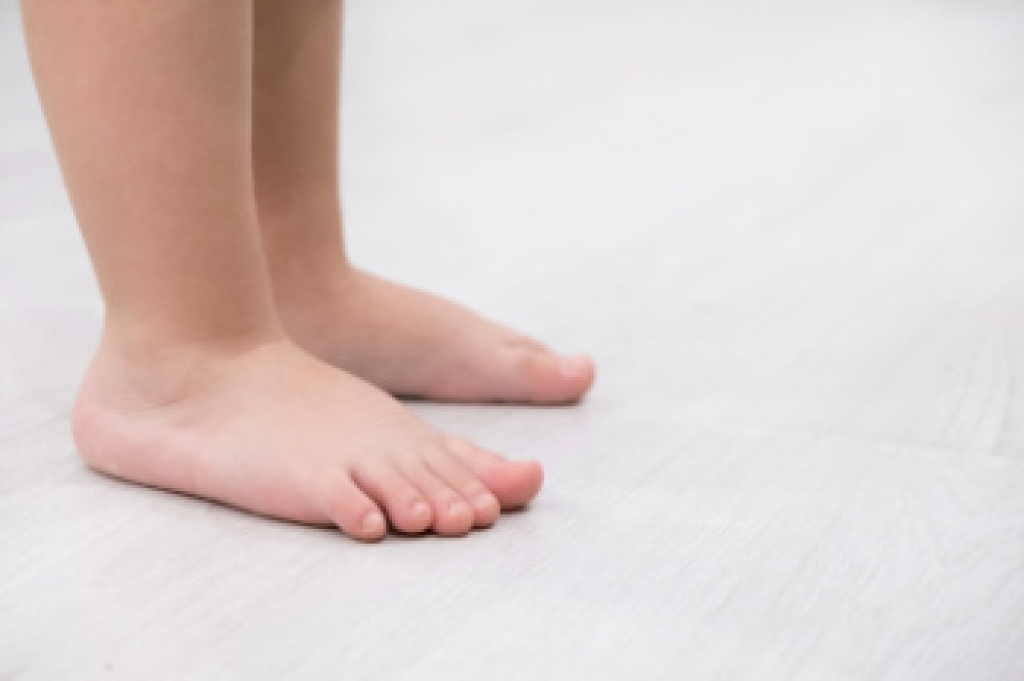
Pronation, the natural inward roll of the foot during walking or running, varies in children and plays a critical role in their foot development. Normal pronation involves a slight inward movement that helps absorb shock. Underpronation, or supination, occurs when the foot rolls outward excessively, potentially leading to insufficient shock absorption. Conversely, overpronation involves an exaggerated inward roll, which may stress the foot and ankle structures. Arch development is closely linked, as children typically have flat feet at birth, with arches developing as they grow and bear weight. However, some children may retain flat feet or develop high arches, impacting their pronation patterns. Monitoring pronation types and arch development in children is essential for identifying potential issues early on, and promoting proper footwear choices and exercises to support healthy foot development and prevent future complications. If your child’s feet have not developed arches, it is suggested that you consult a podiatrist who can help you monitor this condition.

Flatfoot is a condition many people suffer from. If you have flat feet, contact one of our podiatrists from New Jersey Foot & Ankle Centers. Our doctors will treat your foot and ankle needs.

What Are Flat Feet?

Flatfoot is a condition in which the arch of the foot is depressed and the sole of the foot is almost completely in contact with the ground. About 20-30% of the population generally has flat feet because their arches never formed during growth.

Conditions & Problems:

Having flat feet makes it difficult to run or walk because of the stress placed on the ankles.

Alignment – The general alignment of your legs can be disrupted, because the ankles move inward which can cause major discomfort.

Knees – If you have complications with your knees, flat feet can be a contributor to arthritis in that area.  

Symptoms

  • Pain around the heel or arch area
  • Trouble standing on the tip toe
  • Swelling around the inside of the ankle
  • Flat look to one or both feet
  • Having your shoes feel uneven when worn

Treatment

If you are experiencing pain and stress on the foot you may weaken the posterior tibial tendon, which runs around the inside of the ankle. 

If you have any questions, please feel free to contact our office located in Oradell, NJ . We offer the newest diagnostic and treatment technologies for all your foot care needs.

Read more about Flat Feet

Connect With Us

Book Online