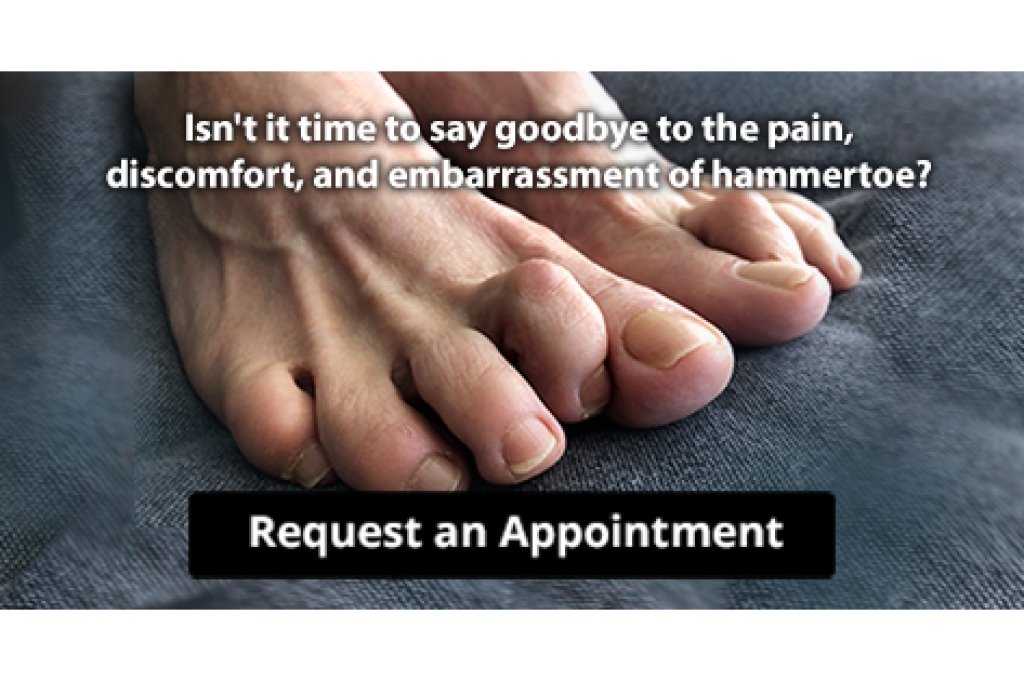
Painful deformities, such as hammertoes, can be treated. Stop living with foot pain, and have beautiful feet again!
Painful deformities, such as hammertoes, can be treated. Stop living with foot pain, and have beautiful feet again!

Pickleball is increasingly popular across America, but it can lead to various foot, toe and ankle injuries that warrant attention. Common acute injuries include ankle sprains from sudden pivots, Achilles tendon strains, and occasional tendon ruptures that require surgery. These pickleball injuries often result in pain, swelling and difficulty walking or bearing weight. Plantar fasciitis and heel bruising may develop from repetitive impacts on hard pickleball courts, causing persistent heel and arch pain. Players may also develop blisters from footwear friction during long matches. A podiatrist can evaluate structural issues, provide diagnostic imaging, recommend custom orthotics and footwear adjustments, and determine whether surgery is necessary for severe tendon tears. Early attention helps prevent long‑term complications and supports a faster return to play. If you have foot pain related to pickleball activities, it is suggested that you schedule an appointment with a podiatrist for appropriate treatment.
Ankle and foot injuries are common among athletes and in many sports. They can be caused by several problems and may be potentially serious. If you are feeling pain or think you were injured in a sporting event or when exercising, consult with one of our podiatrists from New Jersey Foot & Ankle Centers. Our doctors will assess your condition and provide you with quality foot and ankle treatment.
Common Injuries
The most common injuries that occur in sporting activities include:
Symptoms
Symptoms vary depending upon the injury and in some cases, there may be no symptoms at all. However, in most cases, some form of symptom is experienced. Pain, aching, burning, bruising, tenderness, tightness or stiffness, sensation loss, difficulty moving, and swelling are the most common symptoms.
Treatment
Just as symptoms vary depending upon the injury, so do treatment options. A common treatment method is known as the RICE method. This method involves rest, applying ice, compression and elevating the afflicted foot or ankle. If the injury appears to be more serious, surgery might be required, such as arthroscopic or reconstructive surgery. Lastly, rehabilitation or therapy might be needed to gain full functionality in the afflicted area. Any discomfort experienced by an athlete must be evaluated by a licensed, reputable medical professional.
If you have any questions please contact our office located in Oradell, NJ . We offer the newest diagnostic and treatment technologies for all your foot and ankle needs.
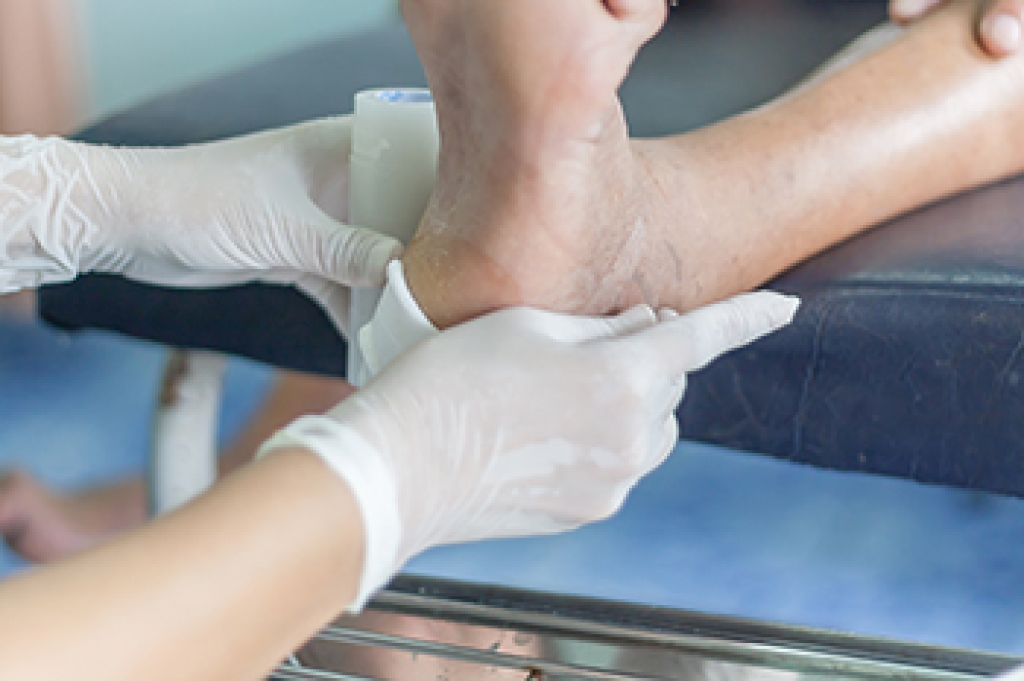
Proper wound care on the feet is essential for preventing infections, promoting healing, and maintaining overall foot health. This is especially important for individuals with diabetes or circulation issues. Simple daily habits can make a big difference, such as checking the feet for red spots, blisters, or cuts, wearing properly fitting shoes, and performing regular foot inspections. Engaging in physical activity helps to increase circulation and supports tissue repair. A podiatrist can provide expert guidance on wound management, recommend appropriate footwear, and treat any existing foot conditions that may slow healing. If you notice any unusual changes or slow-healing wounds on your feet, it is strongly suggested that you consult a podiatrist for personalized care and support.
Wound care is an important part in dealing with diabetes. If you have diabetes and a foot wound or would like more information about wound care for diabetics, consult with one of our podiatrists from New Jersey Foot & Ankle Centers. Our doctors will assess your condition and provide you with quality foot and ankle treatment.
What Is Wound Care?
Wound care is the practice of taking proper care of a wound. This can range from the smallest to the largest of wounds. While everyone can benefit from proper wound care, it is much more important for diabetics. Diabetics often suffer from poor blood circulation which causes wounds to heal much slower than they would in a non-diabetic.
What Is the Importance of Wound Care?
While it may not seem apparent with small ulcers on the foot, for diabetics, any size ulcer can become infected. Diabetics often also suffer from neuropathy, or nerve loss. This means they might not even feel when they have an ulcer on their foot. If the wound becomes severely infected, amputation may be necessary. Therefore, it is of the upmost importance to properly care for any and all foot wounds.
How to Care for Wounds
The best way to care for foot wounds is to prevent them. For diabetics, this means daily inspections of the feet for any signs of abnormalities or ulcers. It is also recommended to see a podiatrist several times a year for a foot inspection. If you do have an ulcer, run the wound under water to clear dirt from the wound; then apply antibiotic ointment to the wound and cover with a bandage. Bandages should be changed daily and keeping pressure off the wound is smart. It is advised to see a podiatrist, who can keep an eye on it.
If you have any questions please contact our office located in Oradell, NJ . We offer the newest diagnostic and treatment technologies for all your foot and ankle needs.
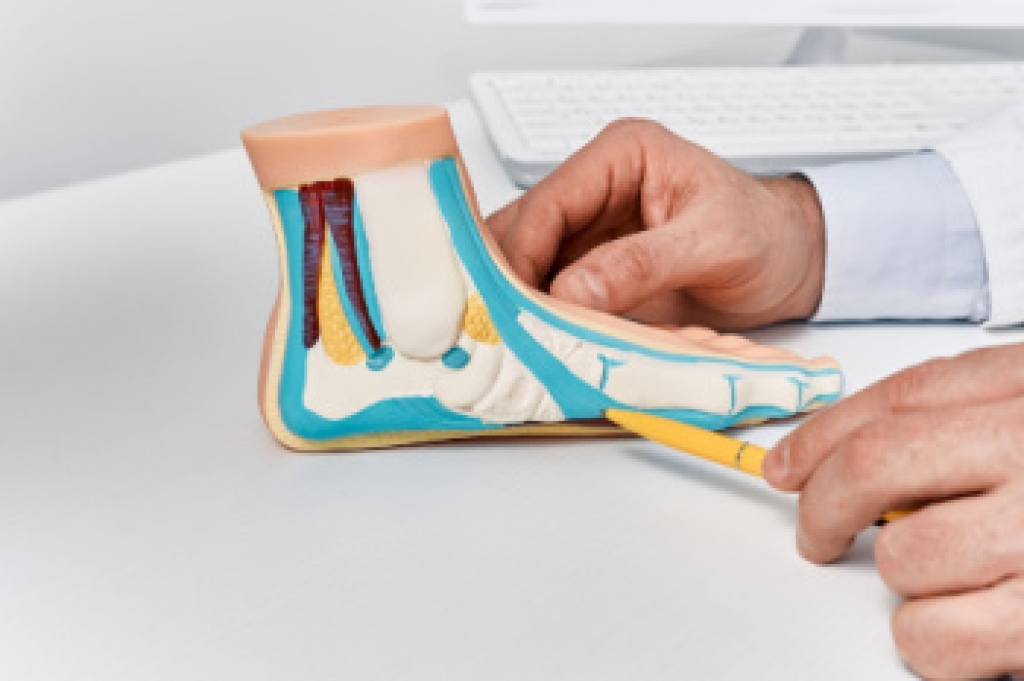
Flat feet can have a significant impact on posture, movement, and stability, especially in females. The arch of the foot plays a key role in absorbing shock and distributing weight. When the arch collapses, it can affect balance, reduce agility, and place additional strain on core muscles, leading to fatigue and instability. Symptoms may include foot pain, swelling, and difficulty with physical activities. Risk factors include genetics, pregnancy, and obesity. A podiatrist can evaluate foot structure, recommend supportive footwear, and assign exercises that improve strength and alignment. If you have flat feet and notice persistent foot discomfort or instability, it is suggested that you consult a podiatrist for help in restoring function and improving overall movement.
Flatfoot is a condition many people suffer from. If you have flat feet, contact one of our podiatrists from New Jersey Foot & Ankle Centers. Our doctors will treat your foot and ankle needs.
What Are Flat Feet?
Flatfoot is a condition in which the arch of the foot is depressed and the sole of the foot is almost completely in contact with the ground. About 20-30% of the population generally has flat feet because their arches never formed during growth.
Conditions & Problems:
Having flat feet makes it difficult to run or walk because of the stress placed on the ankles.
Alignment – The general alignment of your legs can be disrupted, because the ankles move inward which can cause major discomfort.
Knees – If you have complications with your knees, flat feet can be a contributor to arthritis in that area.
Symptoms
Treatment
If you are experiencing pain and stress on the foot you may weaken the posterior tibial tendon, which runs around the inside of the ankle.
If you have any questions, please feel free to contact our office located in Oradell, NJ . We offer the newest diagnostic and treatment technologies for all your foot care needs.
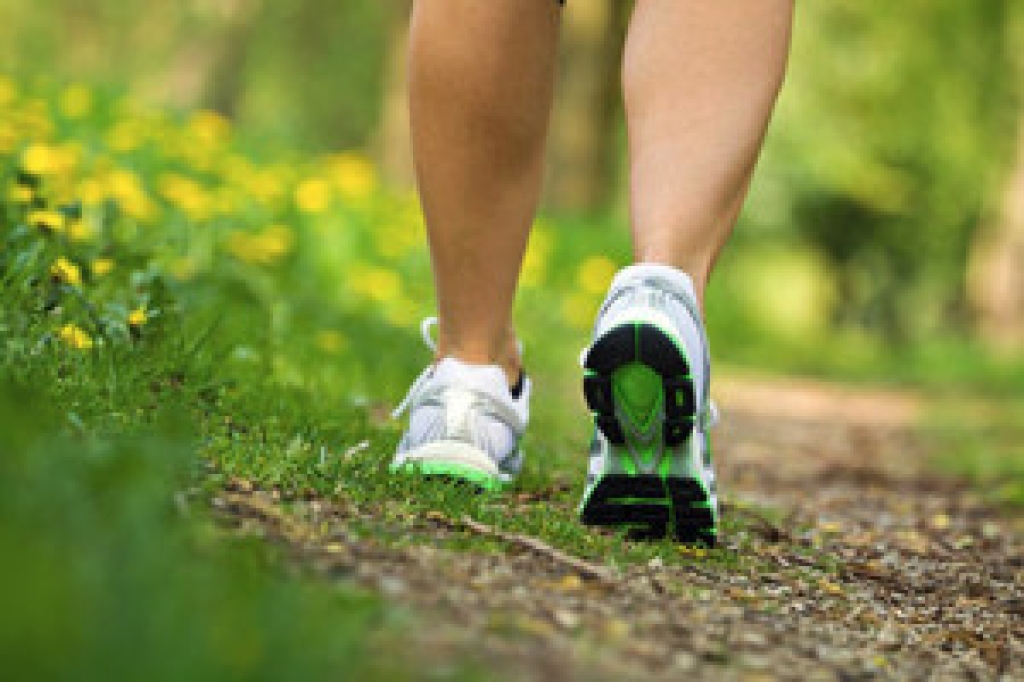
Race walking requires wearing proper footwear to support both performance and foot health. Ideal shoes should have a low heel to encourage smooth transitions, proper flex in the sole to match the natural motion of the foot, an ample toe box to allow toes to spread comfortably, and a sturdy heel counter for added stability. Wearing the wrong shoes can lead to blisters, arch pain, shin splints, and other foot problems due to poor support or incorrect alignment. A podiatrist can evaluate your walking style and foot structure to recommend the best shoes for your needs. If you have foot pain from wearing the wrong shoes, it is suggested that you visit a podiatrist who can treat various foot conditions, and guide you on the proper shoes to wear for your desired activity.
You should always make sure your running shoes fit properly in order to avoid injury. For more information, contact one of our podiatrists from New Jersey Foot & Ankle Centers. Our doctors can provide the care you need to keep you pain-free and on your feet.
Choosing the Right Running Shoe for Your Foot Type
Improper shoe sizing can cause a myriad of problems for your feet. Shoes that don’t fit you properly can lead to muscular imbalances in your body, which can result in foot, knee, and hip injuries.
Tips for Finding the Right Running Shoe
If you have any questions, please feel free to contact our office located in Oradell, NJ . We offer the newest diagnostic and treatment technologies for all your foot care needs.
Connect With Us
