
Foot Care for Pregnant Mothers

For many pregnant women, far too little attention is given to their feet. As the natural weight gain occurs, the center of gravity changes and in turn adds excessive pressure to the knees, ankles and feet. Two of the most common foot problems that can occur during pregnancy are edema, which is swelling of the feet, and over-pronation, which is flat feet. Some recommended tips to combat these foot problems include keeping the body hydrated and drinking plenty of water, eating a well-balanced diet with low salt content, staying away from uncomfortable shoes like high heels and taking several short walks. Exercises can be done like straight and bent-knee calf stretches, ankle circles, reverse calf raises and walking or swimming on a regular basis. It is also important to select the proper footwear and avoid going barefoot. If you are pregnant and experiencing foot problems, it is advised to consult with a podiatrist.


Pregnant women with swollen feet can be treated with a variety of different methods that are readily available. For more information about other cures for swollen feet during pregnancy, consult with one of our podiatrists from New Jersey Foot & Ankle Centers. Our doctors will attend to all of your foot and ankle needs.

What Foot Problems Can Arise During Pregnancy?

One problem that can occur is overpronation, which occurs when the arch of the foot flattens and tends to roll inward.  This can cause pain and discomfort in your heels while you’re walking or even just standing up, trying to support your baby.  

Another problem is edema, or swelling in the extremities. This often affects the feet during pregnancy but tends to occur in the later stages. 

How Can I Keep My Feet Healthy During Pregnancy?

  • Wearing orthotics can provide extra support for the feet and help distribute weight evenly
  • Minimize the amount of time spent walking barefoot
  • Wear shoes with good arch support
  • Wear shoes that allow for good circulation to the feet
  • Elevate feet if you experience swelling
  • Massage your feet
  • Get regular, light exercise, such as walking, to promote blood circulation to the feet

If you have any questions, please feel free to contact our office located in Oradell, NJ . We offer the newest diagnostic and treatment technologies for all your foot care needs.

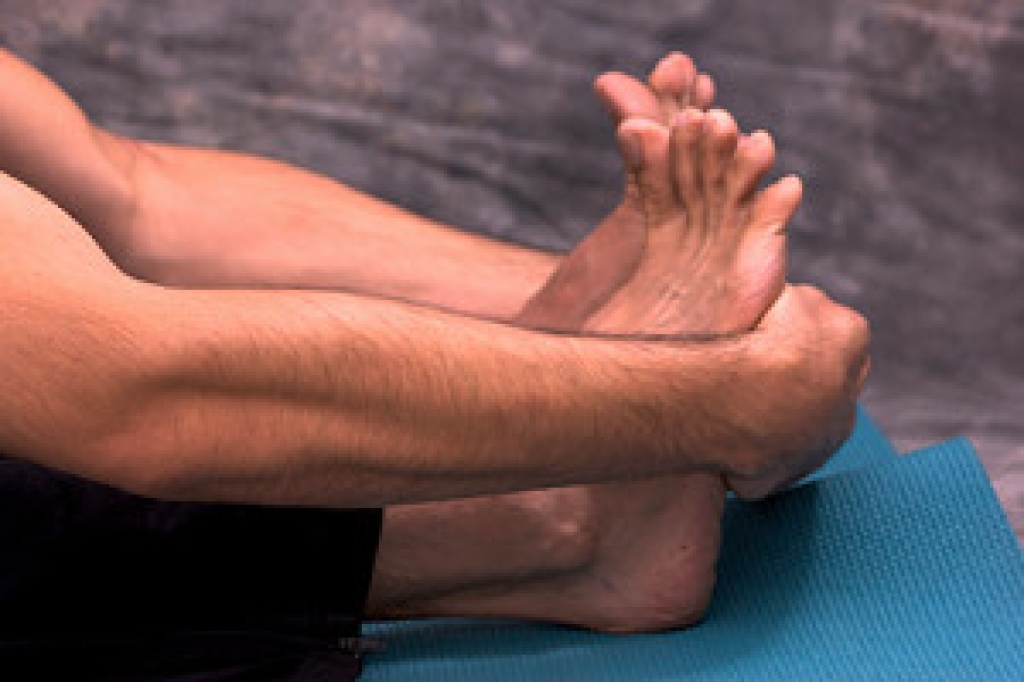
Read more about Pregnancy and Foot Health

Wounds That Don't Heal Need to Be Checked

Your feet are covered most of the day. If you're diabetic, periodic screening is important for good health. Numbness is often a sign of diabetic foot and can mask a sore or wound.

Exercising to Keep the Feet Healthy

When the feet are flexible and strong, the risk of injury decreases. There are a few simple exercises to incorporate into your daily routine in order to maintain healthy feet and ankles. For flexibility, you can alternate among raising, pointing and curling your toes while sitting in a chair. You can also bring one foot up to the alternate thigh, and use your fingers to stretch the big toe up, down and to the side. For strength, try spreading the toes as far apart as possible while sitting. If you would like extra resistance, try putting a rubber band around the toes. You could also practice picking up a towel or marble off of the floor with your toes to improve strength. If you are near sand of any type, you can walk barefoot for an exercise that works both the feet and the legs. If you are in pain, you can try stretching the big toe and Achilles tendon, or rolling a golf ball under your foot while sitting. Remember to perform these tasks to the level that you believe is safe for your body. It is unhealthy to overdo these stretches. If you would like additional information about exercising the feet, contact your local podiatrist.

Exercising your feet regularly with the proper foot wear is a great way to prevent injuries and build strength. If you have any concerns about your feet, contact one of our podiatrists from New Jersey Foot & Ankle Centers. Our doctors can provide the care you need to keep you pain-free and on your feet.

Exercise for Your Feet

Exercise for your feet can help you gain strength, mobility and flexibility in your feet. They say that strengthening your feet can be just as rewarding as strengthening another part of the body. Your feet are very important, and we often forget about them in our daily tasks. But it is because of our feet that are we able to get going and do what we need to. For those of us fortunate enough to not have any foot problems, it is an important gesture to take care of them to ensure good health in the long run.

Some foot health exercises can include ankle pumps, tip-toeing, toe rises, lifting off the floor doing reps and sets, and flexing the toes. It is best to speak with Our doctors to determine an appropriate regimen for your needs. Everyone’s needs and bodies are different, and the activities required to maintain strength in the feet vary from individual to individual. 

Once you get into a routine of doing regular exercise, you may notice a difference in your feet and how strong they may become.

If you have any questions, please feel free to contact our office located in Oradell, NJ . We offer the newest diagnostic and treatment technologies for all your foot care needs.

Read more about Exercise for Your Feet

Flat Feet and Babies

When babies are born, the foot bones have not fully developed, and the feet are generally flexible. It is beneficial for toddlers to walk barefoot while indoors, because this helps the feet to become strong as the toes grasp the floor. When shoes are worn outside, they should fit correctly, and be constructed of a breathable material. It is beneficial to measure your child’s feet every three months up to age three. This is helpful in choosing the correct size shoes, which should have adequate room for the toes to move freely in. Flat feet is a common condition that babies are born with, and will typically outgrow by the age of seven. If you notice your child is walking with their toes pointed inward or outward, it is suggested to schedule a consultation with a podiatrist who can properly diagnose any foot condition.

Making sure that your children maintain good foot health is very important as they grow. If you have any questions, contact one of our podiatrists of New Jersey Foot & Ankle Centers. Our doctors can provide the care you need to keep you pain-free and on your feet.

Keeping Children's Feet Healthy

Having healthy feet during childhood can help prevent medical problems later in life, namely in the back and legs. As children grow, their feet require different types of care. Here are some things to consider...

Although babies do not walk yet, it is still very important to take care of their feet.

Avoid putting tight shoes or socks on his or her feet.

Allow the baby to stretch and kick his or her feet to feel comfortable.

As a toddler, kids are now on the move and begin to develop differently. At this age, toddlers are getting a feel for walking, so don’t be alarmed if your toddler is unsteady or ‘walks funny’. 

As your child gets older, it is important to teach them how to take care of their feet.

Show them proper hygiene to prevent infections such as fungus.

Be watchful for any pain or injury.

Have all injuries checked by a doctor as soon as possible.

Comfortable, protective shoes should always be worn, especially at play.

If you have any questions, please feel free to contact our office located in Oradell, NJ . We offer the newest diagnostic and treatment technologies for all your foot care needs.
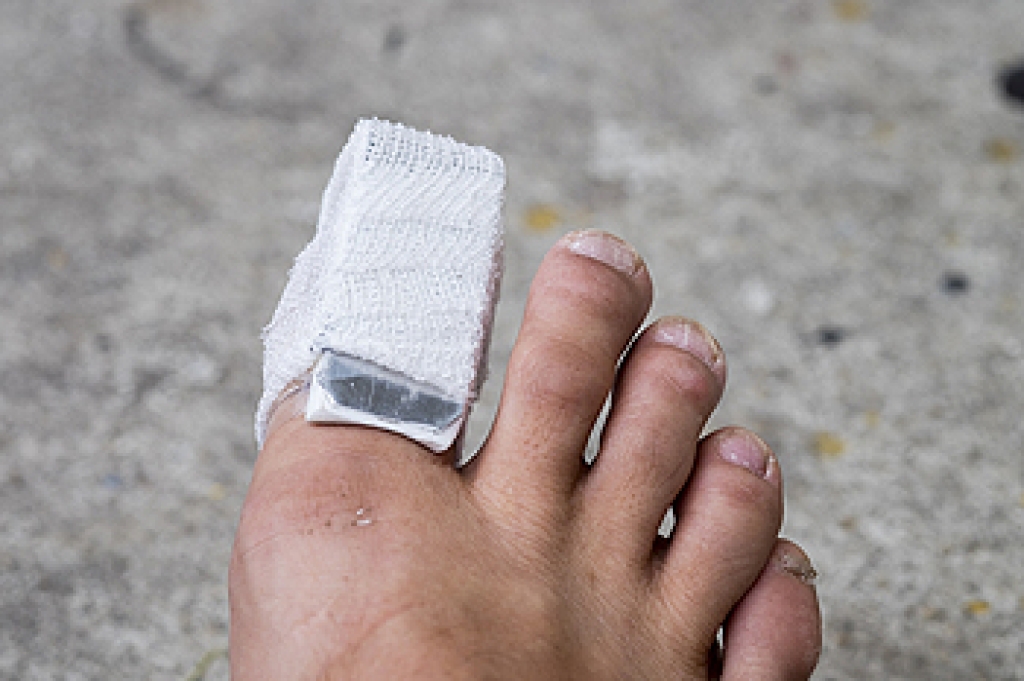
Read more about What to Do to Keep Your Child’s Feet Healthy

Different Types of Toe Fractures

The toes play a significant role in maintaining balance in the body while standing, in addition to pursuing walking and running activities. The bones are small, and can easily break if something heavy is dropped on one of them, or if it bangs against a piece of furniture. There are noticeable symptoms of a broken toe. These often consist of immediate pain, discomfort, redness, and the affected area may appear to be bruised and swollen. Research has shown there are several different types of breaks. A traumatic fracture consists of a sudden break, and this can occur from falling, or severely stubbing the toe. Additionally, if extended periods of time are spent in running activities, the toes may endure stress fractures. This can be a result of a gradual weakening of the bones in the toes.  A fracture is considered to be severe if a bone is protruding from the skin, and an infection may occur from the open wound. If you have broken your toe, it is suggested to seek the counsel of a podiatrist who can properly diagnose and treat this condition.

A broken toe can be very painful and lead to complications if not properly fixed. If you have any concerns about your feet, contact one of our podiatrists from New Jersey Foot & Ankle Centers. Our doctors will treat your foot and ankle needs.

What to Know About a Broken Toe

Although most people try to avoid foot trauma such as banging, stubbing, or dropping heavy objects on their feet, the unfortunate fact is that it is a common occurrence. Given the fact that toes are positioned in front of the feet, they typically sustain the brunt of such trauma. When trauma occurs to a toe, the result can be a painful break (fracture).

Symptoms of a Broken Toe

  • Throbbing pain
  • Swelling
  • Bruising on the skin and toenail
  • The inability to move the toe
  • Toe appears crooked or disfigured
  • Tingling or numbness in the toe

Generally, it is best to stay off of the injured toe with the affected foot elevated.

Severe toe fractures may be treated with a splint, cast, and in some cases, minor surgery. Due to its position and the pressure it endures with daily activity, future complications can occur if the big toe is not properly treated.

If you have any questions, please feel free to contact our office located in Oradell, NJ . We offer the newest diagnostic and treatment technologies for all your foot care needs.

Read more about What to Know About a Broken Toe

Foot Stretches to Prevent Injuries

Keeping the feet stretched and limber is important due to stress that is put on them on a daily basis. Taking a couple minutes each day to stretch out your feet can help prevent foot injuries. There are five simple stretches to help you do this. The first exercise is a towel stretch. Sit on the floor with your legs right in front of you and place a towel around your toes. Then slowly pull the towel towards you. Hold for 15 to 30 seconds each time and do three sets of these. The next exercise is towel lifts. For this one, you will sit in a chair and place a towel on the floor. The point of this exercise is to try lifting the towel off the ground with just your toes. Do this five times on each foot. The third stretch is called the step stretch. This involves standing with your toes on a step with your heels hanging off the edge. Slowly lower your heels down, hold for 10 to 15 seconds and then lift your heels back to the starting position. This should be repeated 5 to 10 times. The fourth stretch is the toe stretch and the most basic one of them all. For this exercise, you will sit in a chair with your feet on the floor and toes spread apart. This position should be held for a few seconds and then repeated 10 times. The final exercise is called the foot roll. This entails taking a golf ball, and rolling it back from your toes to your heels. A tennis ball is also frequently used. Doing these five stretches just for a bit each day will help to prevent injuries in the long run.


Why Stretching Is Important for Your Feet

Stretching the feet is a great way to prevent injuries. If you have any concerns with your feet consult with one of our podiatrists from New Jersey Foot & Ankle Centers. Our doctors will assess your condition and provide you with quality foot and ankle treatment.

Stretching the Feet

Stretching the muscles in the foot is an important part in any physical activity. Feet that are tight can lead to less flexibility and make you more prone to injury. One of the most common forms of foot pain, plantar fasciitis, can be stretched out to help ease the pain. Stretching can not only ease pain from plantar fasciitis but also prevent it as well. However, it is important to see a podiatrist first to determine if stretching is right for you. Podiatrists can also recommend other ways to stretch your feet. Once you know whether stretching is right for you, here are some excellent stretches you can do.

  • Using a foam roller or any cylindrical object (a water bottle or soda can will do), roll the object under your foot back and forth. You should also exert pressure on the object. Be sure to do this to both feet for a minute. Do this exercise three times each.
  • Similar to the previous exercise, take a ball, such as a tennis ball, and roll it under your foot while seated and exert pressure on it.
  • Grab a resistance band or towel and take a seat. If you are using a towel, fold it length wise. Next put either one between the ball of your foot and heel and pull with both hands on each side towards you. Hold this for 15 seconds and then switch feet. Do this three times for each foot.
  • Finally hold your big toe while crossing one leg over the other. Pull the toe towards you and hold for 15 seconds. Once again do this three times per foot.

It is best to go easy when first stretching your foot and work your way up. If your foot starts hurting, stop exercising to ice and rest the foot. It is advised that you then see a podiatrist for help.

If you have any questions please contact our office located in Oradell, NJ . We offer the newest diagnostic and treatment technologies for all your foot and ankle needs.

Read more about Stretching Your Feet

It's Time for Beautiful Feet

You don't need an excuse to have beautiful nails. Step outside without worrying about the appearance of your feet.

Strengthening the Ankle After a Sprain

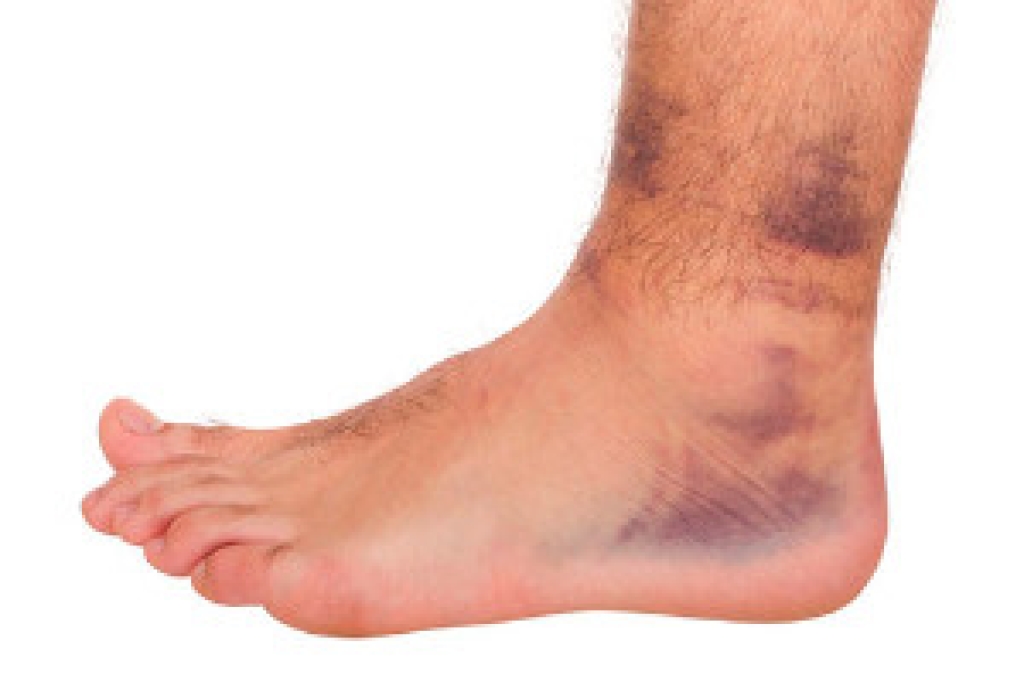
If you should endure an injury that tears the ligaments in the ankle, you may have what is known as an ankle sprain. A common symptom that is associated with this condition is severe pain while attempting to walk on the affected ankle. Additionally, the ankle can appear bruised and swollen. Research has indicated it is beneficial to start treatment as quickly as possible after the injury has occurred. This consists of resting the foot while elevating it above heart level, and wrapping the ankle with an elastic bandage. It may be necessary to strengthen the ankle before returning to any type of sporting activity. These exercises include toe raises, resistance movements, and balancing motions. If you have sprained your ankle, it is advised that you seek the counsel of a podiatrist who can guide you toward the correct treatment.

Although ankle sprains are common, they aren’t always minor injuries. If you need your ankle injury looked at, contact one of our podiatrists from New Jersey Foot & Ankle Centers. Our doctors can provide the care you need to keep you pain-free and on your feet.

How Does an Ankle Sprain Occur?

Ankle sprains are the result of a tear in the ligaments within the ankle. These injuries may happen when you make a rapid shifting movement while your foot is planted. A less common way to sprain your ankle is when your ankle rolls inward while your foot turns outward.

What Are the Symptoms?

  • Pain at the sight of the tear
  • Bruising/Swelling
  • Ankle area is tender to touch
  • In severe cases, may hear/feel something tear
  • Skin discoloration

Preventing a Sprain

  • Wearing appropriate shoes for the occasion
  • Stretching before exercises and sports
  • Knowing your limits

Treatment of a Sprain

In many cases, the RICE method (Rest, Ice, Compression, and Elevate) is used to treat ankle sprains. However, you should see a podiatrist to see which treatment option would work best with your injury. In severe cases, surgery may be required.

It is important to ask your doctor about rehab options after you receive treatment for your injury. Stretching, strength training, and balance exercises may help the ankle heal while also preventing further injury.

If you have any questions, please feel free to contact our office located in Oradell, NJ . We offer the newest diagnostic and treatment technologies for all your foot care needs.
Read more about Ankle Sprains

Baseball Players and Plantar Fasciitis

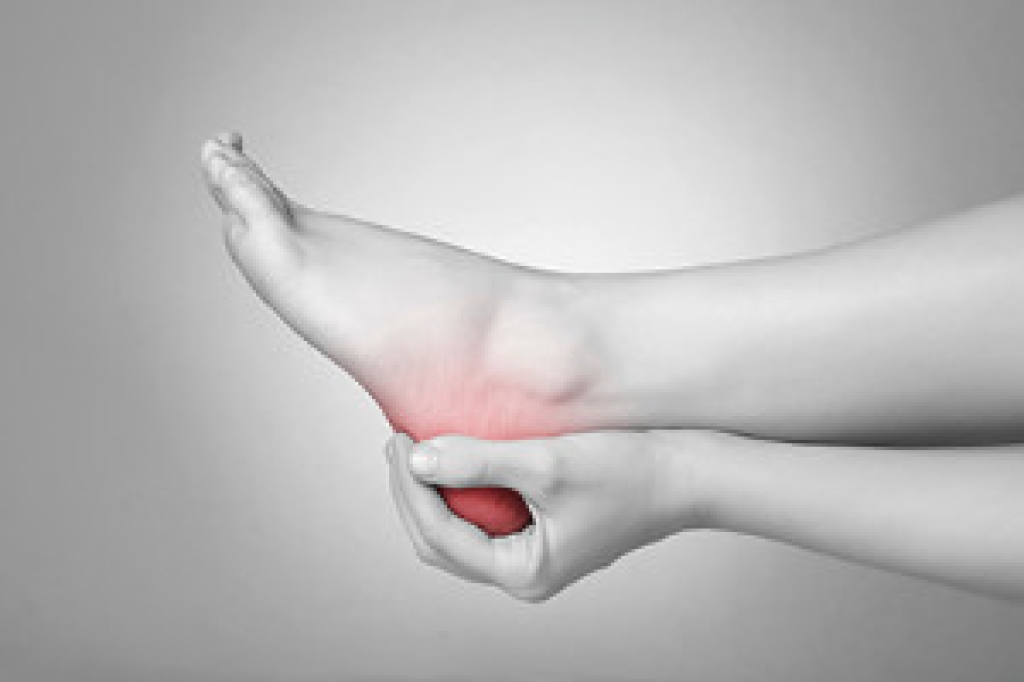
The medical condition plantar fasciitis, occurs when the band of tissue that is located on the bottom of the foot becomes inflamed. The function of this band of tissue is to connect the heel to the toes. Additionally, it helps the arch maintain its natural shape and prevents it from becoming completely flat. A common reason plantar fasciitis occurs includes over-stretching during running activities. Mild relief may be found when walking and standing is limited and when the foot can rest. Plantar fasciitis is a common ailment among baseball players, but it may be difficult for players to stop their activities, so the healing process can begin. If you have pain in the heel area of your foot, it is suggested that you schedule a consultation with a podiatrist to receive a proper diagnosis and advice.

Plantar fasciitis can be very painful and inconvenient. If you are experiencing heel pain or symptoms of plantar fasciitis, contact one of our podiatrists  from New Jersey Foot & Ankle Centers. Our doctors can provide the care you need to keep you pain-free and on your feet.

What Is Plantar Fasciitis?

Plantar fasciitis is the inflammation of the thick band of tissue that runs along the bottom of your foot, known as the plantar fascia, and causes mild to severe heel pain.

What Causes Plantar Fasciitis?

  • Excessive running
  • Non-supportive shoes
  • Overpronation
  • Repeated stretching and tearing of the plantar fascia

How Can It Be Treated?

  • Conservative measures – anti-inflammatories, ice packs, stretching exercises, physical therapy, orthotic devices
  • Shockwave therapy – sound waves are sent to the affected area to facilitate healing and are usually used for chronic cases of plantar fasciitis
  • Surgery – usually only used as a last resort when all else fails. The plantar fascia can be surgically detached from the heel

While very treatable, plantar fasciitis is definitely not something that should be ignored. Especially in severe cases, speaking to your doctor right away is highly recommended to avoid complications and severe heel pain. Your podiatrist can work with you to provide the appropriate treatment options tailored to your condition.

If you have any questions, please feel free to contact our office located in Oradell, NJ . We offer the newest diagnostic and treatment technologies for all your foot care needs.
Read more about Plantar Fasciitis

Possible Causes of Hammertoe

The medical condition that is referred to as hammertoe is considered to be a deformity in the middle toes. It may develop as a result of wearing shoes that do not fit correctly, or it can occur from genetic factors. When the toes become cramped in the shoe, the middle toe bends to resemble the shape of a hammer. It can overlap onto the toe next to it, and consistent friction can cause a callus to develop. Additionally, some patients may experience pain in the ball of the foot, which is a result of chronic stress the foot endures. Mild relief may be found when soft padding is inserted in the shoe. For severe cases of hammertoe, surgery could be a viable option to consider in order to permanently straighten the toes.  If you notice you are developing hammertoe, it is advised to seek the counsel of a podiatrist who can provide you with the treatment that is best for you.

Hammertoes can be a painful condition to live with. For more information, contact one of our podiatrists of New Jersey Foot & Ankle Centers. Our doctors will answer any of your foot- and ankle-related questions.

Hammertoe

Hammertoe is a foot deformity that occurs due to an imbalance in the muscles, tendons, or ligaments that normally hold the toe straight. It can be caused by the type of shoes you wear, your foot structure, trauma, and certain disease processes.

Symptoms

  • Painful and/or difficult toe movement
  • Swelling
  • Joint stiffness
  • Calluses/Corns
  • Physical deformity

Risk Factors

  • Age – The risk of hammertoe increases with age
  • Sex – Women are more likely to have hammertoe compared to men
  • Toe Length – You are more likely to develop hammertoe if your second toe is longer than your big toe
  • Certain Diseases – Arthritis and diabetes may make you more likely to develop hammertoe

Treatment

If you have hammertoe, you should change into a more comfortable shoe that provides enough room for your toes. Exercises such as picking up marbles may strengthen and stretch your toe muscles. Nevertheless, it is important to seek assistance from a podiatrist in order to determine the severity of your hammertoe and see which treatment option will work best for you.

If you have any questions, please feel free to contact our office located in Oradell, NJ . We offer the newest diagnostic and treatment technologies for all your foot care needs.

Read more about Hammertoe

Connect With Us

Book Online