All About Bunions on the Pinky Toe

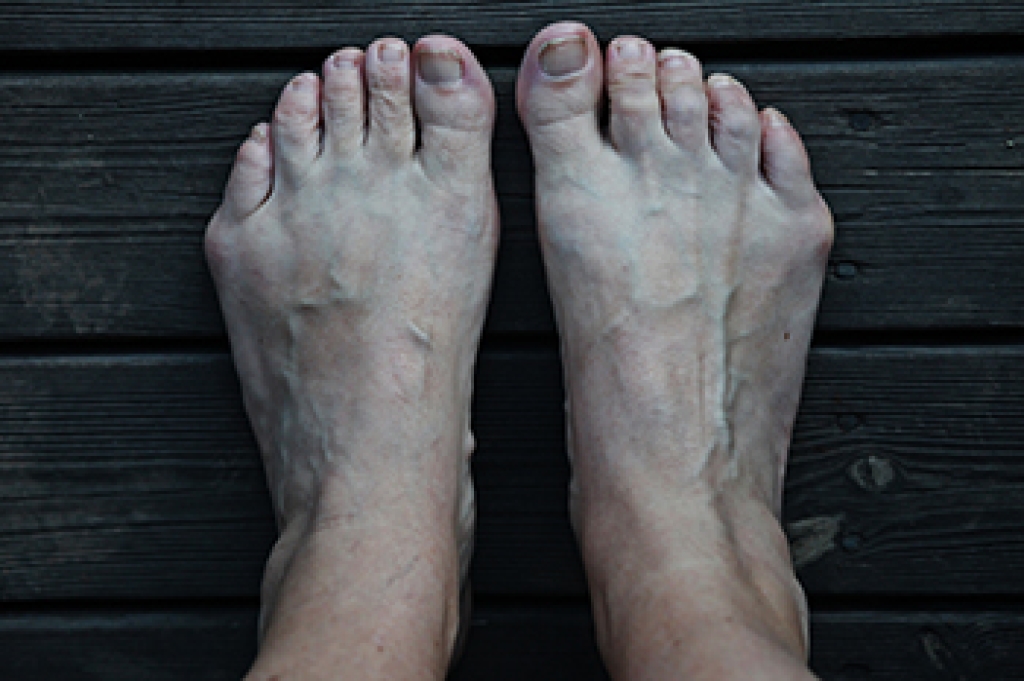
A bunion on the pinky toe, also called a bunionette, forms when the fifth metatarsal bone begins to push outward, causing a noticeable bump at the base of the smallest toe. This condition is often linked to wearing pointy shoes that are too tight in the toe box, which forces the pinky toe inward and places repeated pressure on the outer edge of the foot. Over time, this can lead to redness, swelling, and pain. Although some people may not feel discomfort in the early stages, the deformity can become more painful as the bunionette progresses. A podiatrist can diagnose a bunionette through a physical exam and imaging, such as X-rays, to assess bone alignment. In some cases, a podiatrist may recommend shoe changes, padding, or orthotic support to reduce discomfort. When a bunionette is severe and causes persistent pain, surgery may be considered to correct the alignment of the bone. If you have a painful bunion at your pinky toe joint, it is suggested that you make an appointment with a podiatrist for an exam and treatment.

If you are suffering from bunions, contact one of our podiatrists of New Jersey Foot & Ankle Centers. Our doctors can provide the care you need to keep you pain-free and on your feet.

What Is a Bunion?

A bunion is formed of swollen tissue or an enlargement of boney growth, usually located at the base joint of the toe that connects to the foot. The swelling occurs due to the bones in the big toe shifting inward, which impacts the other toes of the foot. This causes the area around the base of the big toe to become inflamed and painful.

Why Do Bunions Form?

Genetics – Susceptibility to bunions are often hereditary

Stress on the feet – Poorly fitted and uncomfortable footwear that places stress on feet, such as heels, can worsen existing bunions

How Are Bunions Diagnosed?

Doctors often perform two tests – blood tests and x-rays – when trying to diagnose bunions, especially in the early stages of development. Blood tests help determine if the foot pain is being caused by something else, such as arthritis, while x-rays provide a clear picture of your bone structure to your doctor.

How Are Bunions Treated?

  • Refrain from wearing heels or similar shoes that cause discomfort
  • Select wider shoes that can provide more comfort and reduce pain
  • Anti-inflammatory and pain management drugs
  • Orthotics or foot inserts
  • Surgery

If you have any questions, please feel free to contact our office located in Oradell, NJ . We offer the newest diagnostic and treatment technologies for all your foot care needs.

Read more about Bunions

Common Foot and Ankle Injuries in Gymnastics

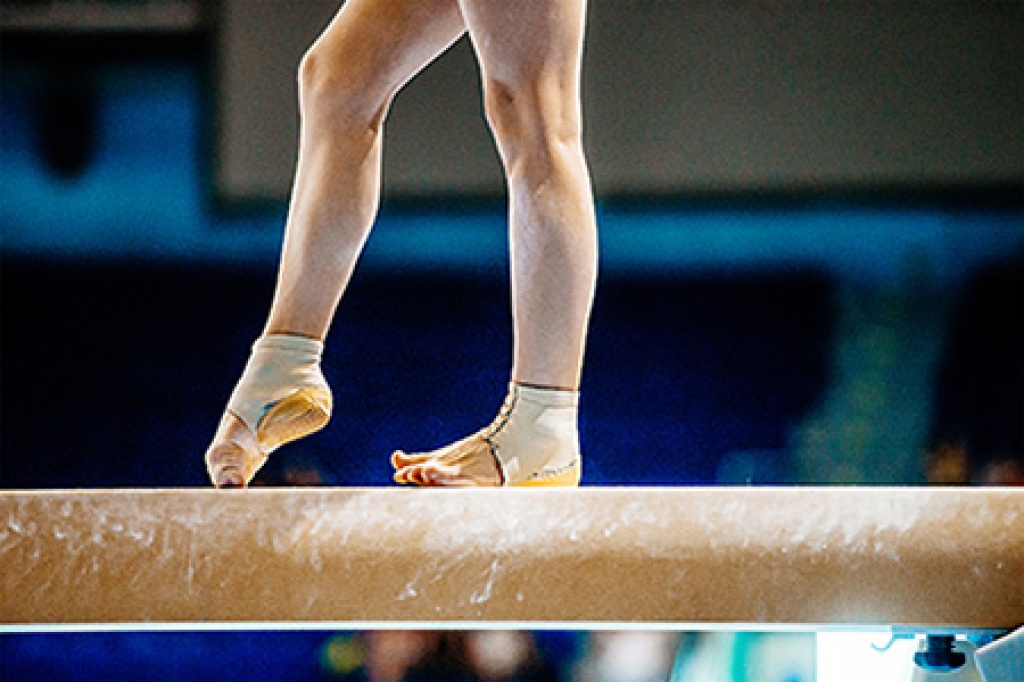
Gymnastics places significant stress on the feet and ankles, leading to a variety of injuries. Frequent jumping, landing, and twisting movements increase the risk of strain and trauma. Sprains occur when ligaments are stretched or torn, often from missteps or awkward landings. Fractures can result from repetitive impact or high-force landings on hard surfaces. Tendonitis develops when overuse causes inflammation in the tendons, leading to pain and stiffness. Stress fractures are small cracks in the bones caused by repeated pressure and insufficient recovery time. Additionally, contusions and bruises may also occur from direct impact. Strengthening exercises, proper technique, and wearing supportive footwear help reduce injury risk. If you have injured your foot or ankle while participating in gymnastics, it is suggested that you promptly visit a podiatrist who can offer effective relief and treatment solutions.

Sports related foot and ankle injuries require proper treatment before players can go back to their regular routines. For more information, contact one of our podiatrists of New Jersey Foot & Ankle Centers. Our doctors can provide the care you need to keep you pain-free and on your feet.

Sports Related Foot and Ankle Injuries

Foot and ankle injuries are a common occurrence when it comes to athletes of any sport. While many athletes dismiss the initial aches and pains, the truth is that ignoring potential foot and ankle injuries can lead to serious problems. As athletes continue to place pressure and strain the area further, a mild injury can turn into something as serious as a rupture and may lead to a permanent disability. There are many factors that contribute to sports related foot and ankle injuries, which include failure to warm up properly, not providing support or wearing bad footwear. Common injuries and conditions athletes face, including:

  • Plantar Fasciitis
  • Achilles Tendinitis
  • Achilles Tendon Rupture
  • Ankle Sprains

Sports related injuries are commonly treated using the RICE method. This includes rest, applying ice to the injured area, compression and elevating the ankle. More serious sprains and injuries may require surgery, which could include arthroscopic and reconstructive surgery. Rehabilitation and therapy may also be required in order to get any recovering athlete to become fully functional again. Any unusual aches and pains an athlete sustains must be evaluated by a licensed, reputable medical professional.

If you have any questions please contact our office located in Oradell, NJ . We offer the newest diagnostic and treatment technologies for all your foot and ankle needs.

Read more about Sports Related Foot and Ankle Injuries

Keep Your Feet Healthy So You Can Stay Active

Have your feet inspected by a professional before starting a new sport or physical activity. Taking charge of your foot health will keep you in good physical condition and can help you avoid a potential injury, such as a fracture or sprained ankle.

Prevent injuries and see a foot specialist.

Taking Care of Your Diabetic Feet

Proper foot care is imperative for people with diabetes, as the condition can lead to poor circulation, nerve damage, and increased risk of infections. Symptoms like numbness, tingling, or a loss of sensation in the feet can make it difficult to notice injuries or sores. Diabetes can also cause skin changes, making the feet more prone to cuts, blisters, or fungal infections. To protect your feet, it is important to regularly check for sores, cuts, or blisters, and keep your feet clean and dry. Wearing well-fitting shoes, avoiding walking barefoot, and moisturizing dry skin can help prevent issues. If you smoke, it is important to stop, as smoking worsens circulation and increases the risk of complications. A podiatrist can help with regular foot exams, treating infections, and providing advice on proper footwear and diabetic foot care. If you are diabetic and have foot issues, it is suggested that you are under the care of a podiatrist, who can regularly monitor this condition.

Diabetic foot care is important in preventing foot ailments such as ulcers. If you are suffering from diabetes or have any other concerns about your feet, contact one of our podiatrists from New Jersey Foot & Ankle Centers. Our doctors can provide the care you need to keep you pain-free and on your feet.

Diabetic Foot Care

Diabetes affects millions of people every year. The condition can damage blood vessels in many parts of the body, especially the feet. Because of this, taking care of your feet is essential if you have diabetes, and having a podiatrist help monitor your foot health is highly recommended.

The Importance of Caring for Your Feet

  • Routinely inspect your feet for bruises or sores.
  • Wear socks that fit your feet comfortably.
  • Wear comfortable shoes that provide adequate support.

Patients with diabetes should have their doctor monitor their blood levels, as blood sugar levels play such a huge role in diabetic care. Monitoring these levels on a regular basis is highly advised.

It is always best to inform your healthcare professional of any concerns you may have regarding your feet, especially for diabetic patients. Early treatment and routine foot examinations are keys to maintaining proper health, especially because severe complications can arise if proper treatment is not applied.

If you have any questions, please feel free to contact our office located in Oradell, NJ . We offer the newest diagnostic and treatment technologies for all your foot care needs.

Read more about Diabetic Foot Conditions

Surgery for Clubfoot Repair

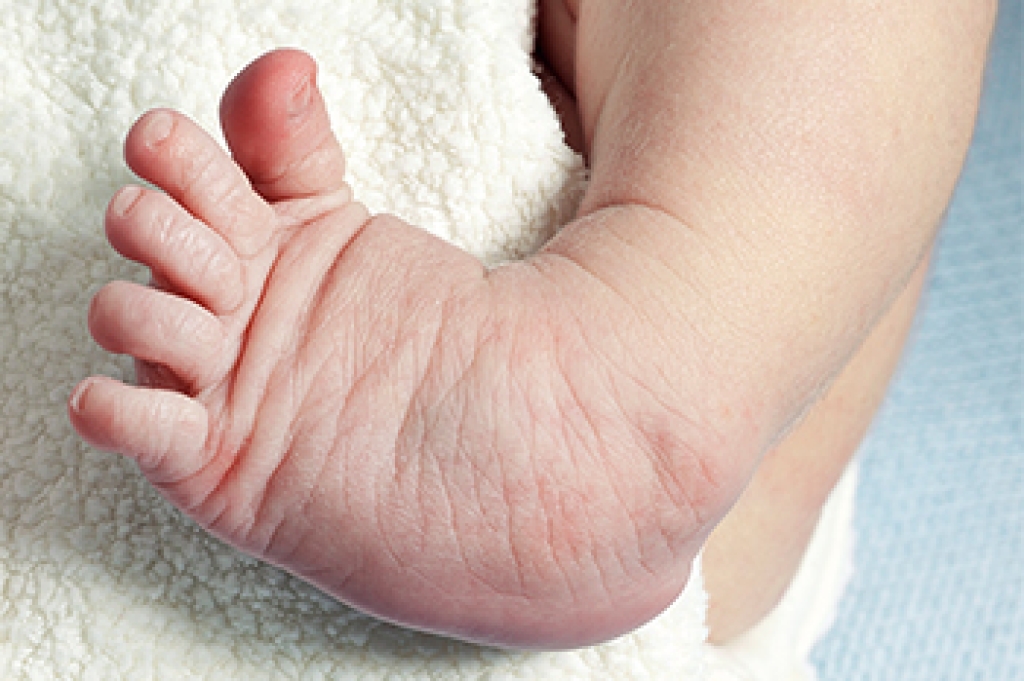
Clubfoot repair surgery is performed to improve the position and function of a foot and ankle affected by this birth condition. A podiatrist can determine if surgery is needed based on the severity of the deformity and prior treatment. During the clubfoot repair surgery, adjustments are made to the tendons to help the foot move into a more natural position. This may include lengthening the Achilles tendon. In some cases, small bone corrections may be required to support proper alignment. After surgery, a cast is placed on the baby’s foot to protect it and assist with healing. The cast is typically worn for several weeks and may need to be changed a few times. As the foot heals, follow-up care helps ensure the best possible outcome. While some stiffness may remain, surgery can greatly improve mobility and allow for an active lifestyle. If your child was born with clubfoot, it is suggested that you schedule an appointment with a podiatrist for an exam, diagnosis, and treatment options.

Congenital foot problems require immediate attention to avoid future complications. If you have any concerns, contact one of our podiatrists of New Jersey Foot & Ankle Centers. Our doctors can provide the care you need to keep you pain-free and on your feet.

Congenital foot problems are deformities affecting the feet, toes, and/or ankles that children are born with. Some of these conditions have a genetic cause while others just happen. Some specific foot ailments that children may be born with include clubfeet, polydactyly/macrodactyly, and cleft foot. There are several other foot anomalies that can occur congenitally. What all of these conditions have in common is that a child may experience difficulty walking or performing everyday activities, as well as trouble finding footwear that fits their foot deformity. Some of these conditions are more serious than others. Consulting with a podiatrist as early as possible will help in properly diagnosing a child’s foot condition while getting the necessary treatment underway.

What are Causes of Congenital Foot Problem?

A congenital foot problem is one that happens to a child at birth. These conditions can be caused by a genetic predisposition, developmental or positional abnormalities during gestation, or with no known cause.

What are Symptoms of Congenital Foot Problems?

Symptoms vary by the congenital condition. Symptoms may consist of the following:

  • Clubfoot, where tendons are shortened, bones are shaped differently, and the Achilles tendon is tight, causing the foot to point in and down. It is also possible for the soles of the feet to face each other.
  • Polydactyly, which usually consists of a nubbin or small lump of tissue without a bone, a toe that is partially formed but has no joints, or an extra toe.
  • Vertical talus, where the talus bone forms in the wrong position causing other bones in the foot to line up improperly, the front of the foot to point up, and the bottom of the foot to stiffen, with no arch, and to curve out.
  • Tarsal coalition, when there is an abnormal connection of two or more bones in the foot leading to severe, rigid flatfoot.
  • Cleft foot, where there are missing toes, a V-shaped cleft, and other anatomical differences.
  • Macrodactyly, when the toes are abnormally large due to overgrowth of the underlying bone or soft tissue.

Treatment and Prevention

While there is nothing one can do to prevent congenital foot problems, raising awareness and receiving neonatal screenings are important. Early detection by taking your child to a podiatrist leads to the best outcome possible.

If you have any questions, please feel free to contact our office located in Oradell, NJ . We offer the newest diagnostic and treatment technologies for all your foot care needs.
Read more about Congenital Foot Problems

Connect With Us

Book Online