How to Manage Blisters on the Feet

Blisters on the feet can be painful and bothersome. They are often caused by friction inside a shoe or from prolonged activity, such as walking or running. Most blisters on the feet heal naturally, but protecting them can help reduce both discomfort and the risk of infection. Small, unbroken blisters can be covered loosely with a bandage to prevent irritation. For blisters on the soles, a doughnut-shaped moleskin pad can alleviate pressure by keeping the area over the blister open. It is not a good idea to drain blisters at home, as improper handling can lead to infection and cause additional problems. If a blister is large or painful, it is best to have it drained by a podiatrist, who can do so under safe and hygienic conditions. Always monitor blisters for signs of infection, such as increased pain, redness, or pus. Also, if you have medical conditions like diabetes, HIV, cancer, or heart disease, it isimportant to seek medical help immediately. To safely manage problematic blisters on the feet, it is suggested that you schedule an appointment with a podiatrist for effective treatment options.

Blisters are prone to making everyday activities extremely uncomfortable. If your feet are hurting, contact one of our podiatrists of New Jersey Foot & Ankle Centers. Our doctors can provide the care you need to keep you pain-free and on your feet.

Foot Blisters

Foot blisters develop as a result of constantly wearing tight or ill-fitting footwear. This happens due to the constant rubbing from the shoe, which can often lead to pain.

What Are Foot Blisters?

A foot blister is a small fluid-filled pocket that forms on the upper-most layer of the skin. Blisters are filled with clear fluid and can lead to blood drainage or pus if the area becomes infected.

How Do Blisters Form?

Blisters on the feet are often the result of constant friction of skin and material, usually by shoe rubbing. Walking in sandals, boots, or shoes that don’t fit properly for long periods of time can result in a blister. Having consistent foot moisture and humidity can easily lead to blister formation.

Prevention & Treatment

It is important to properly care for the affected area in order to prevent infection and ease the pain. Do not lance the blister and use a Band-Aid to provide pain relief. Also, be sure to keep your feet dry and wear proper fitting shoes. If you see blood or pus in a blister, seek assistance from a podiatrist.

If you have any questions, please feel free to contact our office located in Oradell, NJ . We offer the newest diagnostic and treatment technologies for all your foot care needs.

Read more about Blisters on the Feet

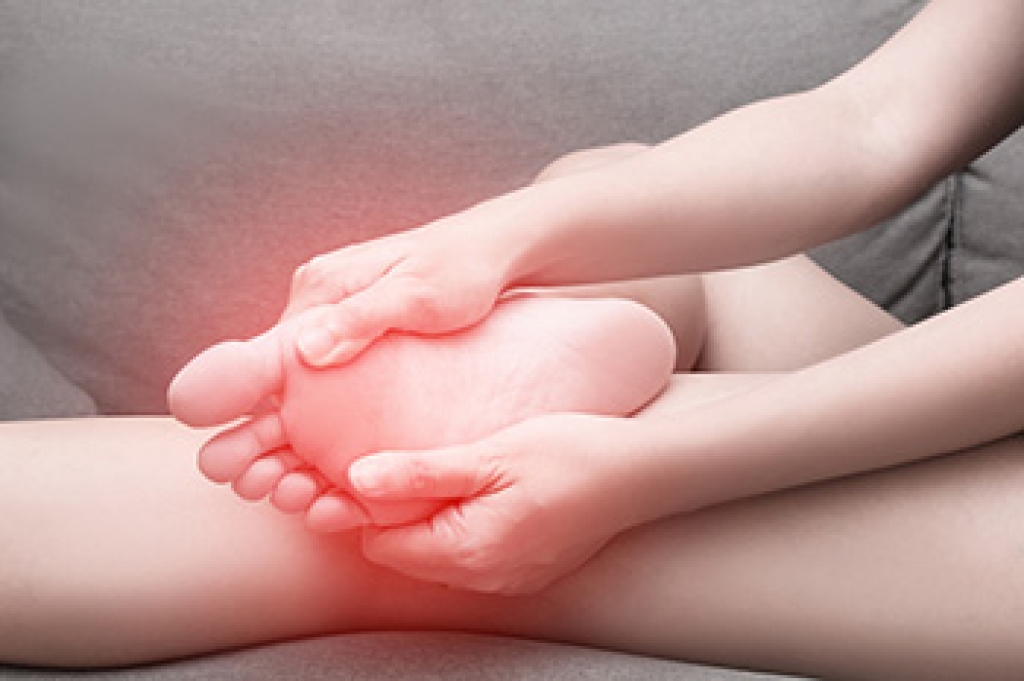
Symptoms of Pain in the Ball of the Foot

Metatarsalgia is a fancy word for pain in the ball of the foot. It often stems from issues with the metatarsal bones, which are the long bones of the foot that connect the toes to the ankles. Metatarsal foot pain is often the result of trauma or overuse in high-impact sports. Degenerative conditions like arthritis, congenital bone structure anomalies, or wearing tight or high-heeled shoes are other factors. Symptoms typically include sharp or aching pain, swelling, and difficulty bearing weight. Medical treatment from a podiatrist focuses on pain relief and addressing the underlying cause. This may include prescription orthotics, medication, or in some cases surgery. Ignoring metatarsalgia can lead to pain in other parts of the foot or body and the development of calluses or neuromas. If you have pain in the ball of your foot, it is suggested that you schedule an appointment with a podiatrist for an exam and treatment.

Foot Pain

Foot pain can be extremely painful and debilitating. If you have a foot pain, consult with one of our podiatrists from New Jersey Foot & Ankle Centers. Our doctors will assess your condition and provide you with quality foot and ankle treatment.

Causes

Foot pain is a very broad condition that could be caused by one or more ailments. The most common include:

  • Bunions
  • Hammertoes
  • Plantar Fasciitis
  • Bone Spurs
  • Corns
  • Tarsal Tunnel Syndrome
  • Ingrown Toenails
  • Arthritis (such as Gout, Rheumatoid, and Osteoarthritis)
  • Flat Feet
  • Injury (from stress fractures, broken toe, foot, ankle, Achilles tendon ruptures, and sprains)
  • And more

Diagnosis

To figure out the cause of foot pain, podiatrists utilize several different methods. This can range from simple visual inspections and sensation tests to X-rays and MRI scans. Prior medical history, family medical history, and any recent physical traumatic events will all be taken into consideration for a proper diagnosis.

Treatment

Treatment depends upon the cause of the foot pain. Whether it is resting, staying off the foot, or having surgery; podiatrists have a number of treatment options available for foot pain.

If you have any questions, please feel free to contact our office located in Oradell, NJ . We offer the newest diagnostic and treatment technologies for all your foot care needs.

Read more about Foot Pain

Facts on Flat Feet Surgery

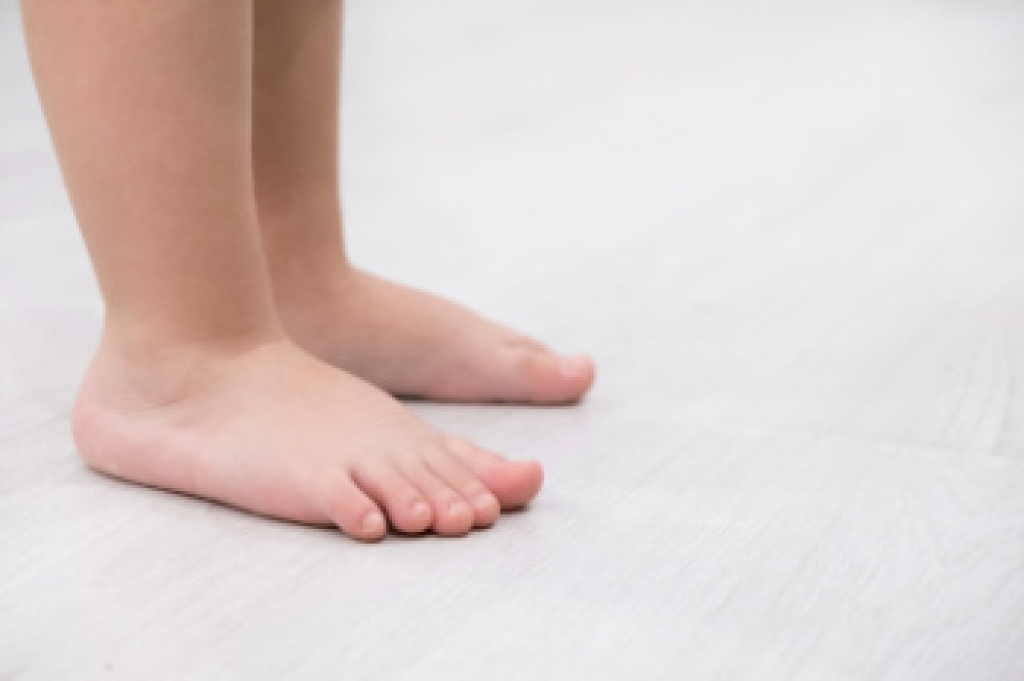
Flat feet surgery aims to correct the arch of the foot and alleviate associated symptoms like pain and difficulty walking. There are various types of surgical procedures, depending on the severity and underlying cause of the flat feet condition. Lateral column lengthening involves cutting and repositioning bones in the outer foot to create an arch. This procedure stabilizes the midfoot and improves weight distribution. Flexor digitorum longus transfer redirects a tendon from the toe to support the arch, enhancing its structure and function. Both surgeries aim to restore the foot's natural alignment and reduce strain on surrounding muscles and joints. Recovery typically involves immobilization to regain strength and mobility. Surgical intervention is considered when conservative treatments like orthotics and exercises fail to provide sufficient relief, aiming to improve foot function and quality of life for individuals with flat feet. If you are experiencing chronic pain from having flat feet, it is strongly suggested that you consult a podiatrist who can determine if flat foot surgery is right for you.

Foot surgery is sometimes necessary to treat a foot ailment. To learn more, contact one of our podiatrists of New Jersey Foot & Ankle Centers. Our doctors will assist you with all of your foot and ankle needs.

When Is Surgery Necessary?

Foot and ankle surgery is generally reserved for cases in which less invasive, conservative procedures have failed to alleviate the problem. Some of the cases in which surgery may be necessary include:

  • Removing foot deformities like bunions and bone spurs
  • Severe arthritis that has caused bone issues
  • Cosmetic reconstruction

What Types of Surgery Are There?

The type of surgery you receive will depend on the nature of the problem you have. Some of the possible surgeries include:

  • Bunionectomy for painful bunions
  • Surgical fusion for realignment of bones
  • Neuropathy decompression surgery to treat nerve damage

Benefits of Surgery

Although surgery is usually a last resort, it can provide more complete pain relief compared to non-surgical methods and may allow you to finally resume full activity.

Surgical techniques have also become increasingly sophisticated. Techniques like endoscopic surgery allow for smaller incisions and faster recovery times.

If you have any questions, please feel free to contact our office located in Oradell, NJ . We offer the newest diagnostic and treatment technologies for all your foot care needs.
Read more about Foot Surgery

Plantar Warts Can Be Treated!

Plantar warts are small growths that develop on parts of the feet that bear weight. They're typically found on the bottom of the foot. Don't live with plantar warts, and call us today!

Overpronation and Flat Feet in Children

Pronation, the natural inward roll of the foot during walking or running, varies in children and plays a critical role in their foot development. Normal pronation involves a slight inward movement that helps absorb shock. Underpronation, or supination, occurs when the foot rolls outward excessively, potentially leading to insufficient shock absorption. Conversely, overpronation involves an exaggerated inward roll, which may stress the foot and ankle structures. Arch development is closely linked, as children typically have flat feet at birth, with arches developing as they grow and bear weight. However, some children may retain flat feet or develop high arches, impacting their pronation patterns. Monitoring pronation types and arch development in children is essential for identifying potential issues early on, and promoting proper footwear choices and exercises to support healthy foot development and prevent future complications. If your child’s feet have not developed arches, it is suggested that you consult a podiatrist who can help you monitor this condition.

Flatfoot is a condition many people suffer from. If you have flat feet, contact one of our podiatrists from New Jersey Foot & Ankle Centers. Our doctors will treat your foot and ankle needs.

What Are Flat Feet?

Flatfoot is a condition in which the arch of the foot is depressed and the sole of the foot is almost completely in contact with the ground. About 20-30% of the population generally has flat feet because their arches never formed during growth.

Conditions & Problems:

Having flat feet makes it difficult to run or walk because of the stress placed on the ankles.

Alignment – The general alignment of your legs can be disrupted, because the ankles move inward which can cause major discomfort.

Knees – If you have complications with your knees, flat feet can be a contributor to arthritis in that area.  

Symptoms

  • Pain around the heel or arch area
  • Trouble standing on the tip toe
  • Swelling around the inside of the ankle
  • Flat look to one or both feet
  • Having your shoes feel uneven when worn

Treatment

If you are experiencing pain and stress on the foot you may weaken the posterior tibial tendon, which runs around the inside of the ankle. 

If you have any questions, please feel free to contact our office located in Oradell, NJ . We offer the newest diagnostic and treatment technologies for all your foot care needs.
Read more about Flat Feet

Managing Diabetic Foot Ulcers

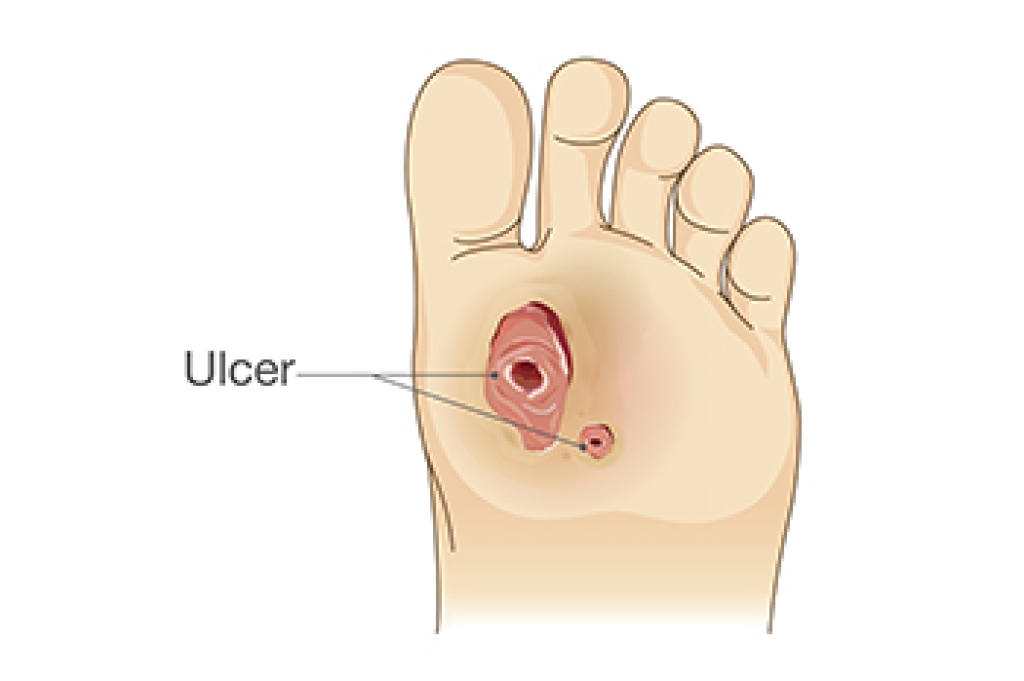
Diabetic foot wounds are a significant concern for individuals managing diabetes, with up to a third of patients developing foot problems during their lifetime. Early signs include dry skin and calluses, which can progress to poorly healing ulcers on the feet or toes. These complications arise from nerve and blood vessel damage that results from high blood sugar levels over a long period. Factors like wearing tight shoes, foot deformities, and thick calluses can increase the risk. This damage reduces the foot's sensitivity to pressure and injuries, leading to unnoticed and untreated wounds that are slow to heal. Preventive measures, such as proper foot care, wearing well-fitting shoes, and avoiding injuries, are essential in reducing the risk of diabetic ulcers. Regular visits to a podiatrist play an essential role in the early detection and management of diabetic foot problems. Podiatrists can provide comprehensive care, including examining the skin, assessing blood flow, and testing nerve sensitivity, which may prevent minor issues from developing into severe complications. If you are suffering from diabetic foot complications, it is suggested that you schedule an appointment with a podiatrist for an exam, diagnosis, and treatment options.

Diabetic foot care is important in preventing foot ailments such as ulcers. If you are suffering from diabetes or have any other concerns about your feet, contact one of our podiatrists from New Jersey Foot & Ankle Centers. Our doctors can provide the care you need to keep you pain-free and on your feet.

Diabetic Foot Care

Diabetes affects millions of people every year. The condition can damage blood vessels in many parts of the body, especially the feet. Because of this, taking care of your feet is essential if you have diabetes, and having a podiatrist help monitor your foot health is highly recommended.

The Importance of Caring for Your Feet

  • Routinely inspect your feet for bruises or sores.
  • Wear socks that fit your feet comfortably.
  • Wear comfortable shoes that provide adequate support.

Patients with diabetes should have their doctor monitor their blood levels, as blood sugar levels play such a huge role in diabetic care. Monitoring these levels on a regular basis is highly advised.

It is always best to inform your healthcare professional of any concerns you may have regarding your feet, especially for diabetic patients. Early treatment and routine foot examinations are keys to maintaining proper health, especially because severe complications can arise if proper treatment is not applied.

If you have any questions, please feel free to contact our office located in Oradell, NJ . We offer the newest diagnostic and treatment technologies for all your foot care needs.
Read more about Diabetic Foot Care

Exercises May Help Arch Pain

Arch pain is discomfort or inflammation in the arch of the foot, often caused by overuse, flat feet, high arches, or plantar fasciitis. It can manifest as a dull ache or a sharp, stabbing pain, particularly during or after physical activity. Foot exercises can help alleviate arch pain by strengthening and stretching the muscles and tissues in the feet. One beneficial exercise is the towel curl, where you sit with your foot on a towel and use your toes to scrunch the towel towards you, repeating 10 to 15 times per foot. Another exercise is the calf stretch. This is done by facing a wall while standing, placing one foot behind the other, and bending the front knee while keeping the back leg straight. Hold for 15 to 30 seconds, and repeat several times. A third exercise is the arch roll, which is practiced by placing a tennis ball or a frozen water bottle to roll under your foot for a few minutes each day. For persistent or severe arch pain, it is suggested that you visit a podiatrist for a proper diagnosis and treatment. 

Stretching the feet is a great way to prevent injuries. If you have any concerns with your feet consult with one of our podiatrists from New Jersey Foot & Ankle Centers. Our doctors will assess your condition and provide you with quality foot and ankle treatment.

Stretching the Feet

Stretching the muscles in the foot is an important part in any physical activity. Feet that are tight can lead to less flexibility and make you more prone to injury. One of the most common forms of foot pain, plantar fasciitis, can be stretched out to help ease the pain. Stretching can not only ease pain from plantar fasciitis but also prevent it as well. However, it is important to see a podiatrist first if stretching is right for you. Podiatrists can also recommend other ways to stretch your feet. Once you know whether stretching is right for you, here are some excellent stretches you can do.

  • Using a foam roller or any cylindrical object (a water bottle or soda can will do), roll the object under your foot back and forth. You should also exert pressure on the object. Be sure to do this to both feet for a minute. Do this exercise three times each.
  • Similar to the previous one, take a ball, such as a tennis ball, and roll it under your foot while seated and exert pressure on it.
  • Grab a resistance band or towel and take a seat. If you are using a towel, fold it length wise. Next put either one between the ball of your foot and heel and pull with both hands on each side towards you. Hold this for 15 seconds and then switch feet. Do this three times for each foot.
  • Finally hold your big toe while crossing one leg over the other. Pull the toe towards you and hold for 15 seconds. Once again do this three times per foot.

It is best to go easy when first stretching your foot and work your way up. If your foot starts hurting, stop exercising and ice and rest the foot. It is advised to then see a podiatrist for help.

If you have any questions please contact our office located in Oradell, NJ . We offer the newest diagnostic and treatment technologies for all your foot and ankle needs.

Read more about How to Stretch Your Feet

Ways to Avoid Falling at Home

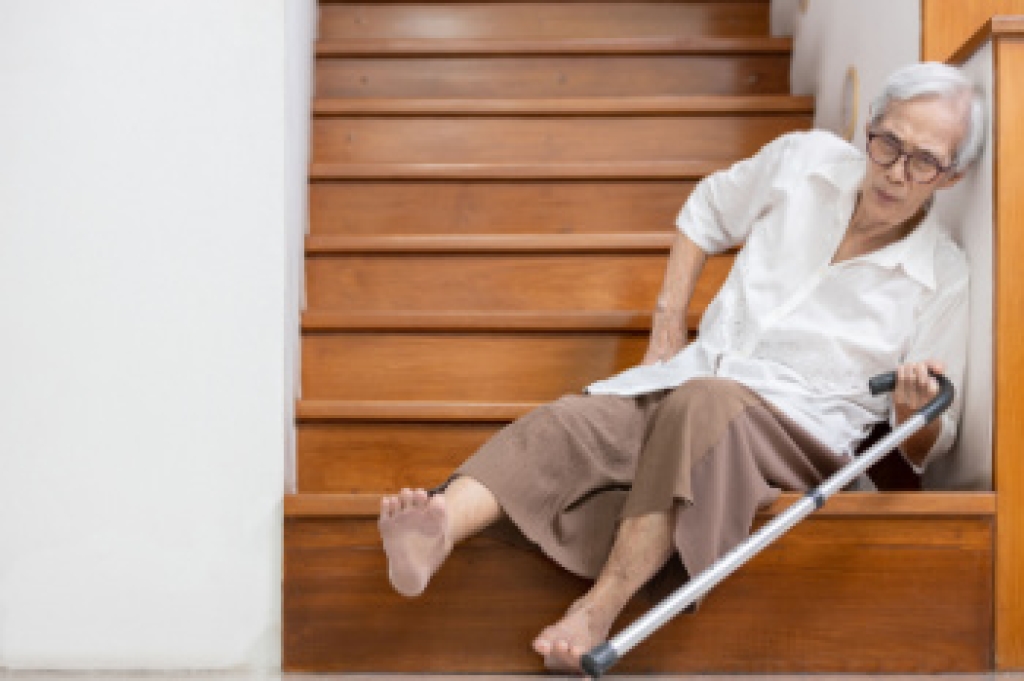
Falls can happen in an instant, often resulting from a trip on a rug or a slip on a wet floor. For older adults, these incidents can lead to serious medical complications. Every year, emergency rooms treat 3 million older individuals for fall-related injuries. Reports show that one out of five falls causes significant harm such as broken bones or head injuries. Age-related changes like reduced bone density, slower reaction times, and balance issues increase the likelihood of injury from falls. To reduce the risk, it is essential to safety-proof the home environment. Begin by ensuring that the bed height allows feet to rest flat on the floor. Use a bed cane for assistance and keep a walker nearby. Remove clutter from floors and stairs, clear pathways, and eliminate throw rugs. Install grab bars in bathrooms and railings on stairways for added support. Update lighting by replacing bulbs with brighter ones and adding nightlights in critical areas. Finally, check footwear to ensure that your shoes fit properly, are comfortable, and provide adequate support. A podiatrist can offer valuable advice on proper footwear and foot health to help prevent falls. If you are experiencing frequent falls at home, it is suggested that you make an appointment with a podiatrist for an exam and treatment options.

Preventing falls among the elderly is very important. If you are older and have fallen or fear that you are prone to falling, consult with one of our podiatrists from New Jersey Foot & Ankle Centers. Our doctors will assess your condition and provide you with quality advice and care.

Every 11 seconds, an elderly American is being treated in an emergency room for a fall related injury. Falls are the leading cause of head and hip injuries for those 65 and older. Due to decreases in strength, balance, senses, and lack of awareness, elderly persons are very susceptible to falling. Thankfully, there are a number of things older persons can do to prevent falls.

How to Prevent Falls

Some effective methods that older persons can do to prevent falls include:

  • Enrolling in strength and balance exercise program to increase balance and strength
  • Periodically having your sight and hearing checked
  • Discuss any medications you have with a doctor to see if it increases the risk of falling
  • Clearing the house of falling hazards and installing devices like grab bars and railings
  • Utilizing a walker or cane
  • Wearing shoes that provide good support and cushioning
  • Talking to family members about falling and increasing awareness

Falling can be a traumatic and embarrassing experience for elderly persons; this can make them less willing to leave the house, and less willing to talk to someone about their fears of falling. Doing such things, however, will increase the likelihood of tripping or losing one’s balance. Knowing the causes of falling and how to prevent them is the best way to mitigate the risk of serious injury.  

If you have any questions, please feel free to contact our office located in Oradell, NJ . We offer the newest diagnostic and treatment technologies for all your foot care needs.

Read more about Falls Prevention

Causes of Pain in the Big Toe Joint

Big toe pain frequently affects the metatarsophalangeal, or MTP, joint. One common cause of big toe pain is biomechanical issues, where improper alignment of bones, ligaments, and tendons leads to increased pressure on the joint. This misalignment may be due to poor posture or wearing ill-fitting shoes. It can shift weight distribution and result in inflammation and cartilage damage. Conditions like bunions and turf toe exemplify biomechanical problems. Bunions occur when the big toe pushes against the second toe creating a bump on the side of the foot. Turf toe is an injury from overextending the big toe by pushing off it with force, common among athletes. Another significant cause of MTP joint pain is arthritis, including gout, osteoarthritis, rheumatoid arthritis, and psoriatic arthritis. Gout is caused by uric acid crystals accumulating in the joint, leading to flare-ups of intense pain. Osteoarthritis involves cartilage breakdown that causes bones to grind together. Rheumatoid arthritis and psoriatic arthritis are autoimmune conditions that result in joint inflammation. Risk factors for MTP joint pain can include chronic inflammatory conditions, poor footwear choices, and abnormal foot positioning. If you are experiencing joint pain in the big toe, it is suggested that you schedule an appointment with a podiatrist for an exam and treatment options.

Toe pain can disrupt your daily activities. If you have any concerns, contact one of our podiatrists of New Jersey Foot & Ankle Centers. Our doctors can provide the care you need to keep you pain-free and on your feet.

What Causes Toe Pain?

Most severe toe pain is caused due to a sports injury, trauma from dropping something heavy on the toe, or bumping into something rigid. Other problems can develop over time for various reasons.

Toe pain can be caused by one or more ailments. The most common include:

  • Trauma
  • Sports injury
  • Wearing shoes that are too tight
  • Arthritis
  • Gout
  • Corns and calluses
  • Hammertoe
  • Bunions
  • Blisters
  • Ingrown toenails
  • Sprains
  • Fractures (broken bones)
  • Dislocations

When to See a Podiatrist

  • Severe pain
  • Persistent pain that lasts more than a week
  • Signs of infection
  • Continued swelling
  • Pain that prevents walking

Diagnosis

In many cases the cause of toe pain is obvious, but in others, a podiatrist may want to use more advanced methods to determine the problem. These can range from simple visual inspections and sensation tests to X-rays and MRI scans. Prior medical history, family medical history, and any recent physical traumatic events will all be taken into consideration for a proper diagnosis.

Treatment

Treatments for toe pain and injuries vary and may include shoe inserts, padding, taping, medicines, injections, and in some cases, surgery. If you believe that you have broken a toe, please see a podiatrist as soon as possible.

If you have any questions please contact our office located in Oradell, NJ . We offer the newest diagnostic and treatment technologies for all your foot and ankle needs.

Read more about Toe Pain

Connect With Us

Book Online