
Painful deformities, such as hammertoes, can be treated. Stop living with foot pain, and have beautiful feet again!
Painful deformities, such as hammertoes, can be treated. Stop living with foot pain, and have beautiful feet again!
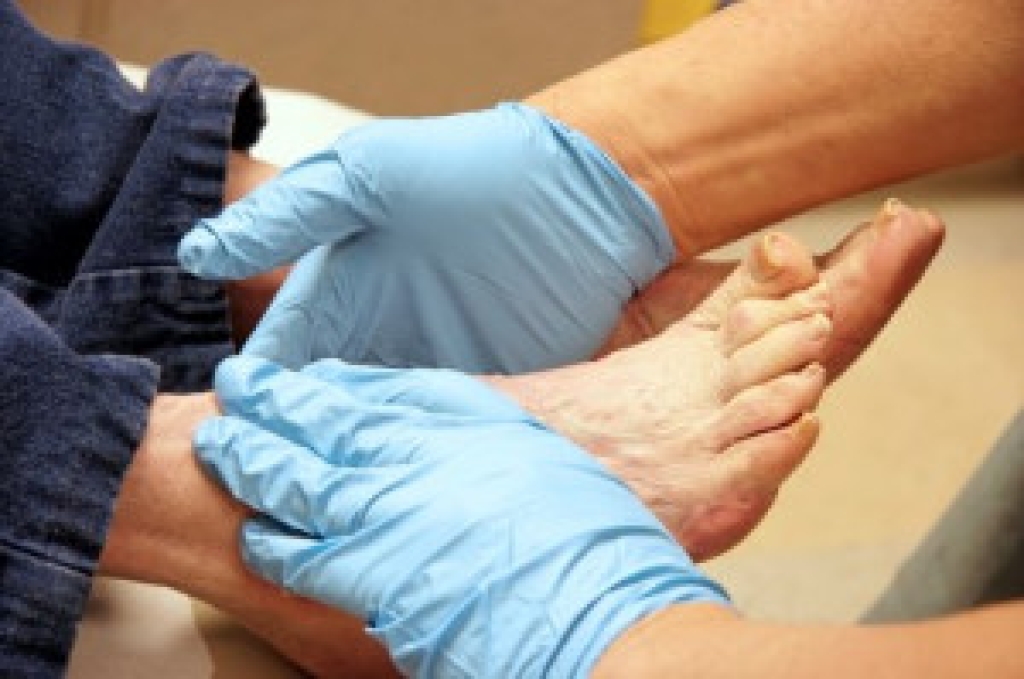
Diabetics are at risk for neuropathy and peripheral arterial disease, or PAD, which can create many foot problems including dry skin, cracks in the feet/heels, and foot ulcers. Since neuropathy involves loss of sensation in the feet, someone who is afflicted may not feel or notice problems developing on their feet. Foot ulcers can occur due to an increase in stress on the feet (stress from overuse or shoes that do not fit properly), impaired skin, limited joint mobility causing abnormal walking patterns, as well as injury to the foot. It is said that PAD can reduce blood flow to the skin, which may compromise its biomechanical properties, reduce its ability to heal wounds, damage its immune system, and possibly lead to severe infections. Foot sores that are left unnoticed can become infected, and in severe cases, this could lead to gangrene and amputation. It is important to see a podiatrist for regular foot care, especially if you notice sores on your feet or are diabetic.
Limb salvage can be an effective way in preventing the need for limb amputation. If you have diabetes, cancer, or any other condition that could lead to foot amputation if left unchecked, consult with one of our podiatrists from New Jersey Foot & Ankle Centers. Our doctors will assess your condition and provide you with quality foot and ankle treatment.
What Is Limb Salvage?
Limb salvage is the attempt of saving a limb, such as the foot from amputation. Podiatrists also try to make sure that there is enough function in the foot after the salvage that it is still usable. Diabetes is the number one cause of non-traumatic amputations in the United States. Those with diabetes experience poor blood circulation, which prevents proper healing of an ulcer. If the ulcer is left uncheck, it could become infected, which could result in the need for amputation.
However, there are other causes as well, such as cancer and traumatic injury. Links between higher mortality rates and amputation have been found. This translates into higher healthcare costs, and a reduced quality of life and mobility for amputees. Podiatrists have attempted to increase the prevalence of limb salvage in an attempt to solve these issues.
Diagnosis and Treatment
Limb salvage teams have grown in recent years that utilize a number of different treatments to save the infected limb. This includes podiatrists that specialize in wound care, rehabilitation, orthotics, and surgery. Through a combination of these methods, limb salvage has been found to be an effective treatment for infected limbs, and as an alternative to amputation. Podiatrists will first evaluate the potential for limb salvage and determine if the limb can be saved or must be amputated.
If you have any questions, please feel free to contact our office located in Oradell, NJ . We offer the newest diagnostic and treatment technologies for all your foot care needs.

Arthritis in the first metatarsal phalangeal (MTP) or big toe joint is common, particularly as one begins to age. We use our feet to get us through life and normal walking, other movements, and wearing high heeled or improperly fitting shoes can stress the main joint of the big toe. Osteoarthritis or Hallux Rigidus is the most common arthritic condition affecting this joint and it can be quite painful and limit movement. The big toe may also become stiff and swollen. The best treatment for this condition is a fusion of the joint. The procedure fuses or welds together the two bones that make up the aching joint. It does not make the toe less stiff or restore motion, but it relieves the pain. An alternative procedure is a joint replacement of the big toe, but it is not ideal because the use of metal and plastic has not been successful in this type of joint replacement. It is not predictable in relieving pain, and repeated force on the joint with each step makes it less long-lasting than bigger joints, like the knee and hip. Options for treatment of a failed replacement are limited and may be replaced with bone grafting and joint fusion. If you suffer from pain in the joints of the big toe, consult with a podiatrist for the best treatment plan for you.
In certain cases, in which the patient suffers from extreme pain or damage in a joint, joint replacement surgery may be deemed useful. If you have constant pain in a foot joint, consult with one of our podiatrists from New Jersey Foot & Ankle Centers. Our doctors will assess your condition and provide you with quality foot and ankle treatment.
What Is Joint Replacement Surgery?
Over time, joints wear down; this can be exacerbated by diseases and conditions. Joint replacement surgery, also known as arthroplasty, is when a damaged joint is surgically removed and replaced with a prosthesis. Prostheses, which can be made of ceramic, plastic, or metal, act as joints in lieu of an actual joint. One of the most prevalent causes for joint replacement is arthritis.
Arthritis in the Foot
Arthritis can occur in any joint in the body, including in the feet. Common types of arthritis in the foot are osteoarthritis, rheumatoid arthritis, and gout. The big toe is usually where arthritis occurs in the foot; this is known as hallux rigidus.
Joint Replacement Surgery in the Foot
The most common form of joint replacement in the foot is a first metatarsophalangeal (MTP) joint placement. MTP joint replacement surgery is designed to treat hallux rigidus. Surgery is not intensive, and recovery occurs within one to two months after the procedure has been done. Overall, joint replacement surgery is a safe and effective way to treat pain in the joint of the foot.
If you have any questions, please feel free to contact our office located in Oradell, NJ . We offer the newest diagnostic and treatment technologies for all your foot care needs.
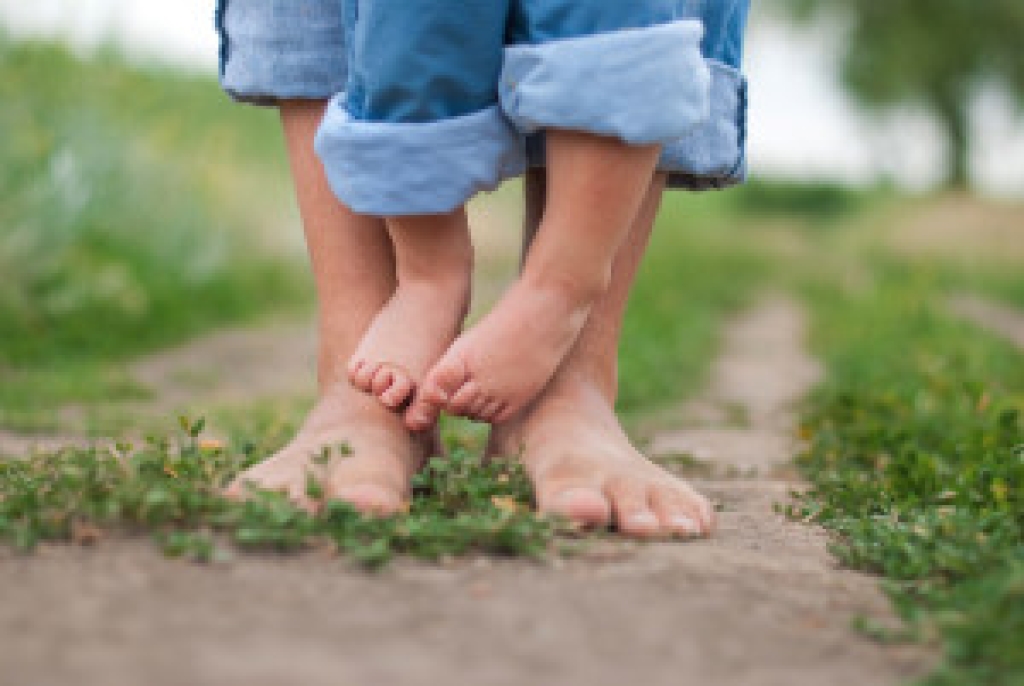
Newborns' feet are mostly fatty tissue that progresses into bone as the aging process occurs. Most babies are born with flat feet, and the arch generally develops during the school years. Research has shown it is beneficial for young children to walk barefoot, as this may help to strengthen the overall foot. Additionally, walking barefoot may help to toughen the soles of the feet. Studies have shown parents may have to guide their children to walk on different surfaces, including dirt, gravel, sand, and carpet. If you would like more information about why your child can benefit from walking barefoot, please consult with a podiatrist.
Making sure that your children maintain good foot health is very important as they grow. If you have any questions, contact one of our podiatrists of New Jersey Foot & Ankle Centers. Our doctors can provide the care you need to keep you pain-free and on your feet.
Keeping Children's Feet Healthy
Having healthy feet during childhood can help prevent medical problems later in life, namely in the back and legs. As children grow, their feet require different types of care. Here are some things to consider...
Although babies do not walk yet, it is still very important to take care of their feet.
Avoid putting tight shoes or socks on his or her feet.
Allow the baby to stretch and kick his or her feet to feel comfortable.
As a toddler, kids are now on the move and begin to develop differently. At this age, toddlers are getting a feel for walking, so don’t be alarmed if your toddler is unsteady or ‘walks funny’.
As your child gets older, it is important to teach them how to take care of their feet.
Show them proper hygiene to prevent infections such as fungus.
Be watchful for any pain or injury.
Have all injuries checked by a doctor as soon as possible.
Comfortable, protective shoes should always be worn, especially at play.
If you have any questions, please feel free to contact our office located in Oradell, NJ . We offer the newest diagnostic and treatment technologies for all your foot care needs.
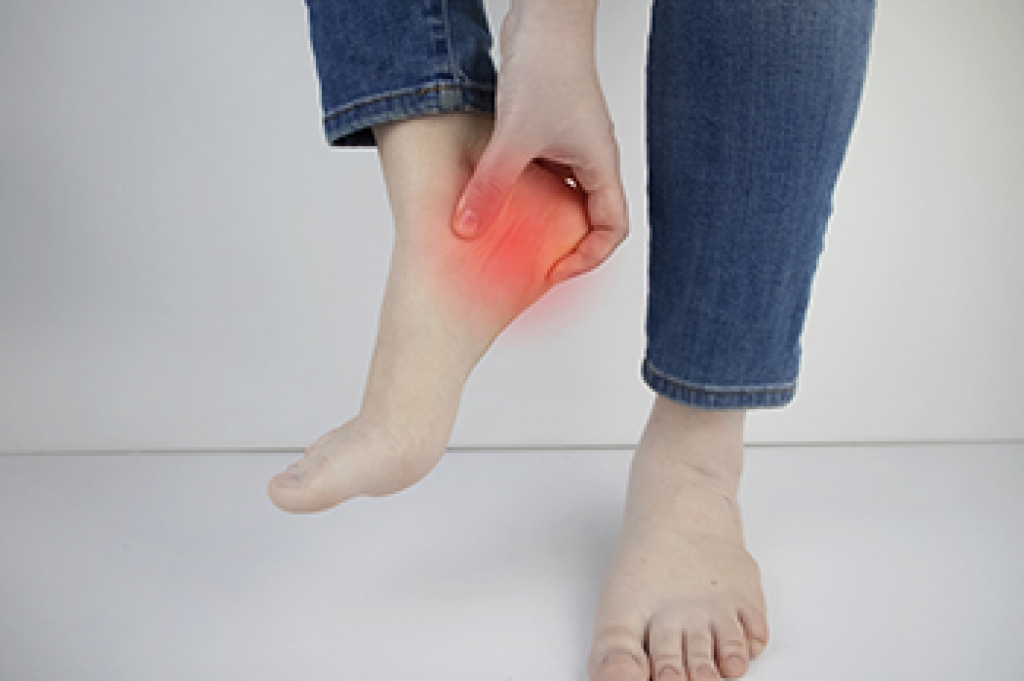 The band of tissue located on the bottom of the foot is known as the plantar fascia. Its function is to connect the toes to the heel, and plantar fasciitis can develop when this tissue becomes irritated. It may be caused by obesity, wearing shoes that do not fit correctly, or if an injury has occurred. The pain associated with plantar fasciitis is typically felt on the bottom of the foot, often making it painful to walk. Many patients notice that discomfort is more severe in the morning after arising but may feel better when the foot is elevated. Additional reasons why this condition may occur include standing for long periods of time, a recent change in activities, or other conditions, such as flat feet or high arches. Mild relief may be found by performing specific stretches that can strengthen the foot muscles. These include grabbing a towel with the toes and dragging it across the floor. Patients who have plantar fasciitis are wise to be under the care of a podiatrist who can offer correct treatment techniques that can provide permanent relief.
Plantar fasciitis is a common foot condition that is often caused by a strain injury. If you are experiencing heel pain or symptoms of plantar fasciitis, contact one of our podiatrists from New Jersey Foot & Ankle Centers. Our doctors can provide the care you need to keep you pain-free and on your feet.
What Is Plantar Fasciitis?
Plantar fasciitis is one of the most common causes of heel pain. The plantar fascia is a ligament that connects your heel to the front of your foot. When this ligament becomes inflamed, plantar fasciitis is the result. If you have plantar fasciitis you will have a stabbing pain that usually occurs with your first steps in the morning. As the day progresses and you walk around more, this pain will start to disappear, but it will return after long periods of standing or sitting.
What Causes Plantar Fasciitis?
There are some risk factors that may make you more likely to develop plantar fasciitis compared to others. The condition most commonly affects adults between the ages of 40 and 60. It also tends to affect people who are obese because the extra pounds result in extra stress being placed on the plantar fascia.
Prevention
There are a variety of treatment options available for plantar fasciitis along with the pain that accompanies it. Additionally, physical therapy is a very important component in the treatment process. It is important that you meet with your podiatrist to determine which treatment option is best for you.
If you have any questions, please feel free to contact our office located in Oradell, NJ . We offer the newest diagnostic and treatment technologies for all your foot care needs.
Connect With Us
