
Can I Run After Foot or Ankle Surgery?

Runners, especially those who run long distances regularly, often get injured. Serious injuries can lead to surgery, either on the foot or the ankle. The question of when you can safely resume running depends on the type of injury and the site of the surgery. For anyone who has had a total ankle joint replacement, for instance, running will most likely be prohibited. As for other injuries, you may not be able to reach the previous levels or length or frequency of running you once enjoyed. As a rule, it takes about one year to fully recover from major foot surgery, because of swelling, gait asymmetry, and reduced muscle strength. Eventually, you may be able to ease back into activity, if you run only on soft surfaces and wear shoes that adequately cushion your feet. To be on the safe side, it is a good idea to check in frequently with a podiatrist who can evaluate your healing progress and guide you on how far and how often you can safely run again.

Exercising your feet regularly with the proper foot wear is a great way to prevent injuries. If you have any concerns about your feet, contact one of our podiatrists of New Jersey Foot & Ankle Centers. Our doctors will treat your foot and ankle needs.

How to Prevent Running Injuries

Many common running injuries are caused by overuse and overtraining. When the back of the kneecap starts wearing out and starts causing pain in your knee, this is commonly referred to as runner’s knee. Runner’s knee is a decrease in strength in your quadriceps and can occur if you’re not wearing properly fitted or supporting shoes. To prevent runner’s knee, focusing on hip strengthening is a good idea, as well as strengthening your quads to keep the kneecaps aligned.

What Are Some Causes of Running Injuries? 
- One cause of a common running injury is called iliotibial band syndrome.
- Plantar fasciitis is also another common injury.
- Stress fractures can occur from overtraining, lack of calcium, or even your running style.

Best Ways to Prevent Running Injuries
- Wear footwear that fits properly and suits your running needs.
- Running shoes are the only protective gear that runners have to safeguard them from injury.
- Make a training schedule. Adding strengthening exercises as well as regular stretching can help keep you strong and limber and can lessen the possibility of injuries.
- Stretching keeps muscles limber; this will help you gain better flexibility.

If you have any questions, please feel free to contact our office located in Oradell, NJ . We offer the newest diagnostic and treatment technologies for all your foot care needs.

Read more about How to Prevent Running Injuries

We Can Treat Your Foot or Ankle Pain

Foot or ankle pain can negatively affect your day-to-day life and can occur due to several different conditions. Pain can also be an indicator of a more serious underlying condition, which is why you should seek professional help as soon as you notice any abnormalities in your feet.

What Is Wound Debridement?

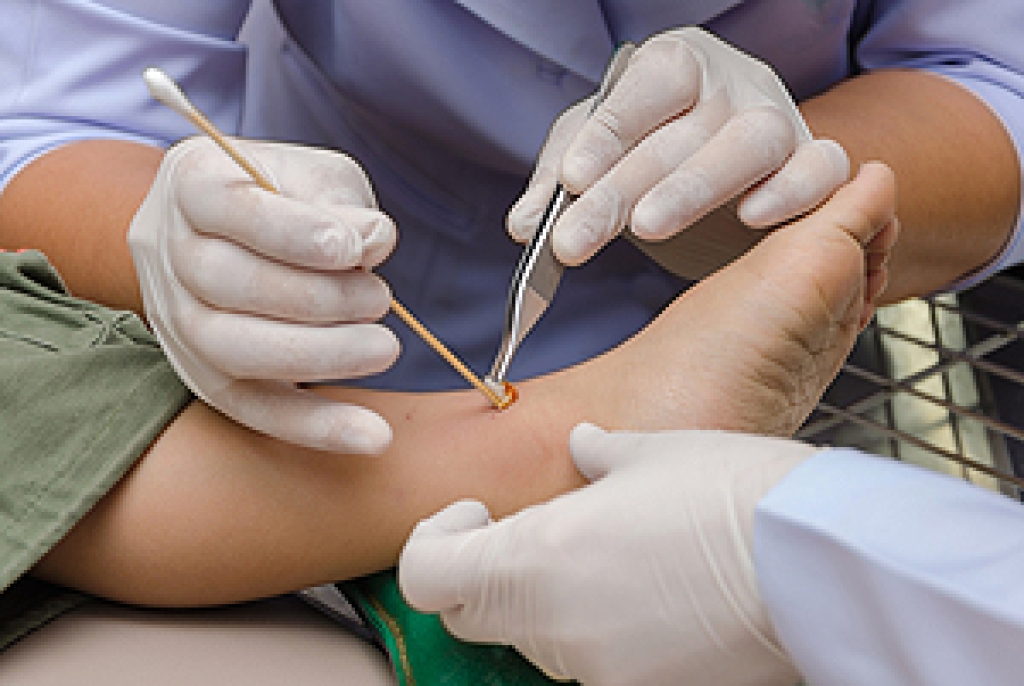
A diabetic foot ulcer (DFU) is a type of wound that can develop on the lower limbs of people with diabetes. These wounds typically heal slowly and poorly and are at an increased risk of becoming infected. Sometimes debridement is necessary to treat a DFU. Debridement is the process of removing dead or damaged skin, tissue, and debris from a wound to help it heal. During debridement, the podiatrist will clean and disinfect the wound, then probe it with a metal instrument to check how deep the wound is and if there are any foreign objects in it. The podiatrist will then cut away dead tissues and wash out the DFU. This is generally done under local or general anesthesia. Not all debridement involves cutting away dead tissues. Depending on the needs of the patient, it may also be possible to debride the wound with special enzymes, dressings, and more. If you have DFUs, it is suggested that you are under the care of a podiatrist.

Wound care is an important part in dealing with diabetes. If you have diabetes and a foot wound or would like more information about wound care for diabetics, consult with one of our podiatrists from New Jersey Foot & Ankle Centers. Our doctors will assess your condition and provide you with quality foot and ankle treatment.

What Is Wound Care?

Wound care is the practice of taking proper care of a wound. This can range from the smallest to the largest of wounds. While everyone can benefit from proper wound care, it is much more important for diabetics. Diabetics often suffer from poor blood circulation which causes wounds to heal much slower than they would in a non-diabetic. 

What Is the Importance of Wound Care?

While it may not seem apparent with small ulcers on the foot, for diabetics, any size ulcer can become infected. Diabetics often also suffer from neuropathy, or nerve loss. This means they might not even feel when they have an ulcer on their foot. If the wound becomes severely infected, amputation may be necessary. Therefore, it is of the upmost importance to properly care for any and all foot wounds.

How to Care for Wounds

The best way to care for foot wounds is to prevent them. For diabetics, this means daily inspections of the feet for any signs of abnormalities or ulcers. It is also recommended to see a podiatrist several times a year for a foot inspection. If you do have an ulcer, run the wound under water to clear dirt from the wound; then apply antibiotic ointment to the wound and cover with a bandage. Bandages should be changed daily and keeping pressure off the wound is smart. It is advised to see a podiatrist, who can keep an eye on it.

If you have any questions please contact our office located in Oradell, NJ . We offer the newest diagnostic and treatment technologies for all your foot and ankle needs.

Read more about Wound Care

What You Should Know if You Have Heel Pain

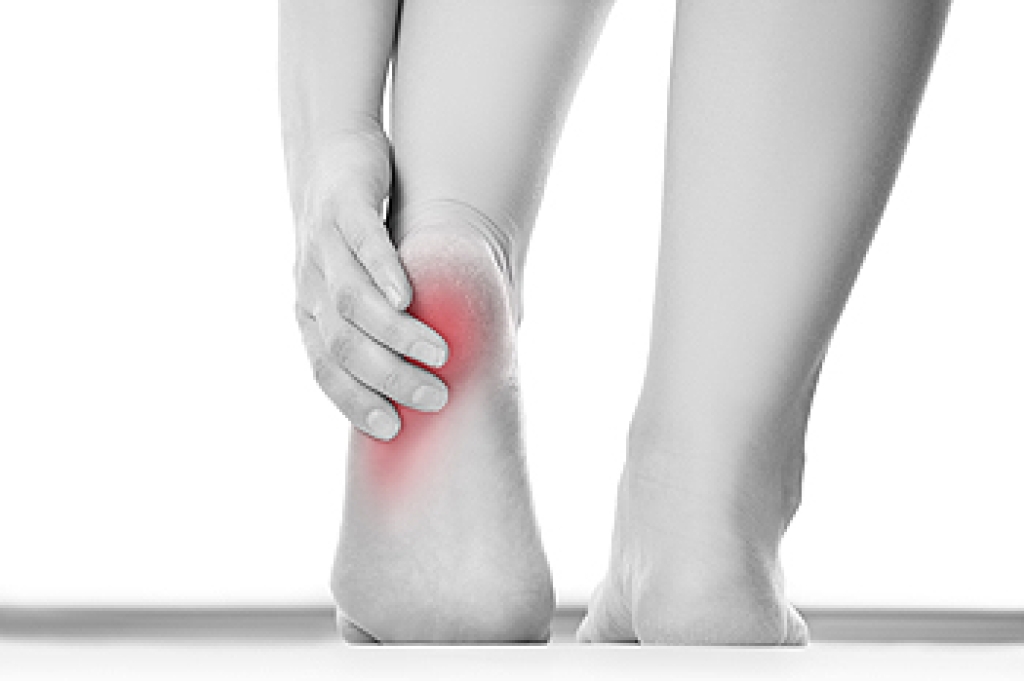
If you have heel pain, you may have come across the medical term plantar fascia. This is a strong, fairly inflexible connective tissue on the bottom of the foot that connects the heel bone with the toes. When this tissue becomes damaged or torn, it is known as plantar fasciitis, a painful inflammation of the plantar fascia. There is a good chance that your heel pain may be caused by plantar fasciitis, as this is the most common form of heel pain. What caused your plantar fasciitis? Perhaps you run or walk quite a bit or have the type of job that requires you to stand for all or most of the day. Maybe you regularly wear flip-flops, high heels or other footwear that does not offer adequate support or cushioning. Arthritis can contribute to the development of plantar fasciitis, as well as tight calf muscles, high arches, flat feet, or other conditions you may have that cause an imbalance in the biomechanics of your feet. You may even be pregnant or carrying some extra weight, which can stress the plantar fascia. Whatever the reason is for your heel pain, you should know that help is available. You don’t need to learn to live with heel pain, especially if it is caused by plantar fasciitis. Podiatrists treat people with plantar fasciitis every day, and can offer you various forms of treatment to provide the relief you are looking for.

Plantar fasciitis can be very painful and inconvenient. If you are experiencing heel pain or symptoms of plantar fasciitis, contact one of our podiatrists  from New Jersey Foot & Ankle Centers. Our doctors can provide the care you need to keep you pain-free and on your feet.

What Is Plantar Fasciitis?

Plantar fasciitis is the inflammation of the thick band of tissue that runs along the bottom of your foot, known as the plantar fascia, and causes mild to severe heel pain.

What Causes Plantar Fasciitis?

  • Excessive running
  • Non-supportive shoes
  • Overpronation
  • Repeated stretching and tearing of the plantar fascia

How Can It Be Treated?

  • Conservative measures – anti-inflammatories, ice packs, stretching exercises, physical therapy, orthotic devices
  • Shockwave therapy – sound waves are sent to the affected area to facilitate healing and are usually used for chronic cases of plantar fasciitis
  • Surgery – usually only used as a last resort when all else fails. The plantar fascia can be surgically detached from the heel

While very treatable, plantar fasciitis is definitely not something that should be ignored. Especially in severe cases, speaking to your doctor right away is highly recommended to avoid complications and severe heel pain. Your podiatrist can work with you to provide the appropriate treatment options tailored to your condition.

If you have any questions, please feel free to contact our office located in Oradell, NJ . We offer the newest diagnostic and treatment technologies for all your foot care needs.
Read more about Plantar Fasciitis

What to Do for Cracked Heels

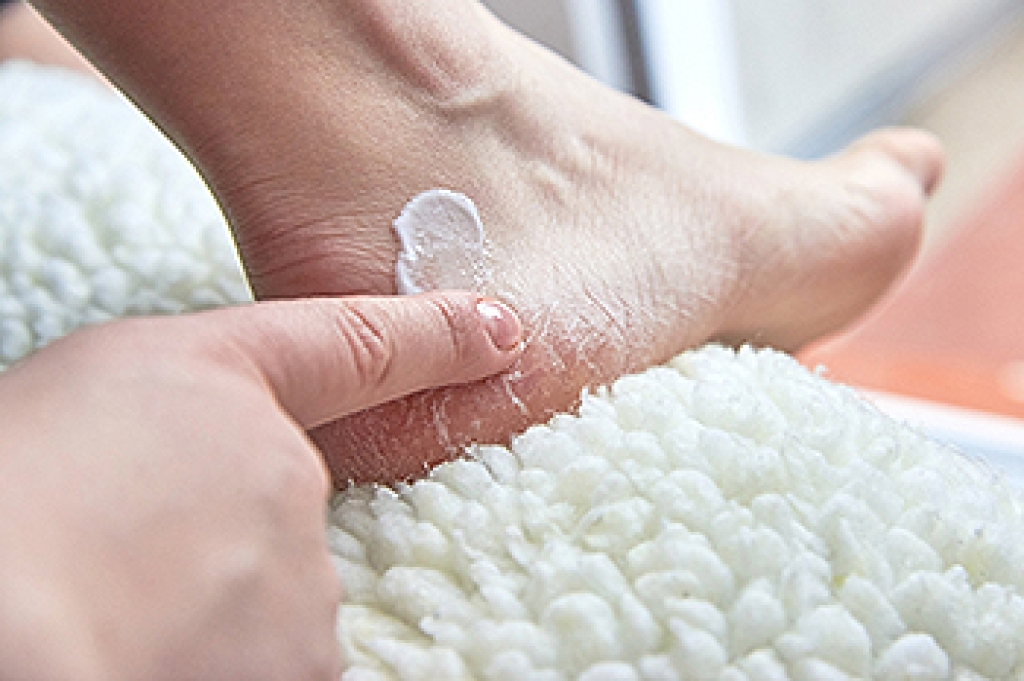
Heel fissures, also known as cracked heels, are the result of splitting and cracking on the skin of the heel. As the skin on the heel dries out, it loses its strength and elasticity, and it gets hard, dry, and flaky. Cracked heels can have a variety of causes that include standing for long periods of time, wearing shoes that don’t fit correctly, cold/dry weather, or obesity. If you are struggling with dry and cracked heels, applying moisturizer to the heels is the first key step in dealing with the situation. It is also important to use a pumice stone and/or liquid bandage on the affected area as well as avoiding harsh soaps and long harsh showers. In severe cases, cracked heels may require the help of a podiatrist who can help remove dead skin, prescribe stronger medicine, prescribe antibiotics, and suggest shoe inserts or heel pads. Therefore, if you are struggling with cracked heels don’t hesitate to visit a podiatrist for treatment recommendations.  

If the skin on your feet starts to crack, you may want to see a podiatrist to find treatment. If you have any concerns, contact one of our podiatrists from New Jersey Foot & Ankle Centers. Our doctors can provide the care you need to keep you pain-free and on your feet.

Cracked Heels

It is important to moisturize your cracked heels in order to prevent pain, bleeding, and infection. The reason cracked heels form is because the skin on the foot is too dry to support the immense pressure placed on them. When the foot expands, the dry skin on the foot begins to split.

Ways to Help Heal Them

  • Invest in a good foot cream
  • Try Using Petroleum Jelly
  • Ease up on Soaps
  • Drink Plenty of Water

Ways to Prevent Cracked Heels

  • Moisturize After Showering
  • Skip a Shower
  • Keep Shower Water Lukewarm
  • Don’t Scrub Your Feet

If you are unsure how to proceed in treating cracked heels, seek guidance from a podiatrist. Your doctor will help you with any questions or information you may need. 

If you have any questions, please feel free to contact our office located in Oradell, NJ . We offer the newest diagnostic and treatment technologies for all your foot care needs.
Read more about Solutions for Cracked Heels

Connect With Us

Book Online