Why Does My Ankle Feel Unstable?

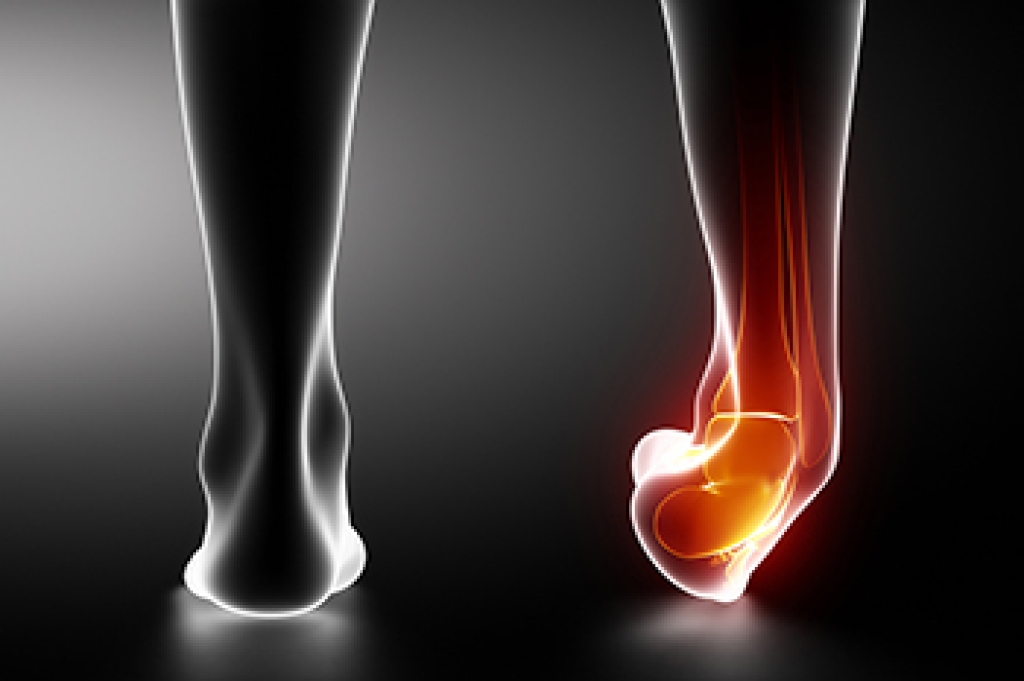
Many athletes, and others, who have previously sprained an ankle, may frequently experience their ankle giving way on the outer side. This may be a case of chronic ankle instability. The condition normally occurs when doing an activity, but in some cases it can happen even while you are standing still. Symptoms include turning the ankle during sports or other activities, swelling, pain, and a wobbly feeling in the ankle. This instability may be caused by stretched ligaments from a sprain that has not fully healed. Treatment can involve exercises to strengthen the muscles around the affected area, wearing a brace to increase joint support, and taking certain medications. It would be wise to consult a podiatrist if you are experiencing ankle instability to determine the extent of treatment that is necessary. In some cases, surgery may be an alternative, and after an exam your podiatrist can review the options.

Ankle pain can be caused by a number of problems and may be potentially serious. If you have ankle pain, consult with one of our podiatrists from New Jersey Foot & Ankle Centers. Our doctors will assess your condition and provide you with quality foot and ankle treatment.

Ankle pain is any condition that causes pain in the ankle. Due to the fact that the ankle consists of tendons, muscles, bones, and ligaments, ankle pain can come from a number of different conditions.

Causes

The most common causes of ankle pain include:

  • Types of arthritis (rheumatoid, osteoarthritis, and gout)
  • Ankle sprains
  • Broken ankles
  • Achilles tendonitis
  • Achilles tendon rupture
  • Stress fractures
  • Bursitis
  • Tarsal tunnel syndrome
  • Plantar fasciitis

Symptoms

Symptoms of ankle injury vary based upon the condition. Pain may include general pain and discomfort, swelling, aching, redness, bruising, burning or stabbing sensations, and/or loss of sensation.

Diagnosis

Due to the wide variety of potential causes of ankle pain, podiatrists will utilize a number of different methods to properly diagnose ankle pain. This can include asking for personal and family medical histories and of any recent injuries. Further diagnosis may include sensation tests, a physical examination, and potentially x-rays or other imaging tests.

Treatment

Just as the range of causes varies widely, so do treatments. Some more common treatments are rest, ice packs, keeping pressure off the foot, orthotics and braces, medication for inflammation and pain, and surgery.

If you have any questions please feel free to contact our office located in Oradell, NJ . We offer the newest diagnostic tools and technology to treat your foot and ankle needs.


Read more about Ankle Pain

Causes and Symptoms of Diabetic Neuropathy

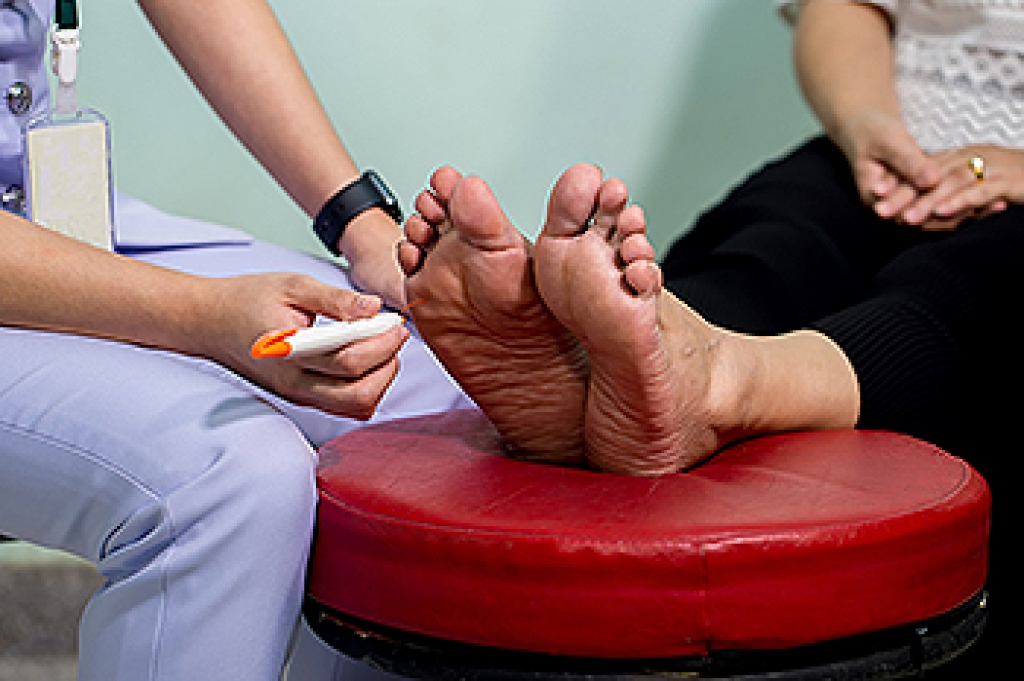
There are three kinds of diabetic neuropathy, caused by prolonged high blood sugar levels that can damage nerves throughout your body. Peripheral neuropathy damages nerves on the extremity – arms and hands, as well as the legs and feet. This can lead to serious foot problems that get worse slowly over months, and possibly years. Autonomic neuropathy affects the central nervous system, while focal neuropathy targets one particular nerve, usually in the wrist, thigh or foot. One of the main symptoms of diabetic neuropathy is the absence of feeling in the toes and feet. This can be a cause for concern, as sores  or other injuries may go unnoticed. It’s a good idea to check your feet daily for areas that may cause problems. Unfortunately, it is often the case that they go unnoticed until the problem worsens. The main way to prevent this condition from developing in the first place is to monitor blood sugar levels every day. It’s also a good idea to maintain a healthy body weight, eat nutritious foods, and avoid alcoholic beverages. If you think you may have diabetic neuropathy, it’s a good idea to make an appointment with a podiatrist who can conduct a screening and determine the best course of treatment for your foot health.

Neuropathy

Neuropathy can be a potentially serious condition, especially if it is left undiagnosed. If you have any concerns that you may be experiencing nerve loss in your feet, consult with one of our podiatrists from New Jersey Foot & Ankle Centers. Our doctors will assess your condition and provide you with quality foot and ankle treatment for neuropathy.

What Is Neuropathy?

Neuropathy is a condition that leads to damage to the nerves in the body. Peripheral neuropathy, or neuropathy that affects your peripheral nervous system, usually occurs in the feet. Neuropathy can be triggered by a number of different causes. Such causes include diabetes, infections, cancers, disorders, and toxic substances.

Symptoms of Neuropathy Include:

  • Numbness
  • Sensation loss
  • Prickling and tingling sensations
  • Throbbing, freezing, burning pains
  • Muscle weakness

Those with diabetes are at serious risk due to being unable to feel an ulcer on their feet. Diabetics usually also suffer from poor blood circulation. This can lead to the wound not healing, infections occurring, and the limb may have to be amputated.

Treatment

To treat neuropathy in the foot, podiatrists will first diagnose the cause of the neuropathy. Figuring out the underlying cause of the neuropathy will allow the podiatrist to prescribe the best treatment, whether it be caused by diabetes, toxic substance exposure, infection, etc. If the nerve has not died, then it’s possible that sensation may be able to return to the foot.

Pain medication may be issued for pain. Electrical nerve stimulation can be used to stimulate nerves. If the neuropathy is caused from pressure on the nerves, then surgery may be necessary.

If you have any questions, please feel free to contact our office located in Oradell, NJ . We offer the newest diagnostic and treatment technologies for all your foot care needs.

Read more about Neuropathy

Heel Pain in the Morning?

Heel pain can negatively affect your day-to-day life. Simple activities like walking can become incredibly uncomfortable or painful due to heel pain.

Don’t live with heel pain and get treated.

Differences between Hammer Toes, Claw Toes, and Mallet Toes

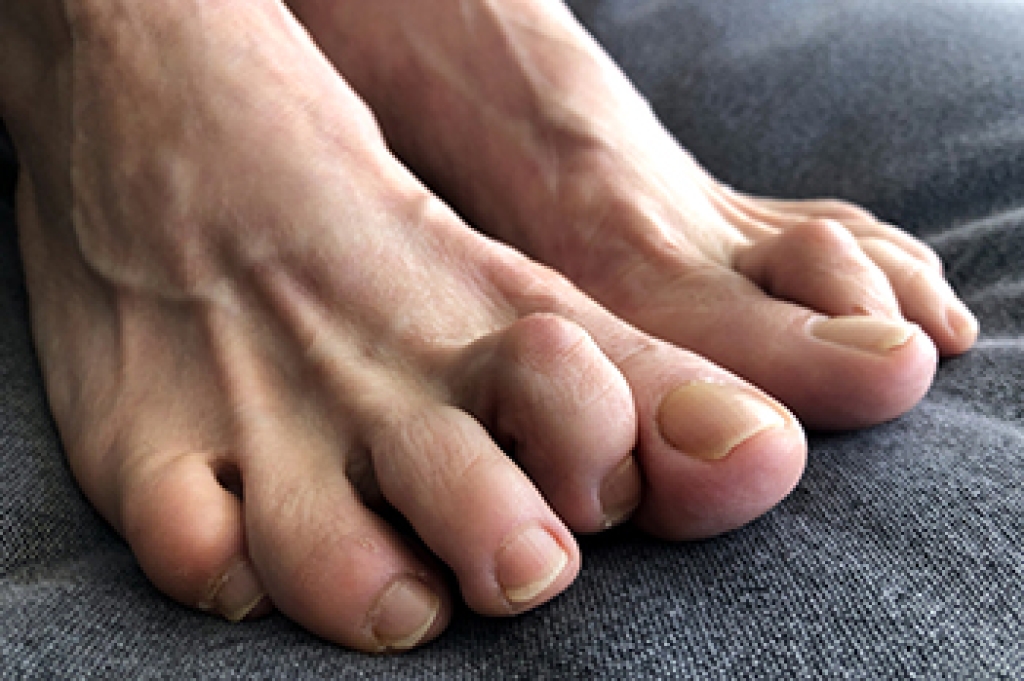
Hammertoes, claw toes, and mallet toes all result from the toes getting bent into odd positions. They usually look odd or unsightly, and they typically affect the smaller toes. When the toe is bent downward and the middle joint raises up, this is known as a hammertoe. This condition frequently affects the second toe and sometimes coincides with a bunion. Claw toes occur when the toes curl up due to the middle joints being bent down, and they often affect all four smaller toes at the same time. When the joint closest to the tip of the toe bends downward, it forms what is known as a mallet toe. Wearing shoes that are too tight is most commonly blamed for these conditions arising, but they can also be linked to diabetes or arthritis. These toe ailments can be quite painful, so patients who are struggling with one would be wise to consult with a podiatrist who can help find a treatment option and determine if surgery is necessary. 

Hammertoes can be a painful condition to live with. For more information, contact one of our podiatrists of New Jersey Foot & Ankle Centers. Our doctors will answer any of your foot- and ankle-related questions.

Hammertoe

Hammertoe is a foot deformity that occurs due to an imbalance in the muscles, tendons, or ligaments that normally hold the toe straight. It can be caused by the type of shoes you wear, your foot structure, trauma, and certain disease processes.

Symptoms

  • Painful and/or difficult toe movement
  • Swelling
  • Joint stiffness
  • Calluses/Corns
  • Physical deformity

Risk Factors

  • Age – The risk of hammertoe increases with age
  • Sex – Women are more likely to have hammertoe compared to men
  • Toe Length – You are more likely to develop hammertoe if your second toe is longer than your big toe
  • Certain Diseases – Arthritis and diabetes may make you more likely to develop hammertoe

Treatment

If you have hammertoe, you should change into a more comfortable shoe that provides enough room for your toes. Exercises such as picking up marbles may strengthen and stretch your toe muscles. Nevertheless, it is important to seek assistance from a podiatrist in order to determine the severity of your hammertoe and see which treatment option will work best for you.

If you have any questions, please feel free to contact our office located in Oradell, NJ . We offer the newest diagnostic and treatment technologies for all your foot care needs.

Read more about Hammertoe

Ways to Reduce Foot Problems for Diabetics

Most people associate diabetes with blood sugar and insulin levels, but many diabetics are also at risk for severe foot problems. Over time diabetes may cause nerve damage and this is commonly referred to as diabetic neuropathy. This condition can cause numbness, tingling, and pain in the feet. Once this develops you might not notice a cut or sore on the foot which could lead to an infection. Diabetes can also reduce blood flow to the feet making it even more difficult for a cut or infection to heal. Without treatment an infection may lead to gangrene, and in severe cases amputation of a toe or foot could be necessary. If you have diabetes there are ways to keep your feet healthy: inspect your feet every day for cuts, sores, scrapes, or any other changes; wash and dry your feet thoroughly; trim toenails straight across and not too short; wear socks and shoes that fit correctly; and elevate your feet while you are sitting. If you have foot wounds that won't heal, notice an odor coming from your feet, or see changes to the color or shape of your feet, it is strongly suggested that you seek the care of a podiatrist as soon as possible.

Diabetic foot care is important in preventing foot ailments such as ulcers. If you are suffering from diabetes or have any other concerns about your feet, contact one of our podiatrists from New Jersey Foot & Ankle Centers. Our doctors can provide the care you need to keep you pain-free and on your feet.

Diabetic Foot Care

Diabetes affects millions of people every year. The condition can damage blood vessels in many parts of the body, especially the feet. Because of this, taking care of your feet is essential if you have diabetes, and having a podiatrist help monitor your foot health is highly recommended.

The Importance of Caring for Your Feet

  • Routinely inspect your feet for bruises or sores.
  • Wear socks that fit your feet comfortably.
  • Wear comfortable shoes that provide adequate support.

Patients with diabetes should have their doctor monitor their blood levels, as blood sugar levels play such a huge role in diabetic care. Monitoring these levels on a regular basis is highly advised.

It is always best to inform your healthcare professional of any concerns you may have regarding your feet, especially for diabetic patients. Early treatment and routine foot examinations are keys to maintaining proper health, especially because severe complications can arise if proper treatment is not applied.

If you have any questions, please feel free to contact our office located in Oradell, NJ . We offer the newest diagnostic and treatment technologies for all your foot care needs.

Read more about Diabetic Foot Conditions

Connect With Us

Book Online