To RICE or Not to RICE?

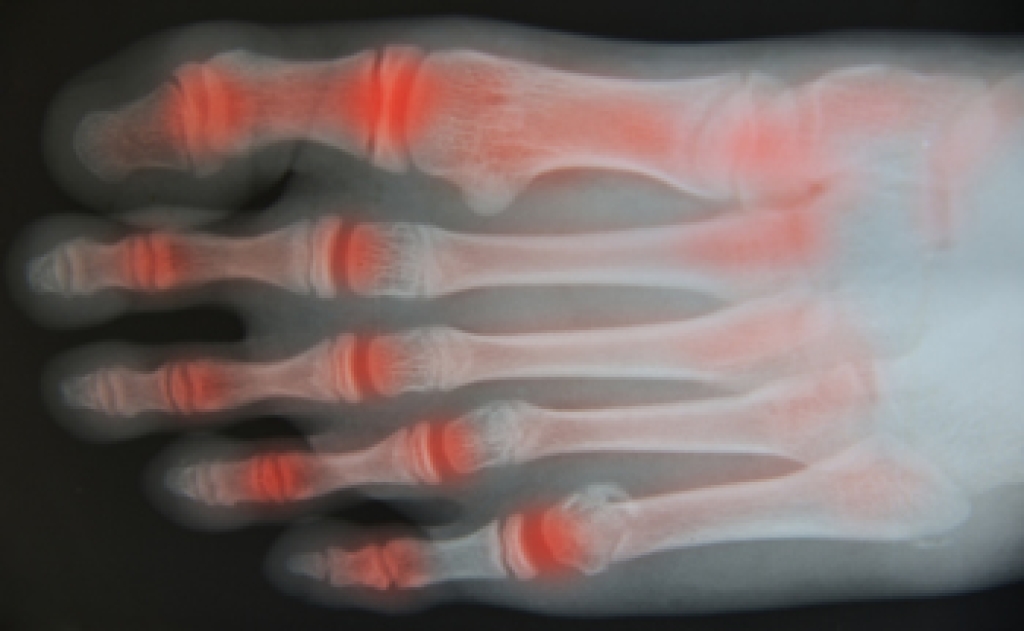
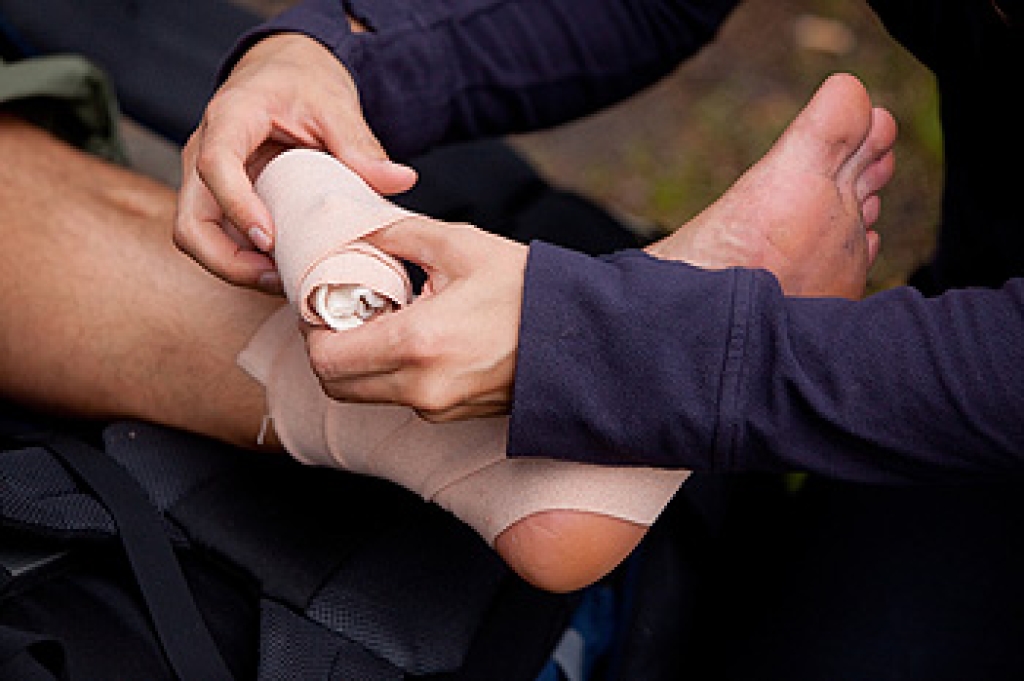
If you’ve ever been to a first aid class, you may have heard the term RICE. RICE is an acronym that stands for rest, ice, compress, and elevate. This simple acronym describes what you should do when faced with an injury, such as an ankle sprain. Resting the leg can help it heal by taking strain and pressure off the injured ankle. After a few days of rest, doing gentle stretching and strengthening exercises, with your doctor’s okay, may help speed recovery and reduce the risk of reinjury. Icing the injured ankle is suggested in order to reduce swelling and relieve pain. Compression helps decrease swelling and stabilizes the ankle. Elevating the injured ankle also reduces swelling, especially within the first few days following the injury. Whether to RICE or not RICE your sprained ankle depends on the location and severity of your injury. To find out what you should do to help your ankle heal, please consult with a podiatrist.

Although ankle sprains are common, they aren’t always minor injuries. If you need your ankle injury looked at, contact one of our podiatrists from New Jersey Foot & Ankle Centers. Our doctors can provide the care you need to keep you pain-free and on your feet.

How Does an Ankle Sprain Occur?

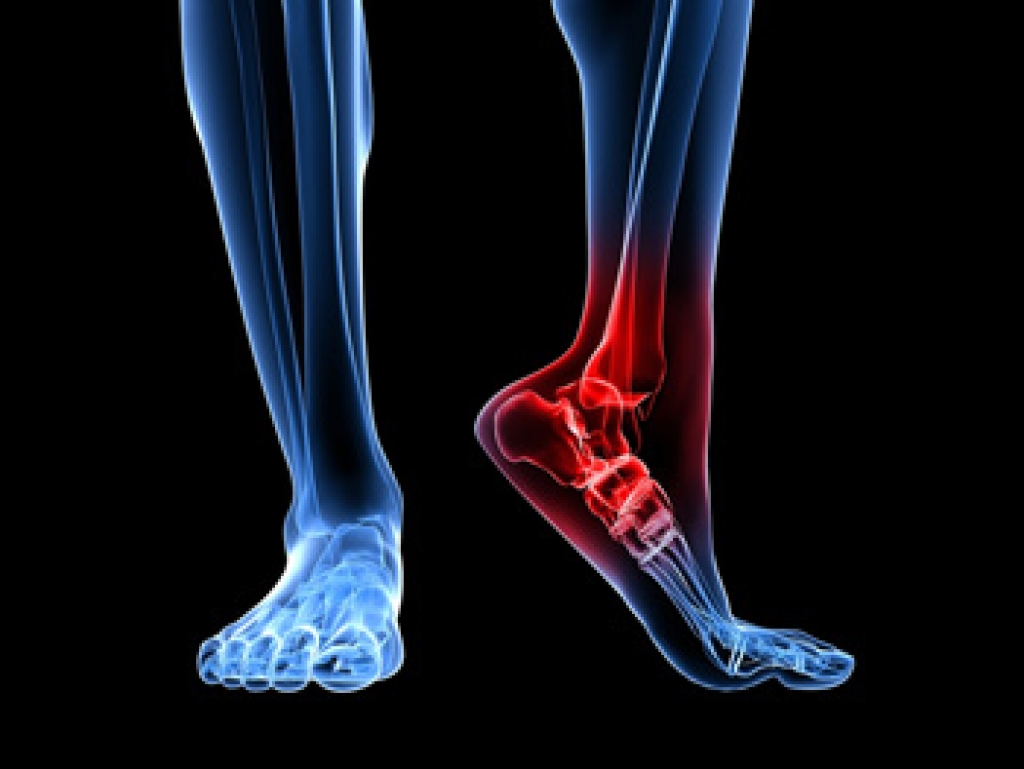
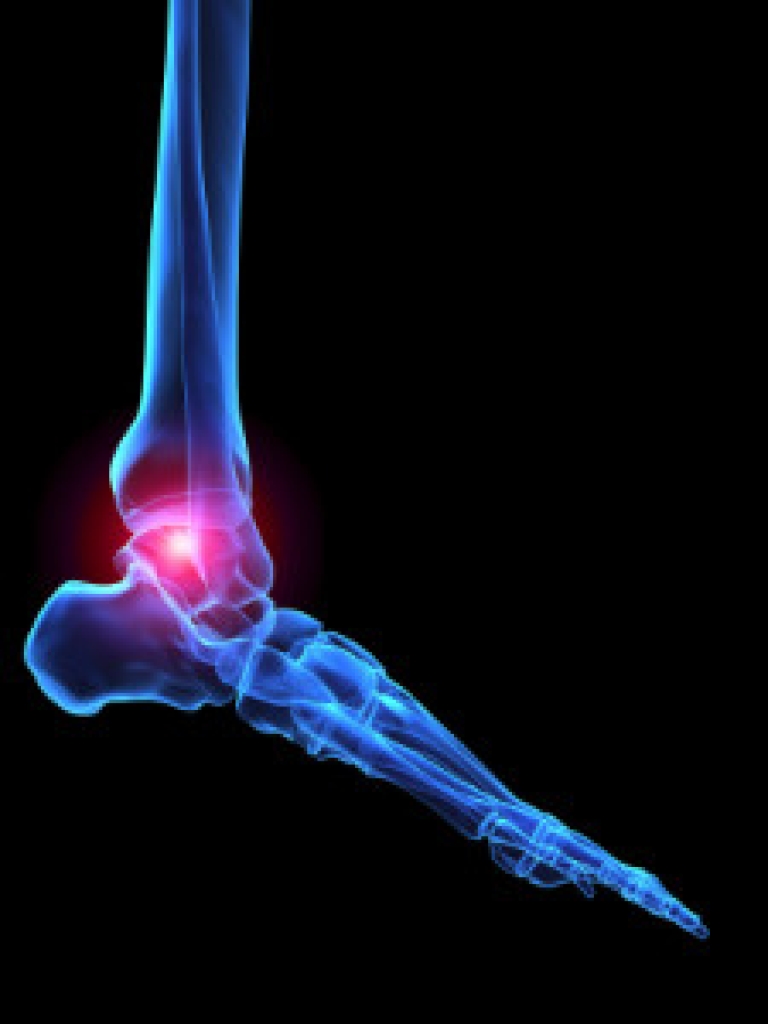
Ankle sprains are the result of a tear in the ligaments within the ankle. These injuries may happen when you make a rapid shifting movement while your foot is planted. A less common way to sprain your ankle is when your ankle rolls inward while your foot turns outward.

What Are the Symptoms?

  • Pain at the sight of the tear
  • Bruising/Swelling
  • Ankle area is tender to touch
  • In severe cases, may hear/feel something tear
  • Skin discoloration

Preventing a Sprain

  • Wearing appropriate shoes for the occasion
  • Stretching before exercises and sports
  • Knowing your limits

Treatment of a Sprain

In many cases, the RICE method (Rest, Ice, Compression, and Elevate) is used to treat ankle sprains. However, you should see a podiatrist to see which treatment option would work best with your injury. In severe cases, surgery may be required.

It is important to ask your doctor about rehab options after you receive treatment for your injury. Stretching, strength training, and balance exercises may help the ankle heal while also preventing further injury.

If you have any questions, please feel free to contact our office located in Oradell, NJ . We offer the newest diagnostic and treatment technologies for all your foot care needs.
Read more about Ankle Sprains

A Calcaneal Stress Fracture Means a Broken Heel Bone

The calcaneus is another name for the heel bone, located at the back of the foot. Sometimes, an injury to this area can be severe enough to cause tiny cracks to appear in the bone. This type of stress fracture may occur due to repetitive stress to the heel bone from activities such as running, or due to sudden, high-stress injuries, such as a car accident, a fall from a high position, or a traumatic twisting of the ankle. The symptoms of a calcaneal stress fracture include heel pain, swelling, tenderness, and difficulty walking. If you are experiencing the symptoms of a calcaneal stress fracture, please see a podiatrist.

A broken foot requires immediate medical attention and treatment. If you need your feet checked, contact one of our podiatrists from New Jersey Foot & Ankle Centers. Our doctors can provide the care you need to keep you pain-free and on your feet.

Broken Foot Causes, Symptoms, and Treatment

A broken foot is caused by one of the bones in the foot typically breaking when bended, crushed, or stretched beyond its natural capabilities. Usually the location of the fracture indicates how the break occurred, whether it was through an object, fall, or any other type of injury. 

Common Symptoms of Broken Feet:

  • Bruising
  • Pain
  • Redness
  • Swelling
  • Blue in color
  • Numbness
  • Cold
  • Misshapen
  • Cuts
  • Deformities

Those that suspect they have a broken foot shoot seek urgent medical attention where a medical professional could diagnose the severity.

Treatment for broken bones varies depending on the cause, severity and location. Some will require the use of splints, casts or crutches while others could even involve surgery to repair the broken bones. Personal care includes the use of ice and keeping the foot stabilized and elevated.

If you have any questions, please feel free to contact our office located in Oradell, NJ . We offer the newest diagnostic and treatment technologies for all your foot care needs.

Read more about Causes, Symptoms, and Treatment for a Broken Foot

What Causes Rheumatoid Arthritis Pain?

Rheumatoid arthritis (RA) is an autoimmune condition in which the body’s immune system malfunctions and begins to attack otherwise healthy joints. When the immune system attacks the lining of the joints, called the synovium, it thickens and produces excess joint fluid. Excess joint fluid and certain chemicals released by the immune system cause the joints to become inflamed. This leads to symptoms such as pain, swelling, stiffness, redness, and a feeling of warmth around the joints. RA often affects the joints of the feet, which can make walking and going about your daily activities more difficult. If you have RA that affects your feet, please consult with a podiatrist, who can help you manage this condition and maintain your mobility.

Because RA affects more than just your joints, including the joints in your feet and ankles, it is important to seek early diagnosis from your podiatrist if you feel like the pain in your feet might be caused by RA. For more information, contact one of our podiatrists of New Jersey Foot & Ankle Centers. Our doctors will assist you with all of your podiatric concerns.

What Is Rheumatoid Arthritis?

Rheumatoid Arthritis (RA) is an autoimmune disorder in which the body’s own immune system attacks the membranes surrounding the joints. Inflammation of the lining and eventually the destruction of the joint’s cartilage and bone occur, causing severe pain and immobility.

Rheumatoid Arthritis of the Feet

Although RA usually attacks multiple bones and joints throughout the entire body, almost 90 percent of cases result in pain in the foot or ankle area.

Symptoms

  • Swelling and pain in the feet
  • Stiffness in the feet
  • Pain on the ball or sole of feet
  • Joint shift and deformation

Diagnosis

Quick diagnosis of RA in the feet is important so that the podiatrist can treat the area effectively. Your doctor will ask you about your medical history, occupation, and lifestyle to determine the origin of the condition. Rheumatoid Factor tests help to determine if someone is affected by the disease.

If you have any questions, please feel free to contact our office located in Oradell, NJ . We offer the newest diagnostic and treatment technologies for all your foot care needs.

Read more about Rheumatoid Arthritis in the Feet

Types of Painful Toe Conditions

There are a variety of painful conditions that can impact the feet, and many of those can cause pain in the toes. Pain and swelling around the toenails where the nail has curled into the skin is a common sign of ingrown toenails. Bunions are formed near the big toe as painful bony lumps that form due to poorly fitting shoes. If any toes are broken, the toes will become painful and swollen, and walking could be difficult. If there is pain and stiffness around the joints, and they feel hot and swollen, that may be a sign of gout, which is affected by the level of uric acid in the blood. If the pain in the toes is severe, gets worse, results in a loss of sensation, or you are diabetic, consulting with a podiatrist is suggested. A podiatrist will be able to diagnose and provide treatment options for pain that is in the toes and feet.

Foot Pain

Foot pain can be extremely painful and debilitating. If you have a foot pain, consult with one of our podiatrists from New Jersey Foot & Ankle Centers. Our doctors will assess your condition and provide you with quality foot and ankle treatment.

Causes

Foot pain is a very broad condition that could be caused by one or more ailments. The most common include:

  • Bunions
  • Hammertoes
  • Plantar Fasciitis
  • Bone Spurs
  • Corns
  • Tarsal Tunnel Syndrome
  • Ingrown Toenails
  • Arthritis (such as Gout, Rheumatoid, and Osteoarthritis)
  • Flat Feet
  • Injury (from stress fractures, broken toe, foot, ankle, Achilles tendon ruptures, and sprains)
  • And more

Diagnosis

To figure out the cause of foot pain, podiatrists utilize several different methods. This can range from simple visual inspections and sensation tests to X-rays and MRI scans. Prior medical history, family medical history, and any recent physical traumatic events will all be taken into consideration for a proper diagnosis.

Treatment

Treatment depends upon the cause of the foot pain. Whether it is resting, staying off the foot, or having surgery; podiatrists have a number of treatment options available for foot pain.

If you have any questions, please feel free to contact our office located in Oradell, NJ . We offer the newest diagnostic and treatment technologies for all your foot care needs.

Read more about Foot Pain

Don't Hide Your Feet This Spring

Unsightly toenails or cracked heels? If your feet are still suffering from the harshness of this past winter, schedule an appointment to give them the care they need.

HPV and Plantar Warts

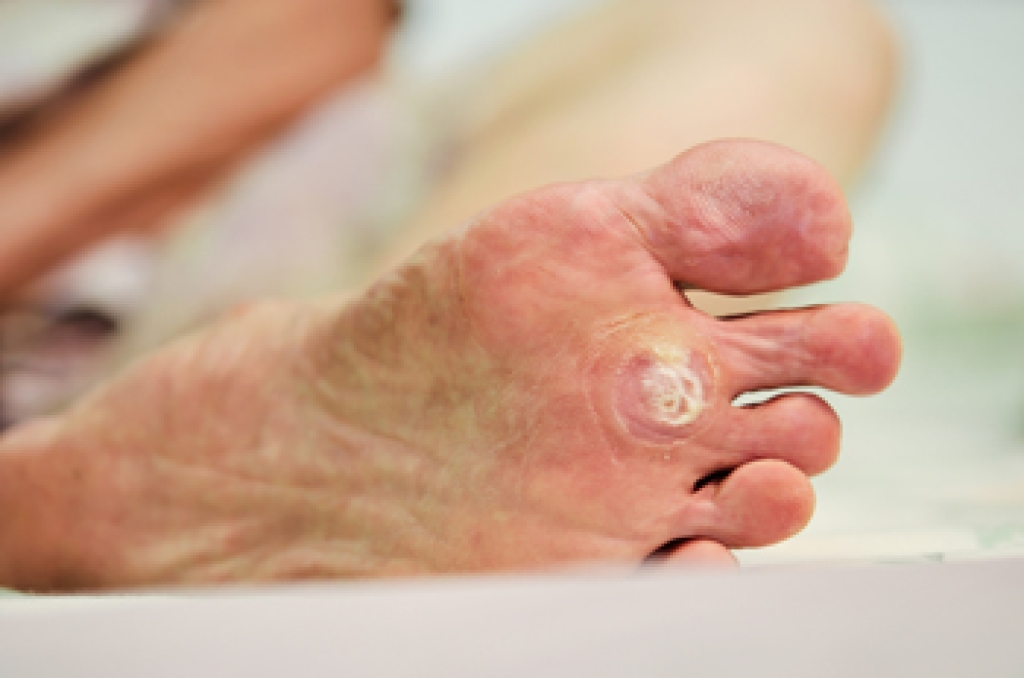
Plantar warts are caused by the human papillomavirus (HPV). They occur on the sole of the feet—most typically on the balls of the feet, heels, and under the toes—and are spread by human contact when the virus enters the bloodstream through tiny cracks in the skin. They usually present as hard, thick, lesions akin to calluses, and sometimes tiny blood vessels are present, which look like black specks on the surface. Plantar warts can range in size, and are often tender or sometimes even painful. They can form as either independent growths or as part of a cluster of warts. While plantar warts can sometimes go away over a period of years, it is suggested that you seek the care of a podiatrist if you have circulatory problems or diabetes, or if your warts are painful, bleeding, or spreading quickly.

Plantar warts can be very uncomfortable. If you need your feet checked, contact one of our podiatrists from New Jersey Foot & Ankle Centers. Our doctors will assist you with all of your foot and ankle needs.

About Plantar Warts

Plantar warts are the result of HPV, or human papillomavirus, getting into open wounds on the feet. They are mostly found on the heels or balls of the feet.

While plantar warts are generally harmless, those experiencing excessive pain or those suffering from diabetes or a compromised immune system require immediate medical care. Plantar warts are easily diagnosed, usually through scraping off a bit of rough skin or by getting a biopsy.

Symptoms

  • Lesions on the bottom of your feet, usually rough and grainy
  • Hard or thick callused spots
  • Wart seeds, which are small clotted blood vessels that look like little black spots
  • Pain, discomfort, or tenderness of your feet when walking or standing

Treatment

  • Freezing
  • Electric tool removal
  • Laser Treatment
  • Topical Creams (prescription only)
  • Over-the-counter medications

To help prevent developing plantar warts, avoid walking barefoot over abrasive surfaces that can cause cuts or wounds for HPV to get into. Avoiding direct contact with other warts, as well as not picking or rubbing existing warts, can help prevent the further spread of plantar warts. However, if you think you have developed plantar warts, speak to your podiatrist. He or she can diagnose the warts on your feet and recommend the appropriate treatment options.

If you have any questions, please feel free to contact our office located in Oradell, NJ . We offer the newest diagnostic and treatment technologies for all your foot care needs.

Read more about All About Plantar Warts

Why Is My Toenail Ingrown?

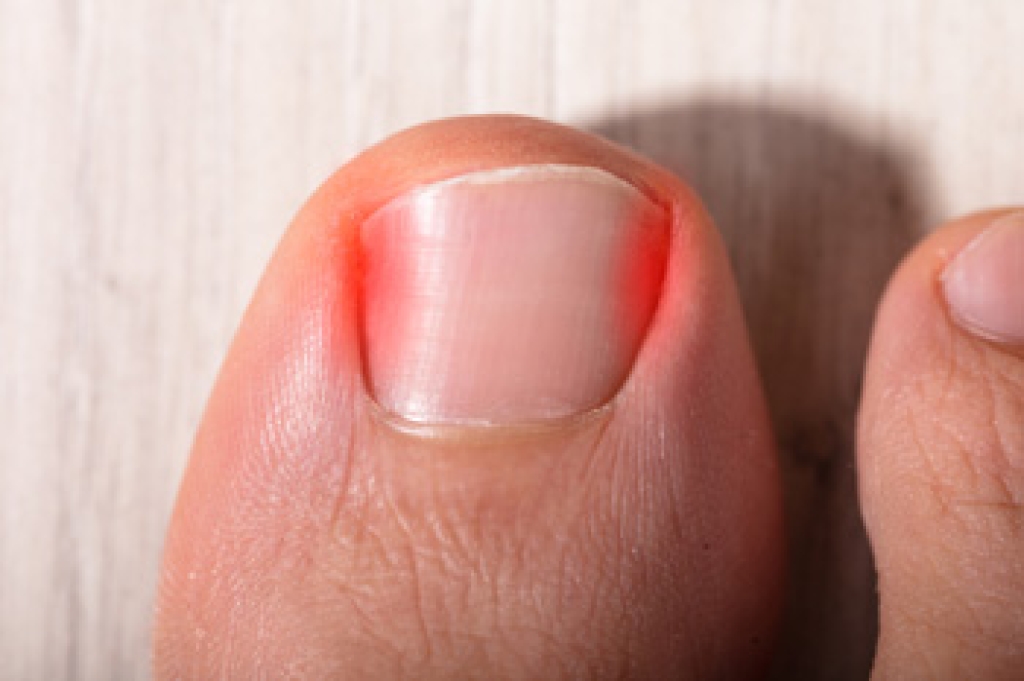
Ingrown toenails occur when a nail grows into the surrounding skin, rather than over it. This can cause symptoms such as pain, tenderness, redness, and swelling of the skin surrounding the ingrown toenail. While most ingrown toenails are not serious and often heal with home treatment, sometimes the area can become infected and require medical treatment. But what causes toenails to become ingrown anyway? Trauma to the toenail from stubbing the toe can lead to ingrown nails, as can wearing shoes that are too tight and push the nail into the skin, and trimming the toenails improperly. If you are prone to ingrown toenails, it is suggested that you see a podiatrist, who can assess your feet and advise you on how to prevent and treat ingrown toenails. 

Ingrown toenails can become painful if they are not treated properly. For more information about ingrown toenails, contact one of our podiatrists of New Jersey Foot & Ankle Centers. Our doctors can provide the care you need to keep you pain-free and on your feet.

Ingrown Toenails

Ingrown toenails occur when a toenail grows sideways into the bed of the nail, causing pain, swelling, and possibly infection.

Causes

  • Bacterial infections
  • Improper nail cutting such as cutting it too short or not straight across
  • Trauma to the toe, such as stubbing, which causes the nail to grow back irregularly
  • Ill-fitting shoes that bunch the toes too close together
  • Genetic predisposition

Prevention

Because ingrown toenails are not something found outside of shoe-wearing cultures, going barefoot as often as possible will decrease the likeliness of developing ingrown toenails. Wearing proper fitting shoes and using proper cutting techniques will also help decrease your risk of developing ingrown toenails.

Treatment

Ingrown toenails are a very treatable foot condition. In minor cases, soaking the affected area in salt or antibacterial soaps will not only help with the ingrown nail itself, but also help prevent any infections from occurring. In more severe cases, surgery is an option. In either case, speaking to your podiatrist about this condition will help you get a better understanding of specific treatment options that are right for you.

If you have any questions, please feel free to contact our office located in Oradell, NJ . We offer the newest diagnostic and treatment technologies for all your foot care needs.

Read more about Ingrown Toenail Care

How to Prevent Foot Blisters

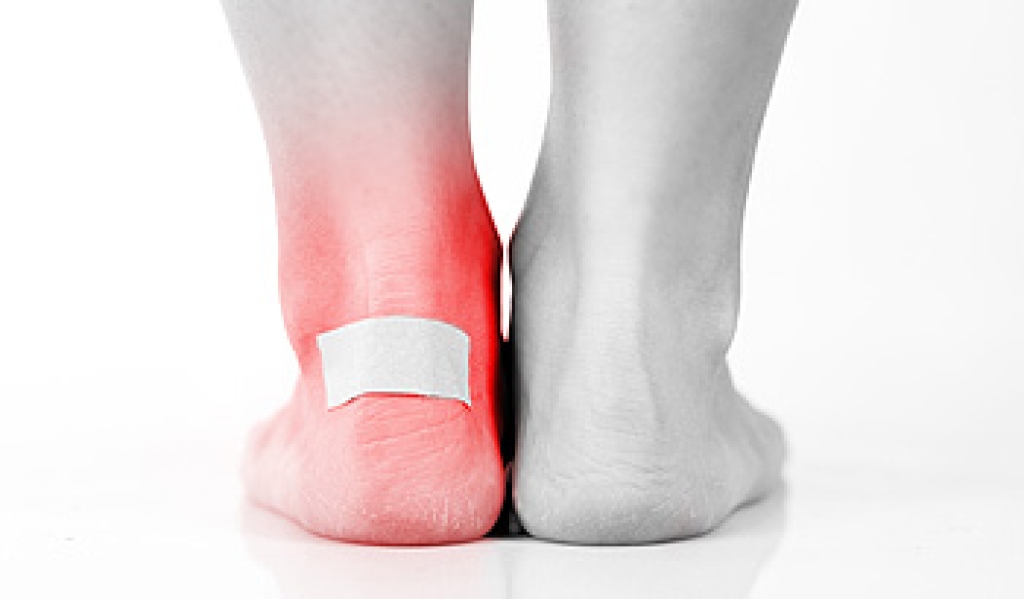
Although they can be annoying and uncomfortable, most blisters that occur on the feet are harmless and appear as the result of friction from shoes rubbing repeatedly against a specific area of the skin. There are several steps that you can take to prevent blisters. First, it is important to have the right footwear. It is imperative that the shoes that are worn fit properly, and moisture-wicking socks can also be worn to protect the feet and keep them cool and dry. If you have areas on your feet that are prone to blistering, padding those areas by wearing a moleskin bandage over them may help prevent the blisters from developing. If you are performing an activity, such as running, and you feel pain or discomfort in your feet or that the skin on your feet has become red and irritated, it is suggested that you cease the activity immediately to avoid blister formation. For more information about how to prevent blisters, please consult with a podiatrist. 

Blisters are prone to making everyday activities extremely uncomfortable. If your feet are hurting, contact one of our podiatrists of New Jersey Foot & Ankle Centers. Our doctors can provide the care you need to keep you pain-free and on your feet.

Foot Blisters

Foot blisters develop as a result of constantly wearing tight or ill-fitting footwear. This happens due to the constant rubbing from the shoe, which can often lead to pain.

What Are Foot Blisters?

A foot blister is a small fluid-filled pocket that forms on the upper-most layer of the skin. Blisters are filled with clear fluid and can lead to blood drainage or pus if the area becomes infected.

How Do Blisters Form?

Blisters on the feet are often the result of constant friction of skin and material, usually by shoe rubbing. Walking in sandals, boots, or shoes that don’t fit properly for long periods of time can result in a blister. Having consistent foot moisture and humidity can easily lead to blister formation.

Prevention & Treatment

It is important to properly care for the affected area in order to prevent infection and ease the pain. Do not lance the blister and use a Band-Aid to provide pain relief. Also, be sure to keep your feet dry and wear proper fitting shoes. If you see blood or pus in a blister, seek assistance from a podiatrist.

If you have any questions, please feel free to contact our office located in Oradell, NJ . We offer the newest diagnostic and treatment technologies for all your foot care needs.

Read more about Blisters

Can Rheumatoid Arthritis Occur in Feet?

Rheumatoid arthritis (RA) causes painful inflammation of joints throughout your body, including the feet. Symptoms of RA in the feet can include an isolated warmth in certain areas of the foot, sore, achy feet, and swelling, pain, or stiffness in the foot joints. RA can eventually lead to deterioration of joint tissue, cartilage and bones, known as joint destruction. This is a very painful condition, which can make it difficult to walk and may even lead to foot deformity. RA symptoms typically present in adults from 30-60 years of age, and can vary from intense flare-ups (which can increase with age) to periods of remission. While there is no cure for RA, a podiatrist can offer various therapies, treatments, medications, or possibly surgery that may relieve pain and even lessen the severity and frequency of flare-ups.

Arthritis can be a difficult condition to live with. If you are seeking treatment, contact one of our podiatrists from New Jersey Foot & Ankle Centers. Our doctors can provide the care you need to keep you pain-free and on your feet.

Arthritic Foot Care  

Arthritis is a term that is commonly used to describe joint pain.  The condition itself can occur to anyone of any age, race, or gender, and there are over 100 types of it.  Nevertheless, arthritis is more commonly found in women compared to men, and it is also more prevalent in those who are overweight. The causes of arthritis vary depending on which type of arthritis you have. Osteoarthritis for example, is often caused by injury, while rheumatoid arthritis is caused by a misdirected immune system.

Symptoms

  • Swelling
  • Pain
  • Stiffness
  • Decreased Range of Motion

Arthritic symptoms range in severity, and they may come and go. Some symptoms stay the same for several years but could potentially get worse with time. Severe cases of arthritis can prevent its sufferers from performing daily activities and make walking difficult.

Risk Factors

  • Occupation – Occupations requiring repetitive knee movements have been linked to osteoarthritis
  • Obesity – Excess weight can contribute to osteoarthritis development
  • Infection – Microbial agents can infect the joints and trigger arthritis
  • Joint Injuries – Damage to joints may lead to osteoarthritis
  • Age – Risk increases with age
  • Gender –Most types are more common in women
  • Genetics – Arthritis can be hereditary

If you suspect your arthritis is affecting your feet, it is crucial that you see a podiatrist immediately. Your doctor will be able to address your specific case and help you decide which treatment method is best for you.

If you have any questions please feel free to contact our office located in Oradell, NJ . We offer the newest diagnostic tools and technology to treat your foot and ankle needs.

Read more about Arthritic Foot Care

It's Time for Beautiful Feet

You don't need an excuse to have beautiful nails. Step outside without worrying about the appearance of your feet.

Connect With Us

Book Online