Foot Stretches for Runners

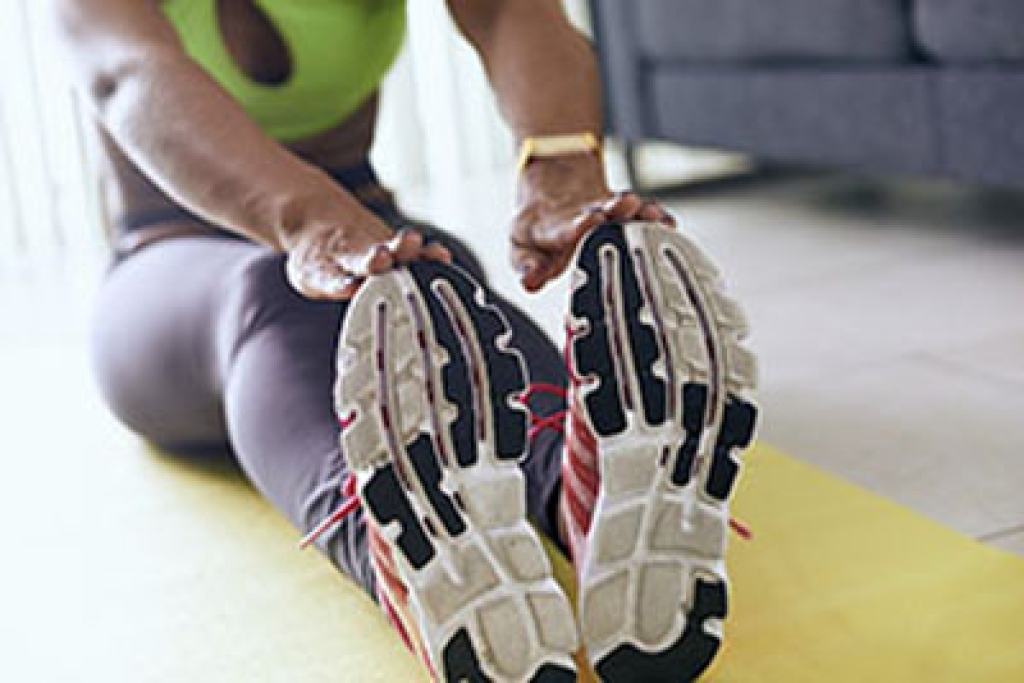
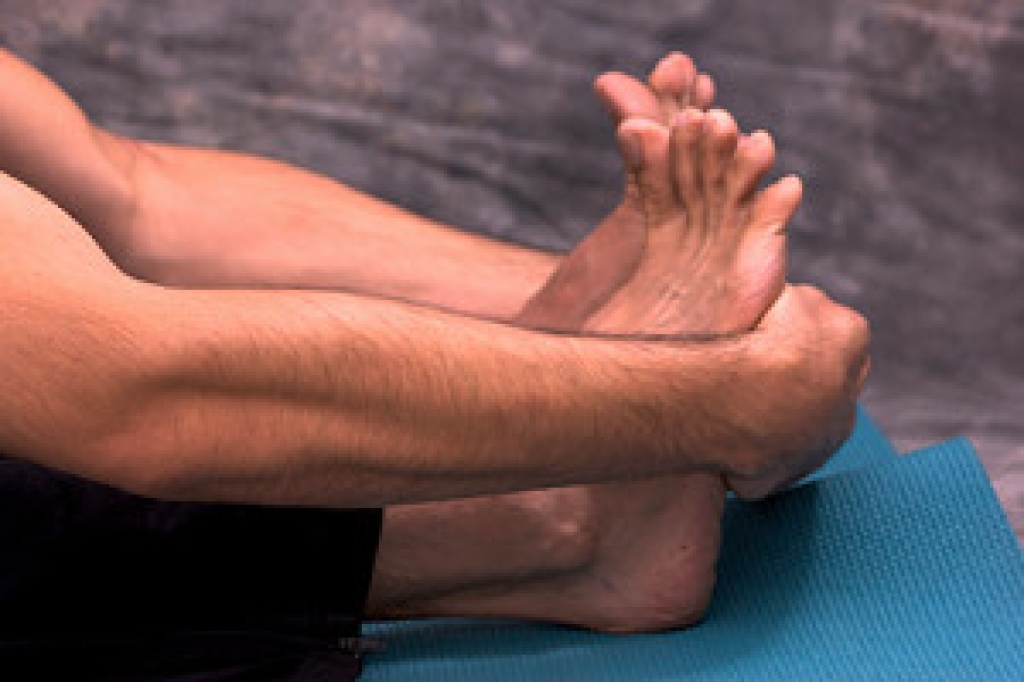
In order to help strengthen your feet and prevent getting an injury, it’s recommended that you incorporate foot stretches in your daily routine. Performing these light exercises during your warmup before a run may help keep your feet flexible, and better prepare them for the activity. One type of exercise you can practice is the big toe extension lunge. To perform this, start by standing inside a door frame and leaning your big toe against the wall angled upward. You will begin to feel a stretch in your big toe once you begin to lunge forward. Another type of foot stretch you can practice is done by rolling either a lacrosse ball or massage ball back and forth under the arch of your foot. This kind of stretch is particularly useful after a run, as it helps to relax the muscles underneath your foot. For more tips on stretching your feet, we recommend you speak with a podiatrist for professional advice.

Stretching the feet is a great way to prevent injuries. If you have any concerns with your feet consult with one of our podiatrists from New Jersey Foot & Ankle Centers. Our doctors will assess your condition and provide you with quality foot and ankle treatment.

Stretching the Feet

Being the backbone of the body, the feet carry your entire weight and can easily become overexerted, causing cramps and pain. As with any body part, stretching your feet can serve many benefits. From increasing flexibility to even providing some pain relief, be sure to give your feet a stretch from time to time. This is especially important for athletes or anyone performing aerobic exercises, but anyone experiencing foot pain or is on their feet constantly should also engage in this practice.

Great ways to stretch your feet:

  • Crossing one leg over the others and carefully pull your toes back. Do 10-20 repetitions and repeat the process for each foot
  • Face a wall with your arms out and hands flat against the wall. Step back with one foot and keep it flat on the floor while moving the other leg forward. Lean towards the wall until you feel a stretch. Hold for 30 seconds and perform 10 repetitions for each foot
  • Be sure not to overextend or push your limbs too hard or you could risk pulling or straining your muscle

Individuals who tend to their feet by regular stretching every day should be able to minimize foot pain and prevent new problems from arising.

If you have any questions please contact our office located in Oradell, NJ . We offer the newest diagnostic and treatment technologies for all your foot and ankle needs.
Read more about How to Stretch Your Feet

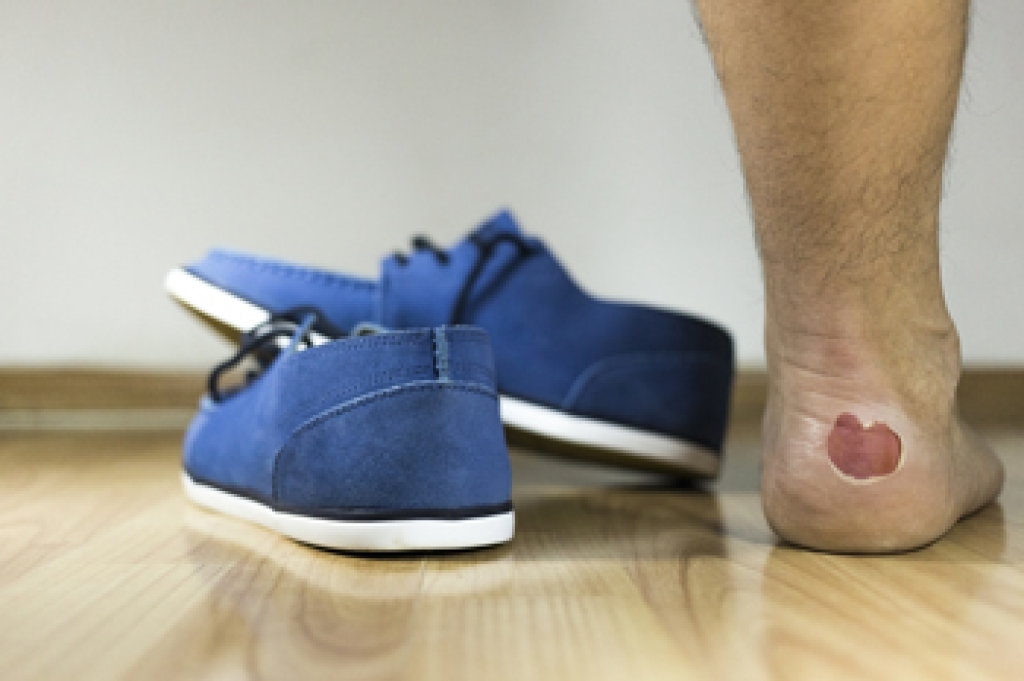
What Causes Blisters On The Feet?

The most common reason blisters develop on the feet is as a result of excessive friction. This may happen from wearing shoes that do not fit correctly, and can cause the top layer of the skin to become raw. A small pocket of fluid will form, which is the body’s natural method in repairing skin that has become damaged. The fluid will generally drain on its own when the healing process has been completed. Many patients find it helpful to cover the affected area with a bandage as daily activities are completed. If you have blisters on your feet that you believe have become infected, it is strongly suggested that you seek the care of a podiatrist who can properly treat this ailment.

Blisters are prone to making everyday activities extremely uncomfortable. If your feet are hurting, contact one of our podiatrists of New Jersey Foot & Ankle Centers. Our doctors can provide the care you need to keep you pain-free and on your feet.

Foot Blisters

Foot blisters develop as a result of constantly wearing tight or ill-fitting footwear. This happens due to the constant rubbing from the shoe, which can often lead to pain.

What Are Foot Blisters?

A foot blister is a small fluid-filled pocket that forms on the upper-most layer of the skin. Blisters are filled with clear fluid and can lead to blood drainage or pus if the area becomes infected.

How Do Blisters Form?

Blisters on the feet are often the result of constant friction of skin and material, usually by shoe rubbing. Walking in sandals, boots, or shoes that don’t fit properly for long periods of time can result in a blister. Having consistent foot moisture and humidity can easily lead to blister formation.

Prevention & Treatment

It is important to properly care for the affected area in order to prevent infection and ease the pain. Do not lance the blister and use a Band-Aid to provide pain relief. Also, be sure to keep your feet dry and wear proper fitting shoes. If you see blood or pus in a blister, seek assistance from a podiatrist.

If you have any questions, please feel free to contact our office located in Oradell, NJ . We offer the newest diagnostic and treatment technologies for all your foot care needs.

Read more about Blisters on the Feet

Symptoms of Athlete’s Foot

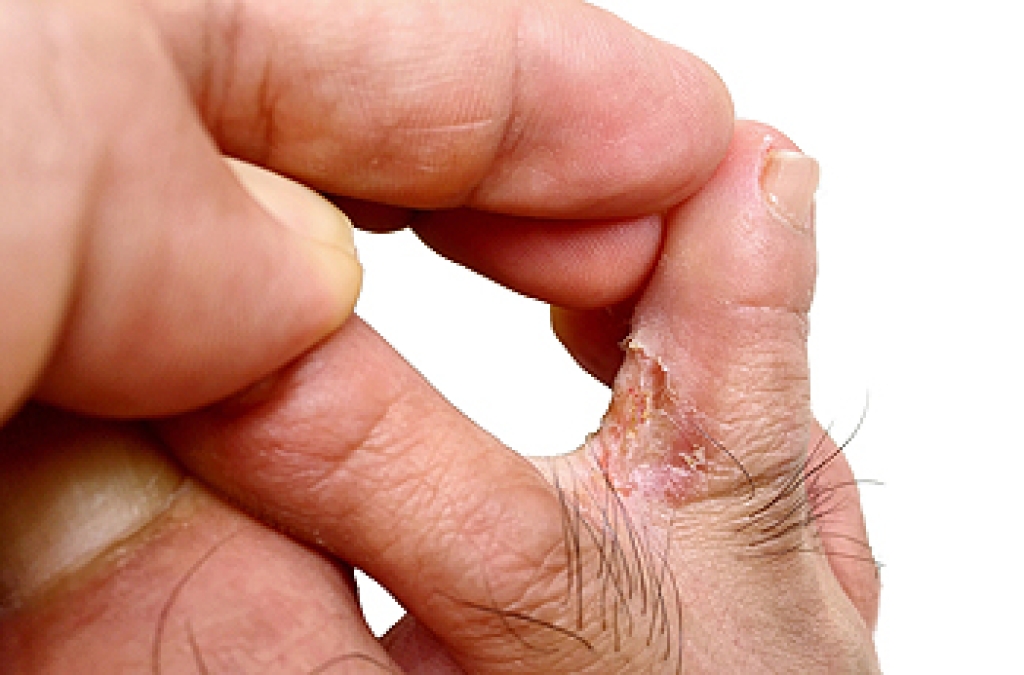
If you notice a rash on your foot, you may have a condition that is known as athlete’s foot. It is a common fungal infection that is contagious, however there are methods that can be implemented which may prevent athlete’s foot from developing. This type of fungus lives and thrives in moist and warm environments, which can include public swimming pools, communal showers, locker rooms, and surrounding areas. It is beneficial to wear appropriate shoes while in these types of places, as it may prevent the fungus from touching the skin. Common symptoms that are typically associated with this ailment can include dry skin between the toes and on the bottom of the feet, as well as severe itching. Additionally, in more severe cases, the skin may peel and crack, and the skin between the toes may burn. If you are afflicted with athlete's foot, it is strongly advised that you seek the counsel of a podiatrist who can guide you toward the proper treatment.

Athlete’s Foot

Athlete’s foot is often an uncomfortable condition to experience. Thankfully, podiatrists specialize in treating athlete’s foot and offer the best treatment options. If you have any questions about athlete’s foot, consult with one of our podiatrists from New Jersey Foot & Ankle Centers. Our doctors will assess your condition and provide you with quality treatment.

What Is Athlete’s Foot?

Tinea pedis, more commonly known as athlete’s foot, is a non-serious and common fungal infection of the foot. Athlete’s foot is contagious and can be contracted by touching someone who has it or infected surfaces. The most common places contaminated by it are public showers, locker rooms, and swimming pools. Once contracted, it grows on feet that are left inside moist, dark, and warm shoes and socks.

Prevention

The most effective ways to prevent athlete’s foot include:

  • Thoroughly washing and drying feet
  • Avoid going barefoot in locker rooms and public showers
  • Using shower shoes in public showers
  • Wearing socks that allow the feet to breathe
  • Changing socks and shoes frequently if you sweat a lot

Symptoms

Athlete’s foot initially occurs as a rash between the toes. However, if left undiagnosed, it can spread to the sides and bottom of the feet, toenails, and if touched by hand, the hands themselves. Symptoms include:

  • Redness
  • Burning
  • Itching
  • Scaly and peeling skin

Diagnosis and Treatment

Diagnosis is quick and easy. Skin samples will be taken and either viewed under a microscope or sent to a lab for testing. Sometimes, a podiatrist can diagnose it based on simply looking at it. Once confirmed, treatment options include oral and topical antifungal medications.

If you have any questions, please feel free to contact our office located in Oradell, NJ . We offer the newest diagnostic and treatment technologies for all your foot care needs.

Read more about Athlete's Foot

Diabetes and Foot Ulcers

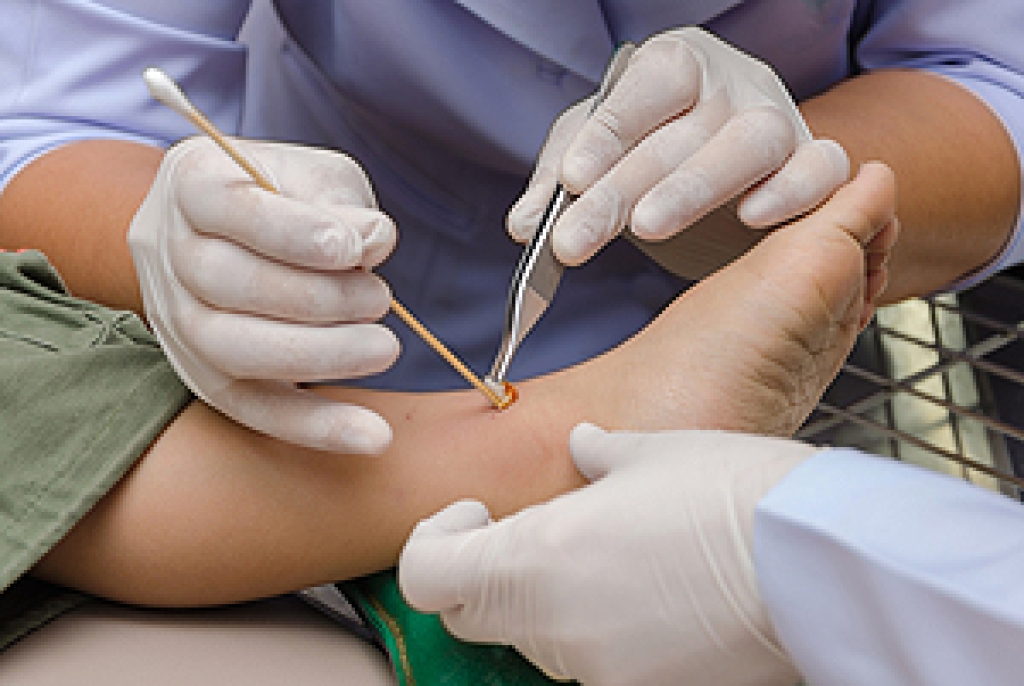
Wound care is generally a familiar concern for diabetic patients. When the insulin levels are elevated for an extended period of time, there may be a loss of feeling as a result of neuropathy. A small cut or scrape on the foot may have the potential of developing into a dangerous wound, and prompt treatment is necessary in possibly preventing a painful foot ulcer. Proper treatment may begin with cleaning the affected area thoroughly, followed by applying an antibiotic cream. It is important the wound is covered, and this may help to prevent bacteria from multiplying at the site of the foot ulcer. If you are affected by diabetes, it is strongly suggested that you are under the care of a podiatrist who can help this condition.

Wound care is an important part in dealing with diabetes. If you have diabetes and a foot wound or would like more information about wound care for diabetics, consult with one of our podiatrists from New Jersey Foot & Ankle Centers. Our doctors will assess your condition and provide you with quality foot and ankle treatment.

What Is Wound Care?

Wound care is the practice of taking proper care of a wound. This can range from the smallest to the largest of wounds. While everyone can benefit from proper wound care, it is much more important for diabetics. Diabetics often suffer from poor blood circulation which causes wounds to heal much slower than they would in a non-diabetic. 

What Is the Importance of Wound Care?

While it may not seem apparent with small ulcers on the foot, for diabetics, any size ulcer can become infected. Diabetics often also suffer from neuropathy, or nerve loss. This means they might not even feel when they have an ulcer on their foot. If the wound becomes severely infected, amputation may be necessary. Therefore, it is of the upmost importance to properly care for any and all foot wounds.

How to Care for Wounds

The best way to care for foot wounds is to prevent them. For diabetics, this means daily inspections of the feet for any signs of abnormalities or ulcers. It is also recommended to see a podiatrist several times a year for a foot inspection. If you do have an ulcer, run the wound under water to clear dirt from the wound; then apply antibiotic ointment to the wound and cover with a bandage. Bandages should be changed daily and keeping pressure off the wound is smart. It is advised to see a podiatrist, who can keep an eye on it.

If you have any questions please contact our office located in Oradell, NJ . We offer the newest diagnostic and treatment technologies for all your foot and ankle needs.
Read more about Wound Care

Which Toes Does Hammertoe Affect?

The medical condition that is known as hammertoe can occur as a result of wearing shoes that do not fit correctly. These may include shoes that do not have adequate room for the toes to move freely in, which may cause the second, third, or fourth toes to become deformed. This can cause the middle joints in the toes to bend abnormally, and the toes may then not be able to straighten out. Patients who have a longer second toe may be more prone to developing hammertoe, in addition to having existing medical conditions such as diabetes and arthritis. Common symptoms that are associated with hammertoe can consist of pain and discomfort in the affected toe, a burning sensation, and in severe cases, sores may develop on top of the toe. If you notice symptoms of this ailment, it is strongly suggested that you consult with a podiatrist who can guide you toward the treatment technique that is correct for you.

Hammertoe

Hammertoes can be a painful condition to live with. For more information, contact one of our podiatrists from New Jersey Foot & Ankle Centers. Our doctors will answer any of your foot- and ankle-related questions.

Hammertoe is a foot deformity that affects the joints of the second, third, fourth, or fifth toes of your feet. It is a painful foot condition in which these toes curl and arch up, which can often lead to pain when wearing footwear.

Symptoms

  • Pain in the affected toes
  • Development of corns or calluses due to friction
  • Inflammation
  • Redness
  • Contracture of the toes

Causes

Genetics – People who are genetically predisposed to hammertoe are often more susceptible

Arthritis – Because arthritis affects the joints in your toes, further deformities stemming from arthritis can occur

Trauma – Direct trauma to the toes could potentially lead to hammertoe

Ill-fitting shoes – Undue pressure on the front of the toes from ill-fitting shoes can potentially lead to the development of hammertoe

Treatment

Orthotics – Custom made inserts can be used to help relieve pressure placed on the toes and therefore relieve some of the pain associated with it

Medications – Oral medications such as anti-inflammatories or NSAIDs could be used to treat the pain and inflammation hammertoes causes. Injections of corticosteroids are also sometimes used

Surgery – In more severe cases where the hammertoes have become more rigid, foot surgery is a potential option

If you have any questions, please feel free to contact our office located in Oradell, NJ . We offer the newest diagnostic and treatment technologies for all your foot care needs.

Read more about What Are Hammertoes?

Are Bunions Affecting Your Everyday Life?

Have you noticed a bony protrusion on the side of your big toe? If so, you may have developed the foot condition known as a bunion. Don't let bunions interfere with your daily activities.

Possible Ways to Protect the Feet While Wearing High Heels

Many women enjoy wearing high heels despite the potential foot problems they may cause. There are methods that can be implemented which can possibly reduce the risk of hurting your feet. These can include making sure the shoes fit perfectly at the time of purchase. This may help to prevent falling, which in turn, may also prevent possible painful foot conditions from forming. Blisters on the feet come from excess friction, and can be a common occurrence while wearing high heels. These may be avoided by putting baby powder inside the shoe. It may also be beneficial to alternate the type of heels that are worn, which can help to alleviate the pressure that is put on the foot. If you would like additional information about how to protect your feet while wearing high heels, it is suggested that you consult with a podiatrist.

High heels have a history of causing foot and ankle problems. If you have any concerns about your feet or ankles, contact one of our podiatrists from New Jersey Foot & Ankle Centers. Our doctors can provide the care you need to keep you pain-free and on your feet.

Effects of High Heels on the Feet

High heels are popular shoes among women because of their many styles and societal appeal.  Despite this, high heels can still cause many health problems if worn too frequently.

Which Parts of My Body Will Be Affected by High Heels?

  • Ankle Joints
  • Achilles Tendon – May shorten and stiffen with prolonged wear
  • Balls of the Feet
  • Knees – Heels cause the knees to bend constantly, creating stress on them
  • Back – They decrease the spine’s ability to absorb shock, which may lead to back pain.  The vertebrae of the lower back may compress.

What Kinds of Foot Problems Can Develop from Wearing High Heels?

  • Corns
  • Calluses
  • Hammertoe
  • Bunions
  • Morton’s Neuroma
  • Plantar Fasciitis

How Can I Still Wear High Heels and Maintain Foot Health?

If you want to wear high heeled shoes, make sure that you are not wearing them every day, as this will help prevent long term physical problems.  Try wearing thicker heels as opposed to stilettos to distribute weight more evenly across the feet.  Always make sure you are wearing the proper shoes for the right occasion, such as sneakers for exercising.  If you walk to work, try carrying your heels with you and changing into them once you arrive at work.  Adding inserts to your heels can help cushion your feet and absorb shock. Full foot inserts or metatarsal pads are available. 

If you have any questions, please feel free to contact our office located in Oradell, NJ . We offer the newest diagnostic and treatment technologies for all your foot care needs.

Read more about Effect of High Heels on the Feet

What to Expect When You Have Arthritic Feet

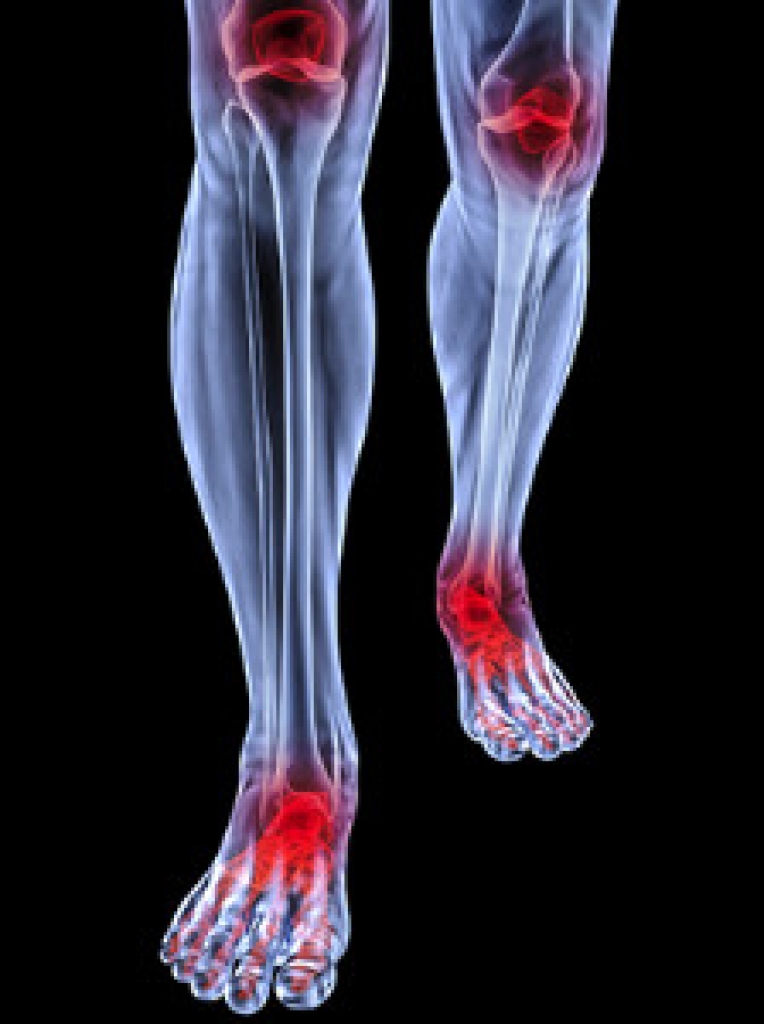
Unfortunately, arthritic feet can lead to a number of foot complications if not properly monitored. Arthritis can be passed down by genetics or through injuries, most commonly affecting athletes as well as industrial workers. Bacterial and viral infections that strike the joints can also lead to arthritis. It’s important you seek professional help when you notice the following symptoms: swelling, redness, limitation of motion, rashes, and pain or tenderness in the joints of the feet. To treat arthritic feet, a podiatrist may prescribe custom orthotics to correct the alignment of the feet and ankles, or in severe cases, may suggest surgery. For more information about arthritic feet, we recommend you consult with a podiatrist for a proper diagnosis and suggested treatment regime.

Arthritis can be a difficult condition to live with. If you are seeking treatment, contact one of our podiatrists from New Jersey Foot & Ankle Centers. Our doctors can provide the care you need to keep you pain-free and on your feet.

Arthritic Foot Care  

Arthritis is a term that is commonly used to describe joint pain.  The condition itself can occur to anyone of any age, race, or gender, and there are over 100 types of it.  Nevertheless, arthritis is more commonly found in women compared to men, and it is also more prevalent in those who are overweight. The causes of arthritis vary depending on which type of arthritis you have. Osteoarthritis for example, is often caused by injury, while rheumatoid arthritis is caused by a misdirected immune system.

Symptoms

  • Swelling
  • Pain
  • Stiffness
  • Decreased Range of Motion

Arthritic symptoms range in severity, and they may come and go. Some symptoms stay the same for several years but could potentially get worse with time. Severe cases of arthritis can prevent its sufferers from performing daily activities and make walking difficult.

Risk Factors

  • Occupation – Occupations requiring repetitive knee movements have been linked to osteoarthritis
  • Obesity – Excess weight can contribute to osteoarthritis development
  • Infection – Microbial agents can infect the joints and trigger arthritis
  • Joint Injuries – Damage to joints may lead to osteoarthritis
  • Age – Risk increases with age
  • Gender –Most types are more common in women
  • Genetics – Arthritis can be hereditary

If you suspect your arthritis is affecting your feet, it is crucial that you see a podiatrist immediately. Your doctor will be able to address your specific case and help you decide which treatment method is best for you.

If you have any questions please feel free to contact our office located in Oradell, NJ . We offer the newest diagnostic tools and technology to treat your foot and ankle needs.

Read more about How to Care for Your Arthritic Foot

Three Habits That May Help To Prevent Running Injuries

Research has indicated there are three habits to develop that may be beneficial in preventing running injuries. Running and jogging may be easier to enjoy when the body is warmed up. An effective warm-up can increase the body’s range of motion and flexibility. The second habit consists of running with a goal in mind. It may be helpful to follow a program that can alternate running styles. People who enjoy the sport of running are aware of the third habit which consists of properly stretching and noticing if there are existing aches and pains. If you would like additional information about how to prevent running injuries, it is advised that you schedule a consultation with a podiatrist who can provide you with the necessary knowledge.

All runners should take extra precaution when trying to avoid injury. If you have any concerns about your feet, contact one of our podiatrists of New Jersey Foot & Ankle Centers. Our doctors will treat your foot and ankle needs.

How to Prevent Running Injuries

There are a lot of mistakes a runner can make prior to a workout that can induce injury. A lot of athletes tend to overstretch before running, instead of saving those workouts for a post-run routine. Deep lunges and hand-to-toe hamstring pulls should be performed after a workout instead of during a warmup. Another common mistake is jumping into an intense routine before your body is physically prepared for it. You should try to ease your way into long-distance running instead of forcing yourself to rush into it.

More Tips for Preventing Injury

  • Incorporate Strength Training into Workouts - This will help improve the body’s overall athleticism
  • Improve and Maintain Your Flexibility – Stretching everyday will help improve overall performance
  • “Warm Up” Before Running and “Cool Down” Afterward – A warm up of 5-10 minutes helps get rid of lactic acid in the muscles and prevents delayed muscle soreness
  • Cross-Training is Crucial
  • Wear Proper Running Shoes
  • Have a Formal Gait Analysis – Poor biomechanics can easily cause injury

If you have any questions, please feel free to contact our office located in Oradell, NJ . We offer the newest diagnostic and treatment technologies for all your foot care needs.

Read more about Preventing Running Injuries

Who is Prone to Developing Morton’s Neuroma?

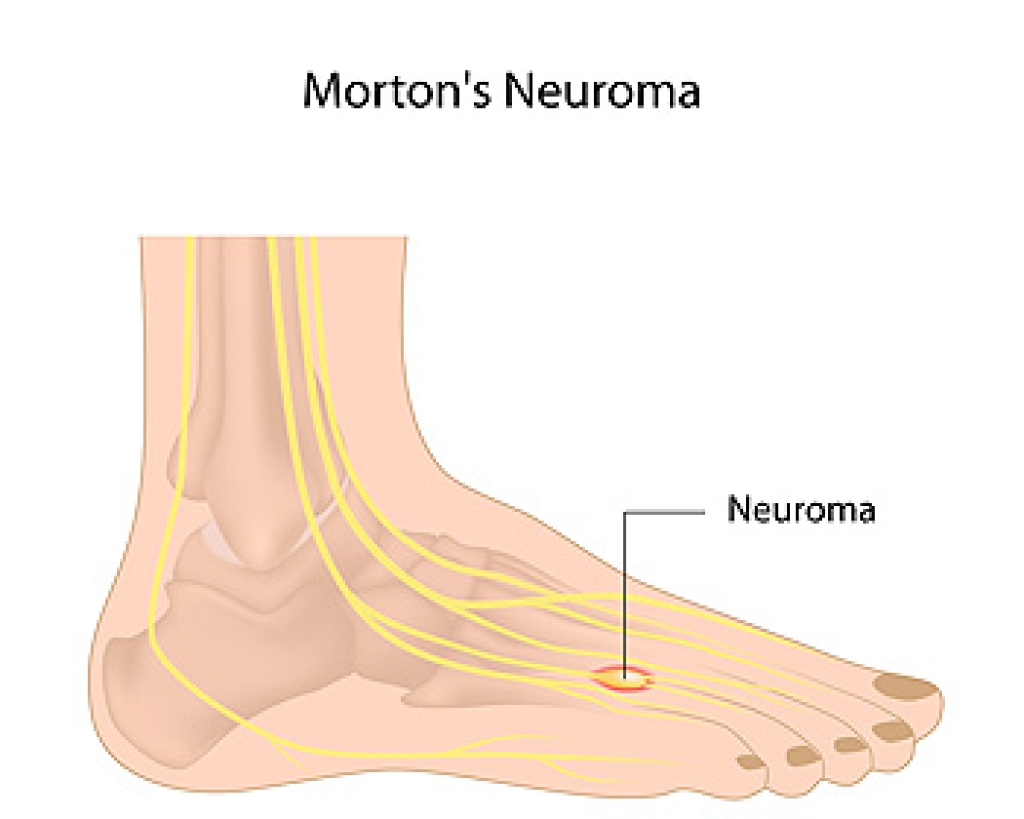
If you are experiencing pain on the ball of the foot, it may be indicative of a condition that is referred to as Morton’s neuroma. It is typically caused by irritation that happens to a nerve connected to a toe. It can become thickened, and will most often occur between the second and third toes. It may be common among patients who have flat feet, high arches, or conditions that can include bunions and hammertoes. People who enjoy sporting activities that involve running may also be susceptible to developing this condition. Additionally, skiers or ballerinas may be prone to getting Morton’s neuroma as a result of wearing shoes that put pressure on the ball of the foot. Symptoms that are often associated with this ailment can include a numbing and tingling sensation, and pain or difficulty walking. If you suffer from this condition, please consult with a podiatrist who can properly treat this condition.

Morton’s neuroma is a very uncomfortable condition to live with. If you think you have Morton’s neuroma, contact one of our podiatrists of New Jersey Foot & Ankle Centers. Our doctors will attend to all of your foot care needs and answer any of your related questions.  

Morton’s Neuroma

Morton's neuroma is a painful foot condition that commonly affects the areas between the second and third or third and fourth toe, although other areas of the foot are also susceptible. Morton’s neuroma is caused by an inflamed nerve in the foot that is being squeezed and aggravated by surrounding bones.

What Increases the Chances of Having Morton’s Neuroma?

  • Ill-fitting high heels or shoes that add pressure to the toe or foot
  • Jogging, running or any sport that involves constant impact to the foot
  • Flat feet, bunions, and any other foot deformities

Morton’s neuroma is a very treatable condition. Orthotics and shoe inserts can often be used to alleviate the pain on the forefront of the feet. In more severe cases, corticosteroids can also be prescribed. In order to figure out the best treatment for your neuroma, it’s recommended to seek the care of a podiatrist who can diagnose your condition and provide different treatment options.

If you have any questions, please feel free to contact our office located in Oradell, NJ . We offer the newest diagnostic and treatment technologies for all your foot care needs.

Read more about Morton's Neuroma

Connect With Us

Book Online