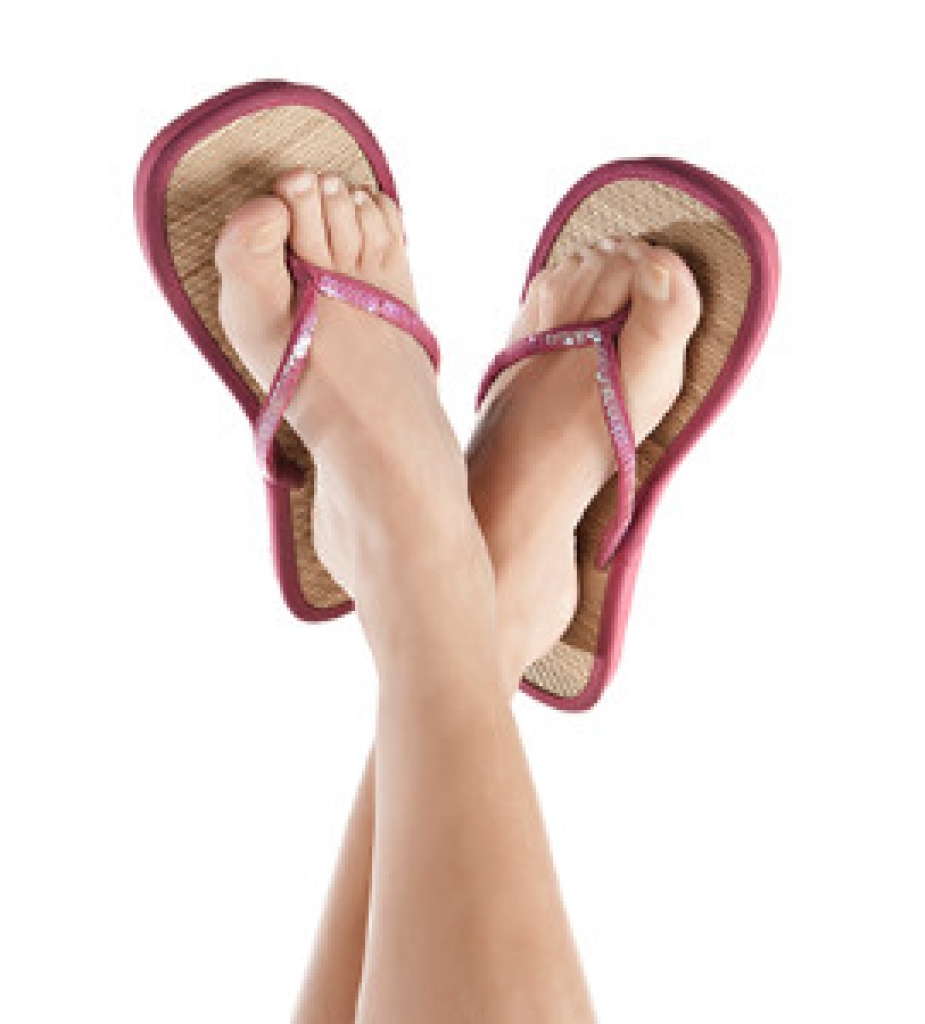
Foot Conditions That May Occur as a Result of Wearing Flip Flops

The type of footwear referred to as flip flops are popular summer shoes that are made of thin soles and typically are not meant to be worn for extended periods of time. Despite the fact that many people indulge in wearing these types of shoes, there may be moderate discomfort and symptoms that can be associated with them. These may include an achy feeling that may be present in the foot and ankle in addition to the formation of calluses and blisters. Other foot conditions that may develop as a result of wearing flip flops may be the development of bunions and hammertoes. The risk of injury may be increased from choosing to wear this type of shoe and this may occur as a result of a lack of stability. If you have questions pertaining to flip flops and would like additional information about the pros and cons for wearing this type of shoe, please schedule an appointment with a podiatrist who will be able to answer any questions you may have.

Flip-flops can cause a lot of problems for your feet. If you have any concerns about your feet or ankles, contact one of our podiatrists from New Jersey Foot & Ankle Centers. Our doctors will assist you with all of your foot and ankle needs.

Flip-Flops and Feet

Flip-flops have managed to become a summer essential for a lot of people. While the shoes may be stylish and easy to slip on and off, they can be dangerous to those who wear them too often. These shoes might protect you from fungal infections such as athlete’s foot, but they can also give you foot pain and sprained ankles if you trip while wearing them.

When Are They Okay to Wear?

Flip-flops should only be worn for very short periods of time. They can help protect your feet in places that are crawling with fungi, such as gym locker rooms. Athlete’s foot and plantar warts are two common fungi that flip-flops may help protect your feet against.

Why Are They Bad for My Feet?

These shoes do not offer any arch support, so they are not ideal for everyday use. They also do not provide shock absorption or heel cushioning which can be problematic for your feet. Additionally, you may suffer from glass cuts, puncture wounds, and stubbed toes since they offer little protection for your feet.

More Reasons Why They Are Bad for Your Feet

  • They Slow You Down
  • May Cause Blisters and Calluses
  • Expose Your Feet to Bacteria

If you have any questions, please feel free to contact our office located in Oradell, NJ . We offer the newest diagnostic and treatment technologies for all your foot care needs.
Read more about Flip Flops and Your Feet

Causes of Cuboid Syndrome

The cuboid bone is one of seven bones that is located on the outside of the foot. The main function of this bone is to function as the connecting link between the foot and the ankle. Additionally, it provides the necessary stability the body needs while walking and running. The condition referred to as cuboid syndrome occurs when the tendons and ligaments tear and this may typically happen as a result of an injury. There are several symptoms that may be associated with this ailment, including pain and discomfort on the outside of the foot next to the pinky toe, swelling in the ankle area, or redness near the injury and surrounding areas. The most common reasons for this condition to occur may be twisting the ankle during a fall, and repeated strain due to overuse, which often occurs during sporting activities. There may be several ways to treat cuboid syndrome, and it’s suggested to speak with a podiatrist as quickly as possible to learn what the best treatment technique is right for you.

Cuboid syndrome, also known as cuboid subluxation, occurs when the joints and ligaments near the cuboid bone in the foot become torn. If you have cuboid syndrome, consult with one of our podiatrists from New Jersey Foot & Ankle Centers. Our doctors will assess your condition and provide you with quality foot and ankle treatment.

Cuboid syndrome is a common cause of lateral foot pain, which is pain on the outside of the foot. The condition may happen suddenly due to an ankle sprain, or it may develop slowly overtime from repetitive tension through the bone and surrounding structures.

Causes

The most common causes of cuboid syndrome include:

  • Injury – The most common cause of this ailment is an ankle sprain.
  • Repetitive Strain – Tension placed through the peroneus longus muscle from repetitive activities such as jumping and running may cause excessive traction on the bone causing it to sublux.
  • Altered Foot Biomechanics – Most people suffering from cuboid subluxation have flat feet.

Symptoms

A common symptom of cuboid syndrome is pain along the outside of the foot which can be felt in the ankle and toes. This pain may create walking difficulties and may cause those with the condition to walk with a limp.

Diagnosis

Diagnosis of cuboid syndrome is often difficult, and it is often misdiagnosed. X-rays, MRIs and CT scans often fail to properly show the cuboid subluxation. Although there isn’t a specific test used to diagnose cuboid syndrome, your podiatrist will usually check if pain is felt while pressing firmly on the cuboid bone of your foot.

Treatment

Just as the range of causes varies widely, so do treatments. Some more common treatments are ice therapy, rest, exercise, taping, and orthotics.

If you have any questions, please feel free to contact our office located in Oradell, NJ . We offer the newest diagnostic and treatment technologies for all your foot care needs.
Read more about All About Cuboid Syndrome

How Pointing and Flexing The Ankles Can Benefit the Feet

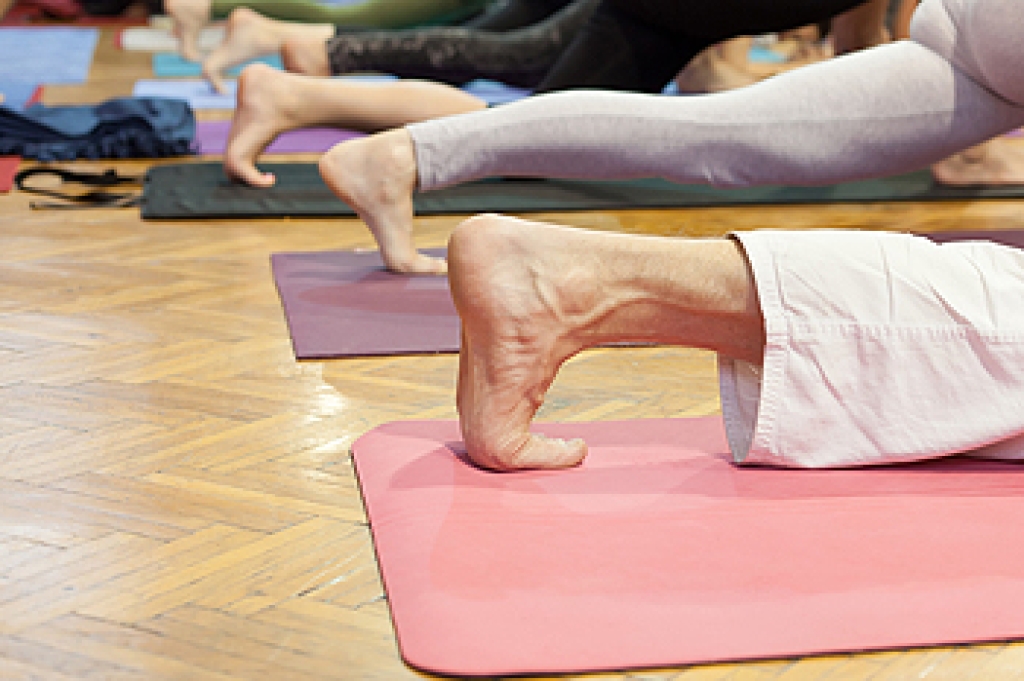
Research has shown the importance of performing proper foot stretches to maintain the overall health of the body. When the feet are strong, it may be easier to perform daily activities such as walking and running, in addition to possible prevention of foot conditions, such as plantar fasciitis or toe cramps. Pointing and flexing the ankles have been known to be beneficial. It will not only help the feet feel better, but may also help other issues in the body. If proper stretches are not routinely performed, foot conditions may develop, such as severe foot cramps and muscle spasms. If you would like additional information about the benefits of practicing foot stretches properly, please consult with a podiatrist.

Stretching the feet is a great way to prevent injuries. If you have any concerns with your feet consult with one of our podiatrists from New Jersey Foot & Ankle Centers. Our doctors will assess your condition and provide you with quality foot and ankle treatment.

Stretching the Feet

Stretching the muscles in the foot is an important part in any physical activity. Feet that are tight can lead to less flexibility and make you more prone to injury. One of the most common forms of foot pain, plantar fasciitis, can be stretched out to help ease the pain. Stretching can not only ease pain from plantar fasciitis but also prevent it as well. However, it is important to see a podiatrist first if stretching is right for you. Podiatrists can also recommend other ways to stretch your feet. Once you know whether stretching is right for you, here are some excellent stretches you can do.

  • Using a foam roller or any cylindrical object (a water bottle or soda can will do), roll the object under your foot back and forth. You should also exert pressure on the object. Be sure to do this to both feet for a minute. Do this exercise three times each.
  • Similar to the previous one, take a ball, such as a tennis ball, and roll it under your foot while seated and exert pressure on it.
  • Grab a resistance band or towel and take a seat. If you are using a towel, fold it length wise. Next put either one between the ball of your foot and heel and pull with both hands on each side towards you. Hold this for 15 seconds and then switch feet. Do this three times for each foot.
  • Finally hold your big toe while crossing one leg over the other. Pull the toe towards you and hold for 15 seconds. Once again do this three times per foot.

It is best to go easy when first stretching your foot and work your way up. If your foot starts hurting, stop exercising and ice and rest the foot. It is advised to then see a podiatrist for help.

If you have any questions please contact our office located in Oradell, NJ . We offer the newest diagnostic and treatment technologies for all your foot and ankle needs.

Read more about How to Stretch Your Feet

Causes of Ingrown Toenails

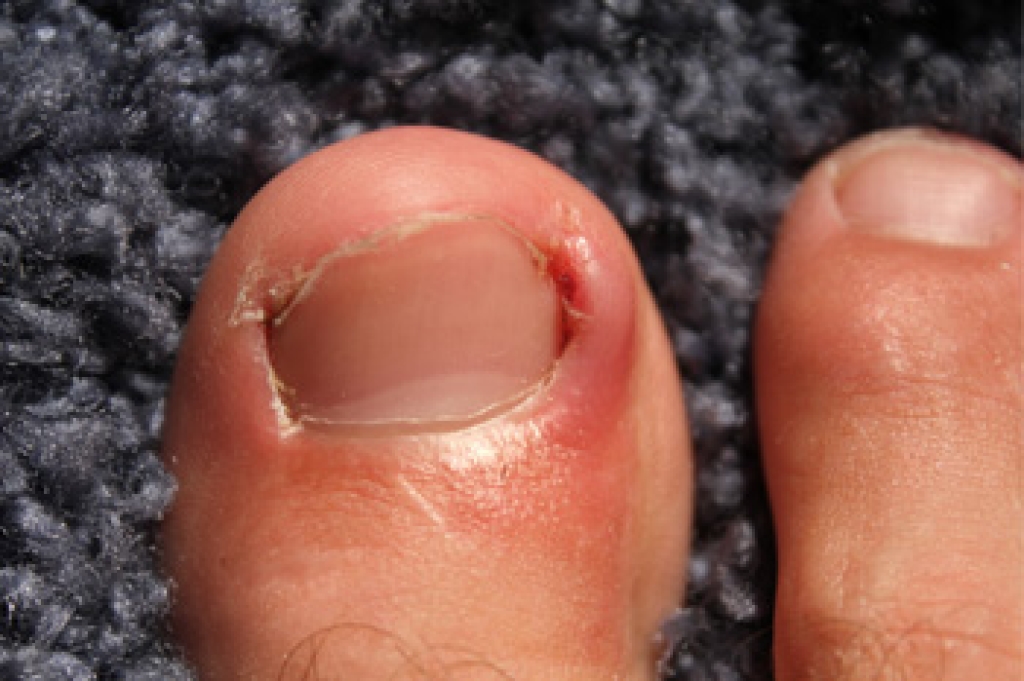
A condition that is referred to as ingrown toenails commonly develops as a result of the toenails being trimmed incorrectly. This occurs when the corners of the nail grow into the skin, often producing pain and discomfort. There are several symptoms that may lead to the conclusion that an ingrown toenail has begun to form including redness and swelling around the affected area or a liquid discharge that comes from the nail. If the shoes that are worn fit poorly, this condition may begin to develop in addition to specific repeated activity, in which the toe consistently kicks a ball. The patient may find moderate relief by soaking the toe in warm salt water frequently throughout the day, in addition to inserting a small piece of dry cotton under the affected area. It’s strongly advised to consult with a podiatrist for correct treatment remedies that are right for you.

Ingrown toenails can become painful if they are not treated properly. For more information about ingrown toenails, contact one of our podiatrists of New Jersey Foot & Ankle Centers. Our doctors can provide the care you need to keep you pain-free and on your feet.

Ingrown Toenails

Ingrown toenails occur when a toenail grows sideways into the bed of the nail, causing pain, swelling, and possibly infection.

Causes

  • Bacterial infections
  • Improper nail cutting such as cutting it too short or not straight across
  • Trauma to the toe, such as stubbing, which causes the nail to grow back irregularly
  • Ill-fitting shoes that bunch the toes too close together
  • Genetic predisposition

Prevention

Because ingrown toenails are not something found outside of shoe-wearing cultures, going barefoot as often as possible will decrease the likeliness of developing ingrown toenails. Wearing proper fitting shoes and using proper cutting techniques will also help decrease your risk of developing ingrown toenails.

Treatment

Ingrown toenails are a very treatable foot condition. In minor cases, soaking the affected area in salt or antibacterial soaps will not only help with the ingrown nail itself, but also help prevent any infections from occurring. In more severe cases, surgery is an option. In either case, speaking to your podiatrist about this condition will help you get a better understanding of specific treatment options that are right for you.

If you have any questions, please feel free to contact our office located in Oradell, NJ . We offer the newest diagnostic and treatment technologies for all your foot care needs.

Read more about Ingrown Toenails

Effective Ways to Prevent Falling

Recent research has shown that approximately 30 to 40 percent of seniors fall at least once per year. Many injuries may occur from the unnatural act of falling, including breaking a foot or spraining an ankle, in addition to possibly affecting the overall health of the body. There are simple steps that may be implemented to avoid falling, and as a result, the chances of a serious fall from occurring may be diminished. It’s important to choose shoes that fit correctly and it is beneficial if they have a non-slip sole. For those seniors who exercise regularly, their strong muscles and tendons may aid in providing the necessary strength to prevent a fall from occurring. Additionally, living in a clean and uncluttered environment may help older people to walk without tripping. It may be helpful to obtain regular medical checkups, which may include an eye exam and a reevaluation of any medications that are taken.

Preventing falls among the elderly is very important. If you are older and have fallen or fear that you are prone to falling, consult with one of our podiatrists from New Jersey Foot & Ankle Centers. Our doctors will assess your condition and provide you with quality advice and care.

Every 11 seconds, an elderly American is being treated in an emergency room for a fall related injury. Falls are the leading cause of head and hip injuries for those 65 and older. Due to decreases in strength, balance, senses, and lack of awareness, elderly persons are very susceptible to falling. Thankfully, there are a number of things older persons can do to prevent falls.

How to Prevent Falls

Some effective methods that older persons can do to prevent falls include:

  • Enrolling in strength and balance exercise program to increase balance and strength
  • Periodically having your sight and hearing checked
  • Discuss any medications you have with a doctor to see if it increases the risk of falling
  • Clearing the house of falling hazards and installing devices like grab bars and railings
  • Utilizing a walker or cane
  • Wearing shoes that provide good support and cushioning
  • Talking to family members about falling and increasing awareness

Falling can be a traumatic and embarrassing experience for elderly persons; this can make them less willing to leave the house, and less willing to talk to someone about their fears of falling. Doing such things, however, will increase the likelihood of tripping or losing one’s balance. Knowing the causes of falling and how to prevent them is the best way to mitigate the risk of serious injury.  

If you have any questions, please feel free to contact our office located in Oradell, NJ . We offer the newest diagnostic and treatment technologies for all your foot care needs.

Read more about Falls Prevention

Connect With Us

Book Online