Treatment for Stubborn Ingrown Toenails

Ingrown toenails often linger when the nail continues to press into the skin at the side of the toe, usually affecting the big toe. This pressure can cause pain, swelling, and in more severe cases, infection. While mild cases may improve on their own, stubborn ingrown toenails often need professional care. A podiatrist can relieve discomfort by carefully trimming or removing part of the affected nail. When the condition returns repeatedly, surgery may be recommended to take away part or all of the toenail. Sometimes the root of the nail is removed to prevent it from growing back. These procedures are performed under local anesthetic and can significantly reduce the chance of recurrence. Healing may take several weeks, but most people find that symptoms improve soon after treatment. Prompt care is important to avoid infection and further complications. If you are experiencing the pain of an ingrown toenail, it is suggested that you make an appointment with a podiatrist for an exam and treatment.

Ingrown toenails may initially present themselves as a minor discomfort, but they may progress into an infection in the skin without proper treatment. For more information about ingrown toenails, contact one of our podiatrists of New Jersey Foot & Ankle Centers. Our doctors can provide the care you need to keep you pain-free and on your feet.

Ingrown Toenails

Ingrown toenails are caused when the corner or side of a toenail grows into the soft flesh surrounding it. They often result in redness, swelling, pain, and in some cases, infection. This condition typically affects the big toe and may recur if it is not treated properly.

Causes

  • Improper toenail trimming
  • Genetics
  • Improper shoe fitting
  • Injury from pedicures or nail picking
  • Abnormal gait
  • Poor hygiene

You are more likely to develop an ingrown toenail if you are obese, have diabetes, arthritis, or have any fungal infection in your nails. Additionally, people who have foot or toe deformities are at a higher risk of developing an ingrown toenail.

Symptoms

Some symptoms of ingrown toenails are redness, swelling, and pain. In rare cases, there may be a yellowish drainage coming from the nail.

Treatment

Ignoring an ingrown toenail can have serious complications. Infections of the nail border can progress to a deeper soft-tissue infection, which can then turn into a bone infection. You should always speak with your podiatrist if you suspect you have an ingrown toenail, especially if you have diabetes or poor circulation.

If you have any questions, please feel free to contact our office located in Oradell, NJ . We offer the newest diagnostic and treatment technologies for all your foot care needs.

Read more about Ingrown Toenails

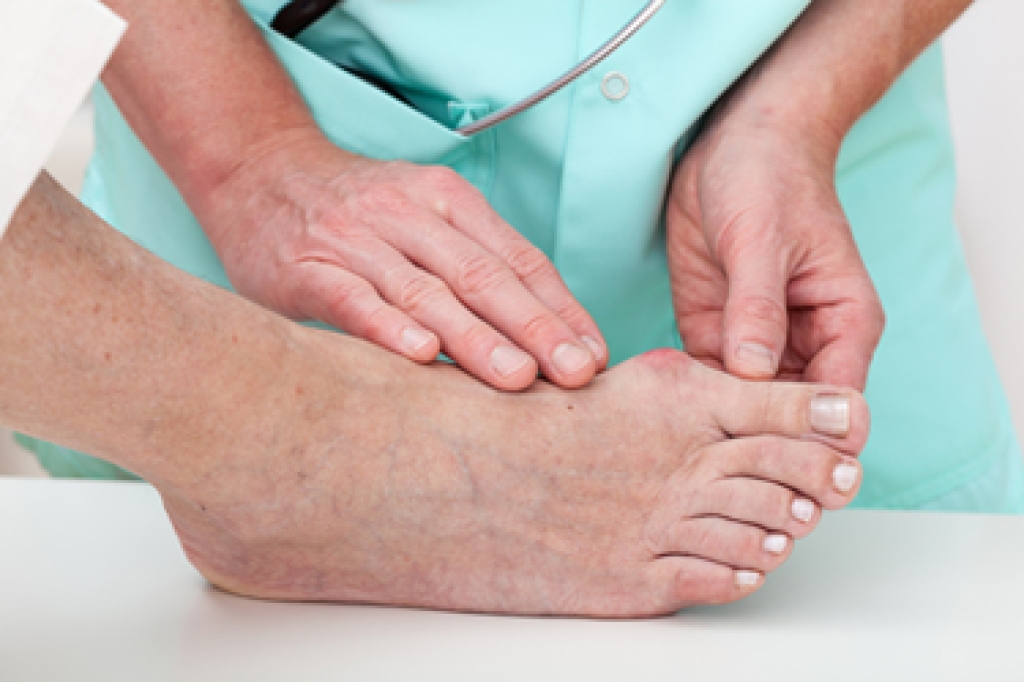
Are Bunions Affecting Your Everyday Life?

Have you noticed a bony protrusion on the side of your big toe? If so, you may have developed the foot condition known as a bunion. Don't let bunions interfere with your daily activities.

Symptoms of Morton’s Neuroma

Morton’s neuroma is a painful condition that involves thickening of the tissue surrounding a nerve in the ball of the foot, often between the third and fourth toes. This can cause sharp pain that feels like something is stuck in the shoe. Other symptoms are burning, numbness, or tingling. Causes include repetitive pressure on the forefoot, wearing tight shoes, high heels, or having certain foot shapes that place added stress on the nerve. Symptoms may worsen with walking or standing for long periods. A podiatrist can assess the foot, provide proper footwear guidance, prescribe custom orthotics, and recommend treatments that reduce nerve irritation and improve comfort. If you have pain in this part of your foot, it is suggested that you consult a podiatrist who can offer effective relief and treatment solutions.

Morton’s neuroma is a very uncomfortable condition to live with. If you think you have Morton’s neuroma, contact one of our podiatrists of New Jersey Foot & Ankle Centers. Our doctors will attend to all of your foot care needs and answer any of your related questions.  

Morton’s Neuroma

Morton's neuroma is a painful foot condition that commonly affects the areas between the second and third or third and fourth toe, although other areas of the foot are also susceptible. Morton’s neuroma is caused by an inflamed nerve in the foot that is being squeezed and aggravated by surrounding bones.

What Increases the Chances of Having Morton’s Neuroma?

  • Ill-fitting high heels or shoes that add pressure to the toe or foot
  • Jogging, running or any sport that involves constant impact to the foot
  • Flat feet, bunions, and any other foot deformities

Morton’s neuroma is a very treatable condition. Orthotics and shoe inserts can often be used to alleviate the pain on the forefront of the feet. In more severe cases, corticosteroids can also be prescribed. In order to figure out the best treatment for your neuroma, it’s recommended to seek the care of a podiatrist who can diagnose your condition and provide different treatment options.

If you have any questions, please feel free to contact our office located in Oradell, NJ . We offer the newest diagnostic and treatment technologies for all your foot care needs.

Read more about Morton's Neuroma

Understanding the Stages of Toenail Fungus

Toenail fungus, also known as onychomycosis, is a common infection that develops in stages. In the early stage, the nail may appear dull or discolored with white or yellow spots. As the infection progresses, the nail thickens, becomes brittle, and may start to lift from the nail bed. In the advanced stage, the nail can become dark, crumbly, and emit an unpleasant odor, often causing discomfort or pain while walking. Toenail fungus is caused by fungi that thrive in warm, moist environments, such as locker rooms and inside shoes. It can spread easily from one nail to another or to other people through shared surfaces. A podiatrist can diagnose the condition through examination and laboratory testing, then provide treatments including antifungal medications or debridement to remove infected nail tissue. Early treatment offers the best results. If you are dealing with toenail fungus, it is suggested that you make an appointment with a podiatrist to restore healthy, clear nails. 

For more information about treatment, contact one of our podiatrists of New Jersey Foot & Ankle Centers. Our doctors can provide the care you need to keep you pain-free and on your feet.

Toenail Fungus Treatment

Toenail fungus is a condition that affects many people and can be especially hard to get rid of. Fortunately, there are several methods to go about treating and avoiding it.

Antifungals & Deterrence

Oral antifungal medicine has been shown to be effective in many cases. It is important to consult with a podiatrist to determine the proper regiment for you, or potentially explore other options.

Applying foot powder on the feet and shoes helps keep the feet free of moisture and sweat.

Sandals or open toed shoes – Wearing these will allow air movement and help keep feet dry. They also expose your feet to light, which fungus cannot tolerate. Socks with moisture wicking material also help as well.

If you have any questions please contact our office located in Oradell, NJ . We offer the newest diagnostic and treatment technologies for all your foot and ankle needs.

Read more about Treating Toenail Fungus

Understanding Sever's Disease

Sever's disease, also known as calcaneal apophysitis, is a common cause of heel pain in growing children and adolescents, particularly those involved in sports like running or basketball. It occurs when the growth plate in the heel or calcaneus becomes irritated or inflamed due to repetitive stress, often worsened by activities that involve running or jumping. The main symptoms of Sever's disease include heel pain, tenderness, and swelling at the back of the heel, especially after physical activity. Children may also limp or complain of discomfort when walking or standing for long periods. Treatment typically focuses on relieving pain and reducing inflammation. This may include stretching exercises for the Achilles tendon. Custom orthotics or heel pads can also help reduce pressure on the heel. In severe cases, a podiatrist may recommend a period of restricted activity. If your child is dealing with this condition, it is suggested that you make an appointment with a podiatrist.

Sever's disease often occurs in children and teens. If your child is experiencing foot or ankle pain, see one of our podiatrists from New Jersey Foot & Ankle Centers. Our doctors can treat your child’s foot and ankle needs.

Sever’s Disease

Sever’s disease is also known as calcaneal apophysitis, which is a medical condition that causes heel pain I none or both feet. The disease is known to affect children between the ages of 8 and 14.

Sever’s disease occurs when part of the child’s heel known as the growth plate (calcaneal epiphysis) is attached to the Achilles tendon. This area can suffer injury when the muscles and tendons of the growing foot do not keep pace with bone growth. Therefore, the constant pain which one experiences at the back of the heel will make the child unable to put any weight on the heel. The child is then forced to walk on their toes.

Symptoms

Acute pain – Pain associated with Sever’s disease is usually felt in the heel when the child engages in physical activity such as walking, jumping and or running.

Highly active – Children who are very active are among the most susceptible in experiencing Sever’s disease, because of the stress and tension placed on their feet.

If you have any questions, please feel free to contact our office located in Oradell, NJ . We offer the newest diagnostic and treatment technologies for all your foot care needs.

Read more about Sever's Disease

Different Forms of Gout

Gout results from a buildup of uric acid in the body and most commonly affects the big toe. Noticeable symptoms of gout are an intense burning pain, along with swelling and redness.  It is also possible to have a buildup of uric acid, but experience no symptoms. This form of gout is called asymptomatic gout. Additionally, there are acute gout symptoms, which can last for three to 10 days, but are not present outside of gout attacks. If gout goes untreated, it can lead to chronic gout, which is much harder to manage. Chronic gout can cause hard lumps to form in joints and tissues surrounding them. These lumps can cause permanent damage. If you think you are suffering from gout, then it is suggested that you speak with a podiatrist for help in managing this condition.

Gout is a painful condition that can be treated. If you are seeking treatment, contact one of our podiatrists from New Jersey Foot & Ankle Centers. Our doctors will treat your foot and ankle needs.

What Is Gout?

Gout is a form of arthritis that is characterized by sudden, severe attacks of pain, redness, and tenderness in the joints. The condition usually affects the joint at the base of the big toe. A gout attack can occur at any random time, such as the middle of the night while you are asleep.

Symptoms

  • Intense Joint Pain - Usually around the large joint of your big toe, and it most severe within the first four to twelve hours
  • Lingering Discomfort - Joint discomfort may last from a few days to a few weeks
  • Inflammation and Redness -Affected joints may become swollen, tender, warm and red
  • Limited Range of Motion - May experience a decrease in joint mobility

Risk Factors

  • Genetics - If family members have gout, you’re more likely to have it
  • Medications - Diuretic medications can raise uric acid levels
  • Gender/Age - Gout is more common in men until the age of 60. It is believed that estrogen protects women until that point
  • Diet - Eating red meat and shellfish increases your risk
  • Alcohol - Having more than two alcoholic drinks per day increases your risk
  • Obesity - Obese people are at a higher risk for gout

Prior to visiting your podiatrist to receive treatment for gout, there are a few things you should do beforehand. If you have gout you should write down your symptoms--including when they started and how often you experience them, important medical information you may have, and any questions you may have. Writing down these three things will help your podiatrist in assessing your specific situation so that he or she may provide the best route of treatment for you.

If you have any questions, please feel free to contact our office located in Oradell, NJ . We offer the newest diagnostic and treatment technologies for all your foot care needs.
Read more about Gout

Are You Suffering From Ingrown Toenails?

If left untreated, an ingrown toenail can lead to more serious concerns, such as an infection. Knowing proper nail care can help in the prevention of an ingrown toenail. Give us a call, and get treated!

Causes of Toe Pain

Toe pain can arise from several common conditions that affect comfort and mobility. Bunions occur when the joint at the base of the big toe becomes enlarged and at the top of the toe leans toward the smaller toes, resulting in soreness and swelling. Gout is a form of arthritis caused by uric acid buildup that triggers sudden, intense pain and redness, often in the big toe. An ingrown toenail develops when the nail grows into the surrounding skin, causing tenderness and possible infection. A podiatrist can diagnose the cause of toe pain through examination, imaging, and lab testing, offering treatments such as medication, custom orthotics, or performing minor procedures. If you have persistent toe pain, it is suggested that you consult a podiatrist who can accurately diagnose what is going on, and guide you toward effective treatment solutions.

Toe pain can disrupt your daily activities. If you have any concerns, contact one of our podiatrists of New Jersey Foot & Ankle Centers. Our doctors can provide the care you need to keep you pain-free and on your feet.

What Causes Toe Pain?

Most severe toe pain is caused due to a sports injury, trauma from dropping something heavy on the toe, or bumping into something rigid. Other problems can develop over time for various reasons.

Toe pain can be caused by one or more ailments. The most common include:

  • Trauma
  • Sports injury
  • Wearing shoes that are too tight
  • Arthritis
  • Gout
  • Corns and calluses
  • Hammertoe
  • Bunions
  • Blisters
  • Ingrown toenails
  • Sprains
  • Fractures (broken bones)
  • Dislocations

When to See a Podiatrist

  • Severe pain
  • Persistent pain that lasts more than a week
  • Signs of infection
  • Continued swelling
  • Pain that prevents walking

Diagnosis

In many cases the cause of toe pain is obvious, but in others, a podiatrist may want to use more advanced methods to determine the problem. These can range from simple visual inspections and sensation tests to X-rays and MRI scans. Prior medical history, family medical history, and any recent physical traumatic events will all be taken into consideration for a proper diagnosis.

Treatment

Treatments for toe pain and injuries vary and may include shoe inserts, padding, taping, medicines, injections, and in some cases, surgery. If you believe that you have broken a toe, please see a podiatrist as soon as possible.

If you have any questions please contact our office located in Oradell, NJ . We offer the newest diagnostic and treatment technologies for all your foot and ankle needs.

Read more about Toe Pain

Treating Bunions in Teenagers With Modern Minimally Invasive Techniques

Bunions in adolescents can cause pain, swelling, and difficulty finding comfortable shoes. When conservative care such as padding, footwear changes, and orthotics does not provide relief, a precise surgical approach may be considered. Advances in minimally invasive foot surgery now allow podiatrists to correct the alignment of the big toe through very small incisions. Using specialized instruments, the bone can be gently repositioned to restore proper balance and relieve pressure on surrounding joints. This technique typically results in less discomfort, minimal scarring, and a faster recovery compared to traditional procedures. Each case is carefully evaluated to ensure the best outcome while allowing for continued growth and activity. If you are a young person or the parent or a young person struggling with bunion pain or deformity, it is suggested that you consult a podiatrist experienced in minimally invasive foot correction who can determine if this type of foot surgery is right for you.

Foot surgery is sometimes necessary to treat a foot ailment. To learn more, contact one of our podiatrists of New Jersey Foot & Ankle Centers. Our doctors will assist you with all of your foot and ankle needs.

When Is Surgery Necessary?

Foot and ankle surgery is generally reserved for cases in which less invasive, conservative procedures have failed to alleviate the problem. Some of the cases in which surgery may be necessary include:

  • Removing foot deformities like bunions and bone spurs
  • Severe arthritis that has caused bone issues
  • Cosmetic reconstruction

What Types of Surgery Are There?

The type of surgery you receive will depend on the nature of the problem you have. Some of the possible surgeries include:

  • Bunionectomy for painful bunions
  • Surgical fusion for realignment of bones
  • Neuropathy decompression surgery to treat nerve damage

Benefits of Surgery

Although surgery is usually a last resort, it can provide more complete pain relief compared to non-surgical methods and may allow you to finally resume full activity.

Surgical techniques have also become increasingly sophisticated. Techniques like endoscopic surgery allow for smaller incisions and faster recovery times.

If you have any questions, please feel free to contact our office located in Oradell, NJ . We offer the newest diagnostic and treatment technologies for all your foot care needs.

Read more about Foot Surgery

Common Reasons a Broken Toe Can Occur

Patients who have endured a broken toe often notice daily activities can be difficult to accomplish. Many people fracture their toe from trauma, such as dropping something heavy on it, or by stubbing it against a piece of furniture. The symptoms often experienced with this type of injury include severe pain and discomfort, swelling, and the affected area may appear to be bruised. Minor fractures can be treated effectively by using the buddy taping method. This consists of taping the broken toe to the toe next to it, and this is often helpful in providing the necessary support as the healing process begins. It is beneficial to rest and elevate the affected foot, and this may help to diminish any existing swelling. If you have broken your toe, it is suggested that you schedule an appointment with a podiatrist, who can perform a proper diagnosis and begin the best course of treatment.

Broken toes may cause a lot of pain and should be treated as soon as possible. If you have any concerns about your feet, contact one of our podiatrists from New Jersey Foot & Ankle Centers. Our doctors will treat your foot and ankle needs.

What Is a Broken Toe?

A broken toe occurs when one or more of the toe bones of the foot are broken after an injury. Injuries such as stubbing your toe or dropping a heavy object on it may cause a toe fracture.

Symptoms of a Broken Toe

  • Swelling
  • Pain (with/without wearing shoes)
  • Stiffness
  • Nail Injury

Although the injured toe should be monitored daily, it is especially important to have a podiatrist look at your toe if you have severe symptoms. Some of these symptoms include worsening or new pain that is not relieved with medication, sores, redness, or open wounds near the toe.

If you have any questions please feel free to contact our office located in Oradell, NJ . We offer the newest diagnostic tools and technology to treat your foot and ankle needs.

Read more about What to Know About a Broken Toe

Connect With Us

Book Online