Soothing Foot Stretches

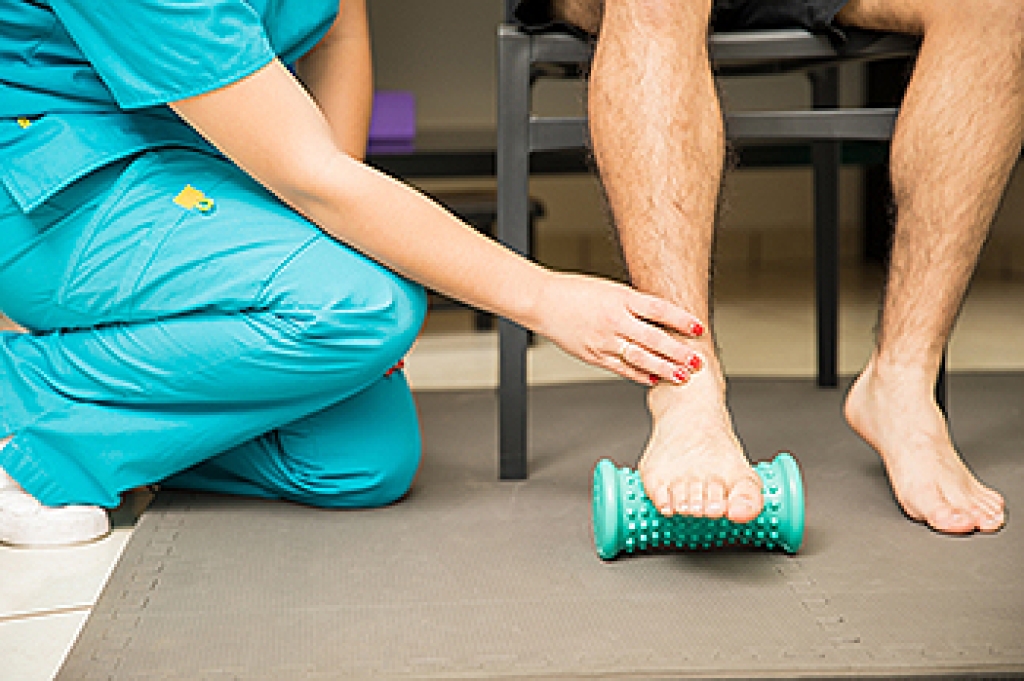
Individuals might choose to stretch their feet for any number of reasons. This is because stretching the feet offers a range of different health benefits. For example, some individuals opt to incorporate foot stretches into their daily health routine because they can increase flexibility, mobility, and range of motion in the feet. Additionally, others choose to stretch their feet because of the soothing capacity of the stretches. In other words, stretching the feet can soothe pain. Pain felt from plantar fasciitis in particular can be soothed by performing certain foot stretches. Rolling the bottoms of the feet on a frozen water bottle can effectively stretch out and soothe the plantar fascia. If you are someone that wants to soothe foot pain through stretches, it is suggested that you contact a podiatrist for treatment. 

Stretching the feet is a great way to prevent injuries. If you have any concerns with your feet consult with one of our podiatrists from New Jersey Foot & Ankle Centers. Our doctors will assess your condition and provide you with quality foot and ankle treatment.

Stretching the Feet

Being the backbone of the body, the feet carry your entire weight and can easily become overexerted, causing cramps and pain. As with any body part, stretching your feet can serve many benefits. From increasing flexibility to even providing some pain relief, be sure to give your feet a stretch from time to time. This is especially important for athletes or anyone performing aerobic exercises, but anyone experiencing foot pain or is on their feet constantly should also engage in this practice.

Great ways to stretch your feet:

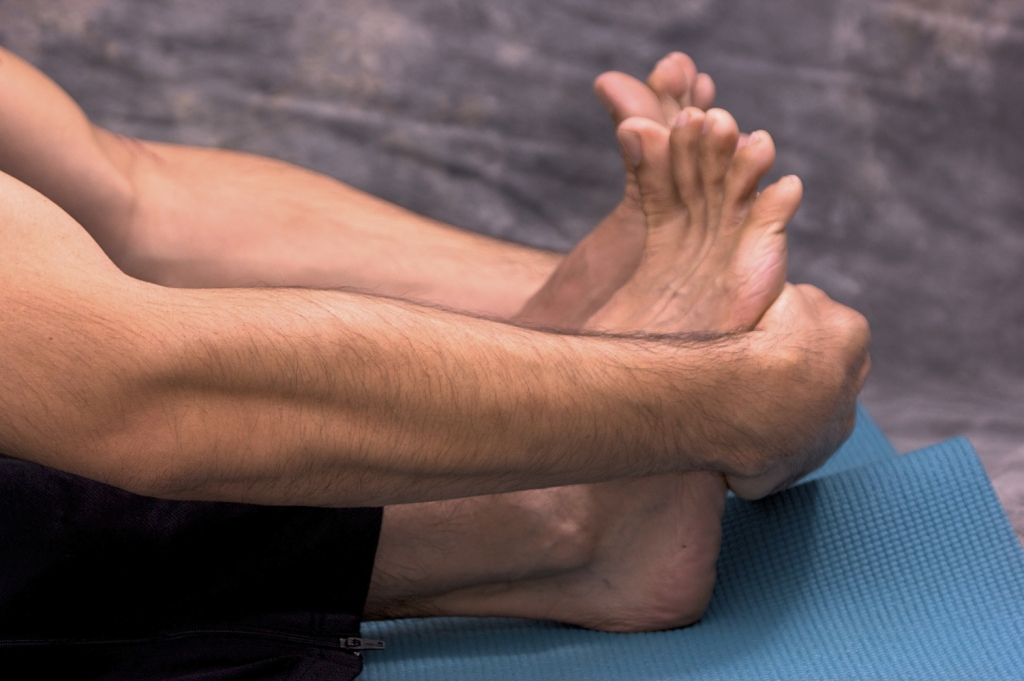
  • Crossing one leg over the others and carefully pull your toes back. Do 10-20 repetitions and repeat the process for each foot
  • Face a wall with your arms out and hands flat against the wall. Step back with one foot and keep it flat on the floor while moving the other leg forward. Lean towards the wall until you feel a stretch. Hold for 30 seconds and perform 10 repetitions for each foot
  • Be sure not to overextend or push your limbs too hard or you could risk pulling or straining your muscle

Individuals who tend to their feet by regular stretching every day should be able to minimize foot pain and prevent new problems from arising.

If you have any questions please contact our office located in Oradell, NJ . We offer the newest diagnostic and treatment technologies for all your foot and ankle needs.

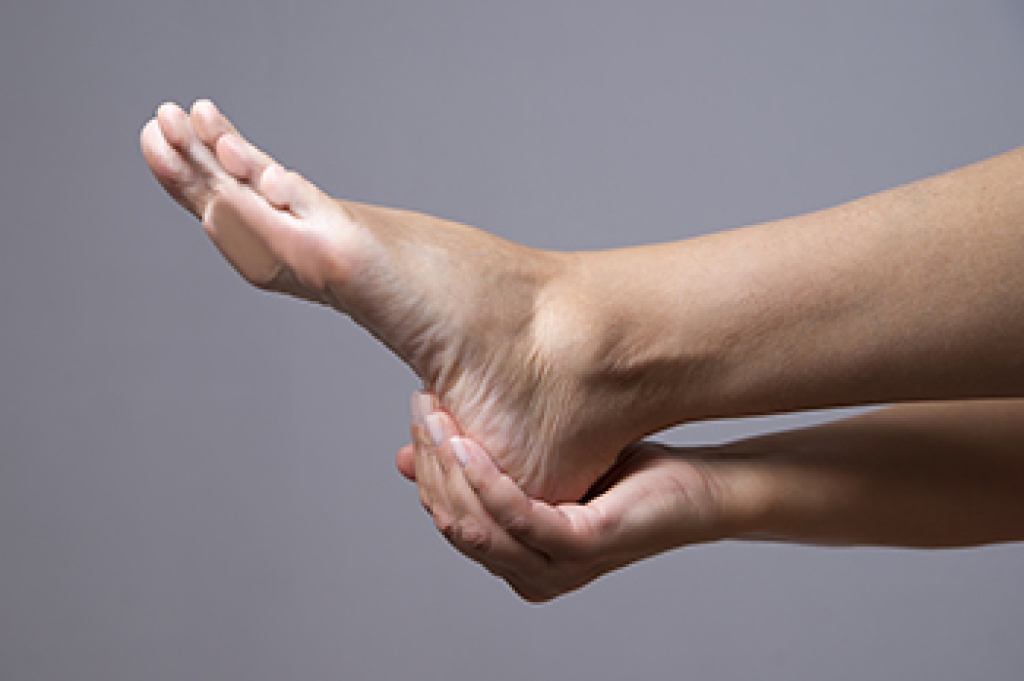
Read more about Stretching Your Feet

Treatment Options for Turf Toe Injury

Turf toe is an injury that affects the base of the big toe, which is termed the first metatarsophalangeal, or MTP joint. It occurs from repeatedly overstretching that joint. This is a common injury among football or soccer players, and dancers who frequently overextend the MTP joint with the heels raised.  Turf toe is considered to be a toe sprain, and ignoring it can be detrimental to continuing your sport. Resting the toe is essential, but more serious treatment options may be required in order for the MTP joint to fully heal and activity to resume. A visit to a podiatrist may involve ultrasound or electric stimulation techniques, as well as prescribing non-steroidal anti-inflammatory medication to reduce pain. In many cases, being fitted for an orthotic shoe insert may be deemed necessary. In extreme cases, surgery is recommended to repair any tears, fractures, or other joint damage. For a proper diagnosis of your turf toe sprain, along with an appropriate treatment plan, it is suggested that you make an appointment with a podiatrist. 

Toe pain can disrupt your daily activities. If you have any concerns, contact one of our podiatrists of New Jersey Foot & Ankle Centers. Our doctors can provide the care you need to keep you pain-free and on your feet.

What Causes Toe Pain?

Most severe toe pain is caused due to a sports injury, trauma from dropping something heavy on the toe, or bumping into something rigid. Other problems can develop over time for various reasons.

Toe pain can be caused by one or more ailments. The most common include:

  • Trauma
  • Sports injury
  • Wearing shoes that are too tight
  • Arthritis
  • Gout
  • Corns and calluses
  • Hammertoe
  • Bunions
  • Blisters
  • Ingrown toenails
  • Sprains
  • Fractures (broken bones)
  • Dislocations

When to See a Podiatrist

  • Severe pain
  • Persistent pain that lasts more than a week
  • Signs of infection
  • Continued swelling
  • Pain that prevents walking

Diagnosis

In many cases the cause of toe pain is obvious, but in others, a podiatrist may want to use more advanced methods to determine the problem. These can range from simple visual inspections and sensation tests to X-rays and MRI scans. Prior medical history, family medical history, and any recent physical traumatic events will all be taken into consideration for a proper diagnosis.

Treatment

Treatments for toe pain and injuries vary and may include shoe inserts, padding, taping, medicines, injections, and in some cases, surgery. If you believe that you have broken a toe, please see a podiatrist as soon as possible.

If you have any questions please contact our office located in Oradell, NJ . We offer the newest diagnostic and treatment technologies for all your foot and ankle needs.

Read more about Toe Pain

What Is the Arch of the Foot?

Learning about the biomechanics of the feet can help an individual become more knowledgeable about how the foot works and how to prevent injury. Learning about the arch of the foot can be especially helpful. The arch of the foot is complex and has many essential functions. There are three different arches in the foot. The medial arch, the lateral arch, and the anterior transverse arch. Each of these arches is ultimately formed by the interaction of different bones, ligaments, and tendons in the feet. The arch enables the feet to perform many functions. For example, the arches in the feet provide flexibility and shock absorption when walking and running. In a way, the arch helps act as a kind of spring in the feet. If individuals did not have arches in their feet, engaging in motion would be significantly different and perhaps more difficult. If you are someone that wants to learn more about the biomechanics of your feet, it is suggested that you contact a podiatrist today.

If you have any concerns about your feet, contact one of our podiatrists from New Jersey Foot & Ankle Centers. Our doctors can provide the care you need to keep you pain-free and on your feet.

Biomechanics in Podiatry

Podiatric biomechanics is a particular sector of specialty podiatry with licensed practitioners who are trained to diagnose and treat conditions affecting the foot, ankle and lower leg. Biomechanics deals with the forces that act against the body, causing an interference with the biological structures. It focuses on the movement of the ankle, the foot and the forces that interact with them.

A History of Biomechanics

  • Biomechanics dates back to the BC era in Egypt where evidence of professional foot care has been recorded.
  • In 1974, biomechanics gained a higher profile from the studies of Merton Root, who claimed that by changing or controlling the forces between the ankle and the foot, corrections or conditions could be implemented to gain strength and coordination in the area.

Modern technological improvements are based on past theories and therapeutic processes that provide a better understanding of podiatric concepts for biomechanics. Computers can provide accurate information about the forces and patterns of the feet and lower legs.

Understanding biomechanics of the feet can help improve and eliminate pain, stopping further stress to the foot.

If you have any questions please feel free to contact our office located in Oradell, NJ . We offer the newest diagnostic and treatment technologies for all your foot and ankle needs.

Read more about Biomechanics in Podiatry

It's Time for Beautiful Feet

You don't need an excuse to have beautiful nails. Step outside without worrying about the appearance of your feet.

Successful Running Injury Prevention Tactics

Preventing running injuries is crucial in maintaining good form and completing running goals. When the body is strong, running injuries may be avoided. Many people understand the importance of running correctly and training to get the body accustomed to running. Most runners enjoy having a goal that can range from running a few miles on the weekend to practicing to run a marathon. It is important to warm up and cool down before and after running to help prevent running injuries. If you would like to know how running injuries affect the feet as well as learn about successful prevention strategies, it is suggested that you confer with a podiatrist.

All runners should take extra precaution when trying to avoid injury. If you have any concerns about your feet, contact one of our podiatrists of New Jersey Foot & Ankle Centers. Our doctors will treat your foot and ankle needs.

How to Prevent Running Injuries

There are a lot of mistakes a runner can make prior to a workout that can induce injury. A lot of athletes tend to overstretch before running, instead of saving those workouts for a post-run routine. Deep lunges and hand-to-toe hamstring pulls should be performed after a workout instead of during a warmup. Another common mistake is jumping into an intense routine before your body is physically prepared for it. You should try to ease your way into long-distance running instead of forcing yourself to rush into it.

More Tips for Preventing Injury

  • Incorporate Strength Training into Workouts - This will help improve the body’s overall athleticism
  • Improve and Maintain Your Flexibility – Stretching everyday will help improve overall performance
  • “Warm Up” Before Running and “Cool Down” Afterward – A warm up of 5-10 minutes helps get rid of lactic acid in the muscles and prevents delayed muscle soreness
  • Cross-Training is Crucial
  • Wear Proper Running Shoes
  • Have a Formal Gait Analysis – Poor biomechanics can easily cause injury

If you have any questions, please feel free to contact our office located in Oradell, NJ . We offer the newest diagnostic and treatment technologies for all your foot care needs.

Read more about How to Prevent Running Injuries

Reasons Why Plantar Fasciitis Can Happen

The pain from the foot condition known as plantar fasciitis occurs along the bottom of the foot. The area affected is the plantar fascia, which is a thick tissue that stretches from the heel bone to the toes. Plantar fasciitis may occur if the plantar fascia becomes inflamed or torn, which may happen for various reasons. These can include standing on hard surfaces for hours during the day or wearing shoes that do not fit correctly. Less invasive treatment can consist of frequently elevating the foot and performing specific exercises, such as the calf stretch. This is done by standing on a step and lowering the heels one at a time until a gentle stretch is felt. Some people choose to wear custom-made orthotics, which may provide additional support. In severe cases, surgery may be necessary to repair the damaged plantar fascia. If you have heel pain, it is strongly suggested that you confer with a podiatrist who can effectively diagnose this condition and can determine what the best course of treatment is for you

Plantar fasciitis is a common foot condition that is often caused by a strain injury. If you are experiencing heel pain or symptoms of plantar fasciitis, contact one of our podiatrists from New Jersey Foot & Ankle Centers. Our doctors can provide the care you need to keep you pain-free and on your feet.

What Is Plantar Fasciitis?

Plantar fasciitis is one of the most common causes of heel pain. The plantar fascia is a ligament that connects your heel to the front of your foot. When this ligament becomes inflamed, plantar fasciitis is the result. If you have plantar fasciitis you will have a stabbing pain that usually occurs with your first steps in the morning. As the day progresses and you walk around more, this pain will start to disappear, but it will return after long periods of standing or sitting.

What Causes Plantar Fasciitis?

  • Excessive running
  • Having high arches in your feet
  • Other foot issues such as flat feet
  • Pregnancy (due to the sudden weight gain)
  • Being on your feet very often

There are some risk factors that may make you more likely to develop plantar fasciitis compared to others. The condition most commonly affects adults between the ages of 40 and 60. It also tends to affect people who are obese because the extra pounds result in extra stress being placed on the plantar fascia.

Prevention

  • Take good care of your feet – Wear shoes that have good arch support and heel cushioning.
  • Maintain a healthy weight
  • If you are a runner, alternate running with other sports that won’t cause heel pain

There are a variety of treatment options available for plantar fasciitis along with the pain that accompanies it. Additionally, physical therapy is a very important component in the treatment process. It is important that you meet with your podiatrist to determine which treatment option is best for you.

If you have any questions, please feel free to contact our office located in Oradell, NJ . We offer the newest diagnostic and treatment technologies for all your foot care needs.


Read more about Plantar Fasciitis

Hyperhidrosis and Peeling

Are you someone that is noticing peeling of the skin on your feet? Skin peeling on the feet can be caused for many different reasons. However, one possible cause is actually a condition of the feet known as hyperhidrosis. Hyperhidrosis is characterized by excessive sweating of the feet, and the bottoms, or soles, of the feet, are commonly affected by this excessive sweating. In addition to peeling of the skin on the feet, you may also notice that hyperhidrosis is causing irritation and redness in the affected area. Hyperhidrosis can affect a very broad range of different individuals. If you are someone that struggles with either skin peeling or excessive sweating on the feet, then it is suggested that you schedule an appointment with a podiatrist or a foot specialist who can help you with treatment.

If you are suffering from hyperhidrosis contact one of our podiatrists of New Jersey Foot & Ankle Centers. Our doctors can provide the care you need to attend to all of your foot and ankle needs.

Hyperhidrosis of the Feet

Hyperhidrosis is a rare disorder that can cause people to have excessive sweating of their feet. This can usually occur all on its own without rigorous activity involved. People who suffer from hyperhidrosis may also experience sweaty palms.

Although it is said that sweating is a healthy process meant to cool down the body temperature and to maintain a proper internal temperature, hyperhidrosis may prove to be a huge hindrance on a person’s everyday life.

Plantar hyperhidrosis is considered to be the main form of hyperhidrosis. Secondary hyperhidrosis can refer to sweating that occurs in areas other than the feet or hands and armpits. Often this may be a sign of it being related to another medical condition such as menopause, hyperthyroidism and even Parkinson’s disease.

In order to alleviate this condition, it is important to see your doctor so that they may prescribe the necessary medications so that you can begin to live a normal life again. If this is left untreated, it is said that it will persist throughout an individual’s life.

A last resort approach would be surgery, but it is best to speak with your doctor to find out what may be the best treatment for you.

If you have any questions, please feel free to contact our office located in Oradell, NJ . We offer the newest diagnostic and treatment technologies for all your foot care needs.

Read more about Hyperhidrosis of the Feet

Why Do I Have A Heel Spur?

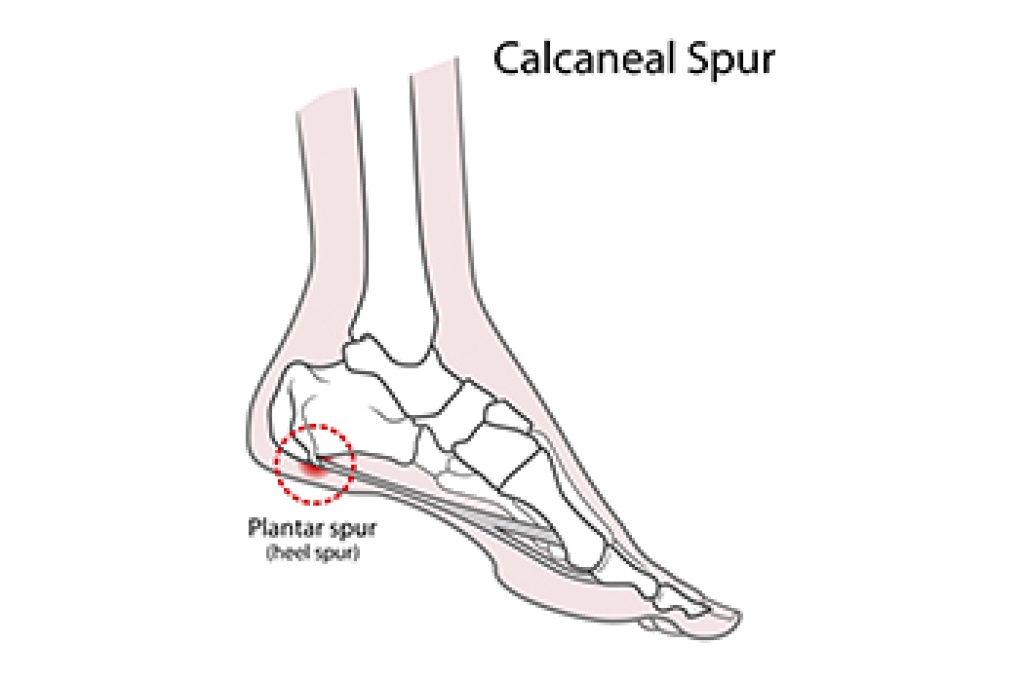
Heel spurs can be painful. They are defined as bony growths that develop on the underside of the heel and can measure up to one inch. Heel spurs can be caused by inflammation and tension in the plantar fascia from standing on hard surfaces for most of the day. They may also occur from wearing shoes that have limited cushioning in the heel area, or from a foot injury. Some people have a bone deformity or muscle imbalance, which may also lead to the development of a heel spur. A common symptom that many patients experience is heel pain that is worse in the morning and may slightly subside as the day progresses. Mild relief may be found when supportive shoes are worn. If you have a heel spur, it is strongly suggested that you consult with a podiatrist who can provide you with the best treatment options.

Heel spurs can be incredibly painful and sometimes may make you unable to participate in physical activities. To get medical care for your heel spurs, contact one of our podiatrists from New Jersey Foot & Ankle Centers. Our doctors will do everything possible to treat your condition.

Heels Spurs

Heel spurs are formed by calcium deposits on the back of the foot where the heel is. This can also be caused by small fragments of bone breaking off one section of the foot, attaching onto the back of the foot. Heel spurs can also be bone growth on the back of the foot and may grow in the direction of the arch of the foot.

Older individuals usually suffer from heel spurs and pain sometimes intensifies with age. One of the main condition's spurs are related to is plantar fasciitis.

Pain

The pain associated with spurs is often because of weight placed on the feet. When someone is walking, their entire weight is concentrated on the feet. Bone spurs then have the tendency to affect other bones and tissues around the foot. As the pain continues, the feet will become tender and sensitive over time.

Treatments

There are many ways to treat heel spurs. If one is suffering from heel spurs in conjunction with pain, there are several methods for healing. Medication, surgery, and herbal care are some options.

If you have any questions, please feel free to contact our office located in Oradell, NJ . We offer the newest diagnostic and treatment technologies for all your foot care needs.

Read more about Heel Spurs

Arthritis Can Cause Ankle Pain

There are various forms of arthritis that can cause ankle pain. Osteoarthritis, known as OA, is considered to be the most common form of arthritis. It happens when the cartilage that is found on the ends of the bones which form the joints breaks down. This generally occurs gradually, and symptoms that are felt can consist of pain, stiffness, and the ankle may be difficult to move. If the immune system attacks the joints rather than protects the body from infection, it may be a sign of rheumatoid arthritis. This is a chronic, inflammatory disease that affects the joints of the feet and ankles, possibly causing a lack of function. Gout is another type of arthritis that typically affects the joints in the big toe, but can radiate to the ankles and feet. If you have ankle pain, it is suggested that you confer with a podiatrist who can determine if it is connected to arthritis, and offer you treatment options that are best for you.

Ankle pain can be caused by a number of problems and may be potentially serious. If you have ankle pain, consult with one of our podiatrists from New Jersey Foot & Ankle Centers. Our doctors will assess your condition and provide you with quality foot and ankle treatment.

Ankle pain is any condition that causes pain in the ankle. Due to the fact that the ankle consists of tendons, muscles, bones, and ligaments, ankle pain can come from a number of different conditions.

Causes

The most common causes of ankle pain include:

  • Types of arthritis (rheumatoid, osteoarthritis, and gout)
  • Ankle sprains
  • Broken ankles
  • Achilles tendonitis
  • Achilles tendon rupture
  • Stress fractures
  • Bursitis
  • Tarsal tunnel syndrome
  • Plantar fasciitis

Symptoms

Symptoms of ankle injury vary based upon the condition. Pain may include general pain and discomfort, swelling, aching, redness, bruising, burning or stabbing sensations, and/or loss of sensation.

Diagnosis

Due to the wide variety of potential causes of ankle pain, podiatrists will utilize a number of different methods to properly diagnose ankle pain. This can include asking for personal and family medical histories and of any recent injuries. Further diagnosis may include sensation tests, a physical examination, and potentially x-rays or other imaging tests.

Treatment

Just as the range of causes varies widely, so do treatments. Some more common treatments are rest, ice packs, keeping pressure off the foot, orthotics and braces, medication for inflammation and pain, and surgery.

If you have any questions please feel free to contact our office located in Oradell, NJ . We offer the newest diagnostic tools and technology to treat your foot and ankle needs.

Read more about Ankle Pain

Heel Pain Can Be Treated!

Do you suffer from heel pain when you get up in the morning? If so, you should seek professional help and have a proper diagnosis performed. Heel pain can be caused by several different foot-related conditions.

Connect With Us

Book Online