Connect With Us

Bunions and bunionettes are common foot conditions that can cause significant discomfort. A bunion is a bony bump that forms at the base of the big toe, causing the toe to angle inward, resulting in pain and swelling. Conversely, a bunionette, also known as a tailor's bunion, develops on the outside of the foot near the little toe. Both conditions can lead to inflammation and difficulty in wearing certain types of shoes. Symptoms include swelling, redness, and tenderness surrounding the affected areas. To prevent these issues, it is important to wear properly fitting shoes with adequate room in the toe box. Regularly performing foot exercises and maintaining a healthy weight can also help reduce the risk. If you have either one of these foot conditions, it is suggested that you consult a podiatrist who can offer effective relief and treatment solutions.
If you are suffering from bunions, contact one of our podiatrists of New Jersey Foot & Ankle Centers. Our doctors can provide the care you need to keep you pain-free and on your feet.
What Is a Bunion?
A bunion is formed of swollen tissue or an enlargement of boney growth, usually located at the base joint of the toe that connects to the foot. The swelling occurs due to the bones in the big toe shifting inward, which impacts the other toes of the foot. This causes the area around the base of the big toe to become inflamed and painful.
Why Do Bunions Form?
Genetics – Susceptibility to bunions are often hereditary
Stress on the feet – Poorly fitted and uncomfortable footwear that places stress on feet, such as heels, can worsen existing bunions
How Are Bunions Diagnosed?
Doctors often perform two tests – blood tests and x-rays – when trying to diagnose bunions, especially in the early stages of development. Blood tests help determine if the foot pain is being caused by something else, such as arthritis, while x-rays provide a clear picture of your bone structure to your doctor.
How Are Bunions Treated?
If you have any questions, please feel free to contact our office located in Oradell, NJ . We offer the newest diagnostic and treatment technologies for all your foot care needs.


Flat feet, or fallen arches, occur when the arch of the foot is low or completely flattened, causing the entire sole to make contact with the ground. Having flat feet can affect the natural alignment of the body, potentially leading to pain in the feet, ankles, knees, or lower back. While flat feet do not always cause symptoms, common signs include foot pain, fatigue, and uneven shoe wear. This condition can arise from a failure of the arches to develop properly during childhood, or it can develop later in life due to aging, injury, or certain medical conditions like arthritis or diabetes. Treatment often focuses on reducing pain and improving foot function through the use of custom orthotics or supportive shoes, which help redistribute weight and improve alignment. In more severe cases, where pain persists or mobility is affected, surgery may be considered to reconstruct the arch or correct deformities. If you have persistent foot pain as a result of flat feet, it is suggested that you make an appointment with a podiatrist for treatment options.
Flatfoot is a condition many people suffer from. If you have flat feet, contact one of our podiatrists from New Jersey Foot & Ankle Centers. Our doctors will treat your foot and ankle needs.
What Are Flat Feet?
Flatfoot is a condition in which the arch of the foot is depressed and the sole of the foot is almost completely in contact with the ground. About 20-30% of the population generally has flat feet because their arches never formed during growth.
Conditions & Problems:
Having flat feet makes it difficult to run or walk because of the stress placed on the ankles.
Alignment – The general alignment of your legs can be disrupted, because the ankles move inward which can cause major discomfort.
Knees – If you have complications with your knees, flat feet can be a contributor to arthritis in that area.
Symptoms
Treatment
If you are experiencing pain and stress on the foot you may weaken the posterior tibial tendon, which runs around the inside of the ankle.
If you have any questions, please feel free to contact our office located in Oradell, NJ . We offer the newest diagnostic and treatment technologies for all your foot care needs.
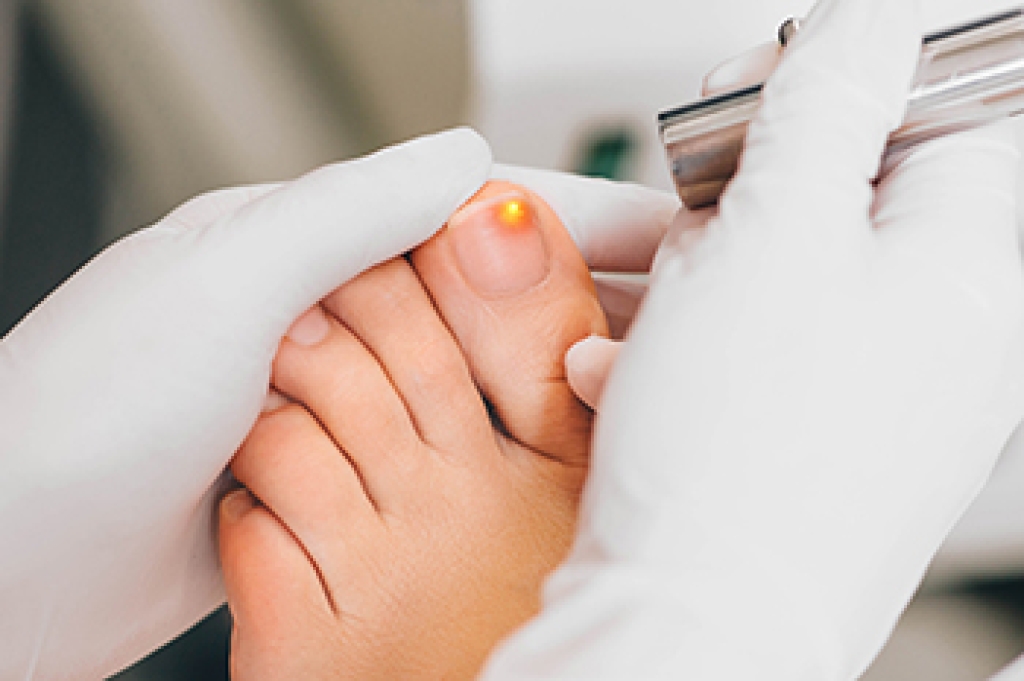
Ingrown toenails occur when the edge of the toenail grows into the surrounding skin, causing pain and discomfort. This condition commonly affects the big toe and can result from improper nail trimming, wearing tight shoes, or genetic predisposition. Early symptoms include redness, swelling, and tenderness along the nail edges. If left untreated, ingrown toenails can lead to infection, abscesses, and chronic pain, which may complicate walking or lead to more severe health issues. Individuals with poor nail-cutting habits, wearing tight footwear, or certain foot deformities are at higher risk. Diagnosis typically involves a physical examination, during which a podiatrist will assess the nail and surrounding tissues. In some cases, an X-ray may be used to rule out other conditions. To address persistent ingrown toenails and prevent complications, it is suggested you schedule an appointment with a podiatrist for proper treatment and care.
Ingrown toenails may initially present themselves as a minor discomfort, but they may progress into an infection in the skin without proper treatment. For more information about ingrown toenails, contact one of our podiatrists of New Jersey Foot & Ankle Centers. Our doctors can provide the care you need to keep you pain-free and on your feet.
Ingrown Toenails
Ingrown toenails are caused when the corner or side of a toenail grows into the soft flesh surrounding it. They often result in redness, swelling, pain, and in some cases, infection. This condition typically affects the big toe and may recur if it is not treated properly.
Causes
You are more likely to develop an ingrown toenail if you are obese, have diabetes, arthritis, or have any fungal infection in your nails. Additionally, people who have foot or toe deformities are at a higher risk of developing an ingrown toenail.
Symptoms
Some symptoms of ingrown toenails are redness, swelling, and pain. In rare cases, there may be a yellowish drainage coming from the nail.
Treatment
Ignoring an ingrown toenail can have serious complications. Infections of the nail border can progress to a deeper soft-tissue infection, which can then turn into a bone infection. You should always speak with your podiatrist if you suspect you have an ingrown toenail, especially if you have diabetes or poor circulation.
If you have any questions, please feel free to contact our office located in Oradell, NJ . We offer the newest diagnostic and treatment technologies for all your foot care needs.
Heel spurs are bony growths that develop on the underside of the heel bone, often caused by chronic inflammation of the plantar fascia. They can lead to sharp pain, especially when walking or running. If you have a heel spur and want to continue running, it is important to take certain precautions. Choose well-cushioned, supportive shoes that help absorb impact and reduce stress on the heel. Engage in stretching exercises for the Achilles tendon and plantar fascia to improve flexibility and alleviate pressure. Running on softer surfaces, like grass or tracks, can also reduce the impact on your feet. Adjust your running routine by incorporating rest days and cross-training to avoid aggravating the condition. If you enjoy running and have developed a heel spur, it is suggested that you consult a podiatrist who can offer you additional relief solutions.
Heel spurs can be incredibly painful and sometimes may make you unable to participate in physical activities. To get medical care for your heel spurs, contact one of our podiatrists from New Jersey Foot & Ankle Centers. Our doctors will do everything possible to treat your condition.
Heels Spurs
Heel spurs are formed by calcium deposits on the back of the foot where the heel is. This can also be caused by small fragments of bone breaking off one section of the foot, attaching onto the back of the foot. Heel spurs can also be bone growth on the back of the foot and may grow in the direction of the arch of the foot.
Older individuals usually suffer from heel spurs and pain sometimes intensifies with age. One of the main condition's spurs are related to is plantar fasciitis.
Pain
The pain associated with spurs is often because of weight placed on the feet. When someone is walking, their entire weight is concentrated on the feet. Bone spurs then have the tendency to affect other bones and tissues around the foot. As the pain continues, the feet will become tender and sensitive over time.
Treatments
There are many ways to treat heel spurs. If one is suffering from heel spurs in conjunction with pain, there are several methods for healing. Medication, surgery, and herbal care are some options.
If you have any questions, please feel free to contact our office located in Oradell, NJ . We offer the newest diagnostic and treatment technologies for all your foot care needs.
Connect With Us